
Who Pays for a Wedding Ring? Understanding Tradition and Modern Choices
When planning a wedding, one question often stands out: who pays for the wedding ring? Traditionally, the groom pays for the bride’s engagement ring, while the bride covers the groom’s wedding band. However, in today’s world, many couples choose to split costs or even cover each other’s rings, making it more of a joint effort than a strictly traditional arrangement.
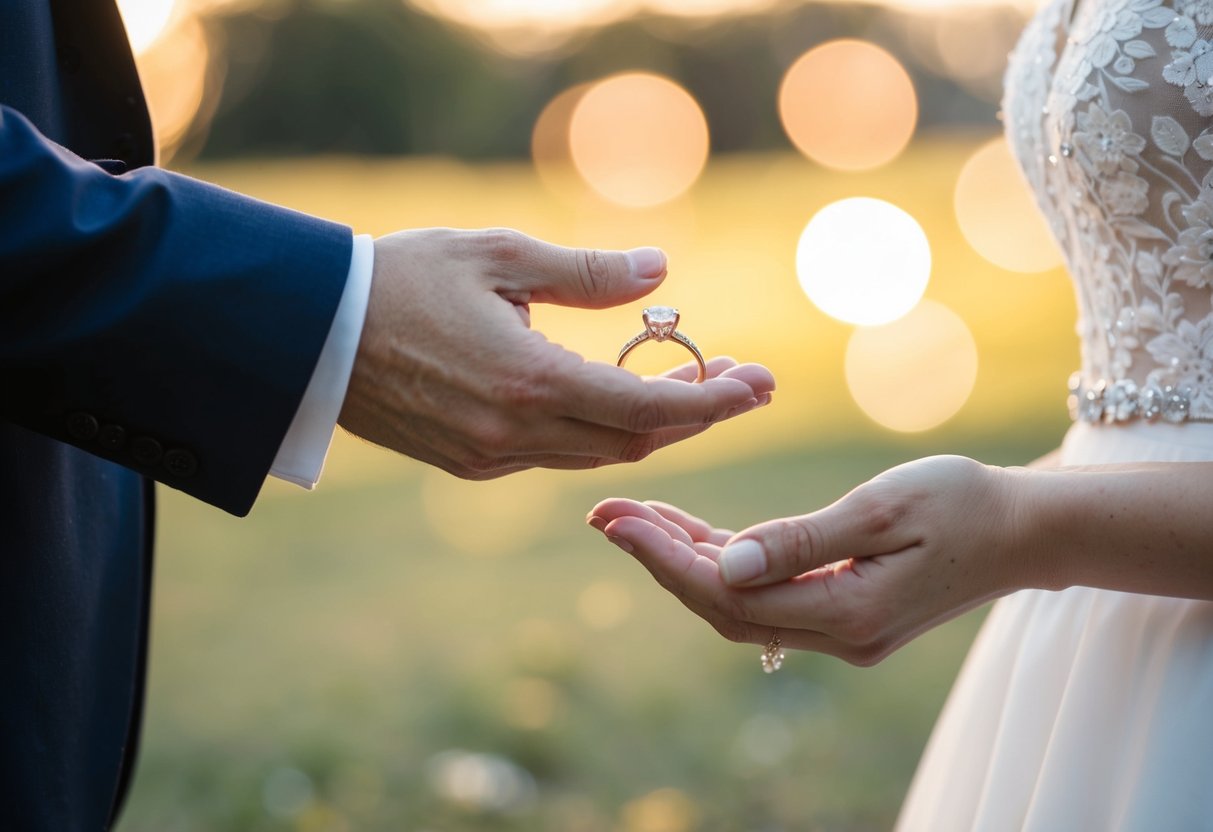
Understanding how these customs have evolved can help you make the right choice for your relationship. Whether you’re planning a traditional wedding or a more non-traditional celebration, the approach to ring purchasing can reflect your values and personality as a couple. So, as you navigate this exciting journey, consider not just the financial aspect but also what feels right for you both.
Many couples now embrace the idea that wedding rings symbolize a partnership rather than just one person’s responsibility. This shift opens the door for honest conversations about what everyone is comfortable with, ensuring that your ring choices are meaningful to you.
As you read on, you’ll explore different perspectives on this topic, helping you find the perfect approach for your special day.
Understanding Wedding and Engagement Ring Expenses
When it comes to wedding and engagement rings, you may wonder who is responsible for the costs. This can vary based on tradition, personal choices, and your unique circumstances. Let’s explore the traditional roles and how modern couples approach financing these important symbols of love.
Traditional Roles in Who Pays
Traditionally, the groom pays for the engagement ring and the bride’s wedding band. The expectation is that the bride’s family handles costs for the wedding ceremony, including decorations and venue fees. This division of expenses can sometimes create tension, especially if families have different financial situations or views on budgeting.
Many still follow this tradition, which can help clarify roles during wedding planning. It’s a good idea to discuss these expectations openly to avoid misunderstandings. Knowing who’s paying for what can help you both stay on track with your wedding budget.
Modern Approaches to Ring Financing
Today, many couples choose a more flexible approach to paying for rings. You might decide to split the costs or pay from a joint budget. This option lets you work together and emphasizes teamwork in your relationship.
In non-traditional weddings, the couple may select and pay for their rings together. This can lead to more personalized choices that reflect both of your styles. Open communication about finances ensures that both partners feel comfortable with the expenses involved.
Whether you follow tradition or set your own path, the key is to align your choices with your shared values and financial plans.
Factors Influencing Ring Costs
When choosing a wedding ring, the cost can vary greatly based on several factors. Understanding these elements can help you make an informed decision that fits your budget and style.
Material Choices: From Yellow Gold to Platinum
The metal you choose for your wedding ring significantly impacts the price. Common options include yellow gold, white gold, and platinum.
- Yellow Gold: A classic choice, it offers warmth and richness. It is often less expensive than platinum.
- White Gold: This popular option, often rhodium-plated, gives a shiny finish but may require rhodium reapplication over time.
- Platinum: This metal is durable and hypoallergenic. Though pricier, it’s a great long-term investment.
Consider your lifestyle when selecting a material, as some are more scratch-resistant or require more maintenance than others.
Gemstone Options: Diamonds and Beyond
Diamonds are the traditional choice for wedding rings, but there are many gemstone options. The 4Cs—cut, color, clarity, and carat weight—play a big role in determining a diamond’s cost.
- Natural Diamonds: These are common and can be expensive, especially with larger carat sizes.
- Lab-Grown Diamonds: These offer the same beauty at a lower price. They can be a smart, ethical choice.
- Alternative Gemstones: Sapphires, emeralds, and rubies can provide unique, colorful options that often cost less than diamonds.
Choosing the right gemstone can make your ring feel special while allowing room in your budget.
Ring Size and Engraving Considerations
Your ring size can affect the cost of the wedding band. Larger sizes may require more material, leading to a higher price.
Engraving is another factor to consider. Personalized engravings can add sentimental value but will also increase overall costs.
- Standard Sizes: Most retailers offer common sizes at base prices.
- Custom Sizes: These may come with additional costs, especially for unique dimensions.
- Engraving Costs: Prices vary based on length and complexity. Simple messages are generally less expensive than detailed designs.
When factoring in these elements, you’ll find options that fit your vision without overspending.
Planning Your Wedding Ring Budget
When choosing your wedding rings, it’s essential to have a clear budget in mind. Understanding the costs involved and how to manage them will lead to smoother planning and reduce any stress. Here are some important factors to consider.
The Average Cost of Wedding Rings
The cost of wedding rings can vary significantly. On average, couples spend between $1,000 and $3,000 on their wedding rings. Factors that affect the price include the materials used, brand, and design.
For example, simple gold bands may cost less, while those with intricate designs or embellishments can be pricier. Keep in mind that prices may also differ based on where you shop, such as local jewelers versus high-end retailers. Familiarizing yourself with the market can help you find the right ring within your budget.
Budgeting Tips for Your Rings
Setting a wedding ring budget doesn’t have to be complicated. Here are some helpful tips:
- Set a Limit: Decide on a maximum amount you’re comfortable spending.
- Create a Ring Fund: Start saving specifically for your rings. A dedicated fund can help avoid overspending.
- Research Options: Compare prices at different stores. Don’t forget to consider online retailers, which may offer better deals.
- Factor in Wedding Expenses: Remember, wedding rings are only one part of your overall wedding budget. Ensure your ring expense fits well within your total budget.
Considering a Joint Investment
Thinking of your wedding rings as a joint investment can change your approach to budgeting. Many couples choose to invest together in both rings, which allows for shared decision-making.
Discuss your preferences and set a combined budget that works for both of you. This can also extend to future upgrades or resizing, creating a deeper connection to your rings. Joint budgeting can help ensure that both partners feel valued and included in the process, making the experience even more meaningful.
Integrating Ring Costs into Overall Wedding Expenses
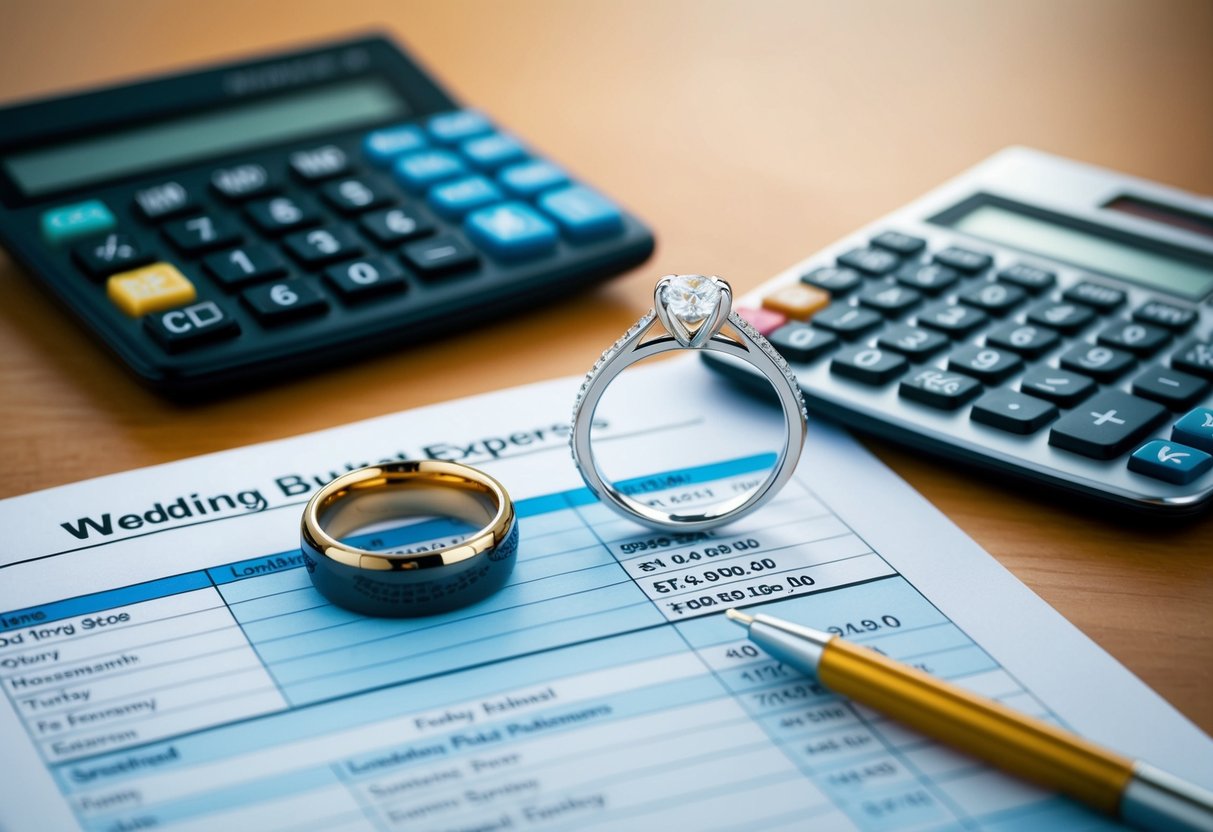
When planning for your wedding, it’s essential to consider how the cost of wedding rings fits into your overall budget. You’ll also want to think about how these expenses interact with other important costs, like pre-wedding events and the honeymoon.
Allocating Funds for Pre-Wedding Events
Before the wedding day, you may have several events, like the engagement party and rehearsal dinner. These gatherings can add up quickly.
Here’s a breakdown:
- Engagement party: Expect to spend around $200 to $500, depending on the venue and guest count.
- Rehearsal dinner: This usually costs $500 to $1,500, covering food and drinks for your guests.
You’ll want to set aside part of your budget for these events while keeping in mind that the cost of your wedding rings will also require allocation. Balance is key.
Balancing Ceremony and Attire Costs
The wedding ceremony typically involves various expenses, such as the venue, catering, and decorations. These costs can add up significantly.
For your attire:
- Wedding dress: $1,000 to $4,000
- Groom’s suit: $200 to $1,200
When planning, include your ring costs, which average about $550 for men and $1,100 for women. If your total ring cost is $1,500, that’s a critical part of your attire budget you don’t want to overlook. Make sure that these essentials fit comfortably within your overall spending plan.
Honeymoon Planning and Expenses
Don’t forget about your honeymoon! Setting aside funds for your dream getaway is equally important. Honeymoon costs can range widely, depending on your destination and length of stay.
Here’s what to consider:
- Budget for hotels and activities can vary from $1,000 to $5,000 or more.
- You can save money by booking in advance and researching deals.
The wedding rings are a significant investment, and alongside your honeymoon plans, these expenses should be thoughtfully integrated into your overall budget. This way, you won’t face any last-minute financial worries.