
Who Pays for a Wedding? Understanding the Financial Responsibilities Involved
Planning a wedding often comes with many questions, and one of the most common is about the cost. Today, many couples are taking on these costs themselves or splitting them with family. Understanding who pays for what can make the planning process smoother and help avoid potential conflicts.
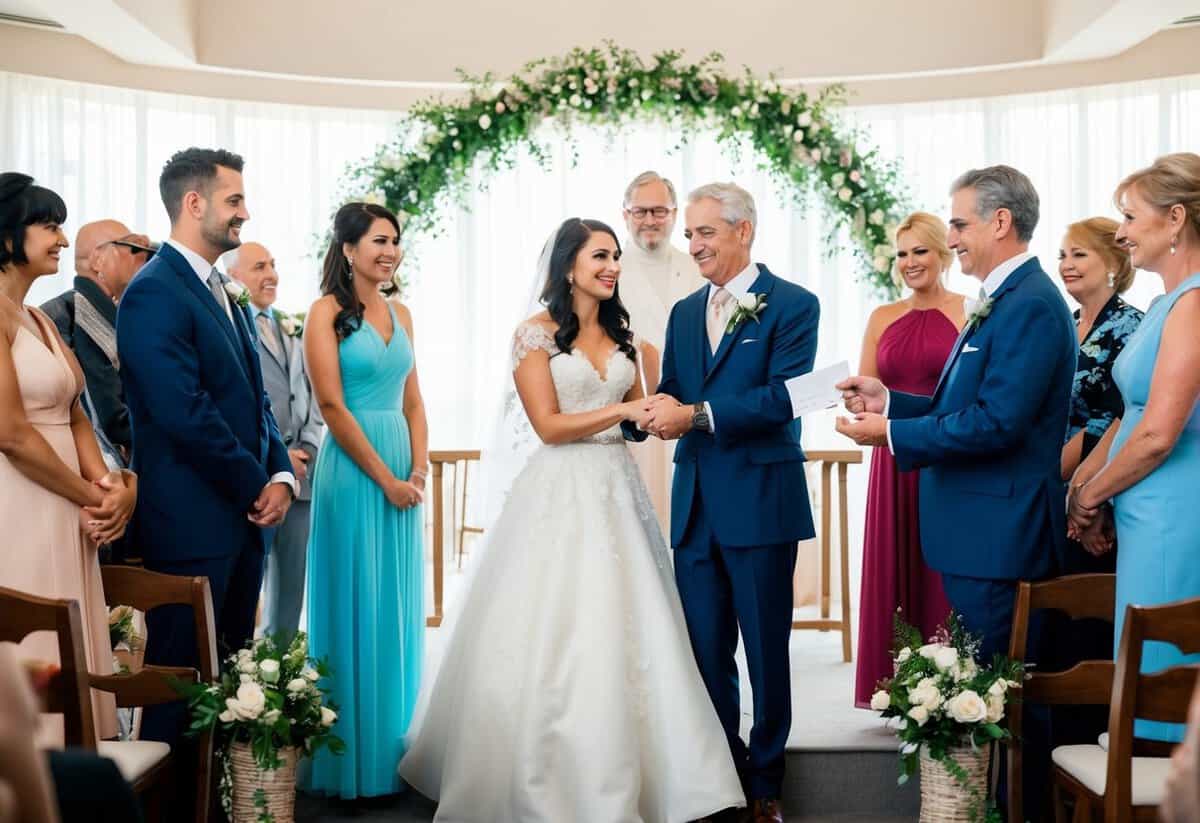
Wedding etiquette has changed over the years, and it’s important to consider your own situation. Some families may still follow traditional wedding norms, while others might create a budget that works for everyone involved. You may find that discussing finances openly with family members can lead to a better understanding of how to split the costs fairly.
Navigating the world of wedding expenses can be tricky, but being informed will help you feel more confident. As you plan your big day, consider all options for financing so you can focus on what really matters—celebrating your love with family and friends.
Understanding Wedding Budgets
Creating a wedding budget is essential for managing costs and reducing stress. It involves establishing the total amount you plan to spend and deciding how to allocate these funds effectively among various expenses. Below are key aspects to consider when planning your wedding budget.
Establishing the Wedding Budget
Start by determining a realistic budget based on your financial situation. Think about how much you and your partner can contribute. Also, consider if family members will help. Make a list of all potential income sources for the wedding.
Once you have a total, categorize your budget into key areas. Common expenses include the venue, catering, photography, and attire. This will give you a clear view of how to distribute your funds effectively and stay within your limits.
Allocating the Expenses
After setting your budget, it’s time to allocate expenses. Create a detailed list of items and services needed for your wedding. Typical categories include:
- Venue: Often one of the largest expenses.
- Catering: Food and drinks for guests.
- Photography/Videography: Capturing your special moments.
- Attire: Outfits for you and your bridal party.
- Flowers and Decor: Enhancing the venue’s appearance.
Estimate costs for each item and keep track of your spending. Use a spreadsheet or wedding budgeting tool to monitor your expenses closely. This will help you avoid overspending and identify areas where you can cut back.
Modern Variations in Financial Responsibility
Traditionally, the bride’s family covered most wedding costs. Today, couples often share expenses more equally. Understand that expectations can vary based on culture and personal situations.
Discuss financial responsibilities with each party involved. This might include parents, siblings, or even friends contributing in some way. Clear communication helps avoid misunderstandings and ensures everyone is on the same page about who pays for what.
In this modern age, some couples choose to fund their wedding entirely themselves. This can lead to greater flexibility in planning but may require careful budgeting and saving well in advance.
Traditional Roles and Responsibilities
When planning a wedding, knowing who pays for what can help you navigate expenses smoothly. Traditional roles for wedding payments involve both families contributing in different ways, along with bridal party expenses that come into play.
Bride’s Family Contributions
Traditionally, the bride’s family covers several key wedding expenses. These often include the venue, catering, and decorations. Your family might also take on the cost of the bride’s dress, which can be a significant expense.
Additionally, they usually pay for the bride’s bouquet and other floral arrangements. In some cases, they may cover the bridal party’s attire, ensuring everyone looks their best on your special day. This financial responsibility can help establish the tone and ambiance of the wedding.
Groom’s Family Contributions
The groom’s family also has important responsibilities. Typically, they fund the rehearsal dinner, which includes the venue, food, and drinks for attendees. This is a great time for both families to connect before the big day.
Your family might pay for the groom’s wedding band and any accessories he needs, such as cufflinks or ties. They may also provide gifts for the groomsmen as a token of appreciation for their support. These contributions help balance the financial aspects of the wedding.
Bridal Party and Groomsmen Expenses
Both the bridal party and groomsmen share some costs, though this varies based on personal choices. Generally, bridesmaids pay for their dresses, shoes, and hair and makeup. This ensures everyone matches the wedding theme.
Groomsmen often purchase their suits or tuxedos, which can impact their wallets. In some cases, you may opt to cover these costs as a thank you for their support. Both parties may also contribute to bridal showers or bachelor/bachelorette parties, adding to the shared experiences leading up to your wedding.
Key Components of Wedding Funding
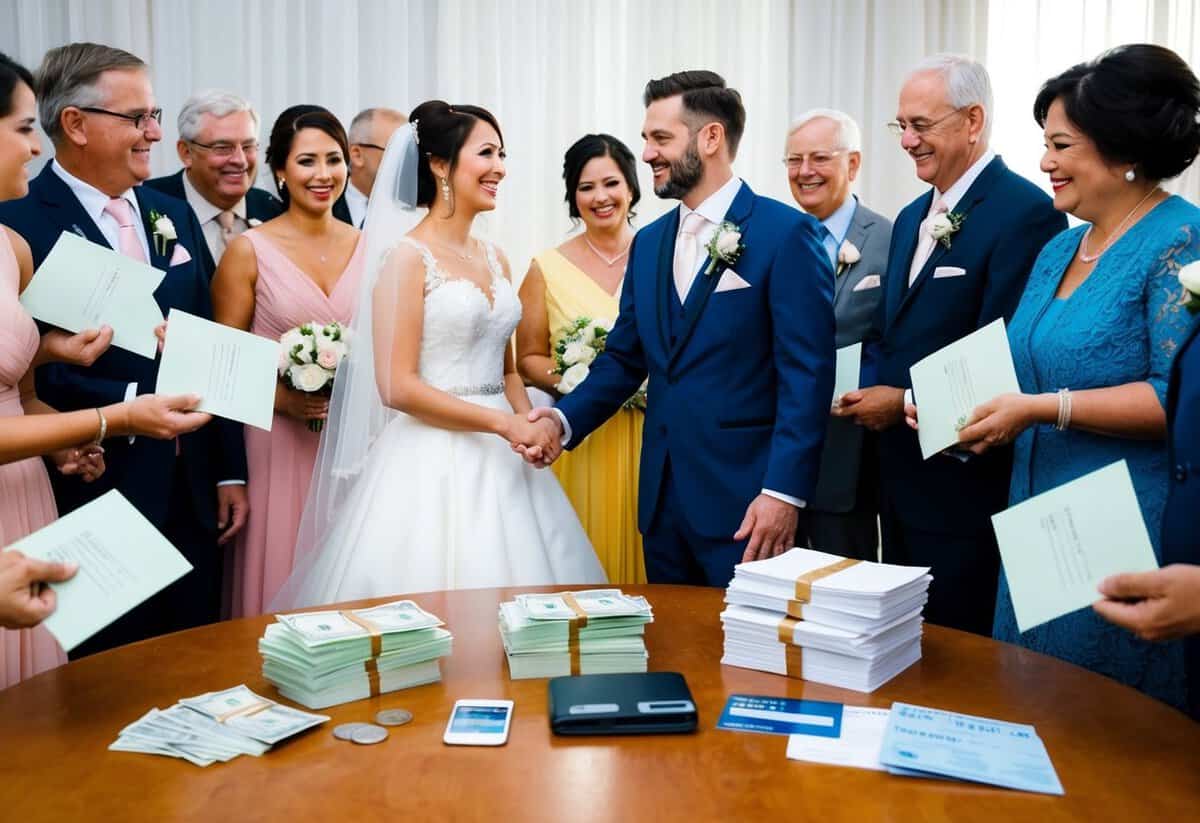
When planning a wedding, understanding who pays for various expenses is essential. Different families may contribute in various ways, focusing on specific areas of the celebration. Here’s a closer look at major wedding funding components.
Venue and Reception Costs
The wedding venue is often the biggest expense. Many couples choose to book a site for both the ceremony and the reception, which can be costly. The venue fee typically includes rental for the space, tables, and chairs.
Reception costs also add up. You’ll need to budget for food, drinks, and possibly staff. It’s common for the bride’s family to cover these expenses. However, many couples today opt for a collaborative approach where both families pitch in. Make sure to consider any additional costs like decor and setup.
Attire and Beauty Expenses
Your wedding attire plays a big role in your special day. The wedding gown is usually the highest individual expense. Prices can range from $1,000 to $3,000 or more. It’s wise to also budget for alterations to ensure the perfect fit.
Don’t forget about the groom’s attire as well. Typically, the groom’s family will cover his suit and accessories. Both you and your partner may also want to consider hair and makeup services. These can enhance your look and are often essential for the big day.
Additional Celebratory Events
Other events surrounding the wedding also require funding. An engagement party is a lovely way to celebrate; this is often hosted by the bride’s family. The rehearsal dinner is usually paid for by the groom’s family, providing a chance to gather family and close friends before the big day.
Bachelor and bachelorette parties are also part of the celebration. These costs can vary widely, often depending on the group’s plans. Each party’s expenses can be shared among attendees or covered by the bridal party and close friends. Planning ahead helps ensure that everyone is on the same page.
Ceremony and Celebration Details
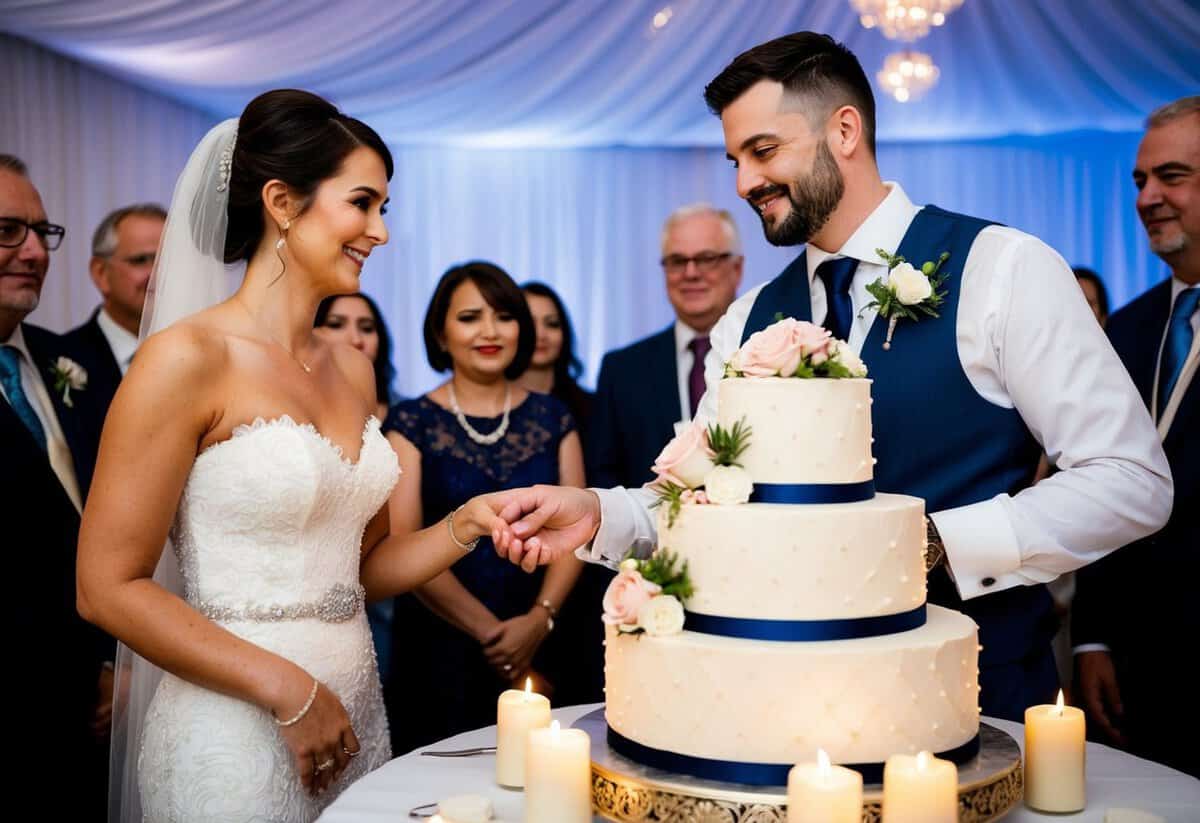
When planning your wedding, the ceremony and celebration details play a crucial role. This includes everything from invitations to food and decor. Paying attention to these elements helps create the perfect atmosphere for your big day.
Invitations and Stationery
Wedding invitations set the tone for your celebration. They should reflect your style and the theme of the wedding. Choose elegant designs that catch the eye and include essential details such as the date, venue, and RSVP information.
In addition to invitations, consider save-the-date cards, programs, and thank-you notes. Ensure that the stationery is cohesive in style and color. This can enhance your wedding’s overall aesthetic. You can also personalize your invitations with custom artwork or monograms to make them special.
Photography and Videography
Capturing memories is vital, so hiring a skilled wedding photographer and videographer is a must. Look for professionals whose style matches your vision. Review their portfolios to ensure they can capture key moments beautifully.
Make a list of important shots you want, like family portraits and candid moments. Discuss these with your photographer beforehand. Also, consider if you want a highlight video or full wedding film to relive your day later.
Investing in quality photography and videography will allow you to cherish those memories for years to come.
Food, Cake, and Decor
The food you offer can greatly enhance your guests’ experience. Consider a mix of appetizers, main courses, and desserts that cater to various dietary needs. A good caterer can help you arrange a delicious spread.
When it comes to the wedding cake, choose a flavor that you love. Decorate it to match your theme, including flowers or unique cake designs.
Don’t forget about flowers and decorations. Floral arrangements should complement your color scheme and enhance the ceremony space. Think about centerpieces, aisle decor, and bouquets. Everything should come together to create a beautiful atmosphere for your celebration.