
Who Pays for an Indian Wedding in the UK? Understanding the Financial Responsibilities
One big question often arises when planning an Indian wedding in the UK: who typically pays for the wedding? This tradition is part of the cultural customs that shape Hindu weddings and many other Asian wedding celebrations. Understanding who pays can help you make budget decisions and navigate the planning process more smoothly.
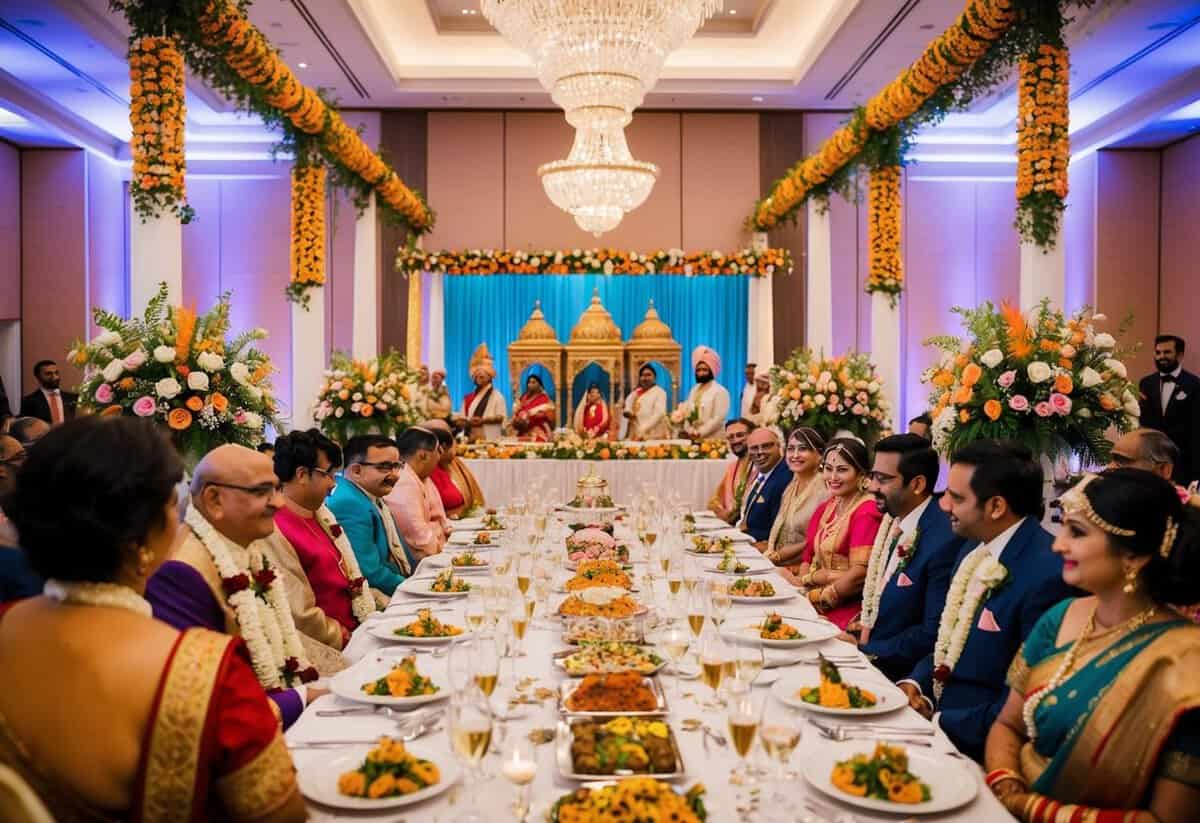
In Indian culture, weddings are grand occasions filled with vibrant celebrations and rituals that can last for several days. While the bride’s family traditionally covers most costs, it’s not uncommon for both families to contribute, especially if they want to honor their cultural traditions. This shared responsibility can create a collaborative spirit, helping to bring families together during this important time.
As you dive into planning your Indian wedding, knowing the expectations around financial responsibilities can ease some of your stress. Each wedding is unique, so discussing budgets openly with family members early on will ensure that everyone is on the same page and ready to celebrate this special occasion together.
Traditions and Expenses
Indian weddings in the UK are filled with vibrant traditions and rituals that can lead to significant expenses. Understanding these cultural aspects and financial responsibilities can help you plan better.
Cultural Significance of Wedding Rituals
Each wedding ritual carries deep cultural meaning. The engagement ceremony marks the beginning of the journey, celebrating the couple’s commitment. Next comes the mehndi ceremony, where intricate henna designs are applied to the bride’s hands, symbolizing joy and good luck.
During the sangeet, both families come together for music and dance, making it a festive occasion. The wedding ceremony itself involves various rituals like the saat phere, where the couple takes seven vows. These traditions are not just events; they are the essence of the celebration, reflecting your heritage and family values.
Breakdown of Wedding Costs
The costs of an Indian wedding can vary significantly based on personal choices and locations. Here’s a general breakdown:
- Venue: Depending on the location, renting a venue can range from £5,000 to £20,000.
- Catering: Expect to spend around £30 per person, which adds up quickly with many guests.
- Attire: The bride’s lehenga can cost between £5,000 and £15,000, while the groom’s sherwani may be around £2,000 to £5,000.
- Decorations and Entertainment: You might need another £5,000 to £10,000 for vibrant decorations and live entertainment.
These costs can add up fast, making it critical to budget wisely.
Understanding Financial Responsibilities
Traditionally, the bride’s family covers most wedding expenses, including the venue, attire, and catering. However, many couples today prefer to share these costs more evenly with the groom’s family.
It’s essential to discuss these financial responsibilities early on. Create a clear budget together to avoid misunderstandings. This way, both families can contribute to making the wedding day memorable without the stress of unexpected expenses.
Planning and Budgeting
Planning an Indian wedding in the UK requires careful budgeting and smart choices. It’s essential to set a realistic budget, choose the right planner, and look for ways to save. Here’s how you can navigate these important steps.
Setting the Wedding Budget
Start by writing down all possible costs. Include items like venue rental, catering, decorations, photography, videography, entertainment, accommodation, and transportation.
A typical Indian wedding can be expensive, often ranging from £60,000 to £150,000 in London. Meeting with family can help determine how much everyone can contribute.
Use a budget planning tool or a spreadsheet to track expenses. Allocate specific amounts to each category and stick to them as closely as possible. Regular budget checks are crucial. This way, you avoid overspending surprises later.
Choosing the Right Wedding Planner
An experienced wedding planner can simplify the planning process. Research planners who specialize in Indian weddings, as they understand cultural specifics.
Ask for recommendations or check reviews. A good planner will be responsive and offer a range of services, from vendor coordination to budget management.
Discuss your vision and customize a package that fits your budget. Planners can also help you negotiate with venues and vendors, which can save you money.
Cost-Saving Tips for Wedding Planning
There are many ways to cut costs without compromising your dream wedding. Start by considering off-peak seasons for better venue rental rates.
Decorative items can be rented instead of purchased, which can save money. Consider combining your photography and videography services into one package. This is often cheaper than hiring them separately.
Look into local Asian wedding venues in the UK that may offer package deals. Additionally, ask friends or family to assist with DIY decorations. Even a little help can go a long way. Finally, manage your guest list carefully; fewer guests mean lower catering and accommodation costs.
Key Elements of a Wedding
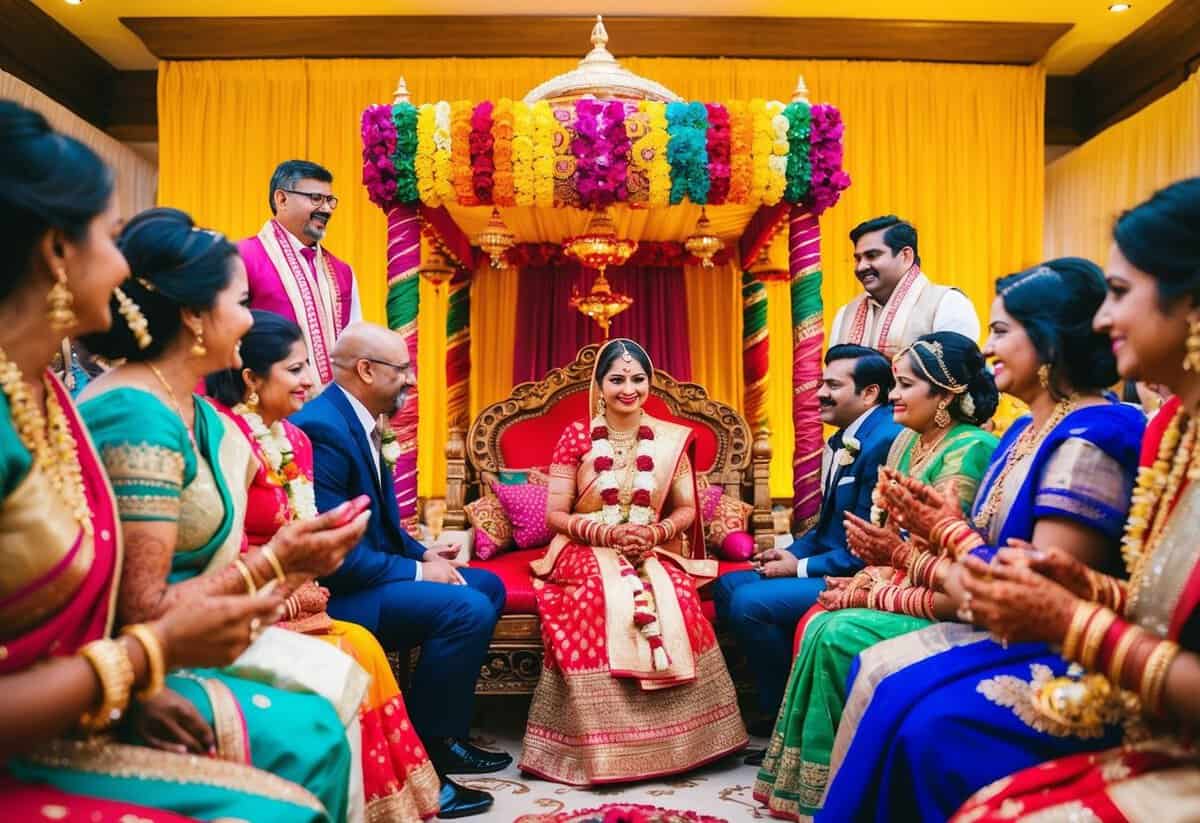
Planning an Indian wedding involves careful attention to detail in several key areas. Selecting the right venue, designing decorations, and creating a delightful guest experience play crucial roles in making your celebration memorable.
Selecting the Perfect Venue
Choosing the right wedding venue is vital for setting the scene. Look for Asian wedding venues that can accommodate your guest list comfortably. This may include banquet halls, outdoor gardens, or unique locations that reflect your style.
Consider the venue’s capacity, accessibility, and amenities. You’ll also want to think about accommodations and transportation for guests traveling from afar.
Select a location that offers a festive atmosphere, as this can enhance your celebration’s spirit. Make sure to book early to secure your date!
Designing Memorable Decorations
Decorations bring your vision to life and transform the venue. Focus on wedding decor that captures the essence of Indian culture. Use vibrant floral arrangements, elegant drapes, and appealing lighting to create an inviting space.
Think about incorporating traditional elements, such as colorful fabrics or themed centerpieces. Hiring a decorator or planning DIY projects can help you stick to your budget.
Remember, the decor sets the tone for the entire event. You want it to feel festive and aligned with your theme.
Crafting the Guest Experience
Your guests are the heart of your wedding celebration. Plan for an enjoyable experience with thoughtful touches.
Consider starting with a well-planned catering service that offers a variety of delicious dishes to please everyone’s palate.
Entertainment is also a crucial aspect. You might hire DJs, live bands, or even showcase Bollywood dance performances to keep the excitement alive.
Activities that engage your guests and encourage them to participate will create lasting memories. Ensure that there are options for relaxation and socializing as well.
Attire and Appearance
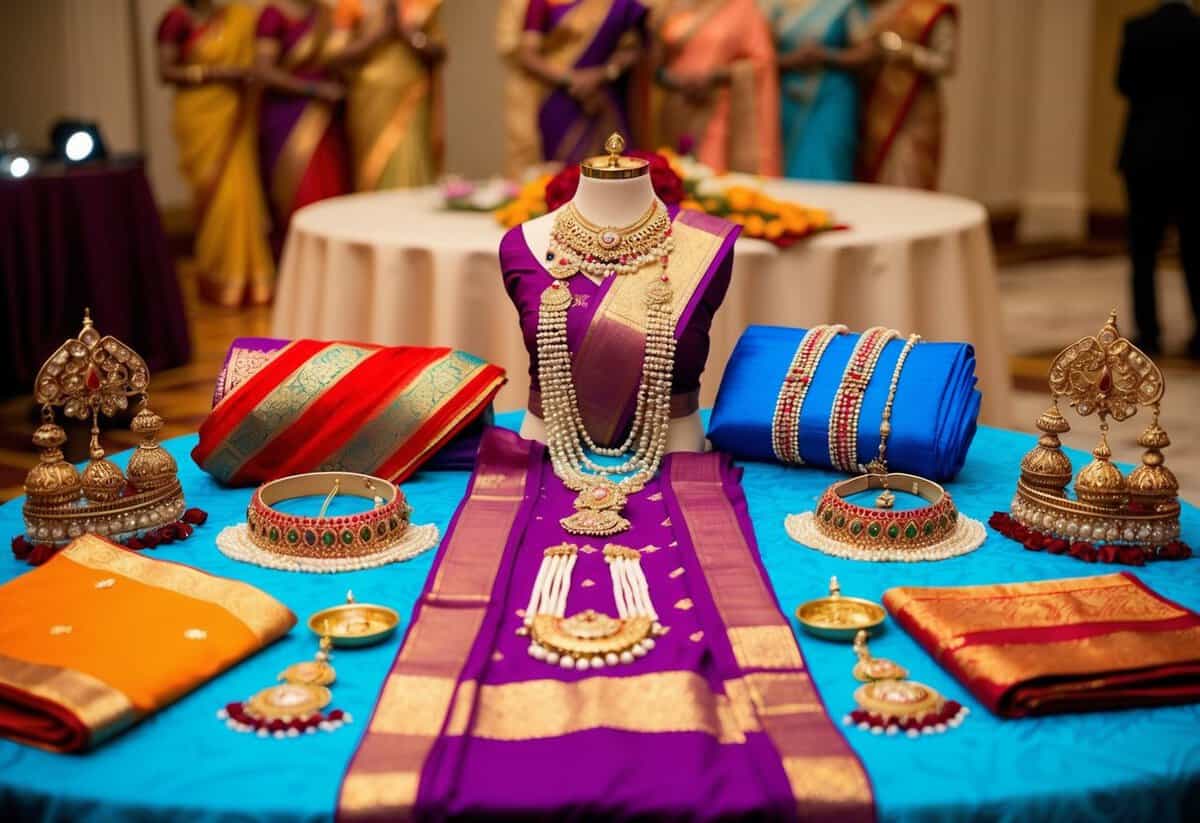
The attire you choose for your Indian wedding plays a vital role in creating a memorable celebration. From the stunning bridal dress to the groom’s outfit, ensuring everyone looks their best will enhance your wedding experience. Let’s explore the key aspects of wedding attire, focusing on the bride, groom, and entire wedding party.
Choosing the Bridal Attire
For your bridal attire, a lehenga is a popular choice. These embellished outfits come in various fabrics and styles, making them perfect for a traditional Indian wedding. If you’re looking for something custom, consider a designer lehenga that reflects your unique taste.
Don’t forget to include matching jewellery and accessories. This could be a beautiful necklace set, bangles, or even a maang tikka.
Attending a mehndi party before the wedding is common, where intricate henna designs are applied to your hands and feet. This tradition adds to your overall look and connects you with cultural customs.
Dressing the Groom Appropriately
When it comes to the groom, a sherwani is typically the go-to outfit. This long coat-like garment is often paired with a churidar or dhoti, and it comes in various materials and shades.
You can choose a sherwani with heavy embroidery or subtle designs, depending on your style. Don’t forget about accessories!
The groom can enhance his look with a turban, which adds a regal touch, and statement jewellery pieces. Ensure that his outfit complements your bridal attire to create a cohesive appearance for the day.
Coordinating the Attire of the Wedding Party
Coordinating the attire of your wedding party is essential for a unified look.
Consider outfits for bridesmaids and groomsmen that match or complement your choice of lehenga and sherwani.
Bridesmaids might wear ethnic dresses like anarkalis or sarees to align with your bridal look.
For groomsmen, matching sherwanis or kurta sets will create that traditional vibe. Make sure to factor in seasonal styles and comfort, as everyone will want to enjoy the festivities.
Planning for attire involves so much more than just picking outfits. It’s about honoring traditions while ensuring everyone feels comfortable and stunning.