
Who Pays for Bridesmaid Dresses and Makeup? Understanding Expenses in Wedding Planning
Weddings are exciting, but they also come with many questions, especially about costs. Typically, the couple, especially the bride, is expected to cover the expenses for bridesmaid dresses and hair and makeup. This arrangement helps ensure that all members of the bridal party look their best while keeping things manageable for bridesmaids.
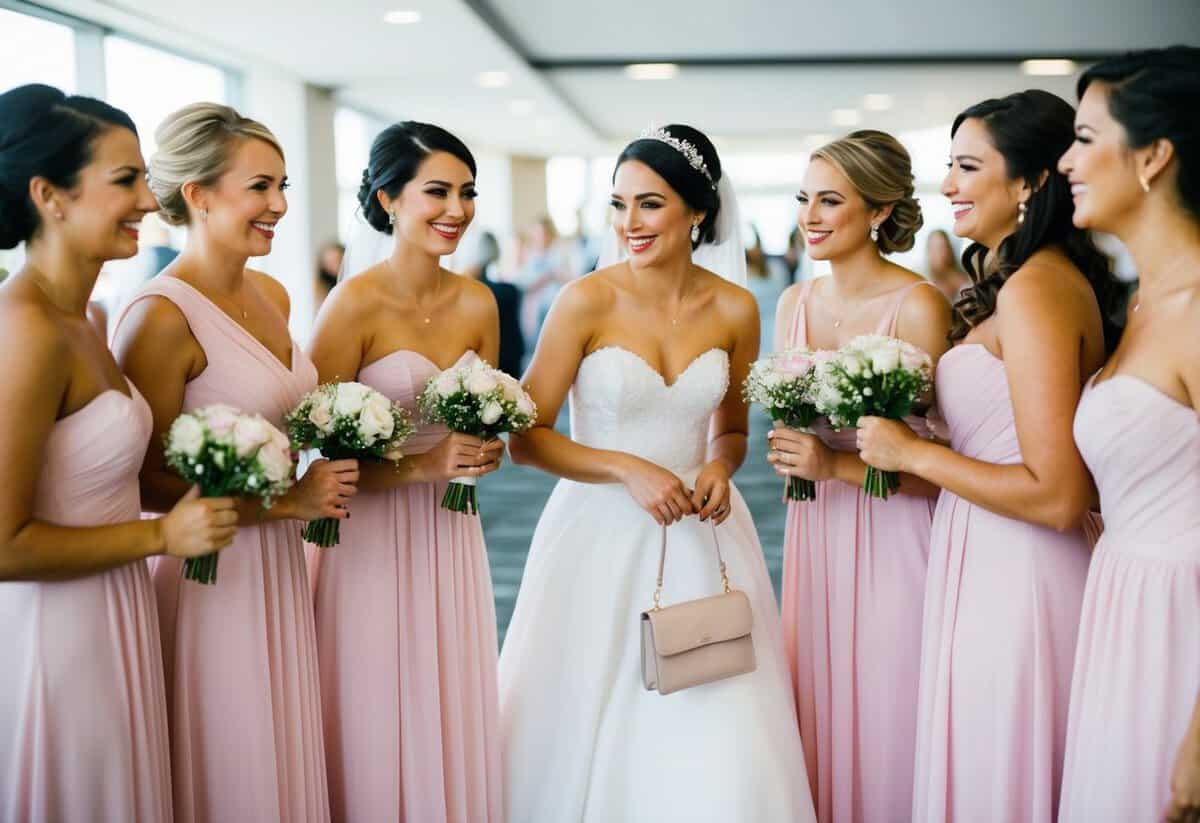
Understanding who pays for what can take some of the pressure off. While traditions lean towards the bride footing the bill for these costs, some bridesmaids may choose to contribute or cover their own expenses. It’s always a good idea to discuss financial responsibilities ahead of time to avoid any surprises.
Planning a wedding requires teamwork, and open conversations about costs can make the process smoother. This article will help you navigate the financial expectations surrounding bridesmaid dresses and makeup, ensuring everyone is on the same page and ready to celebrate.
Traditional Roles and Responsibilities
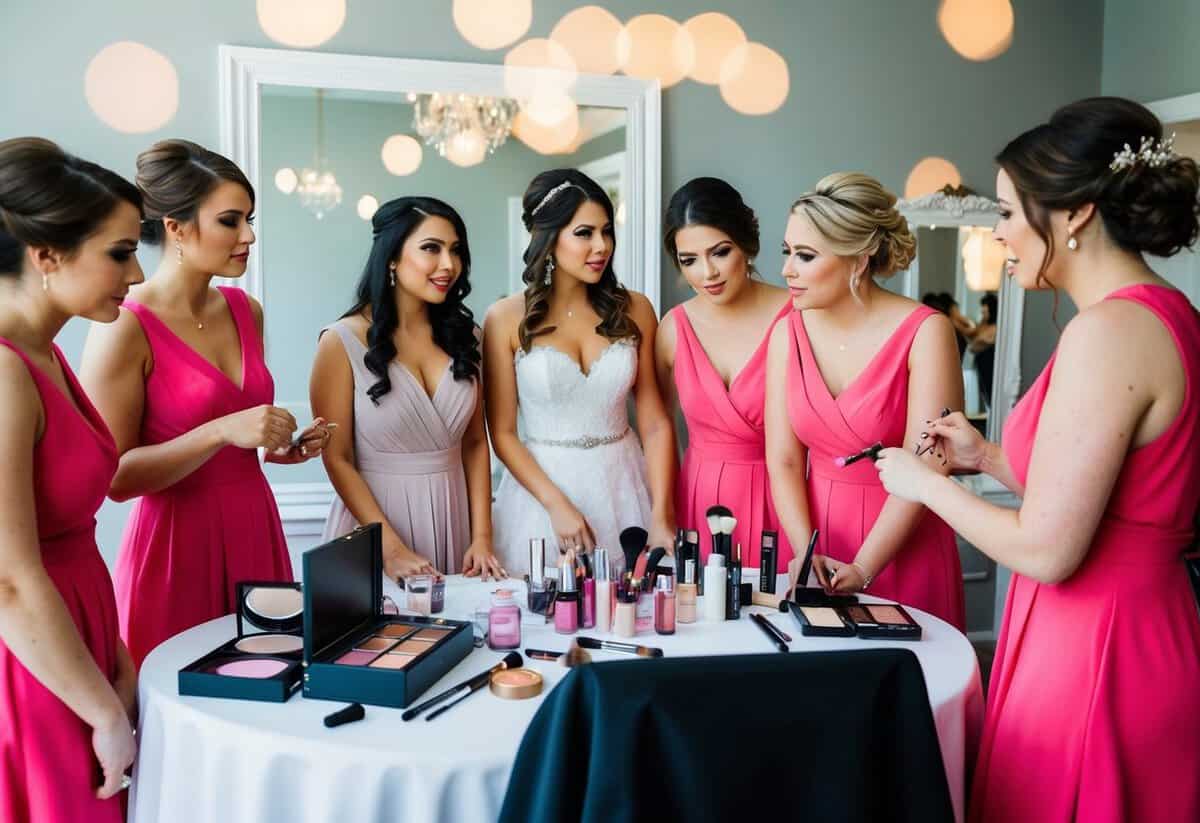
Understanding traditional roles can help you navigate the financial expectations of being a bridesmaid. Who pays for bridesmaids’ dresses and makeup often comes down to established etiquette and the relationships involved.
Wedding Etiquette Basics
Traditionally, bridesmaids pay for their own dresses and accessories. This means that you are responsible for items like shoes, jewelry, and sometimes hair and makeup. The costs can add up, so it’s important to have a clear discussion with the bride about expectations.
In some modern scenarios, the bride may offer to help cover costs or provide a budget for the dresses. This sharing approach helps ease financial stress for bridesmaids. Remember, communication is key, so talk openly about what works best for you and the other bridesmaids.
Bridesmaid Costs Breakdown
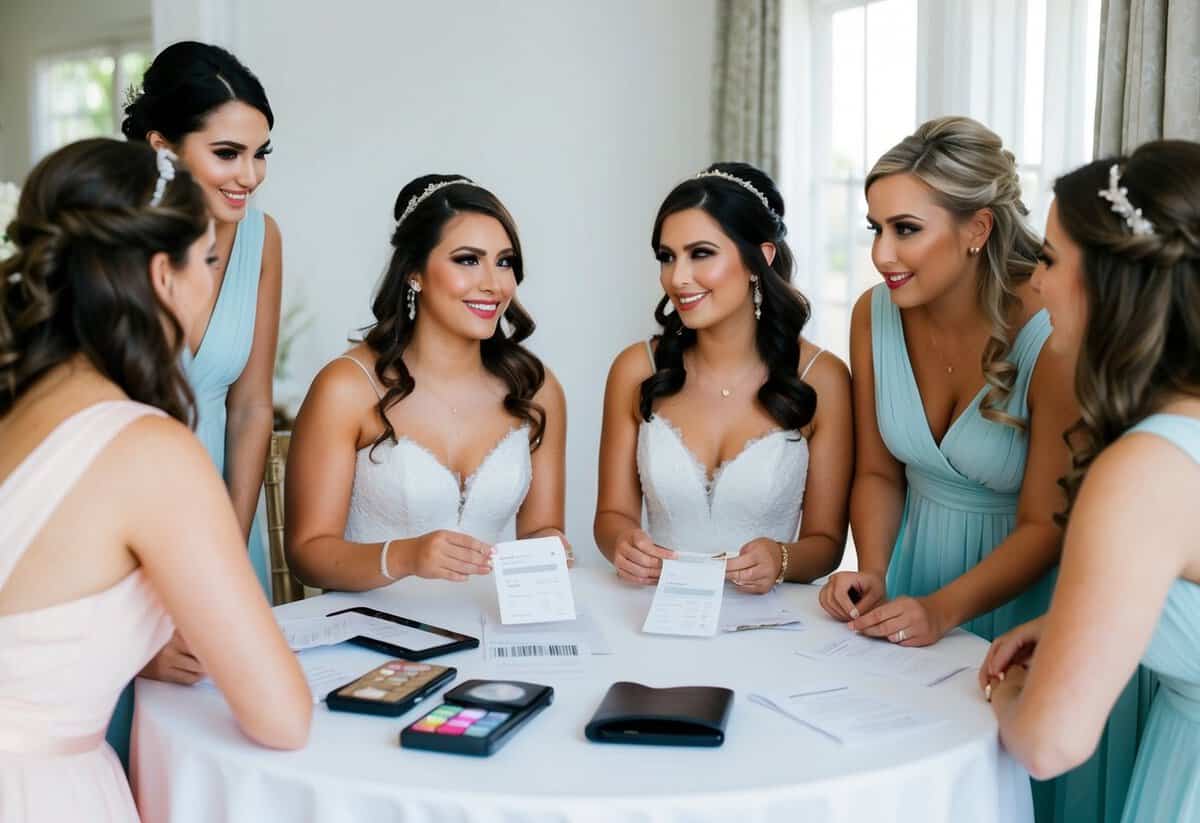
Being a bridesmaid can come with several expenses. Understanding these costs can help you prepare financially for your role in a wedding. Let’s explore what you might need to budget for.
Understanding Bridesmaid Expenses
As a bridesmaid, your expenses can vary greatly based on the couple’s choices. Key costs often include the bridesmaid dress, alterations, and travel.
-
Bridesmaid Dress: The cost of the dress is typically one of your main expenses. On average, you might pay anywhere from $100 to $300 or more, depending on the designer and style chosen by the bride.
-
Alterations: Most dresses need a few adjustments for the perfect fit. Alteration costs can add an extra $50 to $100 to your total.
-
Travel: If the wedding is out of town, consider transportation and lodging. Make sure to factor in these costs as well as any pre-wedding events you will attend.
Attire and Preparation Costs
Beyond the dress, there are costs related to hair and makeup. Many brides prefer their bridal party to look uniform and polished.
-
Bridesmaid Hair and Makeup: The couple may cover these expenses, or you may need to pay for them yourself. Professional services can range from $100 to $200 per person.
-
Accessories: Don’t forget to budget for matching accessories, such as shoes, jewelry, or bags. These can add another $50 to $100.
Being aware of these costs helps you plan ahead. Communicating openly with the bride can also clarify who is responsible for which expenses.
Handling Special Situations
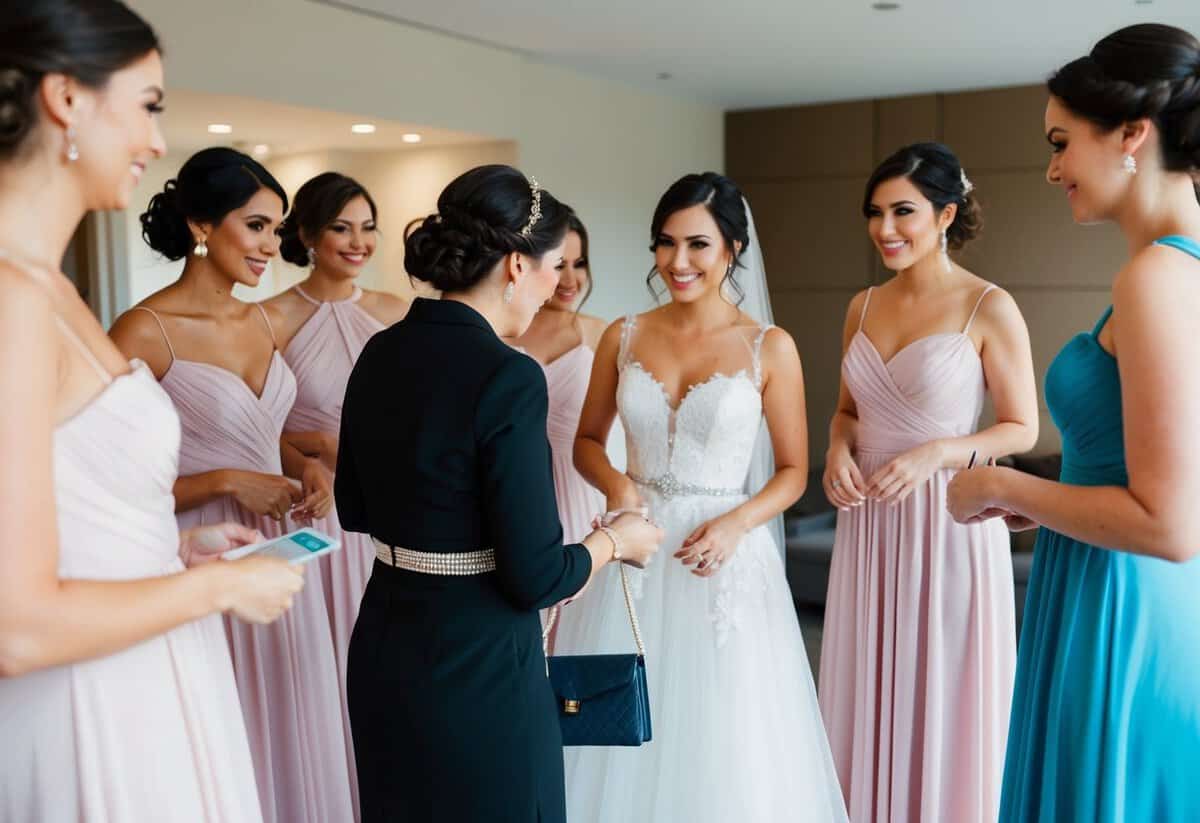
When planning for bridesmaid costs, special situations can arise that may affect expenses. Understanding these scenarios will help you navigate them smoothly and keep everyone comfortable.
Destination Weddings and Extra Costs
Destination weddings often come with added costs that can surprise bridesmaids. Travel expenses, accommodations, and meals during the trip can quickly add up.
You should have an open discussion with the bride about how these costs will be handled. Will she cover any of these expenses, or will they be fully covered by the bridesmaids?
It’s a good idea to create a shared budget to make everything clear. Be sure to account for costs like group outings or excursions too. If you plan to organize activities, it can help to discuss the financial impact beforehand.
Gifts and Group Events
Bridesmaids typically participate in various events, such as bridal showers and bachelorette parties. You may find that you need to contribute to gifts or cover costs for gathering activities.
For bridal showers, splitting the cost of the gift can be a good option. Consider pooling together for a more meaningful present.
For the bachelorette party, discuss who is responsible for what costs. Will you be sharing expenses for activities, meals, or accommodations? This makes planning easier and keeps everyone on the same page about the budget and expectations.
Budgeting and Communication
When planning for bridesmaid dresses and makeup, budgeting and clear communication are key. You want everyone involved to feel comfortable with the expenses and decisions. Discussing what to expect financially helps set the tone for a fun and enjoyable experience.
Discussing Financial Expectations
Before making any purchases, have an open discussion about costs. Bring up the average price of bridesmaid dresses and makeup services so everyone understands what to expect.
Consider creating a shared document or group chat where everyone can express their thoughts. Be sure to talk about the wedding budget and how much each person is willing to spend.
This helps avoid surprises later. If someone is concerned about costs, find alternatives together. For instance, you might choose more affordable bridesmaid bouquets or hairstyles. Transparency is important to keep everyone happy.
Planning for Everyone’s Budget
Planning should include everyone’s financial situation. Start by asking each bridesmaid about what they can comfortably afford.
You might create a simple list like this:
- Bridesmaid Dress: $120–$200
- Hair Styling: $80–$150
- Makeup: $70–$130
After you gather input, compare expenses and adjust your plans accordingly. Offering different options allows flexibility. If hiring a professional for hair and makeup is too much, consider DIY options or group discounts.
Keep communication open as plans evolve. This ensures everyone remains on the same page and can enjoy the process without financial stress.