
Who Pays for Bridesmaids Dresses? Understanding the Costs Involved
Planning a wedding can be a thrilling yet overwhelming experience, especially when it comes to the details of the wedding party. One common question that arises is who pays for bridesmaids’ dresses.
Typically, bridesmaids are expected to cover the cost of their own dresses, but this can vary based on the couple’s financial situation and wedding etiquette.
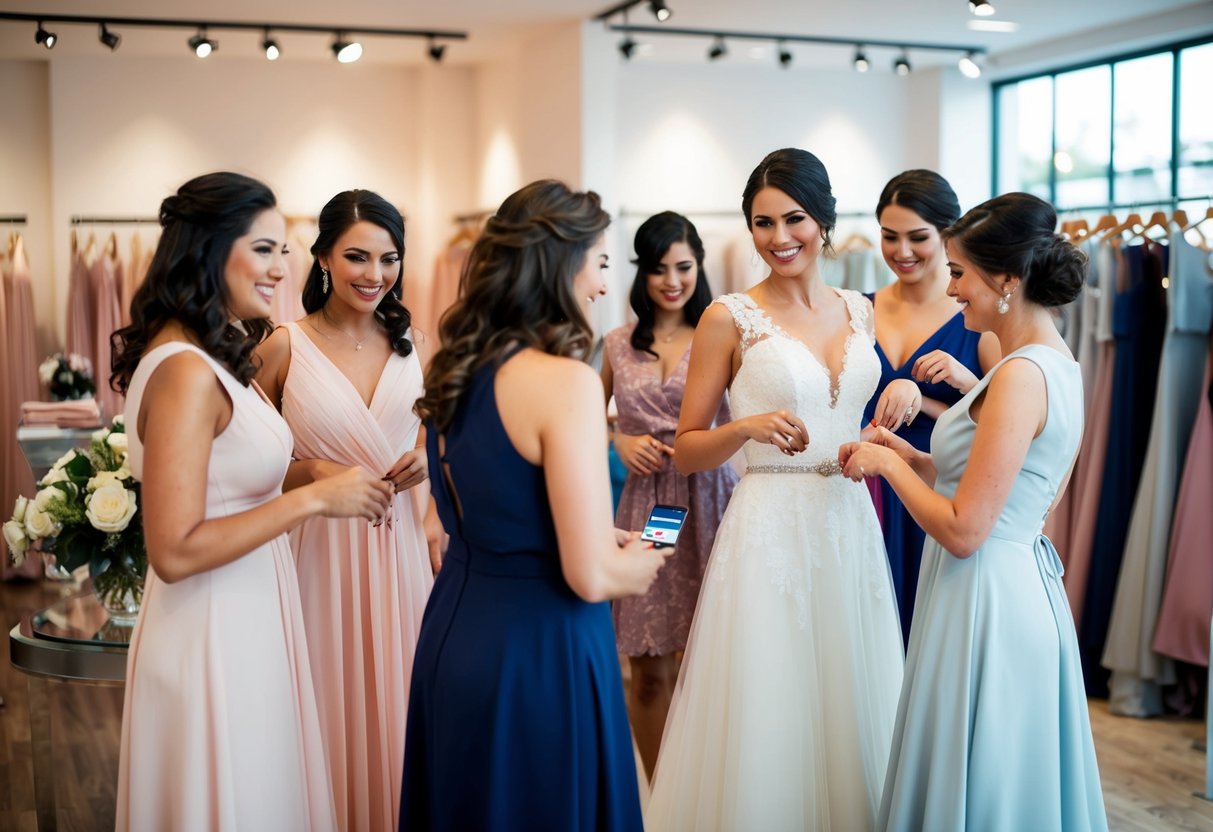
Many brides aim to create a beautiful vision for their big day, which often includes choosing specific styles and colors for their bridesmaids. While it’s common for bridesmaids to pay for their dresses, some brides may offer to help with costs, especially for those facing financial challenges. This conversation about finances can help set clear expectations and avoid misunderstandings.
Understanding these financial responsibilities is key for both brides and bridesmaids. As you navigate these decisions, it’s important to communicate openly to ensure everyone feels comfortable and valued in their roles.
Understanding Bridesmaids’ Financial Responsibilities

When you become a bridesmaid, it’s important to know what financial responsibilities come with the role. These costs can add up quickly, so understanding what you may need to pay for helps you plan your budget.
Bridesmaids’ Role and Expenses
As a bridesmaid, you support the bride on her special day, but this role comes with certain expenses. You often pay for your dress, which can range from $100 to over $800. Additionally, you may need to buy accessories like shoes, jewelry, and even pay for your hair and makeup.
Don’t forget about travel costs, especially for destination weddings. If you have to stay overnight or book flights, those expenses need to be factored into your budget. Attending pre-wedding events like the bridal shower or bachelorette party may also require additional spending, making it crucial to keep track of all costs to avoid surprises.
Traditional Wedding Etiquette
Traditionally, the bride’s family foots the bill for the bridesmaids’ dresses. However, each situation can differ based on family customs and preferences. It’s good practice to discuss costs openly with the bride and other bridesmaids early on.
This communication can help everyone manage their budgets more smoothly. If the bride expects you to pay for your dress, it’s essential to know so you can prepare financially. Remember that discussing financial responsibilities is part of good wedding etiquette.
Modern Practices and Expectations
In recent years, there has been a shift in how brides and bridesmaids handle financial responsibilities. Many brides now understand the burden that comes with being a bridesmaid and may offer to help cover some costs, such as the dress.
Some brides opt for budget-friendly options like renting dresses or selecting less expensive styles to help ease the financial strain. Consider talking with the bride about her vision and budget preferences. This openness can make the process more enjoyable for everyone involved, allowing you to share in the wedding experience without added stress.
Who Typically Pays for Bridesmaid Dresses?

When you’re planning a wedding, understanding who pays for bridesmaid dresses can help manage expectations. Costs can vary based on traditions and current practices. Here’s a closer look at how these expenses are handled.
Historical Perspective on Attire Costs
Traditionally, the bride was expected to cover the cost of bridesmaid dresses. This practice symbolized her appreciation for their support. However, as weddings evolved, so did these customs. In many cases today, it has become standard for bridesmaids to pay for their own dresses.
This shift reflects changes in social norms. With budgets becoming tighter, you might find more brides opting to let their bridesmaids choose dresses within a specified color or style. This allows for personal preference while keeping costs manageable.
Current Trends in Wedding Attire
In modern wedding practices, it’s common for bridesmaids to pay for their own dresses. As you navigate planning, keep in mind that many brides set a budget for these outfits. You may even find that brides offer to help cover costs if their bridesmaids are students or facing financial difficulties.
Brides often encourage their friends to choose dresses they feel comfortable in while sticking to a cohesive look. This approach can foster a supportive environment and ensure everyone feels good in their attire.
It’s important to communicate openly about costs. This way, you can set realistic expectations for what’s required as you prepare for the big day.
Planning and Communication

When planning for bridesmaids’ dresses, clear communication and budgeting are essential. Understanding financial responsibilities can help avoid misunderstandings among the bridal party.
Budgeting for Wedding Expenses
Start by setting a realistic wedding budget. Include all costs related to the bridal party, such as dresses, accessories, and alterations. Consider factors like the number of bridesmaids and the style of the dresses you want.
You might decide to allocate a specific amount per dress. For example, if you set a budget of $200 per dress, communicate this to your bridesmaids upfront. This way, they can choose a dress within the limit.
Additionally, many brides choose to offer assistance if a bridesmaid is facing financial difficulties. This gesture can help everyone feel more comfortable during the planning process. Being honest about your financial situation is important.
Open Dialogue Between Brides and Bridesmaids
Fostering an open dialogue between you and your bridesmaids is critical. From the beginning, encourage your bridesmaids to express their thoughts and concerns. This creates a supportive atmosphere where everyone feels included.
When discussing dress options, ask for feedback. Sharing ideas about color and style can make the selection process more enjoyable. Your bridesmaids may have suggestions that fit within the budget.
Make sure to check in regularly about the planning. This keeps everyone informed and reassures your bridesmaids that their opinions matter. By maintaining an open line of communication, you pave the way for a smoother experience.
Tips for Managing Bridesmaid Dress Costs

Being a bridesmaid can be a big financial commitment. Here are some friendly tips to help you manage costs.
Set a Budget
Talk with the bride early about how much everyone can spend. This way, you can find dresses that fit within everyone’s budget.
Choose Simple Styles
Consider opting for dresses that are less elaborate. Simple styles often cost less and can be worn again.
Shop Sales and Discounts
Keep an eye out for sales and discounts. You can find great deals on dresses during certain times of the year.