
Who Pays for Daughter’s Wedding in the UK? Understanding Traditions and Modern Practices
When it comes to weddings in the UK, a common question arises: who pays for the daughter’s wedding? Traditionally, the bride’s parents have often covered the majority of the costs. However, modern practices are changing how families approach this financial aspect.

As you navigate wedding planning, understanding these shifts in tradition can help set expectations and ease any potential stress. While wedding etiquette still holds a place in society, many couples today are opting for shared expenses or even covering the costs themselves.
This evolving landscape offers a chance to create a wedding that reflects both your values and financial capabilities. You may be surprised by how flexible and collaborative the process can be!
Understanding UK Wedding Costs
Planning a wedding involves understanding various expenses and how these costs are shared among families. Knowing who pays for what can help ease financial stress during preparations.
Division of Expenses
Traditionally, the bride’s family covered most of the wedding expenses. This included the ceremony, reception, and a few other costs. Nowadays, the financial responsibility has shifted.
Now, it’s common for all parties to contribute. The couple often takes on some costs to make the day personal and affordable. Responsibilities can include:
- Bride’s Family: Reception, flowers, and invitations
- Groom’s Family: Rehearsal dinner and attire
- Couple: Honeymoon and personal expenses
Discussing these details early on can help avoid confusion. Aligning with everyone’s expectations will make planning smoother.
Average Wedding Budget
The average cost of a wedding in the UK is around £20,700. Many couples spend over £15,000, which can be a daunting number. Here’s a simple breakdown of typical costs:
- Venue: 30%
- Catering: 25%
- Photography and Videography: 10%
- Attire: 8%
- Flowers and Decorations: 10%
Understanding these costs can help you pinpoint where to allocate your budget. If the expenses seem overwhelming, keep in mind that simpler weddings can still be beautiful and memorable. Open conversations about budgeting with family and friends can help ease the financial burden.
Roles and Responsibilities

When planning a wedding in the UK, understanding the roles and responsibilities of each family is important. Traditionally, certain expenses are divided, but many modern couples choose to share costs in flexible ways. Below are details on contributions from both the bride’s and groom’s families.
Bride’s Family Contributions
Traditionally, the bride’s family has taken on significant expenses. This often includes the wedding dress, which can be a major cost. The bride’s parents may also contribute to the overall wedding budget, covering expenses like the venue and catering.
In addition, the bride’s family typically pays for the engagement party and possibly the wedding rings. While these costs can be considerable, you might see variations today. Many couples now split costs to fit their financial situation.
Key expenses the bride’s family may cover:
- Wedding dress
- Engagement party
- Wedding rings
- Reception costs
Groom’s Family Contributions
The groom’s family is also expected to contribute, although their responsibilities have changed over time. Traditionally, they might pay for the rehearsal dinner and the officiant’s fees.
In today’s weddings, it is common for the groom’s family to assist with reception costs or even cover the honeymoon expenses. Couples often discuss and decide who pays for what based on their financial capabilities and preferences.
Key expenses the groom’s family may cover:
- Rehearsal dinner
- Officiant’s fees
- Reception costs
- Honeymoon contributions
By including everyone in the process, you can make planning more enjoyable and less stressful.
Planning and Execution

Planning a wedding can feel overwhelming, but breaking it down into steps makes it manageable. A wedding planner can help guide you, while preparing a guest list and choosing a venue are essential tasks that lay the foundation for your special day.
Hiring a Wedding Planner
When you hire a wedding planner, you gain a knowledgeable partner. They can assist you in budgeting, vendor selection, and timelines, making everything smoother. Look for planners with positive reviews and experience in handling weddings similar to yours.
Before committing, schedule a meeting to discuss your vision and budget. A good planner will also understand your preferences and suggest customized options. Remember, a planner can also handle logistics like guest accommodation and transportation for out-of-town guests, ensuring a seamless experience.
Preparing the Guest List
Creating a guest list is one of the most significant aspects of wedding planning. Start by listing close family and friends, then expand to colleagues and acquaintances. Ensure you discuss the list with your family, especially if they are contributing financially.
Prioritize your guests by grouping them into categories: must-invite, nice-to-have, and those you can skip if needed. This can help you manage your numbers and accommodate the venue capacity. Be sure to keep track of RSVPs, as they will help finalize seating arrangements later.
Choosing the Venue
Choosing the perfect venue is crucial for your wedding day. Consider locations that align with your theme, whether it’s a traditional church, a scenic outdoor spot, or a vibrant reception hall.
Make a list of potential venues and visit them in person. Pay attention to guest capacity, available dates, and included amenities. Also, assess locations for accessibility and accommodation options for your guests.
Once you’ve found a venue that feels right, review the contract carefully. Look for any hidden fees and clarify what is included. Your venue sets the stage, so choose wisely!
Wedding Elements and Details
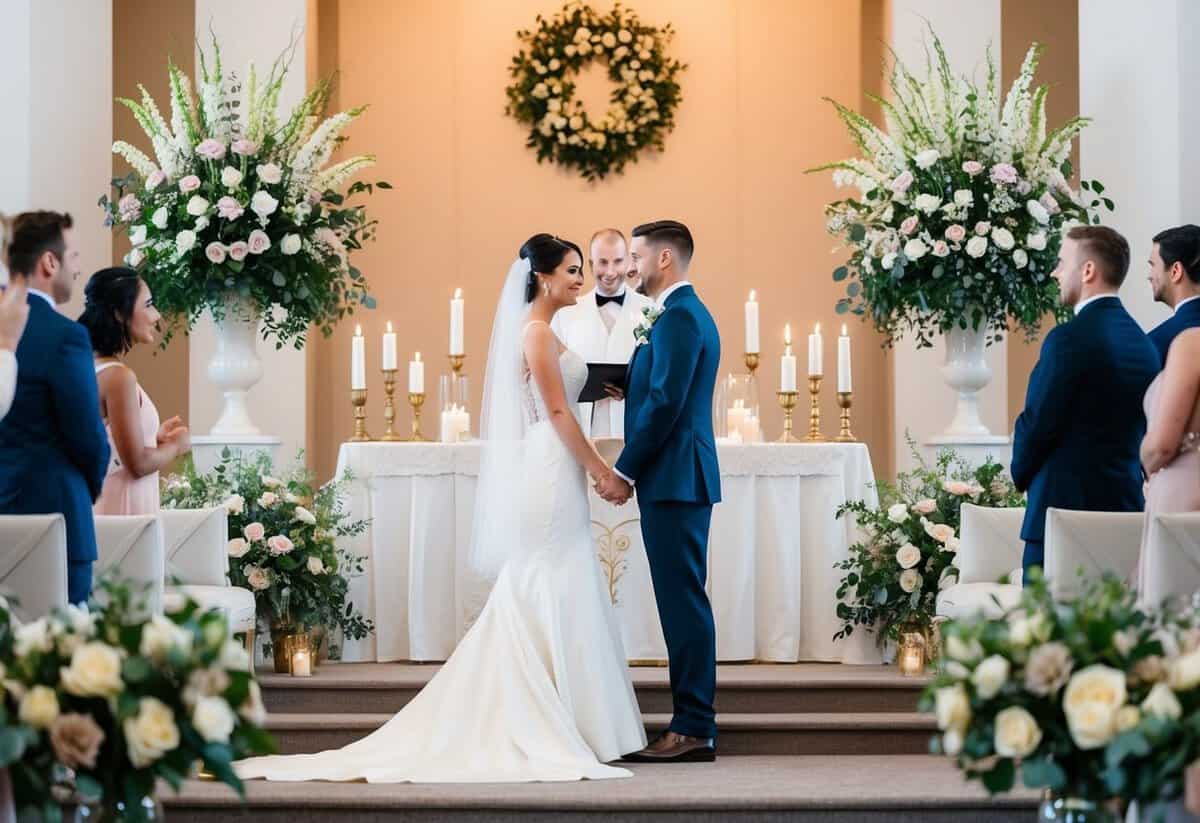
When planning a wedding, certain elements are key to creating the perfect day. You’ll want to consider attire, food, decorations, and entertainment. Each part of your wedding can involve both families, especially in covering costs.
Attire and Rings
The bride’s attire usually includes the wedding dress, which can be a significant expense. Traditionally, the bride’s family pays for this dress along with accessories like shoes, veils, and jewelry. Bridesmaid dresses typically have their costs covered by each bridesmaid or shared by the bride’s family.
When it comes to rings, couples often purchase their own wedding rings together. It’s common for the groom to choose and pay for an engagement ring before the wedding. Other details, like wedding party gifts, can vary, but they often come from the couple.
Food, Cake, and Decor
Catering expenses can be one of the largest parts of the wedding budget. Both families might help fund the food, which includes the wedding cake. The cake can be elaborate, showcasing intricate designs or flavors tailored to your preferences.
Decor, including flowers and centerpieces, is often coordinated with a florist. Your family can discuss ways to contribute, whether through budgeting for wedding flowers, arranging floral displays, or even designing the wedding stationery. Wedding favors for guests might be a nice touch too, adding a personal element to thank them for attending.
Photography and Entertainment
Capturing your big day is essential. Most couples must hire a photographer and videographer. Families often discuss who will cover these costs early in the planning process.
Entertainment can also be a shared expense. This includes the choice between hiring a band or a DJ. You’ll want to ensure that the entertainment fits your style. It should create a fun atmosphere for you and your guests. Discussing these details can help avoid misunderstandings.