
Who Pays for Drinks at a Wedding? A Guide to Splitting Costs at Celebrations
Planning a wedding can be exciting but also overwhelming, especially when it comes to the finances. One common question many couples face is about who handles the costs for drinks during the celebration. Traditionally, the couple or the groom’s family pays for drinks, but it can vary based on your preferences and budget.
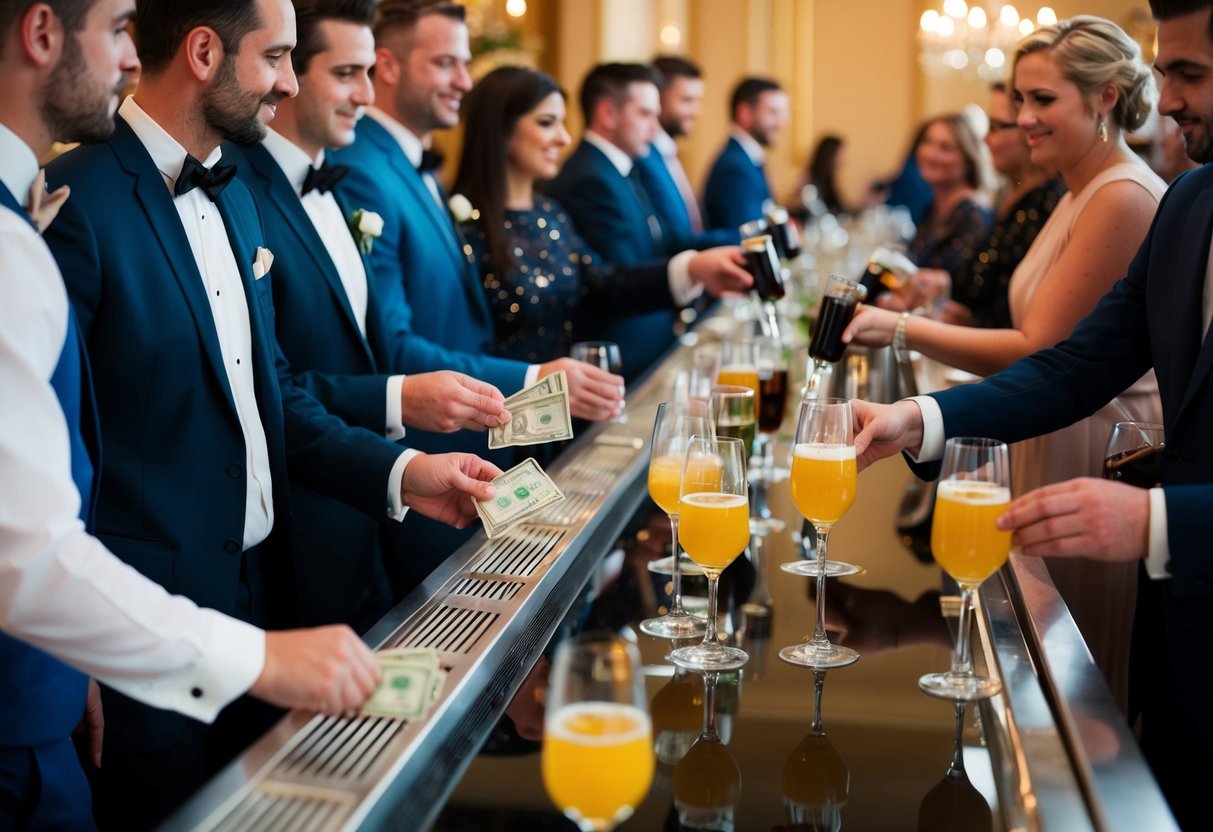
You might choose an open bar where everyone enjoys complimentary drinks, or perhaps you’d lean toward a cash bar where guests pay for their own beverages. Each option has its pros and cons, and understanding what aligns with your vision is key.
As you think about your wedding plans, keep in mind how drink costs can impact your budget and guest experience.
Exploring your options will ensure you make the best choice for you and your loved ones.
Understanding Wedding Costs and Who Pays
When planning a wedding, knowing who pays for various expenses is important. This can help couples manage their budget and understand traditional expectations.
Let’s explore the traditions and modern practices, as well as how to allocate your wedding budget.
Traditions and Modern Practices
In traditional weddings, the bride’s family often covers most of the costs, including drinks. The groom’s family usually focuses on the rehearsal dinner and some smaller expenses. However, many couples today are shifting these expectations.
You can decide together who contributes to what. Some couples split costs equally, while others may choose to ask both families for help. This approach allows you to create a budget that fits your needs.
Understanding these traditions can help you navigate conversations with family about financial contributions.
Allocating the Wedding Budget
When setting your wedding budget, drinks can take a significant portion of total costs. Start by determining how many guests will attend. This will help you estimate drink expenses.
Here are some common ways to manage drink costs:
- Open Bar: Guests enjoy drinks for free, but this can be pricey.
- Cash Bar: Guests pay for their drinks. This keeps costs down for you.
- Limited Bar: Offer a selection of drinks for a set time.
Choose what works best for you and your budget. Communicate with your families to align expectations about who pays for what. This can ease financial burdens and make planning more enjoyable.
Drinks at the Wedding
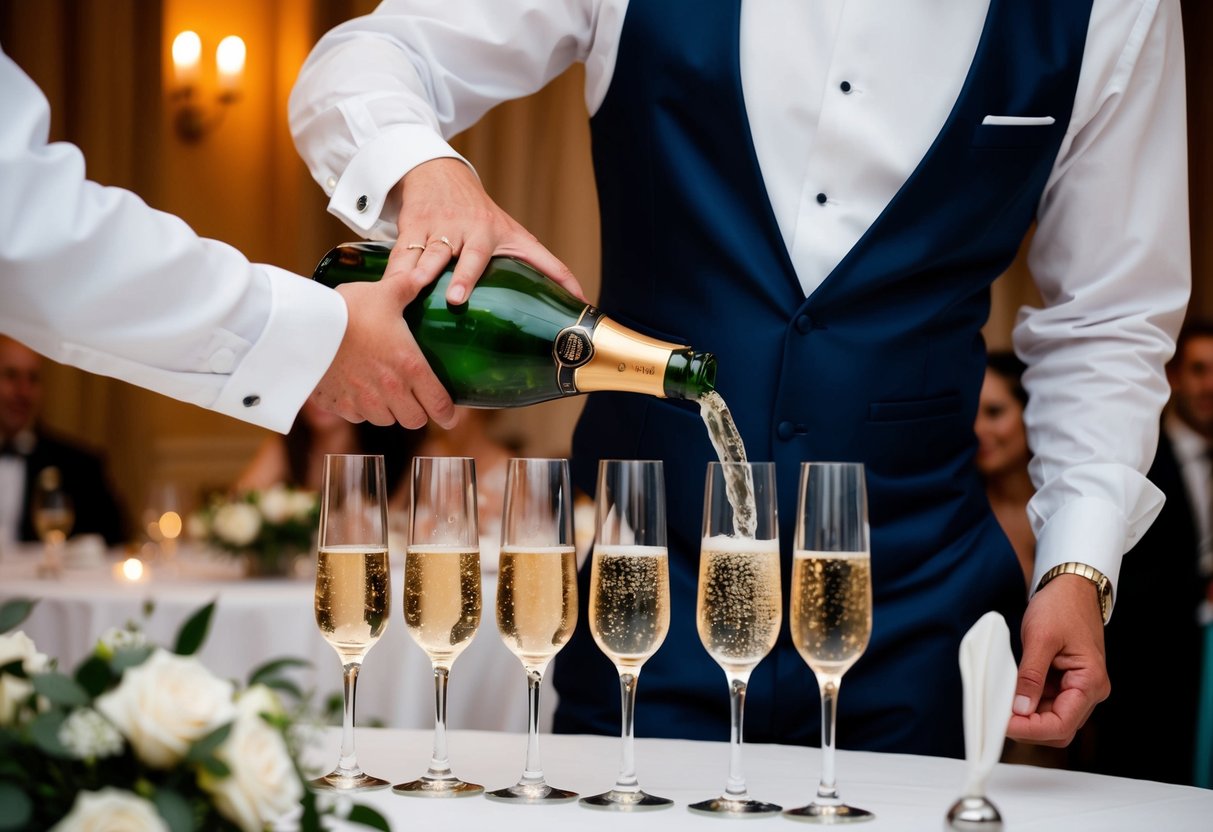
When planning your wedding, selecting the right drink options is essential for creating a memorable experience. You’ll need to decide what drinks to serve and how to present them to your guests.
Deciding on the Drink Menu
Start by considering your guests’ preferences. Offering a variety of options will keep everyone happy, whether they love cocktails, wine, or soft drinks.
Some popular choices include:
- Champagne or Prosecco for toasts
- Red and White Wine to pair with meals
- Signature Cocktails that reflect your style
- Non-alcoholic Drinks like sodas and juices for those who prefer them
Don’t forget about welcome drinks. These can set a festive tone as guests arrive. Choosing refreshing options like a fruity punch or sparkling water can make a great impression.
Options for Serving Drinks
How you serve drinks at your wedding can change the atmosphere. Here are two common options to consider:
-
Open Bar: This is a popular choice where you cover all drink costs. It offers guests freedom in their choices and includes options like cocktails, wine, and beer. This is generally seen as a generous gesture.
-
Cash Bar: If you want to manage costs, consider a cash bar. Guests pay for their own drinks, which can lighten your budget. You can still provide complimentary welcome drinks to start the celebration.
For both options, ensure a selection of non-alcoholic drinks is available. This way, every guest can find something they enjoy.
Planning for a Toast-Worthy Reception
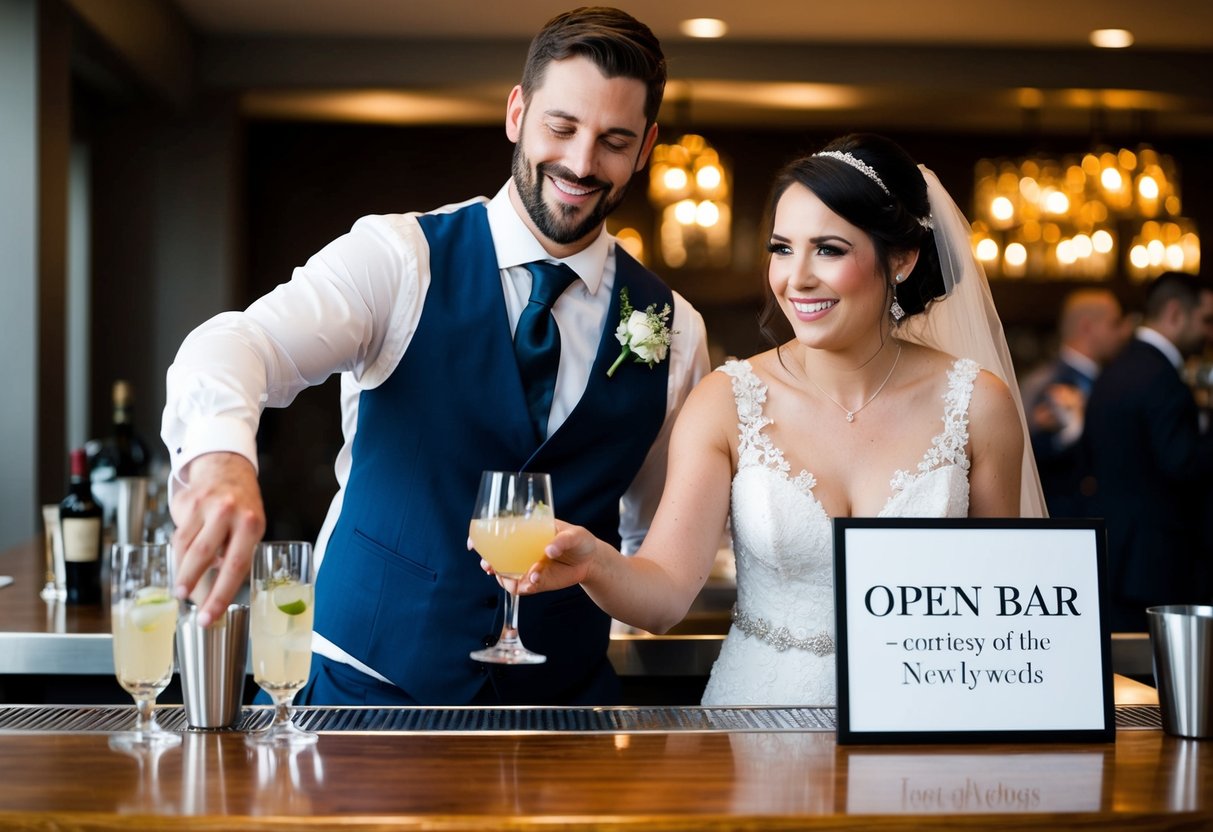
A great reception includes thoughtful planning for drinks and toasts. Balancing these elements can create a fun atmosphere and ensure memorable moments.
Coordinating with the Wedding Planner
Working closely with your wedding planner is essential. They can help you decide on the beverage options that match your theme and budget.
Make a list of preferred drinks, including both alcoholic and non-alcoholic choices. This can range from champagne for toasts to fun mocktails for guests who don’t drink alcohol.
Discuss timing with your planner, especially about when to serve drinks. Scheduling the first drink shortly after guests arrive can set a welcoming tone.
Include a plan for toasts. Let your planner know who will be speaking and when. This way, they can coordinate the drinks to be served at the right moments.
Creating a Memorable Experience
Your guests want an enjoyable experience. Offering a variety of drinks can keep the energy high throughout the reception.
Consider fun drink stations or themed cocktails that fit your wedding.
To enhance the toast experience, think about using personalized glasses or special beverages for speeches. This attention to detail can add a unique touch.
Incorporate entertainment like a live band or DJ. They can make announcements, cue toasts, and keep the moment lively. Use music to build anticipation for speeches, celebrating your love story.
Remember, the best moments happen when everyone feels included. So, create a welcoming atmosphere with great drinks and lively entertainment.
Additional Celebratory Events
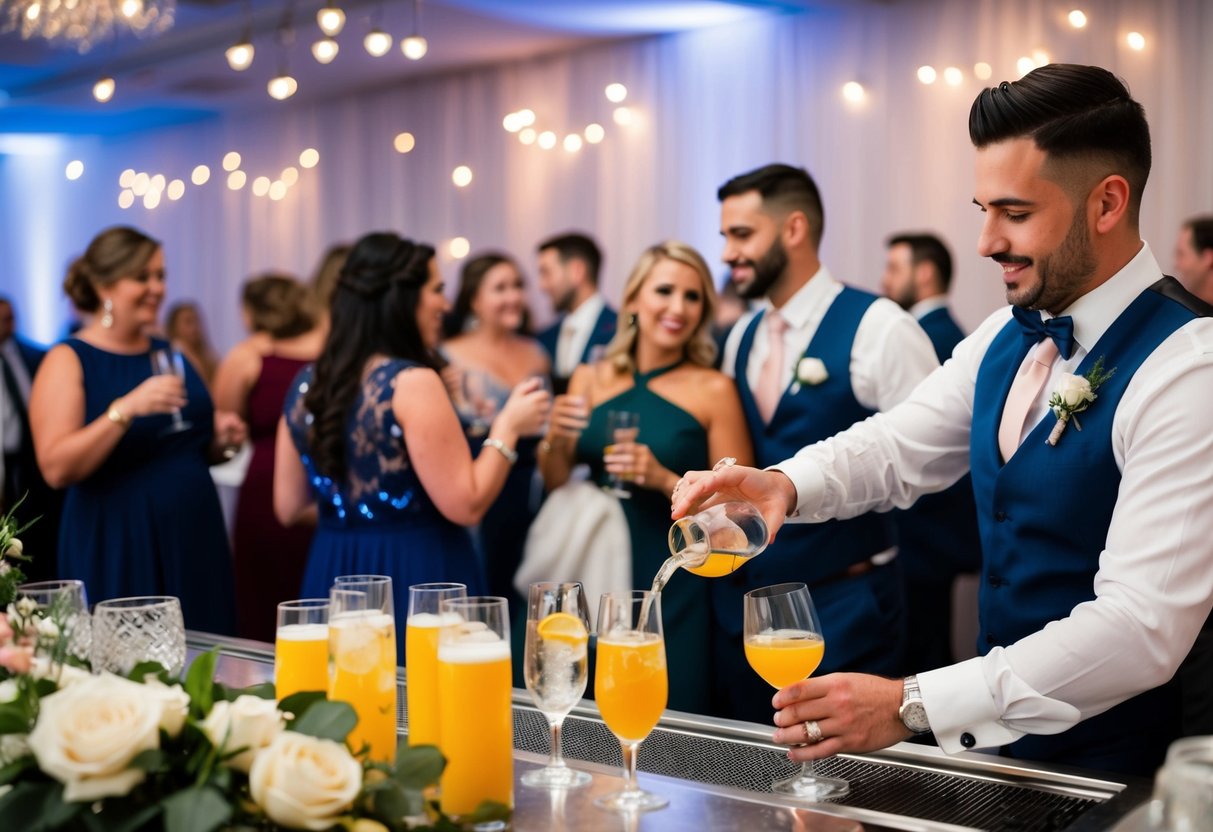
When planning your wedding, it’s important to consider the additional events that often come beforehand. These can set the tone for your celebration and offer chances for guests to mingle.
Two key events to think about are the rehearsal dinner and ways to welcome guests, especially at a destination wedding.
Hosting the Rehearsal Dinner
The rehearsal dinner typically takes place after the wedding rehearsal. This event is often hosted by the groom’s family. The dinner allows both families and close friends to come together.
You can decide who pays for the dinner. Traditionally, the groom’s family covers the cost, but this can vary. It’s a good idea to communicate this with everyone involved early on.
Consider including a toast during the dinner. This makes guests feel appreciated and involved. You might also want a welcome drink to kick things off. That sets a festive vibe for the gathering.
Welcoming Guests at Destination Weddings
Destination weddings often draw guests from near and far. You can make them feel welcome as soon as they arrive. One popular idea is to offer a welcome drink upon arrival.
Think about creating welcome bags with local snacks or drinks. You can add maps or itineraries that include fun activities. This helps guests feel at home and informed.
An official welcome party can be a chance for everyone to relax and get to know each other. This event may be casual, but it sets a positive tone for the days to come.