
Who Pays for the Best Man’s Suit? Understanding Costs and Responsibilities
As the best man, you have an important role to play on the big day. But one question that often arises is, who pays for the best man’s suit? It can be a tricky subject since expectations can differ based on personal circumstances and relationships.

Many grooms expect their best man, along with the other groomsmen, to cover the cost of their attire. However, if you find yourself in a tight spot financially, it’s perfectly acceptable to talk to the groom about possible solutions. Open communication can help both of you navigate this part of wedding planning smoothly.
Understanding who is responsible for suit costs can set the tone for the expenses you may face. So, if you’re unsure about what’s customary or expected, keep reading to learn more about the options available to you and how to manage the financial side of being the best man.
Understanding Best Man Responsibilities

Being a best man comes with important responsibilities that help ensure the wedding goes smoothly. Your role involves support before the big day, active participation during the ceremony and reception, and a continued presence after the wedding. Here’s a breakdown of what you can expect.
Pre-Wedding Support
Before the wedding, your tasks center around planning and assisting the groom. This often starts with organizing the bachelor party, which should reflect the groom’s interests. You’ll want to coordinate a fun event that brings friends together.
Additionally, you may help with planning the rehearsal dinner. This includes keeping track of guest lists and making reservations. Good communication with the groom and other groomsmen is crucial here.
Finally, fitting for the suit is another important task. While some grooms encourage their best men to pay for their own attire, others might offer to help with costs.
The Big Day Duties
On the wedding day, your role is essential. You’ll need to arrive early and assist the groom in getting dressed. Making sure he stays calm and prepared is vital.
During the ceremony, you will stand by the groom’s side and may hold onto the rings until it’s time to exchange them. After the ceremony, you’ll be expected to help usher guests to the reception.
At the reception, you’re responsible for giving a toast. This is a chance to share heartfelt thoughts and anecdotes about the couple. Just keep it light and engaging, and avoid any embarrassing stories!
Post-Wedding Role
After the wedding, your support continues. You may want to help with the cleanup if necessary. Checking in with the newlyweds can also be a nice touch.
Sending thank-you notes for gifts received is another important task, although this may also involve the couple. Sometimes, as the best man, you can assist with this effort, ensuring no one is overlooked.
The Groom and Best Man: Attire Decisions
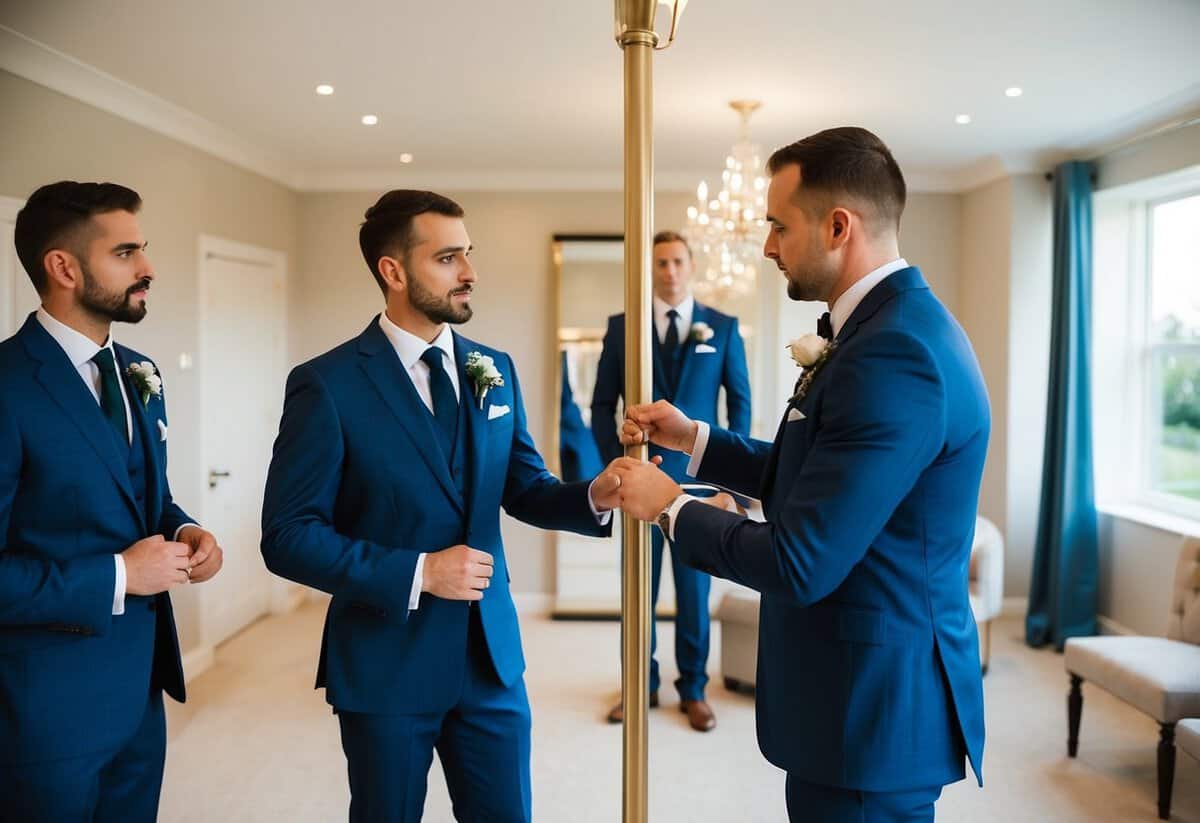
Choosing attire for the groom and best man is a key part of wedding planning. It sets the tone for the wedding day and reflects the couple’s style. Clear communication about preferences can make this process smoother.
Suit or Tuxedo
Deciding between a suit and a tuxedo often depends on the wedding’s formality. For formal events, a tuxedo may be the preferred choice. Tuxedos usually feature satin lapels and are more elegant. For less formal occasions, a suit can be just as stylish and allows for more versatility in colors and styles.
Consider your comfort level too. A well-fitted suit or tuxedo will help you feel confident on the big day. Discuss these options with your best man to find out what he prefers, ensuring you both feel great while adding to the wedding’s style.
Coordinating With the Groomsman
Communication with the groomsman is important when selecting attire. You may want to coordinate looks to ensure a cohesive appearance. This doesn’t mean everyone has to wear the exact same outfit; subtle differences can help you stand out as the groom while maintaining a unified look.
Think about choosing the same color or fabric type for both your suit or tuxedo and the groomsmen’s attire. Sharing your thoughts and preferences will help everyone be on the same page. It’s also helpful to share any guidelines provided by the couple regarding attire choices.
Color and Style Preferences
Color is a major factor in wedding attire decisions. You might want to choose a color that matches your wedding theme. Discuss options such as neutral tones, bold colors, or even patterns.
Style preferences can also vary widely. Some may lean towards classic styles with timeless appeal, while others may prefer modern designs. Ensure your best man feels comfortable with the color and style decisions. Both of you should feel great in your outfits, so sharing your ideas will help shape stunning results for the wedding day.
Finances and Budgeting for Attire

Planning for the best man’s suit involves more than picking styles. You need to consider who will pay and how to manage the budget effectively. Understanding individual responsibilities and addressing any financial limitations is essential for a smooth experience.
Who’s Paying for What
Typically, the best man is expected to cover the cost of his own suit. This expense can vary based on whether he rents or buys the attire. In some cases, grooms may offer to help with costs, especially if the best man faces financial constraints.
Other financial responsibilities may include organizing the bachelor party and buying a gift for the couple. Average wedding costs can also influence what you spend. Clear communication between you and the groom about these responsibilities is crucial for maintaining a good relationship.
Tips on Budget Management
When managing your budget for the best man’s attire, create a clear list of potential expenses. You may want to include:
- Suit rental or purchase price
- Accessories like ties or shoes
- Groom’s gifting expectations
Set a specific amount you’re willing to spend. Stick to this budget by exploring rental options or shop sales for discounts. This approach will help you maintain a cohesive look without breaking the bank.
Consider talking with other groomsmen about sharing costs for accessories to keep expenses down. This group effort can also lead to a more polished appearance.
Dealing With Financial Constraints
If you face financial constraints, communicate openly with the groom. Many couples understand the costs associated with weddings and may be able to help. Discussing alternatives can lead to creative solutions, such as renting a suit instead of buying one.
If the costs still feel heavy, consider pooling resources with fellow groomsmen. They might be willing to share accessories or find budget-friendly rentals together. Remember, the suit is just one part of your participation. Your presence and support are the most important gestures of appreciation in the wedding.
Etiquette and Traditions
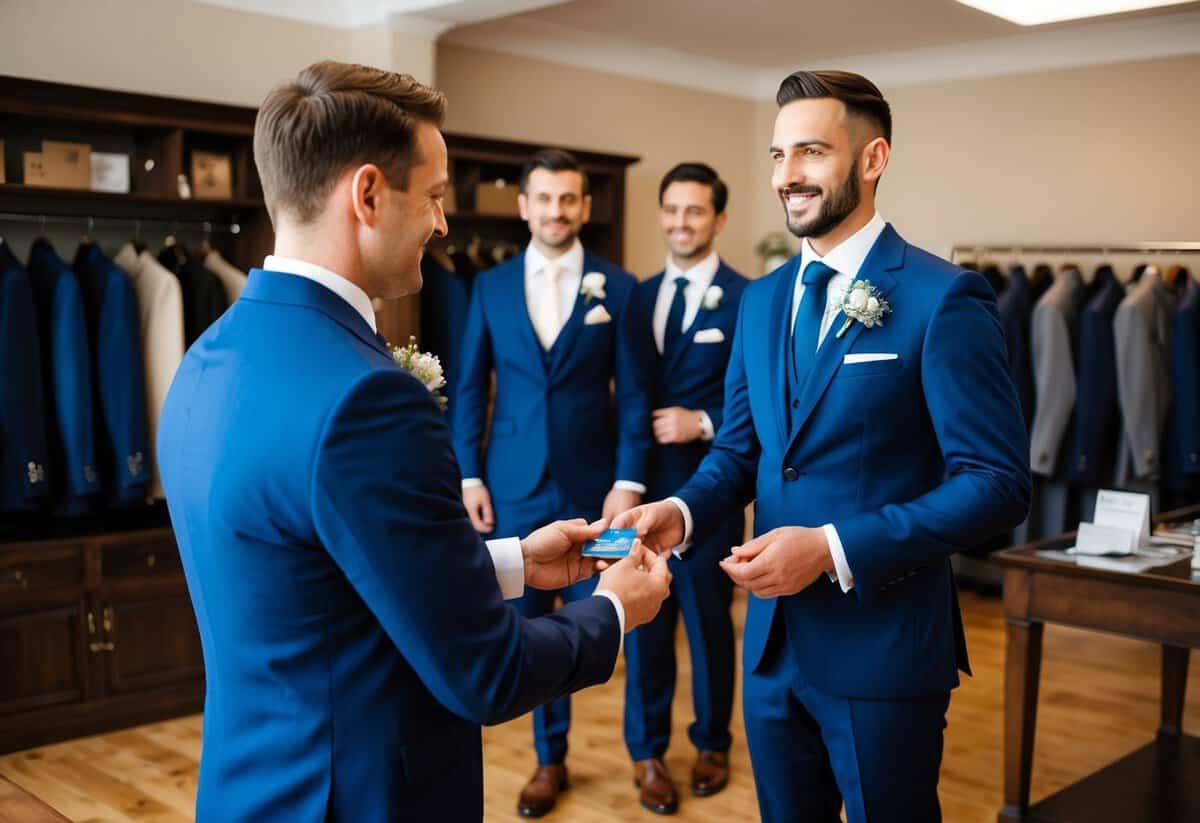
When it comes to who pays for the best man’s suit, etiquette and traditions can vary widely. Understanding these norms helps you navigate your role while considering family customs and expectations. Here’s a closer look at some important aspects.
Suit Buying vs. Renting
Deciding whether to buy or rent the best man’s suit is a key consideration. Traditionally, it was expected that the groom’s family would cover the costs. Now, many best men often pay for their own suits, choosing either to rent or buy based on budget and preference.
-
Buying: Purchasing a suit allows for customization. You can choose the fit, style, and color that match your personal taste and the wedding theme. This option may be more suitable if you foresee wearing the suit again.
-
Renting: Renting is often more budget-friendly. It provides the latest styles without the commitment of ownership. Consider factors like fitting fees and damage policies when renting.
Making the Right Choices
It’s essential to consider various factors when selecting the best man’s attire. The suit should align with the wedding’s color scheme and style. This ensures everyone looks cohesive on the big day.
-
Communication: Talk to the groom about his vision. Understanding his preferences can help you make informed choices.
-
Accessories: Don’t forget about important details like ties, shoes, and cufflinks. These items can elevate your look and complete the outfit.
-
Cost: Be clear with the groom about your budget. If you’re contributing financially, it’s best to agree on spending limits early in the process.
Cultural and Family Expectations
Cultural and family traditions greatly influence who pays for the best man’s suit. In some cultures, the groom’s family is expected to cover these costs. Meanwhile, in others, the best man may carry the responsibility.
-
Understand Your Roots: Familiarize yourself with any customs that might apply. For example, some families have specific rules regarding attire for the wedding party.
-
Guest Expectations: Consider how guests might interpret your choices. Following traditions can honor family members while ensuring a joyful atmosphere.
Navigating etiquette and traditions around the best man’s suit can be simple and enjoyable when you keep communication open.