
Who Pays for the Brides’ Jewelry? Understanding Wedding Traditions and Expectations
When planning for a wedding, one question that often comes up is about who pays for the bride’s jewelry. Many traditional customs typically assign the responsibility to the bride and her family. However, this can vary based on individual circumstances, family traditions, and modern practices.
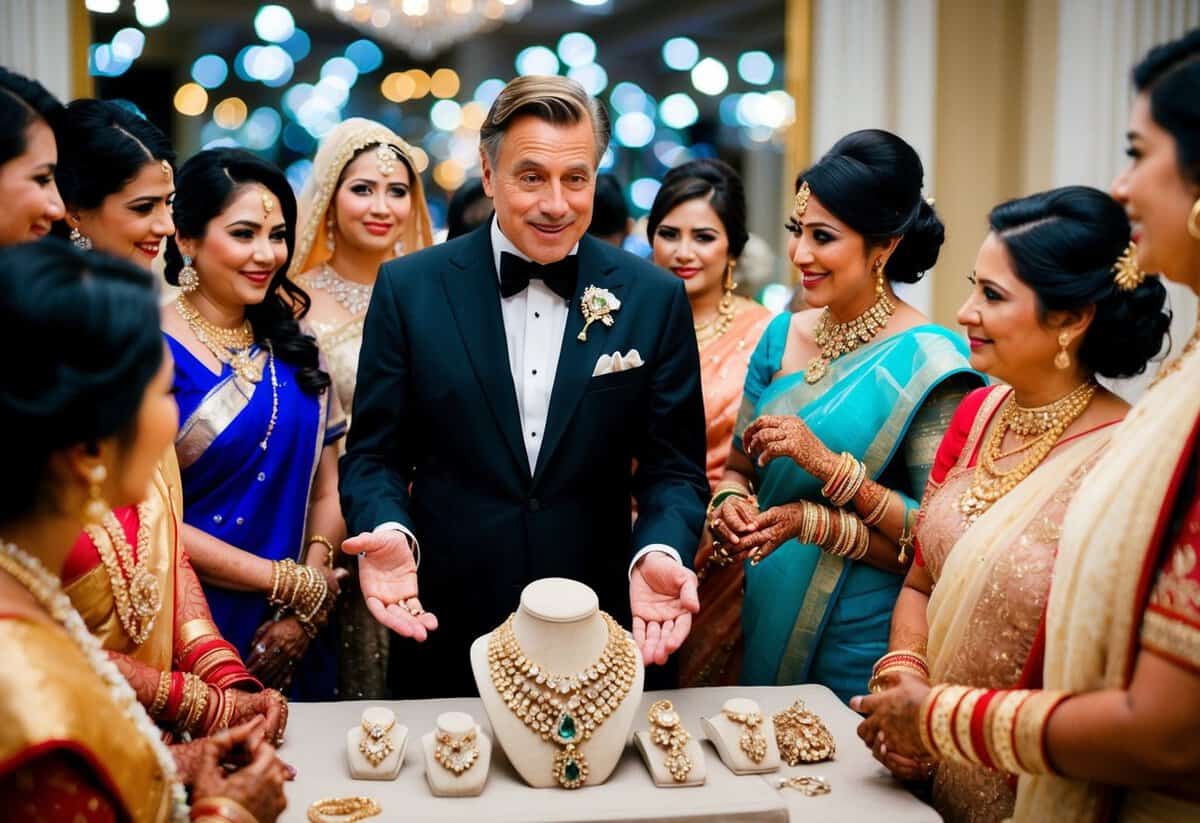
Understanding the financial roles in a wedding can help ease some of the stress surrounding wedding planning. You might find that in some families, the bride’s family covers most of the wedding expenses, including her jewelry. In other cases, the couple might choose to share costs or decide based on what feels right for them.
As you explore this topic further, you’ll uncover different practices from various cultures and how personal values can influence these decisions. So, let’s dive deeper into the details of who typically pays for the bride’s jewelry and what factors come into play.
Understanding Wedding Traditions and Financial Responsibilities
Wedding traditions and financial responsibilities have evolved over time. Understanding these changes can help you navigate expectations when planning for the bride’s jewelry and other expenses. Let’s explore the historical context, cultural variations, and modern trends.
Historical Context of Wedding Expenses
Traditionally, the bride’s family took on most of the wedding costs. This precedent dates back generations, where it was seen as a way to support the new couple. The bride’s family typically covered expenses like the venue, catering, and, in many cases, the bride’s jewelry.
The groom’s family, on the other hand, usually handled the rehearsal dinner and some parts of the honeymoon. This structure reflected social norms around marriage and family economics.
As you plan your wedding, knowing this history can provide clarity on what is expected and what you might choose to change for your situation.
Cultural Variations in Wedding Traditions
Cultural backgrounds play a significant role in wedding costs. In some cultures, the bride’s family still covers the majority of expenses. In others, couples share the costs more equally.
For instance, in many Western traditions, the groom buys the bride’s engagement ring as part of his financial responsibility. Conversely, in some Eastern cultures, families may prepare dowries, which can involve jewelry, cash, or property provided by the bride’s family.
Understanding these variations helps you appreciate your own customs and decide how to balance financial responsibilities with traditions that matter to you.
Modern Trends and Etiquette
Modern weddings are seeing a shift in how expenses are divided. Many couples today take on financial responsibility for their own weddings, including jewelry. This trend reflects changing social norms and encourages a more cooperative planning process.
It is also common for couples to discuss costs openly with both families to align expectations. This can prevent misunderstandings and ensure everyone feels included.
To navigate these modern trends, it is helpful to embrace flexibility and prioritize honest communication about costs and responsibilities.
Breakdown of Bridal Expenses
When planning for your big day, it’s essential to understand the different costs associated with your bridal look. This section breaks down the key expenses related to your attire and accessories, from your wedding dress to your jewelry and beauty needs.
The Cost of the Bride’s Attire and Accessories
Your wedding attire typically includes your wedding dress, veil, and shoes. The dress alone can range from a few hundred to several thousand dollars, depending on the designer and style. Accessories like your veil can cost anywhere from $50 to $500.
Shoes might add another $50 to $300 to your costs. Don’t forget alterations, which may range from $100 to $500, depending on the complexity. Remember to include any additional accessories, such as a shawl or jewelry that matches your dress.
Jewelry Expenses: Engagement Ring and Wedding Band
Jewelry is a significant part of your bridal expenses. The engagement ring generally costs a substantial amount, often around two to three months’ salary. After that, the wedding band is also important and can range from a few hundred to several thousand dollars.
These rings symbolize your love and commitment. You may also want to consider a set of bridal rings that complement both the engagement ring and wedding band, adding to your overall look.
Additional Bridal Accessories and Beautification
Besides your dress and jewelry, don’t overlook the costs of hair and makeup. This can add anywhere from $100 to $300 for a professional. You might also invest in products like false lashes or hairpieces.
Other accessories, such as personalized items or gifts for your bridal party, can also add up. Budgeting for these extra items can help keep your finances in check while ensuring you look and feel fabulous on your special day.
Sharing of Expenses Between Families

Weddings often involve many expenses, and it’s common for both families to share the costs. Knowing who typically pays for what can help you plan effectively and reduce confusion.
Division of Costs for Wedding Essentials
Traditionally, the bride’s family covers many wedding essentials. This can include the venue for the ceremony, decorations, and the wedding dress. Meanwhile, the groom’s family might take care of the rehearsal dinner and sometimes the wedding rings.
Here’s a simple breakdown:
- Bride’s Family Pays For:
- Wedding dress
- Ceremony venue
- Flowers and decorations
- Groom’s Family Pays For:
- Rehearsal dinner
- Groom’s suit
- Transportation
These roles can shift based on family discussions and preferences. It’s important to communicate openly and ensure both sides agree on the budget and responsibilities.
Allocating Budget for Ceremonies and Receptions
When it comes to the actual ceremony and reception, both families usually contribute. This might include costs for catering, music, and photography. You can create a joint wedding budget that clearly lists all expenses and who is paying what.
In some cases, couples even chip in to help ease the financial load. Remember to list out your biggest expenses:
- Ceremony Costs:
- Officiant fees
- Venue rental
- Decorations
- Reception Costs:
- Catering and cake
- Music and entertainment
- Venue rental
By planning together, you can create a memorable day while sharing the financial responsibilities.
Strategies for Budget-Friendly Wedding Planning
Creating a budget is essential. Start by listing all expected expenses, including jewelry, venue, catering, and accommodations.
Budget Tips:
- Set a Spending Limit: Decide on a maximum amount you can spend.
- Use a Wedding Planner: They can help you find deals and manage costs effectively.
- Consider a Registry: This can help cover gift costs and manage your budget.
You can also cut costs by being flexible with dates or venues. Off-peak times often come with lower prices.
Involve your wedding party in planning. They might have ideas for budget-friendly solutions.
Remember, it’s your day, and staying within budget will help you enjoy it more.