
Who Pays for the Destination Wedding? A Guide for Couples and Guests
Planning a destination wedding can be exciting but also raises many questions, especially about costs. Couples typically pay for the wedding, but the financial responsibility can vary. Understanding who pays for what can help ease the stress of planning your dream wedding in a beautiful location.
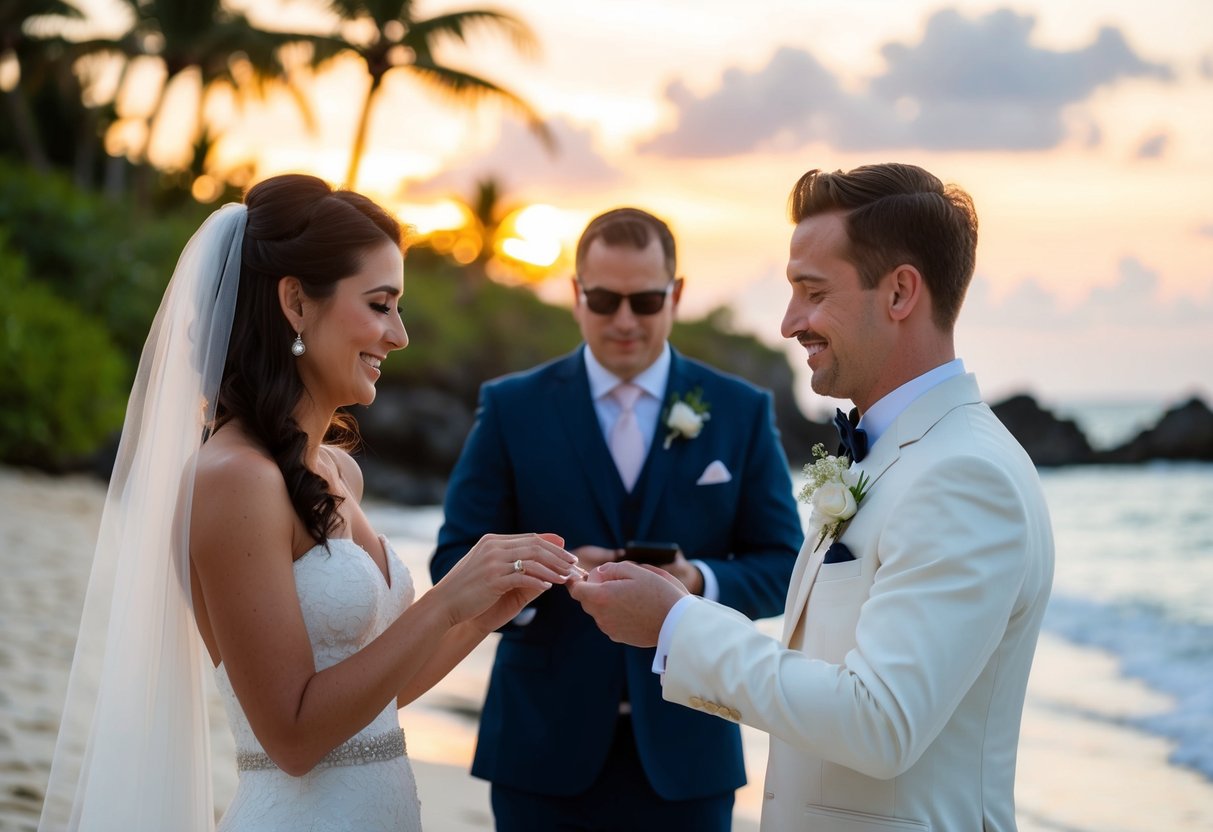
As you consider your budget, remember that you may also face additional travel and accommodation costs for your guests. Many couples choose to cover the reception and rehearsal dinner while expecting guests to handle their own flights and stays. This balance can help make your special day memorable without breaking the bank.
Navigating the expenses of a destination wedding doesn’t have to be overwhelming. With clear communication and planning, you can create an event that fits your vision and budget while respecting your guests’ financial situations.
Understanding Destination Wedding Expenses

Planning a destination wedding involves various financial responsibilities that you and your loved ones need to address. It’s important to understand who pays for what and how to manage the wedding budget effectively.
Allocation of Financial Responsibilities
In a destination wedding, the couple often covers several key expenses. This typically includes the venue, ceremony costs, and related amenities. Guests usually pay for their travel and accommodation.
Parents may also contribute. They often help with hosting costs like the reception or special events. It’s vital to have open conversations about expectations early on. This helps everyone understand their financial roles.
You can create a list to outline costs clearly. Here’s a simple format:
- Couple: Venue, officiant, reception, wedding attire
- Guests: Travel, lodging, meals not provided
This clarity will ease any financial stress and make the planning process smoother.
Wedding Budget Breakdown
Creating a budget is crucial for a destination wedding. You should start by setting a total amount you’re willing to spend. Next, identify specific expenses.
Common costs include:
- Venue Rental: The location where you’ll hold the ceremony.
- Travel Expenses: Airfare and transportation to the destination.
- Accommodations: Hotel or resort stays for you and your guests.
- Food and Drink: Receptions, rehearsal dinners, and welcome parties.
Make a detailed list and estimate costs for each item. Adjust the budget as necessary to fit your needs. Tracking expenses with a spreadsheet can help manage your finances effectively.
Understanding these elements will keep your wedding on budget and allow you to enjoy your special day.
Planning and Communication Strategies
When planning a destination wedding, clear communication and effective strategies are crucial. You want your guests to feel informed about expenses and arrangements. Using tools like a wedding website can simplify this process, ensuring everyone is on the same page.
Importance of Clear Communication
Clear communication helps avoid misunderstandings. Start by discussing financial responsibilities with anyone involved. Whether it’s your parents, in-laws, or even your wedding planner, everyone should know what to expect.
Key points to communicate include:
- Who covers the venue and accommodation costs?
- Are there any optional activities for guests?
- What should they budget for travel?
Being open with your guests about these details is essential. This will help them plan better and feel comfortable attending your celebration.
Utilizing a Wedding Website
A wedding website is a handy tool for sharing information. It allows you to create a central place for all important updates.
Include the following on your site:
- Travel information, such as flights and transportation.
- Accommodation options and group rates.
- Itinerary of events, including the wedding day schedule.
By sending out links to your website with save-the-dates, you can keep everyone informed. This reduces the number of questions you’ll receive and makes planning easier for your guests. Plus, it reflects your thoughtfulness in considering their needs.
Managing Accommodation and Travel Costs

When planning a destination wedding, managing accommodation and travel costs is essential for both you and your guests. This can include finding the right accommodation options and negotiating group rates to keep expenses in check.
Finding Accommodation Options
Start by exploring various accommodation options that suit different budgets. Consider nearby hotels, vacation rentals, and all-inclusive resorts. Each type has its perks and can provide a unique experience for your guests.
Make a list of hotels that cater to different price ranges. This way, you can recommend options for everyone. Look for places that offer amenities like free shuttle services and breakfast. These small perks can make a big difference in comfort and cost.
Additionally, research whether there are any special wedding packages available that could provide discounts on rooms or services. Group bookings for weddings often come with added benefits.
Negotiating Group Rates and Travel Expenses
Once you’ve identified potential hotels, reach out to them to negotiate group rates. Many hotels offer discounts for bulk bookings, which can help lower accommodation costs for your guests.
When contacting hotels, mention that you are planning a wedding. This often helps them provide better rates. Make sure to ask about cancellation policies and if they require a deposit.
Another area to consider is travel expenses. Look into providing shuttle services from the airport to accommodations. This can significantly ease the travel burden on your guests.
You can also suggest nearby airports with cheaper flights or share travel tips. Keeping your guests informed can enhance their experience and minimize unexpected costs.
Additional Wedding Events and Attire Considerations

When planning your destination wedding, it’s important to think about additional events and what everyone will wear. These details can affect your budget and how guests feel about attending.
Hosting Pre- and Post-Wedding Events
Consider hosting events like a rehearsal dinner or a welcome party. These gatherings can help guests get to know each other and feel more comfortable. Typically, the couple or the bride’s family covers the rehearsal dinner costs.
You might also want to plan a morning-after brunch. This is a nice way to thank your guests and recap the wedding fun. For these events, keep the atmosphere casual, letting guests relax after the big day.
Make sure to clearly communicate event details to guests, so they know what to expect. This can also help with budgeting for gifts and transportation.
Considerations for Wedding Party Attire
Your wedding party will need to look coordinated and stylish. Each member, including bridesmaids and groomsmen, usually pays for their attire. Often, the couple chooses the colors and styles.
Be mindful of the destination’s climate when selecting outfits. Light and breezy fabrics work well for beach settings, while more formal wear suits elegant, upscale venues.
Additionally, budget for accessories and makeup. Encourage your wedding party to keep their looks cohesive. You might also cover the costs for hair and makeup, especially for bridesmaids.
This planning will ensure everyone feels comfortable and looks great on your special day.