
Who Pays for the DJ or Band at a Wedding? Understanding Your Options and Responsibilities
Planning a wedding involves many decisions, and one of the most important is choosing the right entertainment. Many couples wonder about the costs and who should cover them. Traditionally, the bride’s family pays for the DJ or live band, but this can vary based on modern practices and family discussions. Understanding who pays can help you budget more effectively and avoid any misunderstandings along the way.
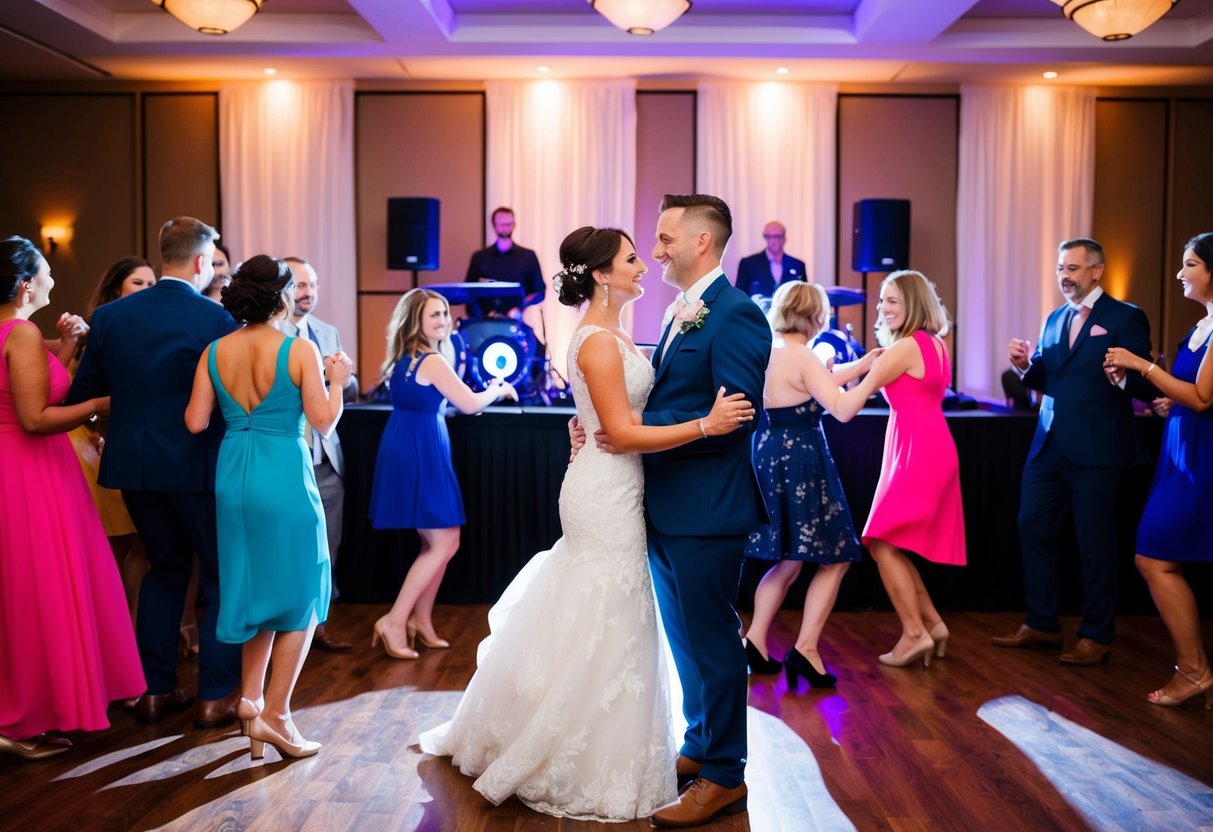
As you dive into planning, it’s essential to create a clear wedding budget that includes entertainment expenses. Communicating openly with both sets of parents can also give you insight into their willingness to contribute. This approach not only sets expectations, but it ensures everyone is on the same page when making decisions about the big day.
No matter who ultimately pays for the DJ or band, selecting the right talent to keep your guests entertained is key. The music plays a significant role in setting the mood and creating lasting memories, so choosing wisely can enhance the celebration.
Determining Who Pays for the Wedding
Figuring out who pays for different aspects of the wedding can feel complicated. Traditionally, certain expenses are assigned to specific family members, but modern couples often share costs in new ways. Here’s a detailed look at these arrangements.
Traditional vs. Modern Approaches
Traditionally, the bride’s family is responsible for most of the wedding costs. This includes the DJ or band, as well as the venue, decorations, and flowers. The couple might also discuss who will pay for engagement parties and wedding rings.
In contrast, modern couples often split these expenses. You might find that both families contribute differently based on financial capacity and other agreements. For instance, the groom’s family may cover the alcohol consumption during the reception while the bride’s family pays for entertainment. Now it’s common for couples to set a budget together and decide who pays for what.
Roles of Family Members
Key family members usually play specific roles in paying for the celebration. Parents of the bride traditionally cover the cost of the DJ, band, and other major fees. This is often seen as part of their contribution to the event.
The parents of the groom may take on other costs. This might include the wedding rings and some reception costs, like the bar or even transportation. Ultimately, clear communication is vital. By discussing these topics early, everyone can understand expectations and work together to create a memorable day without financial stress.
Wedding Music Costs Overview
When planning your wedding, understanding music costs can help you budget effectively. This includes comparing the costs of hiring a band versus a DJ and considering additional expenses that may arise.
Band and DJ Cost Comparison
Hiring a band typically costs more than a DJ. The average cost for a wedding band can range from $3,500 to $6,000 or more, depending on the number of musicians and their experience. Bands create a lively atmosphere but require more budget allocation.
On the other hand, hiring a wedding DJ is often more cost-effective. The national average cost for a wedding DJ is about $1,000, with most couples spending between $780 and $1,495. DJs generally charge on an hourly basis, which can make them a flexible option for your budget.
Selecting between a band and a DJ should also consider the vibe you want for your wedding. Bands offer live music, while DJs can provide a broader range of songs and styles.
Additional Expenses to Consider
In addition to the base costs of hiring a band or DJ, there are other expenses to keep in mind. These might include setup fees, travel costs, and meal allowances for the performers.
For example, a band may charge extra for equipment setup or overtime if your celebration runs longer than expected. It’s common for bands to require gratuity on top of their fee.
DJs may also present additional costs, such as lighting or sound equipment upgrades. Make sure to clarify these financial aspects in advance to avoid surprises later.
Budgeting for these factors ensures you have the right entertainment for your special day without financial strain.
Planning Your Wedding Reception Music
Choosing the right music for your wedding reception is essential. It sets the mood and keeps your guests entertained. You will need to decide whether to hire a DJ or a live band, and understand what to expect from them.
Hiring a DJ or Band
When hiring a DJ, you may want to consider their experience with weddings. Ask for references or check reviews. A good DJ will not only provide music but can also act as an emcee. This role includes making announcements and keeping the event flowing smoothly.
If you prefer a live band, think about the type of music you want. Bands can create a lively atmosphere. Make sure to discuss their playlist and whether they take requests. Costs can vary, so get quotes and compare prices.
Also, keep in mind that some bands may require specific equipment. Ensure you discuss these needs with your wedding planner to avoid any surprises.
What to Expect from Your Music Provider
Expect clear communication from your DJ or band. They should be responsive to your questions and needs. Discuss your wedding timeline, as this helps them plan the music to match key moments.
You might want to include special touches like uplighting for ambiance. A good DJ can provide this service or recommend someone who does. Make sure they are familiar with your venue layout.
Remember to share your must-play and do-not-play lists. This way, your music provider can personalize your experience. It’s your special day, and the music will enhance those unforgettable moments.
Additional Events Impacting the Wedding Budget

When planning your wedding, it’s important to consider how various events can affect your budget. Each event brings its own set of costs.
Rehearsal Dinner: This gathering typically happens the night before the wedding. You might spend anywhere from $500 to $2,000, depending on the location and number of guests.
Engagement Party: This celebration is a fun way to kick off your wedding journey. Costs can vary widely, often between $200 and $1,500.
Honeymoon: Don’t forget to set aside funds for your getaway. A honeymoon can range from a few hundred dollars to several thousand, depending on your destination.
Bachelorette and Bachelor Parties: These parties can be fun but add to your expenses. Budget around $200 to $1,000 per person for a memorable experience.
Wedding Attire: Your wedding dress and other attire can take up a significant part of your budget. Prices can start at a few hundred and go into the thousands.
Bridal Shower: Often hosted by friends, this event can add another $200 to $1,000 to your budget.
Each of these events can contribute to your overall wedding costs. Keep these factors in mind as you create your budget for a smoother planning experience.