
Who Pays for the Groom’s Wedding Band? Understanding Wedding Traditions and Costs
When planning your wedding, one question that often comes up is, who pays for the groom’s wedding band? Traditionally, it has been common for the bride or her family to buy the groom’s wedding ring, while the groom’s family covers the cost of the bride’s band. This reflects many cultural customs and wedding traditions that have been passed down through generations.
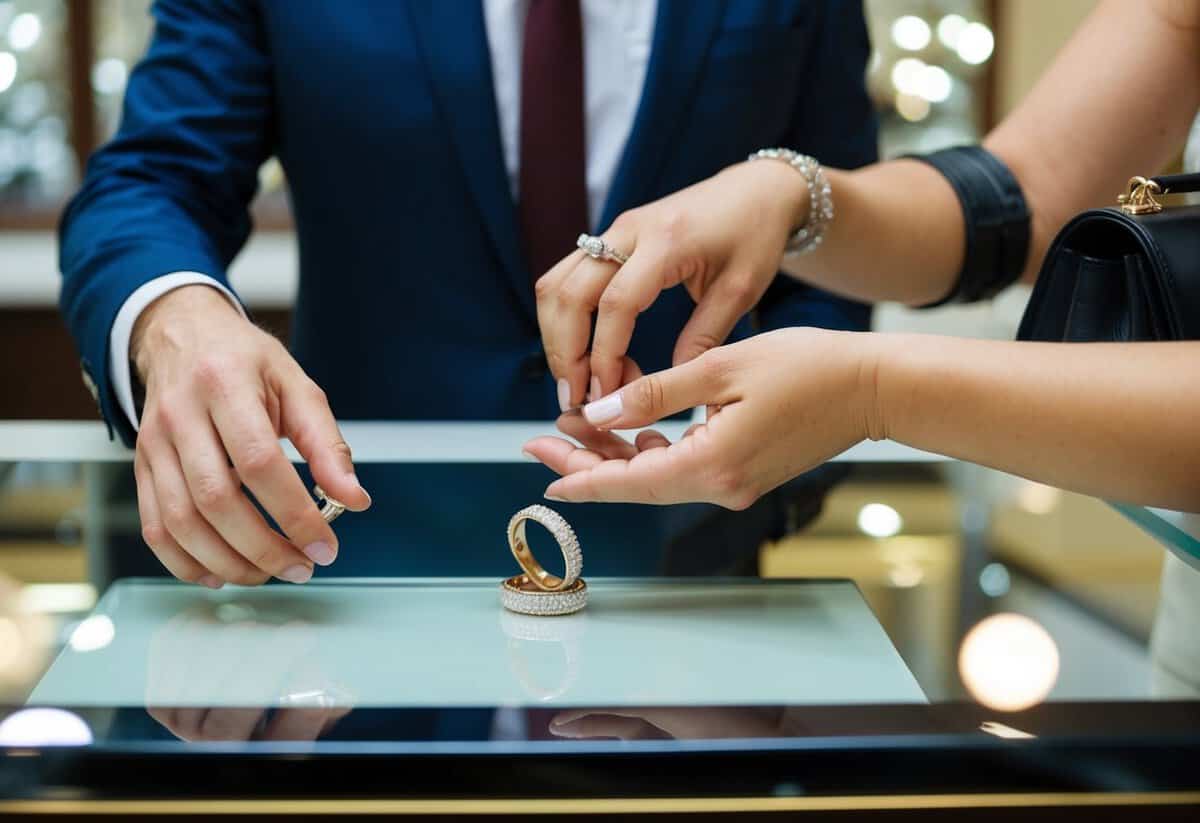
In today’s world, these traditional practices are changing. Many couples now choose to share the costs of their wedding bands or make individual purchases based on their financial situation. This modern approach allows for more flexibility and personal expression, ensuring that both partners feel equally involved in their wedding expenses.
Understanding the history and evolving norms around who pays for wedding rings can help you decide what works best for you. Whether you lean towards traditional practices or prefer a more contemporary view, the key is to communicate openly with your partner about your preferences and financial responsibilities.
Determining Who Pays for the Groom’s Wedding Band
When it comes to the groom’s wedding band, customs can vary widely. Traditionally, the bride often buys the groom’s band while he buys hers. This symbolizes a mutual commitment.
Cultural norms can influence these decisions. In some families, the groom may pay for both bands. In others, couples may choose to share costs.
It’s also important to consider wedding etiquette. If your family has specific traditions, it can guide your choice. Communication with your partner and family is key.
Family contributions can play a role, too. Sometimes, parents might offer to help pay for the rings. Discussing this openly can help avoid misunderstandings.
Many couples today prefer to share finances. Splitting the cost of the bands can feel fair and balanced. It allows both partners to feel involved in this meaningful purchase.
Factors Influencing the Purchase
When it comes to buying the groom’s wedding band, several factors play a key role. These include how you and your partner communicate about the purchase, your financial situation, and personal preferences. Each of these elements helps shape the decision-making process.
Communication and Agreement
Open communication is essential in planning for the groom’s wedding band. It’s important to discuss who feels comfortable making the purchase and how much each of you is willing to spend. This conversation can lead to a mutual agreement on responsibilities.
Consider discussing past traditions in your families. Knowing these traditions can help shape your decision. When both partners express their views, it fosters a sense of teamwork and shared responsibility.
Financial Capabilities and Budgeting
Your financial situation is a major factor to consider. Take the time to review your wedding budget as a couple. Start by making a list of all expenses like the venue, catering, and, of course, the wedding bands.
Think about how much you can allocate specifically for the groom’s band. Whether it’s a joint investment or a solo purchase, be open about your financial capabilities. This transparency can ease any stress related to spending.
Personal Preferences and Expectations
Personal preferences also greatly impact the purchase decision. Discuss styles you both like and what materials are appealing. Should the band be simple, or would a more ornate design be better?
Your individual tastes can guide the selection process. Keep in mind that each partner’s expectations matter. Make sure to explore options that fit both your styles while remaining within budget. This way, you can find a band that everyone is happy with.
Options for Wedding Bands
When choosing a wedding band, the materials and designs available can make a big difference. From classic gold to modern alternatives, there are many options to suit your style and budget.
Material and Design Choices
Your wedding band can be made from various materials. Gold is a timeless choice, available in yellow, white, and rose variations. Each color gives a different feel and matches various skin tones.
Tungsten is another fantastic option known for its durability and scratch resistance. It comes in various finishes, giving it a modern look. Titanium is lightweight and hypoallergenic, making it perfect for sensitive skin, while platinum offers a luxurious feel with its rarity and strength.
You might also consider modern wedding bands that incorporate unique designs or personalized engravings. Adding custom touches can make the band more special. Lab-grown diamonds are becoming popular and allow you to have a stunning look without a high price tag.
Affordable and Alternative Options
If you’re looking for budget-friendly choices, there are many affordable options available. Consider buying a tungsten or titanium band, as these materials are generally less expensive than gold or platinum.
Matching wedding bands for you and your partner can also be an affordable way to create a unified look. There are plenty of stylish options that won’t break the bank. Additionally, keep an eye out for sales or discounts at jewelry stores or online retailers.
Personalized engravings can enhance even simpler bands, making them special without costing extra. Don’t shy away from exploring alternative materials, as they often provide a unique look while being budget-conscious.
Rituals and Traditions

When discussing who pays for the groom’s wedding band, it’s essential to consider the cultural significance and how these traditions have evolved. Understanding these rituals can provide insight into your own wedding planning.
Cultural Significance
Wedding rings have deep cultural roots that signify commitment. Traditionally, many cultures uphold the practice of exchange during the wedding ceremony. In some societies, the groom is responsible for purchasing both his and the bride’s rings as a gesture of love.
This ritual symbolizes not just the unity of the couple but also their families. Wedding ring traditions often involve family heirlooms, passed down through generations. These rings can carry emotional weight, representing shared history and values.
In various cultures, the wedding band might also incorporate local customs. For instance, in some cultures, exchanging rings happens during a specific part of the ceremony, enhancing the moment’s significance.
Modern Adaptations
Today, many couples are redefining who pays for the groom’s wedding band. While traditional practices still hold weight, modern approaches allow for flexibility and shared costs.
Some couples engage in reciprocal exchange. In this setup, both partners contribute to the purchase, reflecting their partnership. This shift reflects broader societal changes, focusing on equality and shared responsibility in relationships.
Additionally, many grooms may opt for unique styles, moving away from traditional gold bands. With various materials available, including titanium or wood, your choices can express personal taste and individuality.
In a world where wedding traditions continue to evolve, it’s important to choose what feels right for you and your partner.