
Who Pays for the Guy’s Engagement Ring? Exploring Tradition and Modern Perspectives
Choosing the perfect engagement ring can be an exciting journey. You might wonder about the tradition surrounding who pays for the guy’s engagement ring. In many cases, the man pays for his own engagement ring. However, more couples are now choosing to share this responsibility or even have the woman purchase it herself.
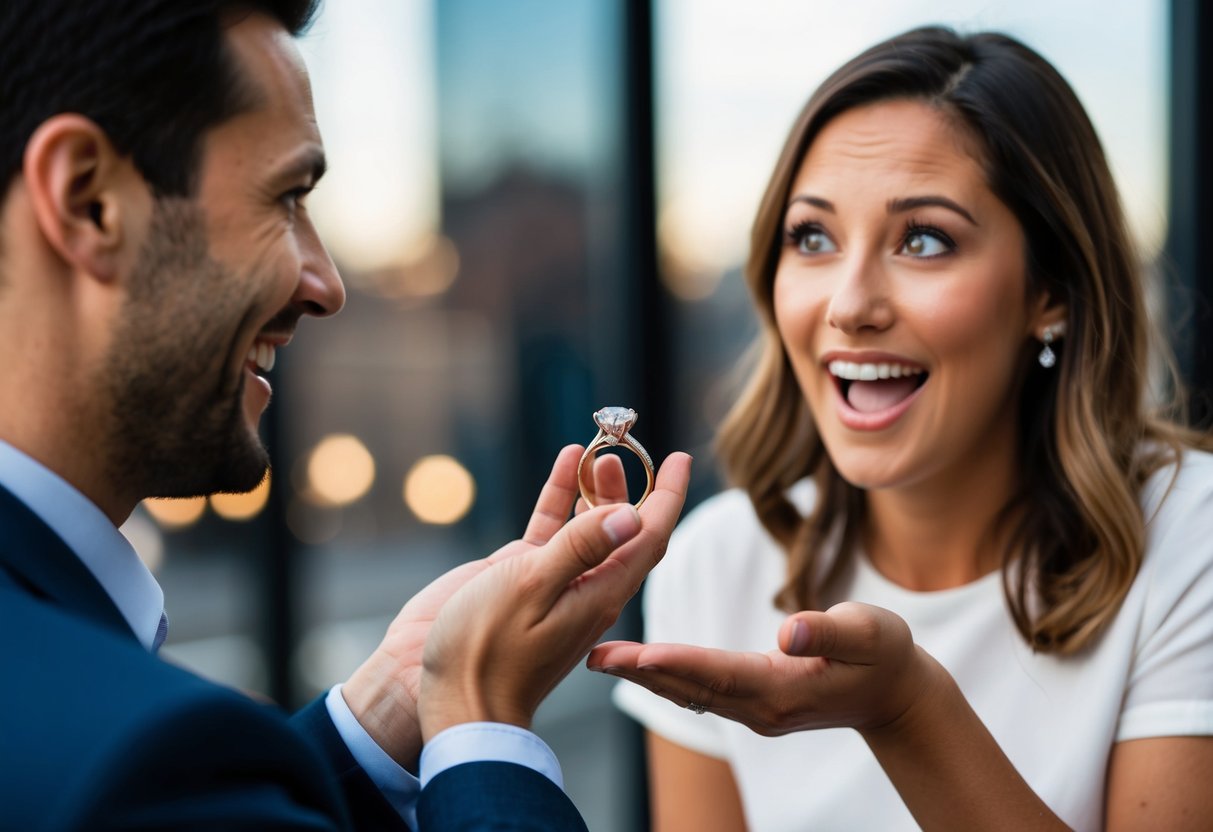
This shift reflects changing views on relationships and finances. Couples today often discuss their preferences and budgets openly, ensuring both partners feel comfortable with the decision. By sharing costs or having both partners involved, you can create a more personal and meaningful experience.
Understanding who traditionally pays for the guy’s engagement ring can help you navigate this conversation with your partner. Whether you go the traditional route or opt for something modern, what matters most is that the choice feels right for both of you.
Understanding Engagement Ring Traditions

Engagement ring traditions have changed over the years. You might be curious about how these customs started and what materials are used for rings today.
The Evolution of Ring Giving Practices
Traditionally, giving an engagement ring has been a symbol of commitment. In many cultures, it was common for the groom to buy the ring for the bride. Over time, this practice has evolved.
Now, it’s not just the groom who buys the ring. Many couples choose to shop for their rings together, making the process a shared experience. This shift reflects a more modern view of partnerships.
Additionally, some men also wear engagement rings. This trend highlights changing attitudes toward traditions and gender roles. It’s great to see that what was once a one-sided practice has become more inclusive.
The Significance of Materials Used
The choice of materials for engagement rings matters a lot. The most popular metals include white gold, yellow gold, rose gold, silver, and platinum. Each has its unique look and symbolizes different qualities.
Diamonds are the classic choice for stones. They represent strength and everlasting love. However, many couples now opt for colored gemstones like sapphires or emeralds, adding a personal touch.
When choosing a ring, consider what reflects your style and values. The materials you select can express your personality and commitment to each other.
Who Buys the Engagement Ring for the Groom?

When it comes to buying an engagement ring for the groom, various traditions and modern practices come into play. How this responsibility is shared can depend on cultural expectations, the relationship dynamics, and the couple’s personal preferences.
Exploring Cultural Expectations
Traditionally, the groom was expected to buy the engagement ring for the bride. However, cultural norms are shifting. In many cultures, it’s becoming more common for the bride to contribute to or even purchase the groom’s ring. You might find that in some cultures, families or communities expect different practices when it comes to the purchase of wedding rings. Keep in mind that each couple can create their own rules that fit their situation.
Considerations for Same-Sex Couples
In same-sex relationships, the question of who buys the engagement ring may differ significantly from traditional norms. Both partners may choose to buy matching rings or split the costs equally. It’s important to discuss preferences openly. This can lead to shared decisions regarding style and financing. Both partners can feel included and valued in the ring selection process, making it special for each of you.
When Roles and Responsibilities Shift
Today’s couples often reject strict gender roles when it comes to wedding expenses. You might decide that both partners buy their wedding rings together. In this scenario, each partner can choose styles that fit their taste and budget. This approach fosters a sense of equality and shared responsibility. If finances are tight, consider exploring less expensive options or using family heirlooms. This can allow both of you to participate meaningfully without overspending.
Selecting the Groom’s Ring
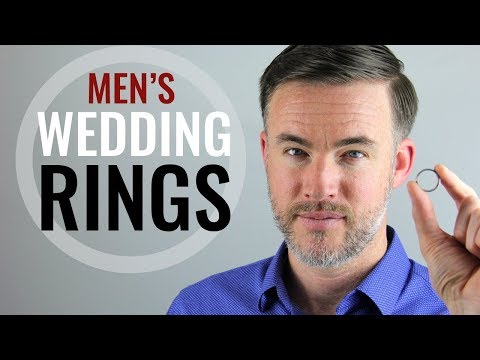
Choosing the right ring for the groom involves careful decisions about style, size, and personal preferences. This process can be fun and meaningful as you consider options that fit your lifestyle and taste.
The Decision-Making Process
When selecting a groom’s ring, start by discussing styles with your partner. Popular choices include classic metals like gold or modern options such as tungsten and titanium. Each material has unique qualities. For example, tungsten is very durable, while titanium is lightweight.
Think about whether you want a simple band or one with embellishments like engraving or inlays. Some couples prefer matching wedding bands which can enhance the connection between both rings. Take time to browse designs together and reflect on what truly represents your relationship.
Ring Size and Comfort
Getting the right ring size is crucial for comfort and wearability. It’s best to measure your finger size at the end of the day when fingers tend to be slightly larger. You can use a ring sizer tool or visit a jeweler for a professional measurement.
Consider the width and thickness of the band as wider rings may feel tighter than thinner ones. If you choose a heavier material like tungsten, think about how it will feel during everyday activities. Comfort is key, especially if you plan to wear the ring every day. You might also want to explore options for resizing if necessary.
Financing the Engagement Ring

Financing an engagement ring can seem daunting, but knowing your options can make it easier. You can take steps to budget properly and consider custom choices to match your financial situation.
Budgeting for the Ring
When planning for the engagement ring, creating a realistic budget is essential. Start by determining your total budget and how much you are willing to spend on the ring. The average cost of engagement rings ranges from $5,800 to $6,000, according to recent studies.
Here are some factors to consider:
- Income: Assess your monthly income and expenses to pinpoint a comfortable price range for the ring.
- Savings: Consider any savings that can be used to help cover costs.
- Financing Options: Explore financing options like personal loans or in-store financing with 0% APR offers. Some jewelers provide special promotions that can ease the financial burden.
The Option of Customization
Customizing an engagement ring can help you create a unique piece that fits both your taste and budget. Many jewelers allow you to select various elements, including the stone, setting, and metal type. This option can help you save money while giving you more control over the final look.
Key points for customization include:
- Setting Choices: You can choose a simple setting to lower costs or go for a more intricate design if your budget allows.
- Stone Selection: Consider alternative stones such as lab-created diamonds or other gemstones that may suit your style and budget better.
- Metal Options: Different metals have varying price points. For example, gold, platinum, and silver come with different cost implications.
Customizing your ring not only makes it special but can also make financing easier by keeping the costs within your ideal budget.