
Who Pays for the Husband’s Wedding Band? Understanding Traditional and Modern Practices
When planning a wedding, many questions arise about who is responsible for various expenses, including the wedding band for the groom. Traditionally, each partner pays for the other’s wedding band, reflecting equality in the marriage. However, in modern couples, approaches vary widely based on personal preferences and finances.
As you navigate these decisions, remember that the focus should be on what feels right for you and your partner. Whether you choose to split the costs or handle it differently, communication is key. Exploring how other couples handle wedding expenses can help you find a solution that suits your relationship and budget.
The Tradition of Wedding Band Expenses
Wedding band expenses have a rich history that varies across cultures and have changed over time. Understanding these traditions helps clarify who typically pays for a husband’s wedding band and how customs have evolved.
Historical Context of Wedding Bands
Traditionally, wedding bands symbolize commitment and love. In many cultures, the bride’s family paid for the groom’s wedding band. This tradition often reflected family dynamics and the roles expected of each partner during marriage.
In Western cultures, the groom usually purchased the bride’s wedding ring. The groom’s band was sometimes a smaller cost, signifying different societal views of gifts and responsibilities in a marriage.
Cultural practices often dictate who covers these expenses. In some Asian traditions, it’s customary for the groom’s family to bear the costs, including wedding rings. This reflects broader wedding expenses, which can shift based on regional customs.
Modern Shifts in Wedding Band Traditions
Today, who pays for the husband’s wedding band is often different from past practices. Many modern couples choose to share these expenses jointly. You might shop for your own rings, splitting costs evenly or taking turns paying for each other’s bands.
The choices you make in purchasing wedding bands can express your individuality. Some couples prefer to buy matching bands, emphasizing equality in their relationship.
This shared responsibility often resonates with contemporary values of partnership and mutual support. Couples are making their own rules in crafting a unique wedding experience.
Considering Financial Situations
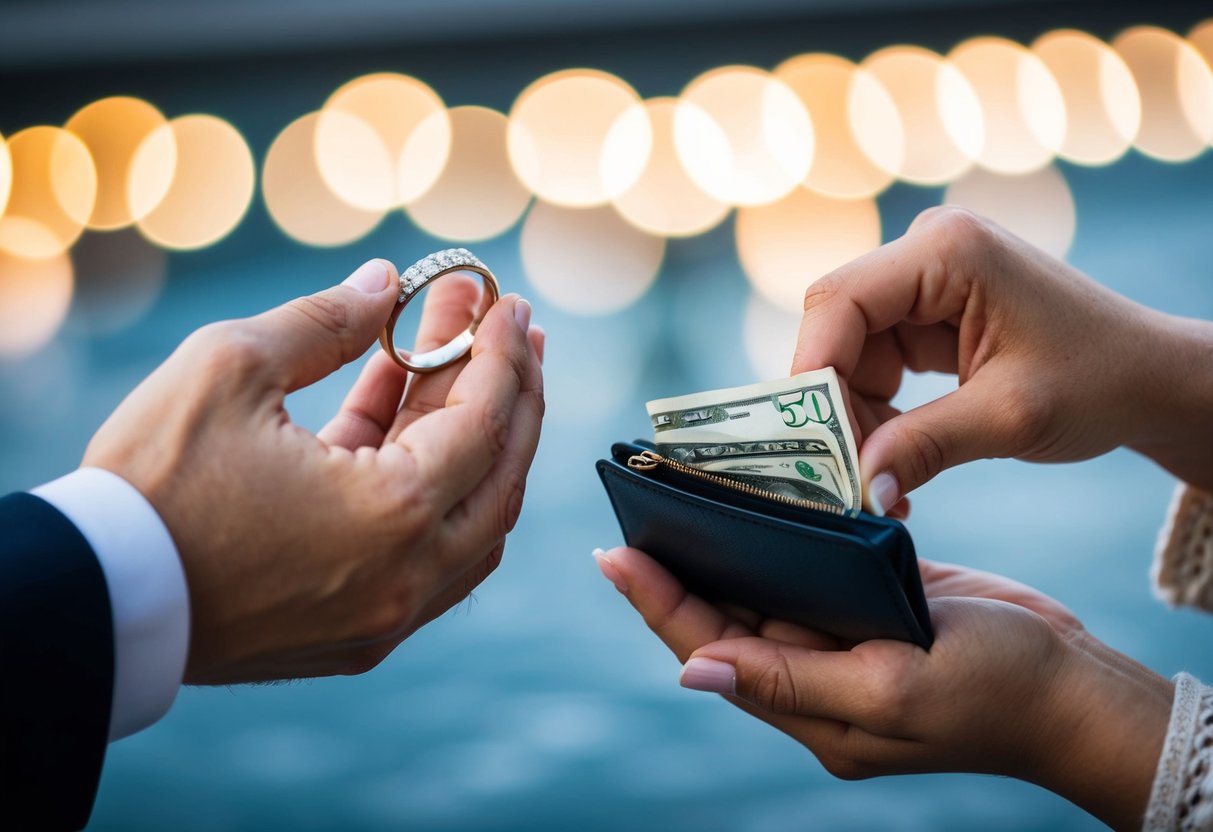
When planning for a husband’s wedding band, it’s crucial to think about your financial situation. This involves budgeting and having open conversations about how to split costs. You want to ensure both partners feel comfortable with the financial decisions made.
Budgeting for Wedding Bands
Start by setting a wedding budget that includes the cost of wedding bands. Decide how much you can realistically spend without overextending yourselves. Consider the following:
- Research prices: Look at different stores and online options to find bands in your price range.
- Determine individual contributions: If one of you has a more flexible budget, discuss how that might impact decisions.
- Prioritize your expenses: Make a list of what matters most. If the wedding bands are important, allocate funds accordingly.
Having a clear budget helps you stay on track and reduces stress as your wedding day approaches.
Open Communication about Finances
Honest and open communication about finances is essential. Talk about your spending habits and any debts you might have. Discussing how to split costs ensures both partners feel heard. Here are some tips:
- Discuss financial situations: Share your individual financial backgrounds to get a better picture of each other’s perspectives.
- Decide how to share costs: You might choose to split the cost evenly or have one partner cover more based on their financial situation.
- Keep checking in: As you make decisions, stay in touch about any changes in your plans or budgets.
Good communication can lead to a better understanding and a smoother planning process for your special day.
Decision Making for Couples

Deciding who pays for the husband’s wedding band can involve thoughtful discussions between partners. This process also includes selecting the right wedding bands and understanding the role of engagement rings in your overall wedding planning.
Selecting the Right Wedding Bands
Choosing the perfect wedding band is important. Start by setting a budget that works for both of you. Wedding bands can range from $200 to $2,500, so knowing how much you can spend is crucial.
Consider the style and material that appeals to you. Popular options include gold, silver, and platinum. Matching wedding bands are also a lovely choice to symbolize your commitment. Discuss with your partner what styles you both like.
Visiting a few jewelers can help you get a feel for different bands. Remember, it’s not just about cost; it’s about finding something that both of you love and will cherish for years to come.
The Role of Engagement Rings
While wedding bands are essential, don’t forget about engagement rings. Traditionally, one partner buys the engagement ring, but couples today often split costs or choose together.
The engagement ring may influence budget decisions for the wedding band. When discussing costs, remember that both rings are symbols of your love.
As you plan your wedding ceremony, think about how both rings represent this special time. They are tokens of your union, so ensure they reflect your values and style.
The conversation about who pays for which ring can help make the entire decision-making process smoother.