
Who Pays for the Wedding Band? Understanding the Costs and Traditions
Deciding who pays for the wedding band can be tricky. Many different traditions and modern practices affect this decision. Traditionally, each partner pays for the other’s wedding band. But today, many couples prefer to share the costs as they plan their wedding budget together. This can be a great way to start your new life as a team, making financial decisions together.
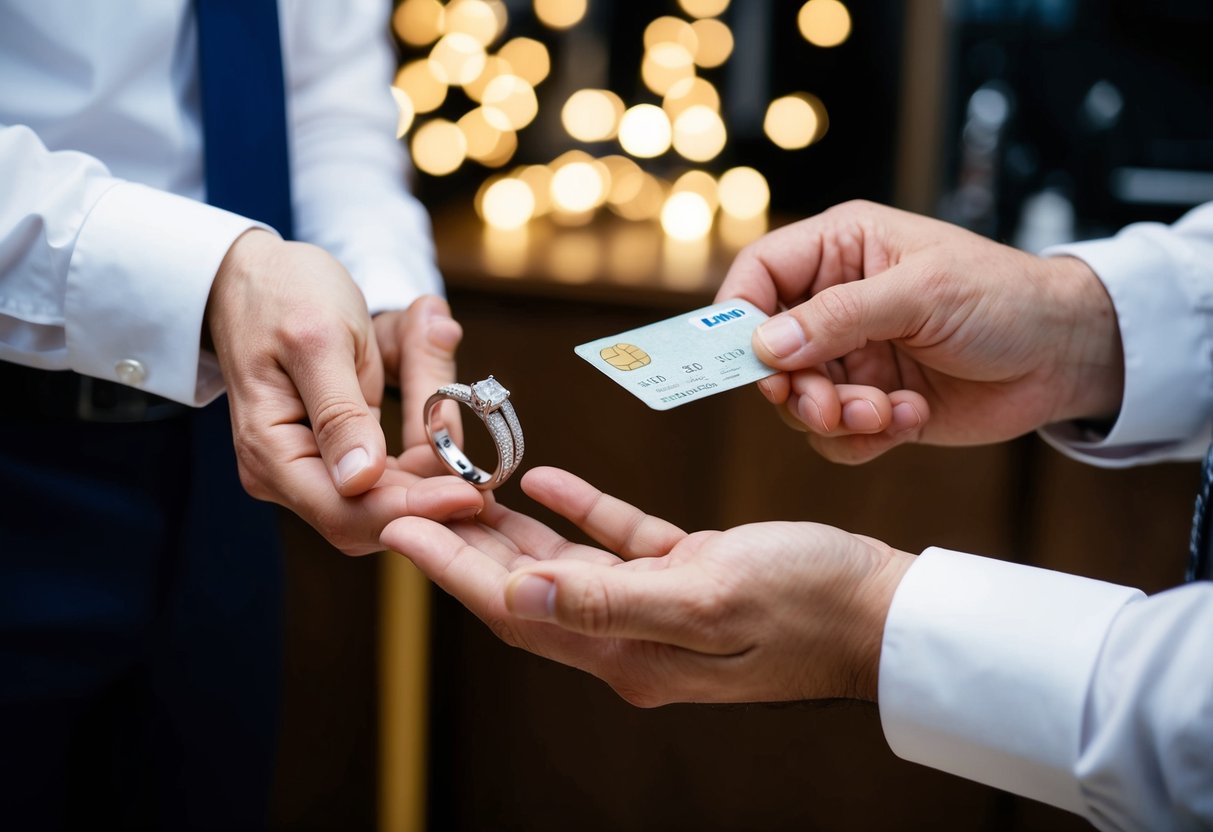
As you plan your wedding expenses, it’s important to think about your financial situation and what feels comfortable for you both. Some couples may lean towards the traditional route, while others may choose a more non-traditional approach based on their values and relationship dynamics. Whatever you decide, it’s essential to communicate openly about your expectations and preferences.
Navigating wedding etiquette can be overwhelming, but knowing the general guidelines can help simplify the decisions you face. Whether you stick with tradition or create your own unique style, discussing who pays for the wedding band is an important step in preparing for your special day.
Understanding Wedding Band Costs
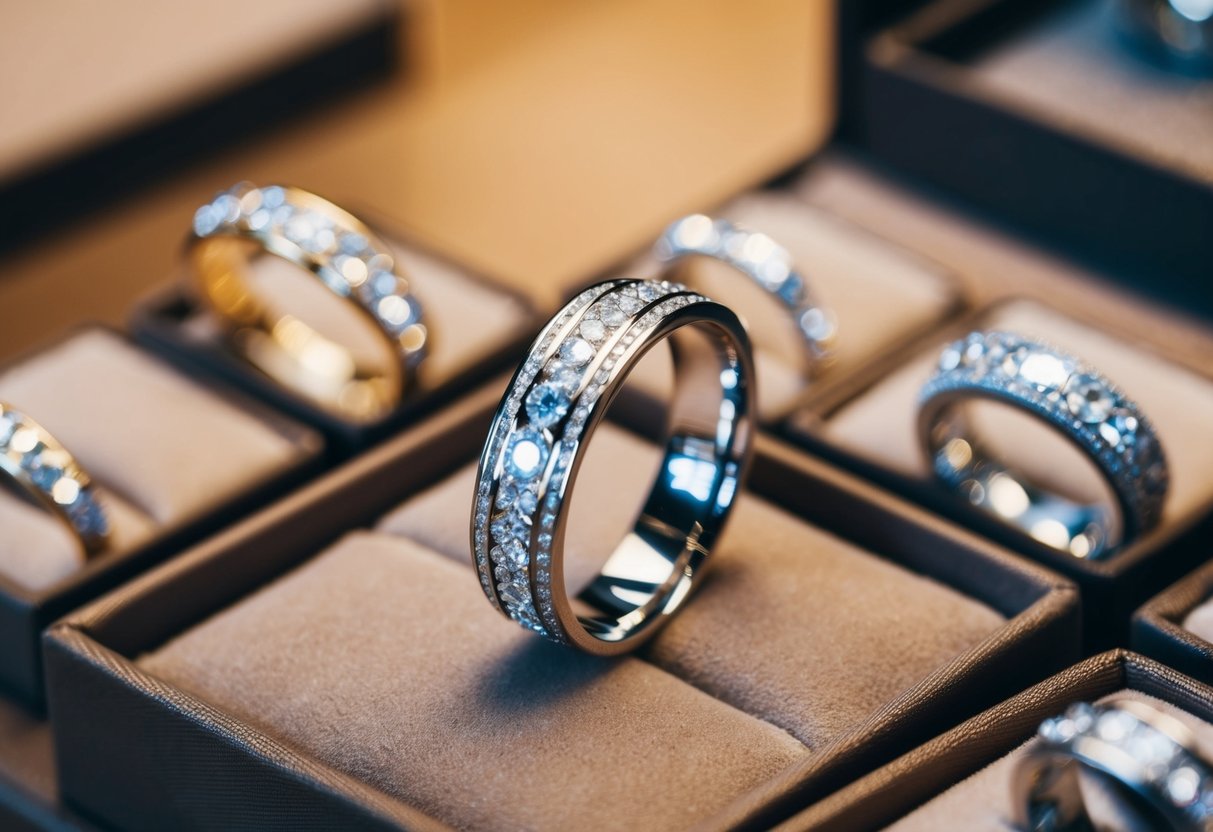
When it comes to wedding bands, knowing what affects their cost can help you plan better. Various factors contribute to the price, including materials, design, and size. You’ll also want to distinguish between wedding bands and engagement rings, as they can vary significantly in cost and style.
Factors Affecting the Cost of Wedding Bands
Several elements influence the cost of wedding bands. The first is the material used. Common options include gold, platinum, and titanium. Gold bands are often in 14k or 18k, affecting their weight and price.
Another factor is the design. Simple bands tend to cost less than those with intricate designs or hand engravings. If you opt for DIY customizations, those can also raise the price.
The presence of gemstones or diamonds will increase the cost dramatically. The carat weight, quality, and number of stones contribute to the final price. On average, you might find wedding bands priced between $200 and $2,500, depending on these choices.
Comparing Wedding Bands and Engagement Rings
Wedding rings and engagement rings are both important but often have different price ranges. Engagement rings, typically featuring a larger center stone, usually cost more. The average price often starts around $1,000 and can go much higher depending on the quality of the diamond and the design.
Conversely, wedding bands tend to be simpler. They focus more on comfort and personal style rather than showcasing a prominent gemstone. While you might find some wedding bands for as little as $200, others can be more elaborate with diamonds or unique features, reaching prices of over $1,000.
Understanding these differences can help you allocate your budget effectively as you shop for your perfect rings.
Traditional and Modern Perspectives on Paying for Wedding Bands
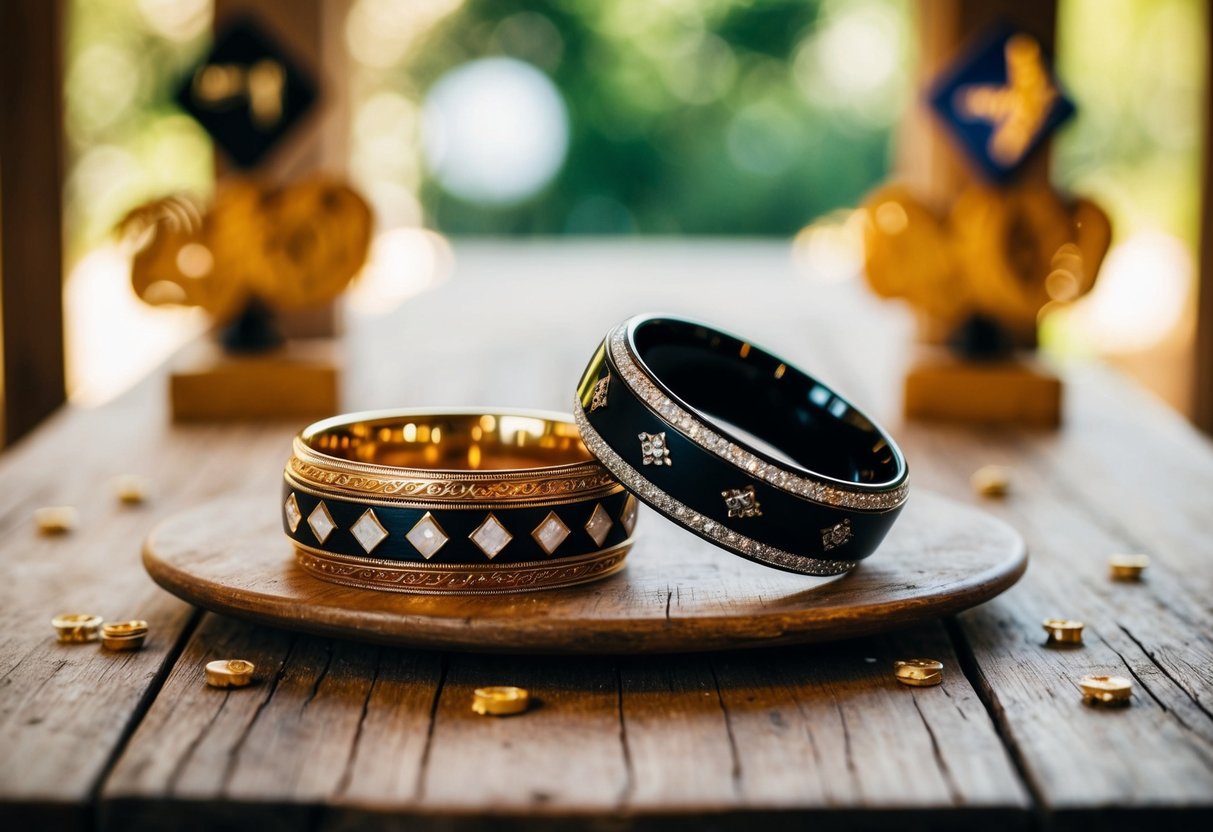
When planning your wedding, understanding who pays for the wedding band can help guide your decisions. Traditional customs often influence choices, but many couples today consider modern views that emphasize personal preferences and shared finances.
Who Pays According to Tradition
Traditionally, the groom paid for his wedding band while the bride covered her own band. This custom dated back many years and reflected societal roles. Often, families contributed to these costs based on their traditions or financial capabilities.
In some cultures, the bride’s family might take responsibility for all wedding-related expenses, including the rings. This way, the clear roles made it easier to navigate payment responsibilities. It is important to discuss these customs with your partner and consider how they fit with your values.
Contemporary Views and Decisions
In modern relationships, the lines are more blurred. Many couples choose to share the costs of wedding bands, reflecting their partnership. You might decide together on a budget and look for rings that match both of your styles.
Some couples even opt for matching bands or styles, representing unity. Personal preferences play a key role today, with many prioritizing the significance of the rings over traditional payment methods. Open discussions about finances can lead to agreements that feel right for both partners, allowing for a more personalized approach to planning your wedding.
Planning Your Wedding Band Purchase
When planning for your wedding bands, it’s essential to think about your budget and personal styles. These choices will help you stay organized and ensure a smoother shopping experience.
Setting a Realistic Wedding Ring Budget
Before you start shopping, take time to set a realistic wedding ring budget. A common guideline is to allocate around 3-8% of your total wedding budget for your rings.
For example, if your wedding budget is $30,000, consider spending between $900 and $2,400 on wedding bands.
Think about what features are most important to you. Are you looking for simple bands or more elaborate designs? Remember to include additional costs like taxes and engraving in your calculations. By knowing your budget, you can avoid overspending and focus on rings that fit your financial plan.
Matching Wedding Bands vs. Individual Preferences
When choosing wedding bands, you can decide whether to go for matching wedding bands or select styles that reflect your individual preferences.
Matching bands can symbolize unity and shared commitment. They often have similar designs or materials, making them look great together.
On the other hand, individual preferences allow you both to choose rings that show your unique styles. You might want a classic band, while your partner prefers something modern.
Start by discussing what you both like and what feels right.
Consider factors like ring size, metal type, and overall design.
Balancing shared choices with personal tastes can create a meaningful connection with your wedding bands.