
Who Pays for the Wedding Dress? Exploring Traditions and Modern Practices
Planning a wedding comes with many questions. One of the most common is about who pays for the wedding dress.
Traditionally, the bride’s family has covered the cost of the dress. However, many modern couples are now sharing expenses or paying for their wedding attire themselves. This shift reflects changing times and helps ease the financial burden on families.
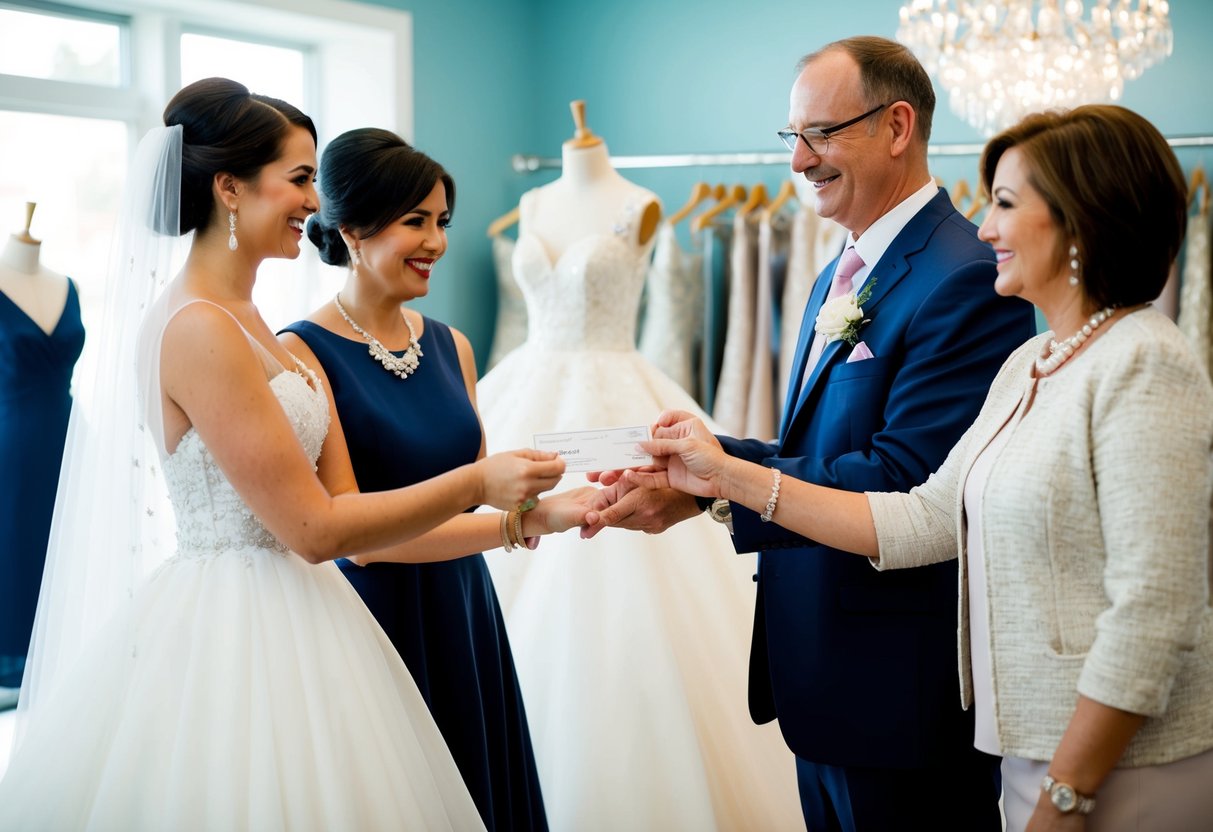
As you dive into the details of your wedding dress budget, it’s important to know what is typical today. Many brides are taking charge of their own dress costs, allowing for more personal choice. You may find that your wedding dress expenses are just one part of a larger conversation about shared wedding costs.
Understanding how families handle financing can help you navigate your own plans smoothly. Whether family members contribute or you choose to cover it together, knowing who typically pays can make decisions easier.
Understanding Wedding Expenses
When planning a wedding, knowing what to expect in terms of expenses can help you manage your budget effectively. Several key factors influence the overall costs, and understanding them can make a significant difference in your planning process.
Key Cost Factors
Wedding expenses can add up quickly. Here are some major areas to consider:
- Venue Rental: This is often the largest single expense. The cost varies based on location and capacity.
- Catering and Alcohol: Food and drink for guests can be costly. Plan for a per-person cost to avoid surprises.
- Wedding Dress: This is a crucial expense for many brides. Consider alterations as part of your budget.
- Flower Arrangements: Budget for bouquets, centerpieces, and other floral decorations.
- Wedding Planner: Hiring a planner may seem like an extra cost but can save you time and possibly money in the long run.
By focusing on each of these factors, you can create a more accurate wedding budget.
Budgeting for the Big Day
Creating a wedding budget involves listing your expected expenses in detail. Start with the essentials, such as:
- Venue and Date: Secure your venue, as prices may vary by season.
- Invitations: Estimate costs for save-the-date cards, invitations, and thank-you notes.
- Transportation: Don’t forget transportation costs for you and your guests on the wedding day.
- Marriage License: Ensure you set aside funds for obtaining your marriage license.
Track your expenses as you go along. This approach helps you stay within your budget and adjust as necessary. Planning is key to making your dream wedding a reality without financial stress.
Traditional Responsibilities
Understanding who pays for various wedding expenses can help avoid confusion. Each family traditionally has certain responsibilities, which can guide you as you plan your big day.
Bride’s Family Contributions
Traditionally, the bride’s family takes on many costs related to the wedding. This includes the wedding gown, which is often one of the most expensive items. Other expenses they typically cover are the bridal shower, invitations, and the flowers for both the ceremony and reception.
The bride’s parents may also pay for the rehearsal dinner, where the wedding party can gather before the big day. Additionally, they are usually responsible for hiring the wedding planner and covering the costs of any bridal consultants.
Overall, the bride’s family plays a significant role in the financial planning of the wedding, ensuring everything is organized and special.
Groom’s Family Contributions
Traditionally, the groom’s family also has specific financial responsibilities. They usually cover the costs of the groom’s ring and the officiant’s fees. This family is also typically responsible for items like the rehearsal dinner, which allows the families to get to know each other better.
Sometimes, the groom’s family may contribute to the wedding day expenses, such as paying for the marriage license or flowers for the groom and groomsmen. It’s important to discuss these contributions openly with both families to keep everyone on the same page.
Bridal Party Expectations
The bridal party, including bridesmaids and the maid of honor, often has their own costs when it comes to weddings. Typically, they are expected to pay for their dresses and accessories, which can sometimes be a financial burden. It’s a good idea to consider budget-friendly options to keep everyone comfortable.
In addition, the bridal party might cover their travel expenses to the wedding location. If they have specific duties at events like the bridal shower, hosting may be expected as well. Clear communication can help set expectations while keeping stress low for your friends and family.
Modern-Day Considerations
As you plan your wedding, understanding who pays for the wedding dress can be crucial. Modern-day couples often navigate new traditions and etiquette surrounding wedding costs. Here are some important considerations to keep in mind.
Evolving Etiquette
Traditionally, the bride’s family covered the wedding dress cost, but this has changed. Many brides now pay for their own dresses, reflecting independence and personal choice. Some couples choose to cover all wedding expenses together, including the dress, which creates a partnership feel.
It’s important to communicate with your family about financial expectations. Discussing who is comfortable contributing can clarify everyone’s role.
Modern couples often mix traditional roles with their unique situations. You might consider blending old and new practices to fit your values and preferences.
Dividing Costs Among Families
Today, many couples see value in splitting costs equitably among families. The bride’s family may still pay for the dress while the groom’s family covers the rehearsal dinner or his attire.
To avoid misunderstandings, create a detailed budget. Identify which expenses each family will cover. This clarity can ease tension while planning.
You may also want to discuss contributing to joint expenses, like the venue or catering. Flexibility and open discussions allow families to support the couple more meaningfully.
The Couple’s Contribution
More couples are taking an active role in their wedding finances. You might choose to contribute directly to your wedding dress, engagement party, or other costs. This approach shows commitment and teamwork.
Consider setting a budget for your dress. Research prices and options before making decisions. You’ll want to ensure that you find the perfect fit without overspending.
When you and your partner share responsibilities, it can strengthen your relationship. Discuss which elements mean most to both of you. This way, you can prioritize spending for your big day together.
Planning Your Wedding Attire
Choosing wedding attire is an important step in your wedding planning. You want to feel special on your big day, so picking the right outfits for you and your partner is key. Let’s explore how to select a wedding dress and groom’s attire.
Choosing a Wedding Dress
Selecting your wedding gown is often one of the most exciting parts of wedding planning. Start by setting a budget so you know what you can afford.
Research styles that flatter your body shape—A-line, mermaid, or ball gown, for example.
Visit bridal shops to try on different designs. Consider materials, such as lace or satin, and think about how comfortable you will feel. Don’t forget the accessories! A veil, shoes, and jewelry can complete your look.
You might also consider whether to buy or rent your dress. Each choice has its benefits, so weigh them carefully based on your preferences.
Groom’s Attire and Accessories
For the groom, attire is equally important. Start by discussing styles with your partner. Do you envision a classic suit, tuxedo, or something more casual? Once you have a style in mind, set a budget for the outfit.
Visit stores or browse online to find the right fit. Accessories also play a role. Consider a tie or bowtie, cufflinks, and dress shoes to elevate the look.
Don’t forget about the groom’s ring! It should match his personal style and comfort. The right outfit will ensure he feels confident walking down the aisle alongside you.