
Who Pays for the Wedding Welcome Dinner? A Guide for Couples and Families
Planning a wedding is exciting, but it comes with many questions about expenses. One common question couples ask is who pays for the wedding welcome dinner.
Traditionally, the groom’s family is responsible for covering the costs of the welcome party. This can include food, drinks, and venue fees.
This can be a wonderful way to kick off your wedding weekend and connect with guests.
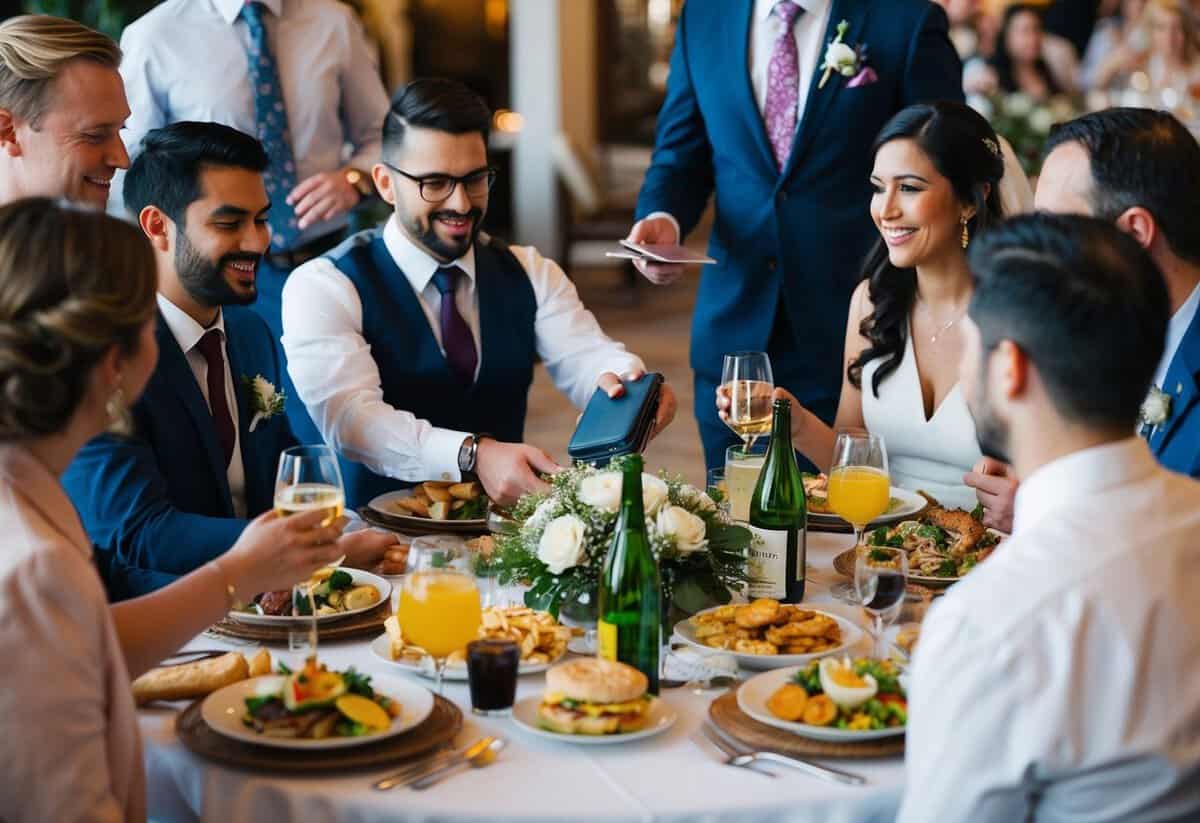
As you prepare your guest list, consider how a welcome dinner can set the tone for the celebrations ahead. It’s a chance for everyone to mingle before the big day, making it memorable for both you and your guests.
Knowing who handles the expenses can help make your planning smoother and ensure that expectations are clear from the start.
Understanding Wedding Welcome Dinners

A wedding welcome dinner offers a chance for guests to connect before the big day. This casual gathering is often more relaxed than the wedding itself, setting the tone for a joyful celebration.
Significance of the Welcome Dinner in Wedding Celebrations
The welcome dinner holds importance in wedding festivities. It allows guests, including family and friends, to mingle, relax, and bond. This is especially valuable if many guests are traveling from afar.
Typically held the night before the wedding, this event can ease any pre-wedding jitters. It can create a friendly atmosphere, encouraging everyone to get to know each other.
Inclusion of both families can be a lovely touch. This allows for connection across in-laws, fostering relationships early on.
The atmosphere is usually casual, increasing comfort levels before the ceremony. Many couples choose to highlight personal elements, such as favorite foods or local cuisine, making it even more special.
Comparison With Rehearsal Dinners and Receptions
While similar to rehearsal dinners, welcome dinners serve different purposes. A rehearsal dinner usually focuses on those involved in the ceremony, such as the wedding party and close family.
In contrast, welcome dinners often include all wedding guests. This broader invitation enhances the celebratory spirit.
Receptions follow the wedding ceremony, offering a different vibe. These are more formal, featuring dining, speeches, and dancing.
In summary, welcome dinners are about casual connections. They serve as a warm-up to the various celebrations, promoting a sense of community among attendees.
Who Traditionally Pays for the Welcome Dinner?
When planning your wedding, the welcome dinner is an important event that sets the tone for the celebration. Understanding who pays for it can help ease any stress you may feel about finances.
Roles of the Bride’s and Groom’s Parents
Traditionally, the groom’s parents are responsible for covering the costs of the welcome dinner. This custom dates back many years and is part of the broader wedding etiquette. The dinner is often seen as a gesture of hospitality from the groom’s family, allowing guests to mingle before the wedding day.
While the groom’s parents usually pay, the bride’s parents can also contribute. Many modern couples choose to split the costs, allowing both families to have a part in the celebration. This approach fosters unity and cooperation.
How Same-Sex Couples Navigate Expenses
For same-sex couples, the traditional roles may not apply. Both partners can discuss expenses openly to find a balance that works for them.
You might choose to split the costs evenly or have one partner take responsibility for specific events.
Open communication is key here. If both families are involved, discussing financial responsibilities can help avoid misunderstandings. Many same-sex couples create their own traditions that blend aspects from both families, providing a unique touch to their celebrations.
Evolving Wedding Etiquette and Expectations
Wedding etiquette is changing, especially around who pays for what. Couples today are redefining traditions based on their personal preferences and financial situations.
Co-hosting is becoming common practice. You and your partner might decide to pay for the welcome dinner together, regardless of family tradition. This new approach emphasizes partnership and reflects modern values.
Additionally, guests are more accepting of couples choosing non-traditional funding methods. As wedding norms evolve, it’s essential to focus on what feels right for you and your partner, creating an enjoyable experience for everyone.
Planning and Budgeting for the Welcome Party

When planning a wedding welcome party, careful budgeting is essential. Knowing how to allocate funds can help make this event enjoyable while staying within your overall wedding budget.
Allocating Funds Within the Wedding Budget
Start by determining how much you can afford to spend on the welcome party. Dedicate a specific percentage of your overall budget for this event.
For example, you might allocate 10-15% of your total budget to the welcome party.
Key areas to consider:
- Venue Costs: Renting space can vary widely. Look for options that fit your budget.
- Food and Beverage: Decide if you’ll have a sit-down meal, buffet, or cocktail-style party. Each choice has different price points.
- Decorations: Think about what decorations you need and how elaborate you want them to be. Simple centerpieces can save money.
Make sure to track all expenses closely to avoid overspending.
Considerations for Destination Weddings
If your wedding is a destination event, additional factors arise in budgeting for the welcome party. Guests traveling may inspire a more casual and welcoming atmosphere, which can affect your choices.
Things to consider include:
- Travel Costs: Consider airfare, hotels, and transportation for you and your guests.
- Group Discounts: Seek package deals for accommodations and group activities. Negotiating discounts can reduce overall costs.
- Guest Experience: Prioritize creating a memorable experience with local flavors and activities, but keep an eye on expenses to avoid going over your budget.
Careful planning ensures that your welcome party is both fun and affordable.
Involving a Wedding Planner or Consultant
Hiring a wedding planner or consultant can ease budgeting for your welcome party. These professionals often have experience managing costs and can make the planning process smoother.
Benefits of hiring a planner:
- Budget Management: They can help you stay within your budget by finding cost-effective solutions.
- Vendor Connections: A planner usually has contacts for venues, caterers, and decorators, which can save you time and effort.
- Stress Reduction: They handle many logistics, giving you peace of mind as you prepare for your big day.
If your budget allows, consider working with a planner to streamline your planning process.
Welcome Dinner Ideas and Activities

Planning a memorable welcome dinner involves fun themes, tasty food, and engaging activities. Your choices can set a warm tone for the upcoming wedding and create cherished moments for your guests. Here are some thoughtful ideas to inspire your planning.
Creative Themes and Decor
Choosing a theme can make your welcome dinner special. Think about what represents you as a couple.
Popular themes include rustic charm, beach vibes, and elegant garden parties.
For decor, use simple elements like string lights, fresh flowers, and personal photos. A cozy seating arrangement can encourage conversation.
Consider adding a fun backdrop for pictures or an interactive element like a guest book where everyone can leave messages.
Your decor doesn’t need to be extravagant; even small touches can create a warm atmosphere.
Selecting Catering and Entertainment Options
Food is a key part of your welcome dinner. Consider using a local caterer who can provide dishes that reflect your tastes.
Options might include buffets, food stations, or even food trucks for a casual feel.
For entertainment, think about hiring a local musician or creating a playlist of your favorite songs.
You could also plan fun activities like a mini trivia game about your relationship or a photo booth with props for entertainment.
This creates a lively environment where guests can interact and enjoy themselves.
Incorporating Personal Touches and Wedding Gifts
Adding personal touches can make your dinner memorable. You can share your love story through a slideshow or create a custom menu that features your favorite dishes.
You can also consider giving small wedding gifts to your guests. For example, you can give personalized ornaments or homemade treats. Not only do these give everyone a keepsake, but they also show your appreciation for their presence.
These elements can enhance the overall experience and make your welcome dinner feel unique to you and your loved ones.