
Who Pays for the Wife’s Wedding Band? Understanding Wedding Traditions and Responsibilities
When planning your wedding, one of the many questions that arise is about who pays for the wife’s wedding band. Traditionally, the groom is responsible for buying the engagement ring and the wedding band for his bride. However, modern couples often approach these expenses differently, making their own choices based on their preferences and financial situations.
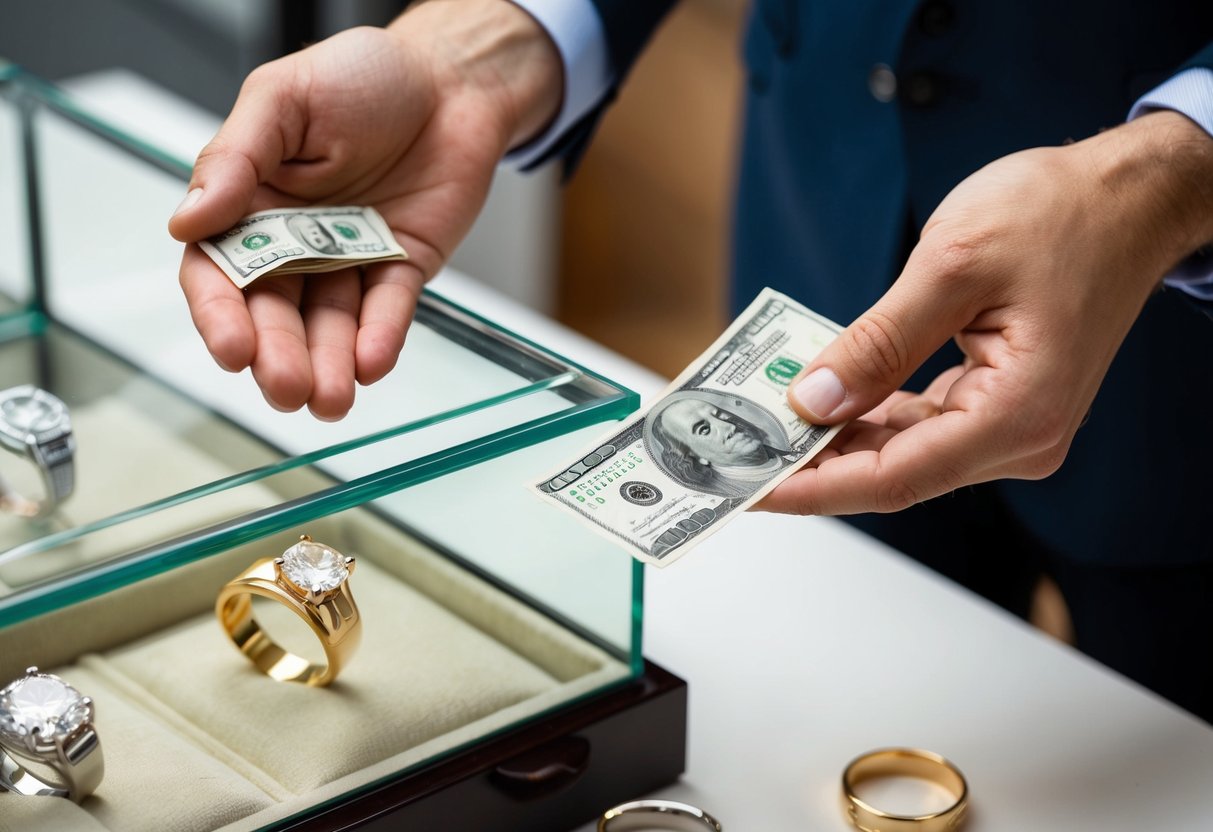
Wedding expenses can vary greatly, and understanding the customs around them can help you navigate this important decision. Many couples now share costs or decide together who will purchase specific items, including wedding bands.
Whether you lean toward tradition or choose a more modern approach, clear communication will ensure you’re both happy with the results.
As you prepare for your big day, remember that the wedding band symbolizes your commitment. How you decide to pay for it can be just as meaningful, reflecting your partnership and shared values. Exploring these options together can lead to a more personal and memorable experience.
Traditions and Responsibilities

When it comes to purchasing wedding bands, there are certain traditions and responsibilities that often guide couples. Understanding these customs can help you navigate the expectations associated with wedding planning.
Understanding Wedding Etiquette
In traditional wedding etiquette, it was common for the bride’s family to cover the cost of the bride’s ring, including her wedding band. The groom typically paid for his own wedding band. This division of expenses stems from historical customs, where families took on specific roles in wedding planning.
You may find that these traditions vary based on personal choices and family practices. Today, some couples choose to split the costs based on their finances or even buy rings together. Communication is key; discussing preferences with your partner can make the process smoother.
Evolving Traditions
Traditions around wedding bands have evolved over the years. While customs once prescribed who pays for what, modern couples often take a more flexible approach. Many no longer feel bound by previous norms and make decisions that reflect their shared values.
The price of wedding bands also plays a role in these evolving traditions. According to recent findings, the average cost for a wedding band can range from $200 to $2,500, which can influence who pays. Couples are willing to invest more in meaningful designs that represent their unique relationship.
In today’s world, it’s more about what feels right for you and your partner. Embrace the changes and make your choices together!
Budgeting for the Bands
Planning for wedding bands requires careful budgeting to ensure that you and your partner can find beautiful rings within your financial means. It’s important to allocate funds properly and consider ways to save without sacrificing quality.
Allocating Funds
Start by deciding how much you want to spend on wedding bands. Experts suggest allocating about 3-8% of your total wedding budget for rings.
For example, if your total budget is $30,000, you should consider spending between $900 and $2,400 on the bands.
It’s helpful to discuss budget openly with your partner. This conversation can lead to a shared investment approach, where both of you decide the best way to spend your money.
Remember to consider different factors that might affect the cost such as the material, the design, and where you purchase the rings.
Cost-Saving Tips
There are various ways to save money on wedding bands without compromising quality.
1. Consider Alternative Metals: Options like titanium and stainless steel can be more affordable while still being durable.
2. Shop Sales: Look for seasonal discounts or promotional sales to get better prices.
3. Set a Realistic Budget: Avoid overspending by setting a budget that’s achievable for you.
4. Buy Online: Online retailers often offer better deals compared to traditional stores.
5. Custom Designs: If you’re looking for something unique, sometimes custom designs can be more cost-effective than high-brand jewelry.
By exploring these options, you can stay within your budget while still finding the perfect wedding bands.
Selection and Purchase
Choosing your wedding band is an exciting step. It’s important to consider the materials, the right fit, and unique details to make the ring special for you.
Choosing the Right Material
The material of your wedding band greatly affects its look and feel. Common options include gold, white gold, platinum, and tungsten. Each metal has unique properties.
-
Gold: Classic and warm, gold is popular. You can choose from yellow or rose gold, depending on your style.
-
White Gold: This option has a sleek, modern appearance. It often gets rhodium plated for shine but may require re-plating over time.
-
Platinum: Extremely durable and hypoallergenic, platinum is perfect for everyday wear. Its natural sheen doesn’t fade.
-
Tungsten: Known for its strength, tungsten is scratch-resistant and comes in various finishes.
Consider how these materials fit with your lifestyle and personal preferences.
Finding the Perfect Fit
Getting the right ring size is crucial for comfort. You don’t want it too loose or too tight.
To find your size, visit a jeweler for professional measurement.
If you want to measure at home, try these tips:
-
Use a String: Wrap a string around your finger and mark where it overlaps. Measure the length.
-
Ring Measurements: If you already have rings, use them to find your size by measuring the inner diameter.
Keep in mind that your fingers can change size slightly throughout the day. It’s best to try on rings when your hands are at a normal temperature.
Personal Touches
Adding personal touches makes your wedding band unique. Consider engraving a special date, initials, or a meaningful phrase inside the band. This simple detail can add great sentimental value.
Another way to personalize is by incorporating gemstones or diamonds into your design. You might choose eternity bands that have stones all around for a luxurious look.
You can also mix metals to create a unique effect. For example, a gold band with white gold accents can stand out. Whatever choices you make, ensure they reflect your personal style and love story.
Post-Wedding Considerations
After the wedding, there are several important aspects to think about regarding your wedding bands and your life together. You might consider how the bands fit into your daily life, including any joint investments and budgets. Communication between you and your partner is key.
Life After the Wedding
Once the wedding ceremony is over, your wedding bands become a part of your life together. They symbolize your commitment.
Think about how you’ll handle finances as a couple moving forward.
You might want to discuss your expenses, including the honeymoon. Are both of you comfortable with balancing costs? This can involve decisions about shared spending and potential joint investments.
Additionally, having open communication about finances helps avoid misunderstandings. Discuss how you view spending as a couple. This can strengthen your bond and ensure that both partners feel included.
Maintaining the Bands
Your wedding bands need proper care to stay in great condition. Regular cleaning is essential.
You can use a gentle soap and soft cloth to keep them shiny. If you’re unsure, consider visiting a jeweler for professional cleaning.
Be aware of any wear and tear. If your band gets damaged, repair it promptly. Neglecting small issues can lead to larger problems later.
Also, think about where you wear your bands. For instance, consider taking them off during activities that can cause damage, like sports or heavy lifting.
Making these small efforts ensures your rings stay beautiful and meaningful for years to come.