
Who Pays for Wedding Decorations? Understanding the Costs Involved
When planning your wedding, you might feel overwhelmed by figuring out who pays for decorations. Traditionally, the bride’s family often covers these expenses, but modern practices are becoming more flexible. Understanding this can help reduce stress and make budgeting easier as you plan your special day.
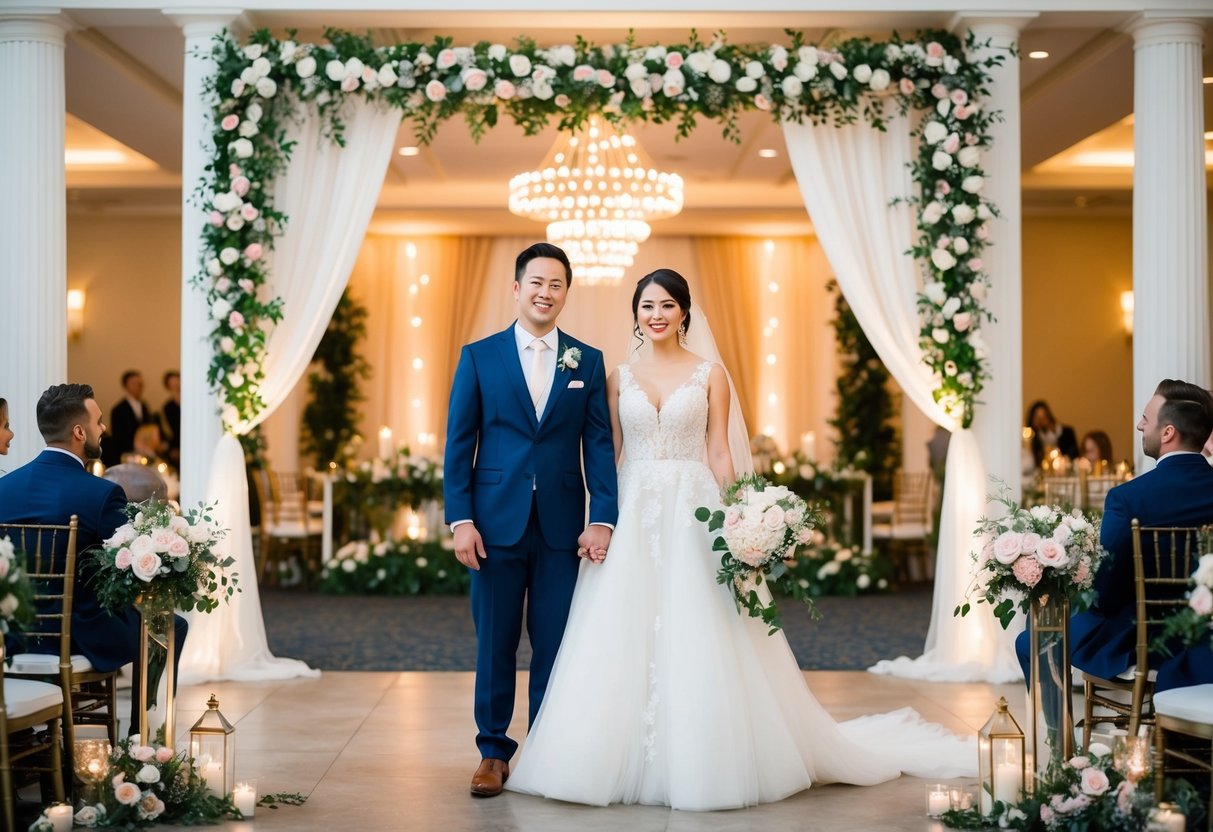
As you navigate your wedding planning journey, you’ll encounter various costs. The average cost of a wedding continues to rise and decorations are a significant part of that. Knowing what is typical can guide you in deciding how to allocate funds. You should also keep in mind any specific cultural or family traditions that may influence your choices.
Whether you choose a grand floral arrangement or simple decor, knowing who handles these costs is essential. Ultimately, open communication with family and your partner can help you align your expectations and create a beautiful setting that reflects your style and budget.
Understanding Wedding Expenses
When planning a wedding, knowing the costs involved is essential. This section breaks down important areas like budgeting for decorations, who traditionally pays for what, and how modern views on expenses have shifted.
The Role of Wedding Budget
Creating a wedding budget is a key step for your big day. Start by listing all possible expenses, including venue, catering, attire, and decorations.
Tip: Set aside around 10-15% of your total budget specifically for decorations. This includes items like centerpieces, backdrops, and floral arrangements. The average cost of a wedding can range from $20,000 to $40,000, depending on location and guest count.
Keeping track of your budget ensures you don’t overspend. Use a spreadsheet or budgeting app to stay organized. This way, you can adjust your plans to fit your financial limits, ensuring a stress-free planning experience.
Traditional Breakdown of Expenses
Traditionally, the bride’s family covers most of the wedding costs, including decorations. They typically pay for the ceremony venue, flowers, and any associated decor.
Here’s a simplified breakdown of traditional expenses:
- Bride’s Family: Wedding dress, flowers, and decorations.
- Groom’s Family: Rehearsal dinner and sometimes the honeymoon.
As you navigate your plans, keep in mind these roles might not apply to everyone. Open discussions about responsibilities with your families can help clarify who pays for what, making it easier for you to plan within your budget.
Modern Perspectives on Who Pays
In recent years, the way couples share wedding costs has evolved. It’s now common for both families to contribute equally or for the couple to take on more costs themselves.
Many couples prefer a more collaborative approach, taking responsibility for different aspects. For example, you and your partner might decide to pay for catering and decorations together.
Flexibility in spending can create a wedding that reflects your shared tastes. It’s important to communicate openly and consider what works best for your situation and budget. This approach allows for a personal touch while managing costs effectively.
Responsibilities of the Bride’s Family
The bride’s family usually takes on several important financial responsibilities in the wedding planning process. This section details what you can expect in terms of attire, floral arrangements, and reception costs.
Bride’s Attire and Beauty
Your family typically covers the costs of your wedding dress, fittings, and accessories. This can include the veil, shoes, and any jewelry you choose to wear.
It’s essential to set a budget so everyone is on the same page. Often, the bride’s mother may accompany you during shopping trips, helping you find the perfect dress that fits well and matches your vision.
Beauty services are also included in this responsibility. This means booking appointments for hair, makeup, and even nails. Choosing a talented stylist can enhance your look and add to the overall wedding experience.
Floral Arrangements and Venue Decor
Your family is usually responsible for floral arrangements, including your bouquet and other decorations for the ceremony and reception. This can range from centerpieces to floral arches and aisle decorations.
Selecting a florist who understands your style can make a big difference. It’s helpful to discuss your preferences early, ensuring they can create beautiful arrangements that complement your theme.
In addition to flowers, your family might cover other decor elements. This can include lighting, table decorations, and any additional items that make the venue feel special. Planning early can help to avoid stress as the big day approaches.
Reception Costs and Wedding Cake
The bride’s family often takes on a significant portion of the reception expenses. This includes catering, drinks, and renting the venue. It’s a good idea to create a detailed budget to manage these costs effectively.
The cake is another essential part of the reception. Traditionally, your family covers the cost of the wedding cake. Working with a skilled baker who can craft a cake that fits your design preference is important.
Discussing flavors and designs with your family helps everyone feel involved in this special choice. Don’t forget to consider the cake’s display, which can also be a beautiful focal point at the reception.
Contributions by the Groom’s Family
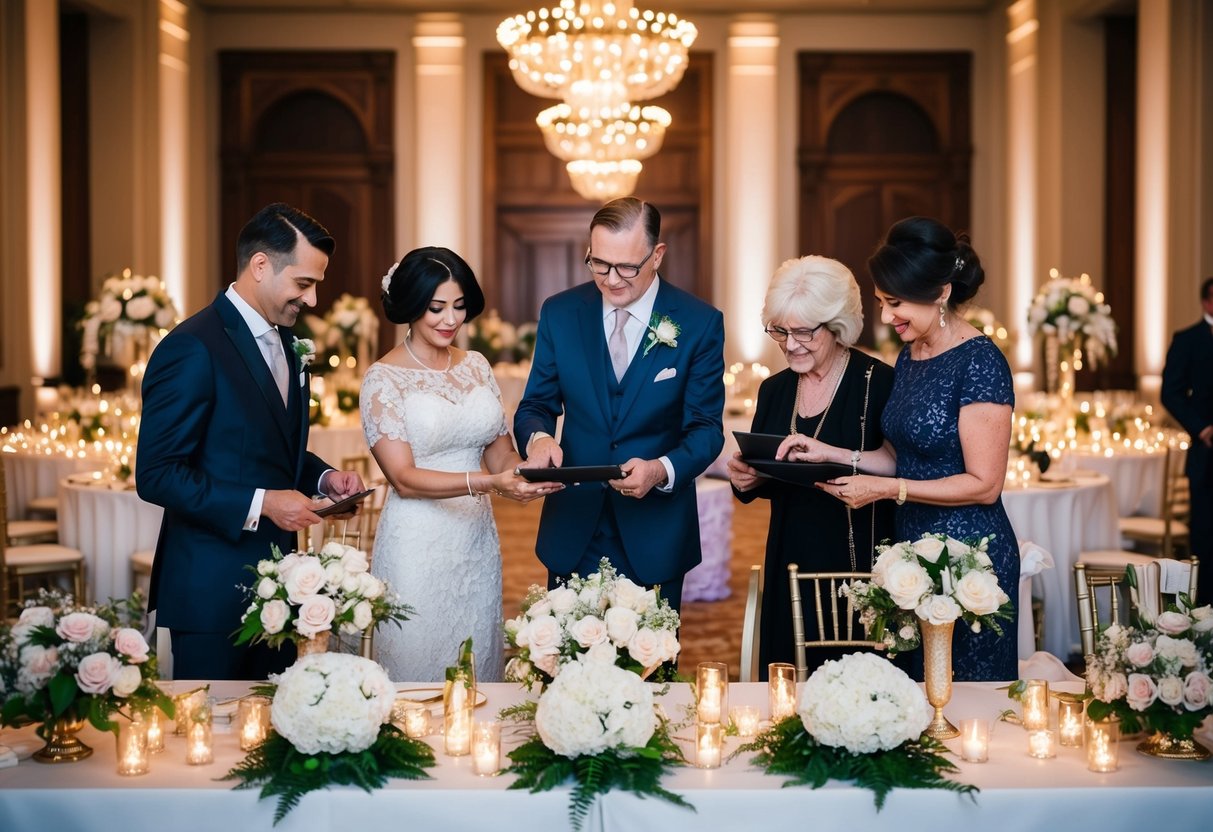
The groom’s family traditionally has specific roles in financing parts of the wedding. This includes contributions to the groom’s attire, the rehearsal dinner, and other events leading to the big day.
Groom’s Attire and Accessories
The groom’s family is usually responsible for paying for the groom’s attire. This typically includes the suit or tuxedo, shoes, and any accessories such as ties, cufflinks, and pocket squares.
Costs can vary widely based on style and rental versus purchase choices. The average costs for a tuxedo rental can range from $150 to $300, while purchasing a suit may start around $300.
It’s essential to keep the budget in check while ensuring the groom looks polished. Encouraging the groom to select items that fit well and complement the wedding theme can make a significant difference.
Rehearsal Dinner and Honeymoon
Another important part of the wedding costs covered by the groom’s family is the rehearsal dinner. This event typically takes place the night before the wedding and is an opportunity for both families to gather and bond.
Costs for the rehearsal dinner can range from $1,000 to more, depending on the location and number of guests.
Additionally, the groom’s family may contribute to the honeymoon expenses. This can include travel costs, accommodations, or experiences planned for the couple. Discussing these contributions early on helps avoid misunderstandings.
Engagement Party and Wedding Rings
The groom’s family also traditionally helps with expenses related to the engagement party. This festive gathering celebrates the couple’s commitment and can be a lovely way to kick off the wedding festivities.
Costs can vary widely depending on the venue and number of guests invited.
Moreover, the groom’s family often takes part in purchasing the wedding rings. While the groom usually buys the bride’s ring, the parents may contribute to the purchase of the groom’s wedding band. Thus, it is helpful to set a budget that feels comfortable for everyone involved.
Financial Planning for Couples
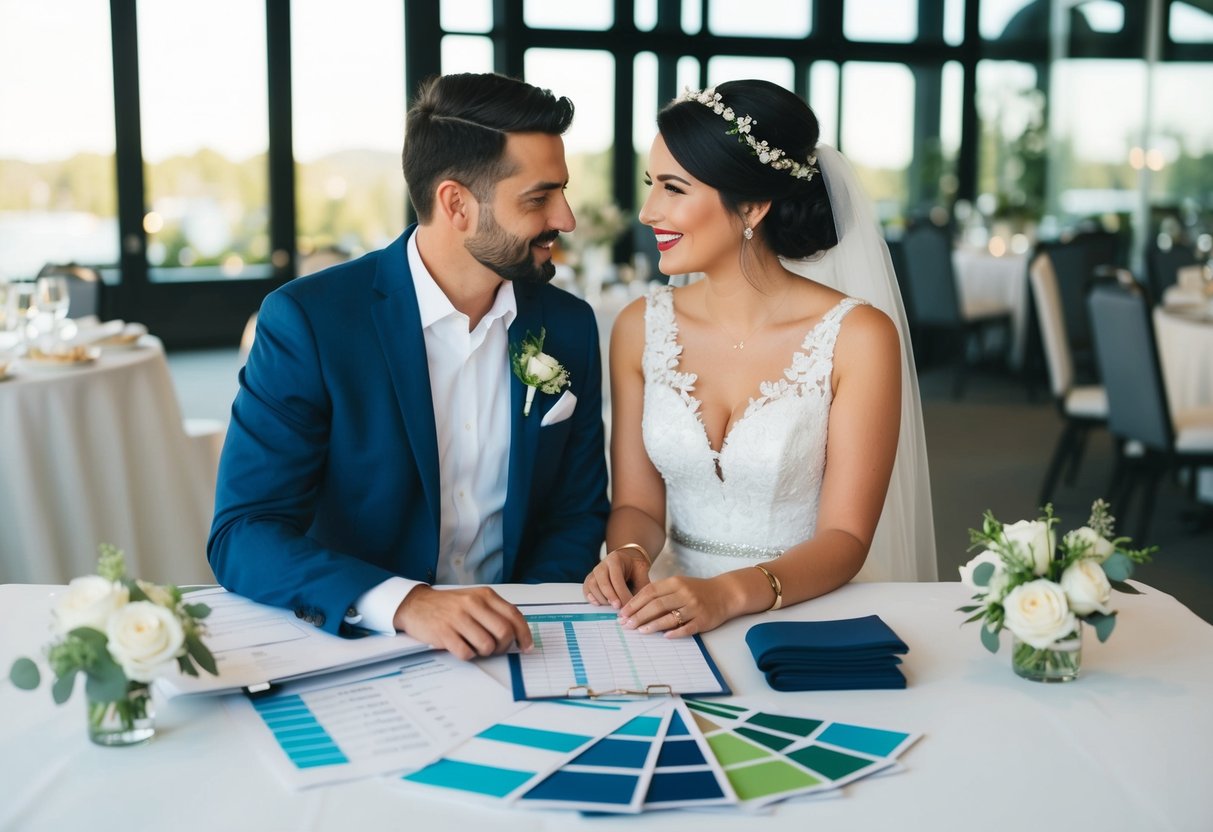
When planning your wedding, figuring out who pays for what is important. It helps you stay organized and manage your budget effectively. Here are some key thoughts on allocating funds and setting priorities for wedding gifts and extras.
Allocating Funds for Remaining Expenses
First, consider all wedding expenses, such as decorations, invitations, and music. Create a detailed list of everything you want for your big day. This might include flowers, lighting, and table settings.
Set a budget for each item based on your total funds. For instance, if you have $1,000 for decorations, break it down to $500 for flowers and $500 for other decor. Remember to allocate funds for essentials like the marriage license, officiant fee, and photography and videography.
Sometimes, it can help to prioritize what is most important. If the decor is essential to your vision, you may want to spend a little more on it than on the invitations.
Setting Priorities for Wedding Gifts and Extras
First, think about what gifts you may receive and how to use them. Many couples rely on wedding gifts to help cover extra costs.
Make a wish list that includes what you need, like kitchen items or cash to contribute toward your honeymoon. If guests ask for suggestions, guide them toward gifts that will support your wedding expenses.
Consider the non-material things, too. Hair and makeup can add up, as can hiring a wedding planner.
Think about your priorities as a couple. Maybe you both value a beautiful venue over fancy invites. It’s all about making choices that align with your vision!