
Who Pays for Wedding Rings in the UK? A Guide for Couples
When planning a wedding, you might have a big question about the cost of wedding rings. Traditionally, the groom’s family pays for the bride’s wedding ring, while the bride’s family covers the groom’s ring. However, modern couples often choose to split costs more equally or even pay for their rings together.

This article will explore the different customs surrounding who pays for wedding rings in the UK. You might be surprised to learn how many couples today take a more flexible approach to these traditions.
Understanding who typically pays for wedding rings can help simplify your planning, making it a bit less stressful. Let’s dive into the details and find out what works best for you!
Understanding Wedding Cost Traditions in the UK
In the UK, wedding cost traditions can sometimes be confusing. Generally, the bride’s family has a history of covering many expenses. This includes the wedding venue, catering, and sometimes even the wedding rings.
Over the years, financial responsibilities have shifted. Today, many couples prefer to share costs with both families. Open communication about who pays for what is very important.
For example, you might find that:
- The bride’s family pays for the ceremony and reception.
- The groom’s family pays for the flowers and the rings.
- The couple may split costs for other items like the honeymoon or photography.
It’s common for families to support each other. This can lessen the financial burden on one side. Discussing wedding etiquette openly helps avoid misunderstandings.
Remember, your wedding should reflect your values and preferences. This means you can customize traditions to fit your needs. Don’t hesitate to talk with your partner and families about the budget.
Breaking Down the Wedding Budget
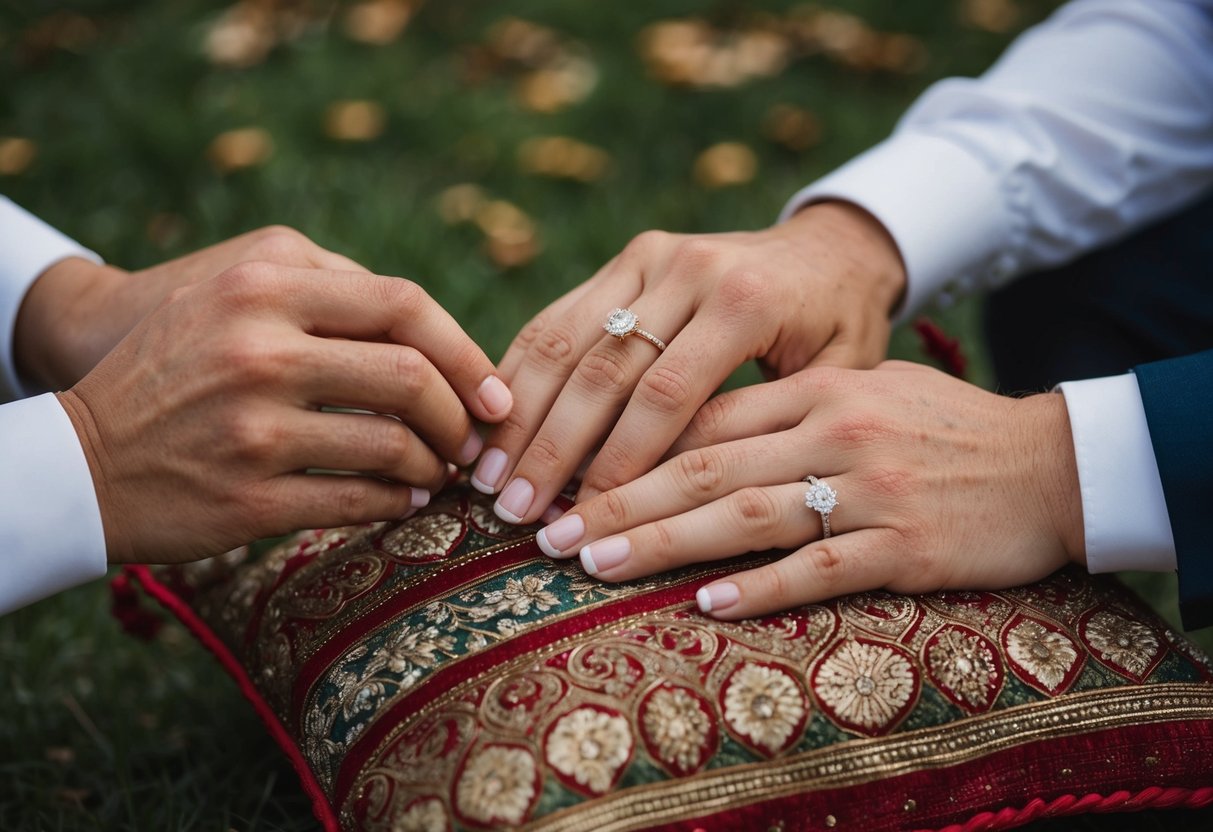
Creating a solid wedding budget is key to ensuring that all your expenses are covered without stress. By understanding how to allocate your costs and managing them effectively, you can make the most of your budget.
Allocation of Expenses
It’s important to know where your money will go. Begin with a list of all potential expenses. This can include:
- Venue hire
- Catering and drinks
- Photography and entertainment
- Wedding rings and gifts
Consider breaking these down into percentages. For example, 35% on catering costs, including meals and drinks, and 10% for flowers and decorations.
You may want to set aside around 3% specifically for wedding rings. Understanding these allocations helps you see where to save or splurge.
Keep in mind hidden costs like officiant fees, ceremony fees, and insurance. This foresight can prevent surprises when it’s time to settle bills.
Managing Costs Effectively
To stick to your wedding budget, careful planning is essential. Start by prioritizing your must-haves. By focusing first on essential aspects such as venue and catering, you can allocate funds accordingly.
Use spreadsheets or budgeting apps to track your spending. This allows you to monitor ongoing costs for things like the wedding cake or bridesmaid dresses.
Don’t hesitate to negotiate with vendors. Asking for package deals for photography or entertainment can lead to savings. Also, consider DIY options for stationery or favours.
Lastly, take family help into consideration. Friends and family can assist with tasks like guest accommodation or transport, giving you more room in your budget for important expenses.
Decoding the Ring Purchase: Who Pays?

When it comes to wedding rings in the UK, the question of who pays can vary. Traditionally, some customs suggest that the groom purchases both the engagement ring and the wedding bands.
In modern times, many couples choose to share the costs. Here are common practices:
-
Engagement Ring: Typically, the groom pays for the engagement ring. This tradition reflects the commitment of the relationship.
-
Wedding Bands: The costs for the wedding bands can be shared. Couples often have joint wedding funds to cover different expenses, including rings.
- Groom Pays: The groom or his family buys the bride’s ring.
- Bride Pays: The bride or her family might buy the groom’s ring.
- Joint Fund: Many couples now prefer to split costs evenly.
It’s also common for couples to discuss and decide together. You might choose matching styles or different ones based on personal tastes.
Don’t forget about the engagement party! If you’re having one, costs can be shared there too. This approach helps both partners feel equally involved and valued in the process.
Final Touches and Hospitality Considerations
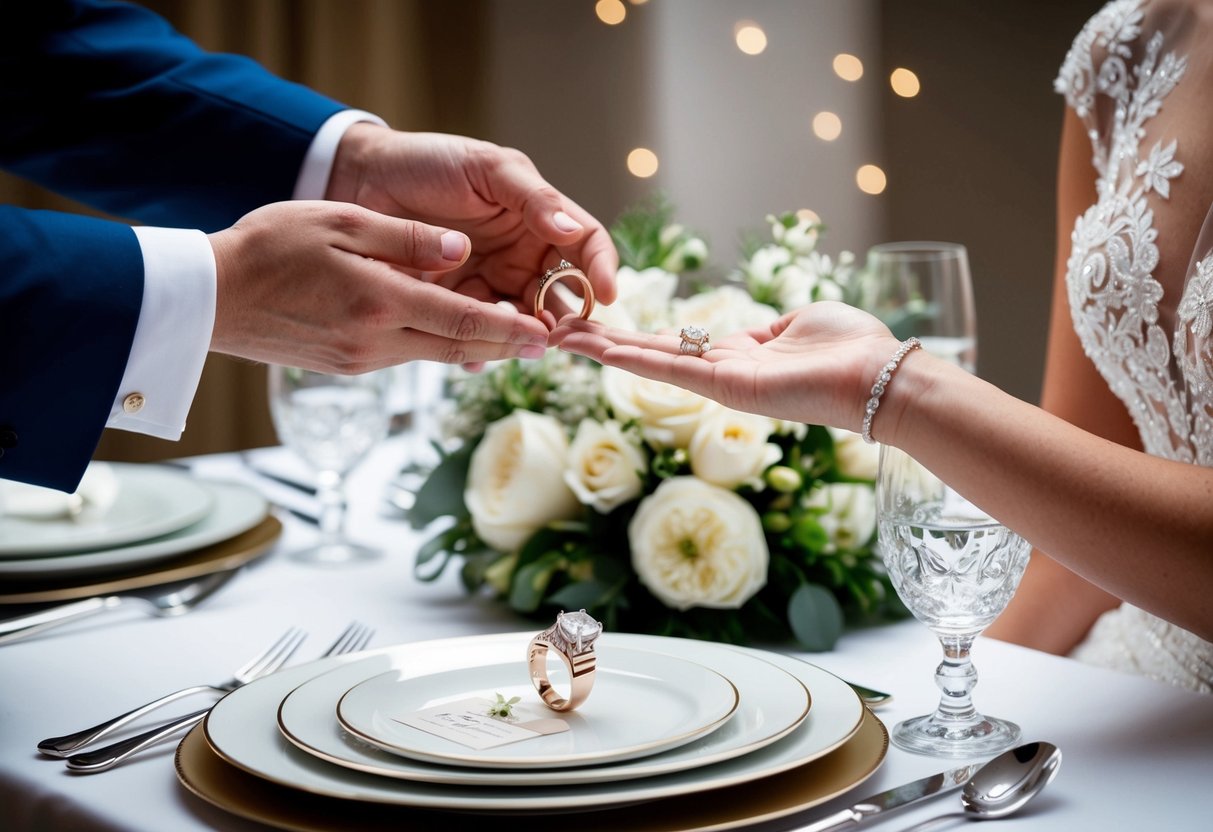
When planning your wedding, the little details make a big difference. It’s important to focus on how you and your guests will feel during the celebration. From your attire to guest accommodations, each aspect creates a memorable experience.
Look and Attire
Your wedding dress is one of the most significant aspects of your big day. Choose a style that reflects your personality and makes you feel beautiful. Don’t forget about hair and makeup; consider hiring professionals to ensure you look your best.
Grooms should also pay attention to their attire. A well-fitted suit can elevate the overall look. Don’t overlook accessories, like ties or cufflinks, as they can add a personal touch.
Ensure that you communicate your vision with your wedding planner. This will help them understand your style preferences and pull together a cohesive look for the entire event.
Accommodating the Guests
Guest accommodation is key to ensuring everyone feels welcomed. Make arrangements for travel and lodging options close to the venue. It’s helpful to provide a list of nearby hotels or B&Bs. Also, include information on booking.
Think about activities for your guests. If your wedding takes place over a weekend, consider planning a hen do and stag do for participants to enjoy.
If your guests are traveling from afar, offer travel insurance details to help them feel secure. Ensuring hospitality details are handled can lead to a more enjoyable experience for all involved.