
Who Pays for Wedding UK Tradition? Understanding the Financial Roles in a British Wedding
Planning a wedding can be exciting, but figuring out who pays for what can feel overwhelming. Traditionally, the bride’s family covers most of the wedding costs, but in modern times, this has changed. Couples are often more involved in financing their own celebrations, and families may share the expenses.

Understanding these traditions can help you navigate your own wedding budget. This blog post will explore the financial responsibilities typically seen in UK weddings. You’ll gain insight into how you can mix tradition with your personal preferences to make the planning process smoother and more enjoyable.
Understanding UK Wedding Traditions
When planning your wedding in the UK, you’ll notice many traditions that shape the celebration. Traditionally, the bride’s family often covers most expenses. This includes costs for the venue, catering, and flowers.
As time moves on, many couples embrace a modern approach. Now, families of both the bride and groom may share financial responsibilities.
Here’s a quick overview of the traditional roles:
- Bride’s Family: Traditionally pays for the ceremony and reception.
- Groom’s Family: Covers the honeymoon and sometimes suits.
- Couple: Many modern couples contribute to the costs based on their financial situation.
Modern weddings can mix these traditions. You might find couples splitting costs more evenly or even covering everything themselves.
Many couples today choose what feels right for them. This could mean having a smaller wedding or a unique venue.
In your wedding planning, it’s helpful to have open discussions about finances. This ensures everyone is comfortable with their roles. The key is to create a celebration that reflects your love story and suits your financial situation.
Roles and Responsibilities

When planning your wedding, understanding the roles and responsibilities of each family is important. The financial contributions often play a big part in this process, helping you navigate the costs effectively.
Bride’s Family Contributions
Traditionally, the bride’s family takes on significant financial responsibilities for the wedding. This often includes covering expenses like the venue, catering, flowers, and the bride’s attire. The bride’s parents play a crucial role in these contributions, helping create a memorable day.
They may also assist with other costs such as bridal party attire and gifts for groomsmen. It’s important to discuss your wedding budget openly with your family. This helps ensure everyone understands their role and contributions from the start.
Sometimes, the bride’s family may also pay for the wedding rehearsal dinner. Clear communication about these contributions can help avoid misunderstandings later on.
Groom’s Family Responsibilities
The groom’s family also has vital financial duties in the wedding planning process. Traditionally, they might cover costs like the rehearsal dinner and certain expenses related to the ceremony.
The groom’s family usually buys the groom’s ring and may help pay for the wedding bands. They might also support the costs for the groom’s party attire.
Discussing these responsibilities early can help set a clear financial plan. It’s key for both families to be on the same page about who pays for what, ensuring a smoother planning process.
Key Wedding Costs Explained

Understanding the major costs involved in a wedding can help you plan better. You’ll want to consider various expenses, from the ceremony to the reception, to make informed choices.
Ceremony and Reception Expenses
The wedding ceremony and reception typically make up a large portion of your wedding budget.
Venue Hire: This cost can vary greatly. Popular venues may charge more and may require a deposit.
Officiant Fee: Don’t forget to budget for the officiant. Their fees can vary based on experience and location.
Food and Drinks: Catering can be a large expense. Make sure to account for appetizers, the main meal, and beverages.
Wedding Cake: Cakes can be customized, affecting the price. It’s wise to shop around for the best value.
Entertainment and Music: Whether you choose a DJ or a live band, entertainment is key for a fun atmosphere.
Floral Decorations: Bouquets, centerpieces, and other floral designs also need to fit your budget.
By breaking down these key expenses, you can create a more realistic budget for your special day.
Aspects of a Wedding and Who Traditionally Pays
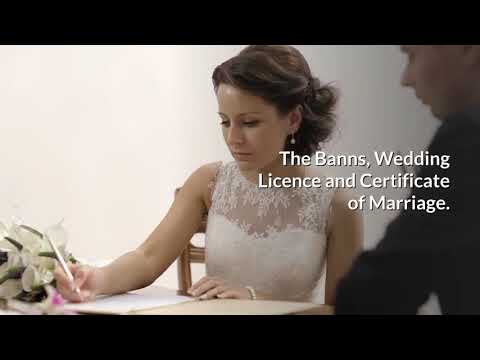
When planning a wedding, it’s important to know who handles the costs for different aspects. Understanding these responsibilities can reduce stress and help you budget better for your big day.
Attire and Accessories
Traditionally, the bride’s family pays for the wedding dress, veil, and shoes. The bride often chooses these items to reflect her style. The bride’s father may also contribute to the engagement ring, which is an important part of the proposal.
Bridesmaids usually pay for their own dresses, shoes, and accessories. It’s common for the bride to give them small gifts, such as personalized jewelry or a thoughtful token of appreciation. Remember to keep in mind these costs while planning.
Post-Wedding Celebrations
After the wedding, the couple often takes a honeymoon. Traditionally, the groom and his family cover these expenses. This can include travel, accommodation, and activities.
If you plan a hen or stag do, the costs can vary. It’s common for the bridal party to chip in for the celebration, but the bride and groom may also contribute. Always communicate with your friends to set a budget that works for everyone.
Logistics and Services
Wedding logistics can be expensive. Traditionally, the bride’s family handles most of the reception costs, including venue, food, and entertainment. Depending on their preferences, the couple might also need to pay for guest accommodation.
Photography and videography are essential for capturing memories. Traditionally, couples pay for these services together. Make sure to research options to find a package that fits your style and budget.
Lastly, don’t forget about wedding stationery, like invitations and thank you cards. The couple usually covers these expenses, helping ensure all the important details are managed.