
Who Pays for What When Planning a Wedding? A Friendly Guide to Wedding Expenses
Planning a wedding can be exciting but also overwhelming, especially when it comes to figuring out who pays for what. Traditionally, the bride’s family has covered most of the costs, but modern couples often share the expenses. This makes it essential to discuss budgets clearly.
Knowing who typically takes on certain expenses can help guide these conversations and ease some of the stress.
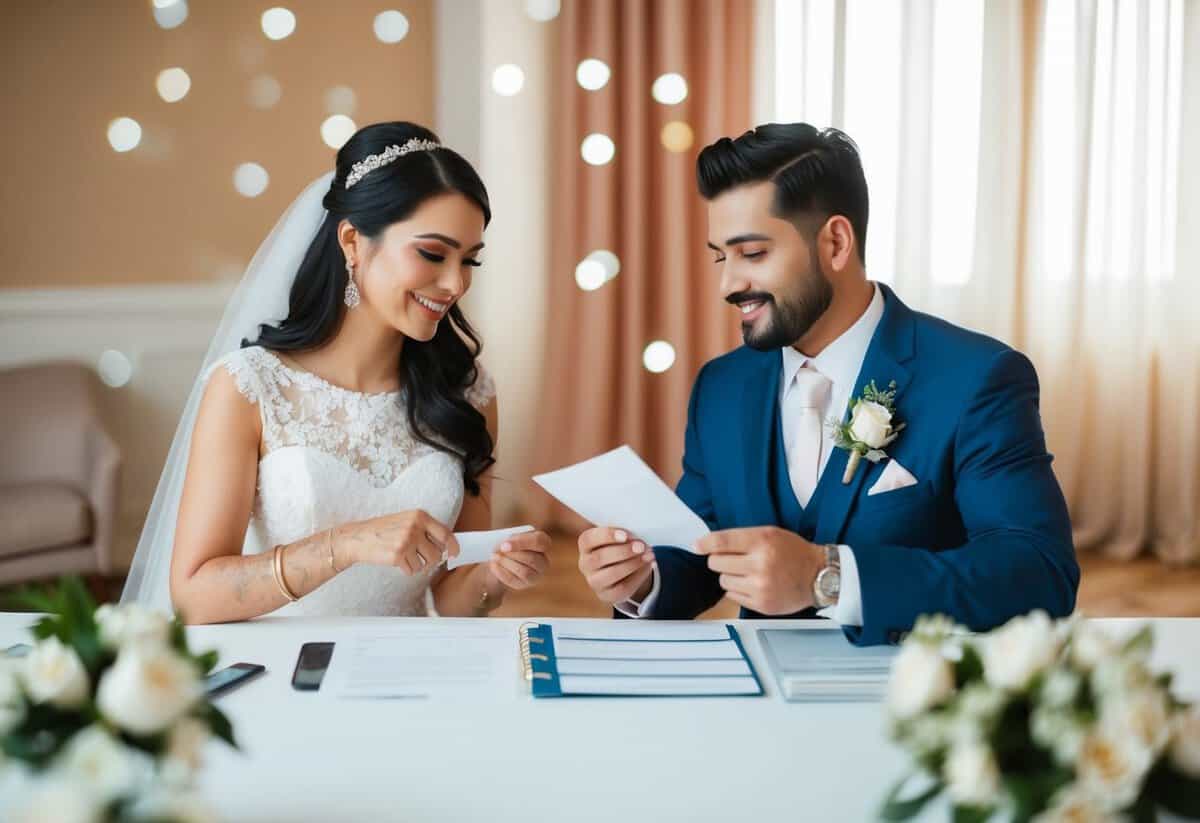
You might wonder about the different roles that families play in financing the wedding. Each family might have its own ideas based on cultural traditions or personal preferences. It’s crucial to communicate openly so that everyone knows their responsibilities and expectations from the start.
Understanding the common wedding costs, like venue fees, attire, and catering, can also help you plan better. This guide will walk you through who usually pays for what, so you can make informed decisions as you create the wedding of your dreams.
Division of Expenses
When planning a wedding, understanding who covers specific costs can help you manage your budget effectively. Traditional roles have changed over time, and it’s important to know the historical context as well as how modern adaptations may affect your situation.
Historical Context
Traditionally, the bride’s family paid for most wedding expenses. This included costs like the venue, catering, and the wedding dress. The groom’s family often handled the rehearsal dinner and the honeymoon. This division of expenses reflected social norms and family dynamics of earlier times.
Many couples followed these guidelines closely. In some cultures, financial contributions were also seen as a way to show support for the couple. This set a clear expectation of who pays for what, helping to minimize confusion during planning.
Modern Adaptations
Today, many couples are rewriting the rules of who pays for the wedding. Modern weddings see a mix of contributions from both families. You might find that both the bride’s and groom’s families contribute equally or that the couple pays for a significant portion themselves.
Younger couples often take on more financial responsibility. According to recent trends, millennials pay for about 42% of wedding expenses, while their parents cover around 56%. Wedding etiquette now encourages open discussions about finances, allowing you and your loved ones to decide what works best for everyone involved.
Pre-Wedding Events and Attire
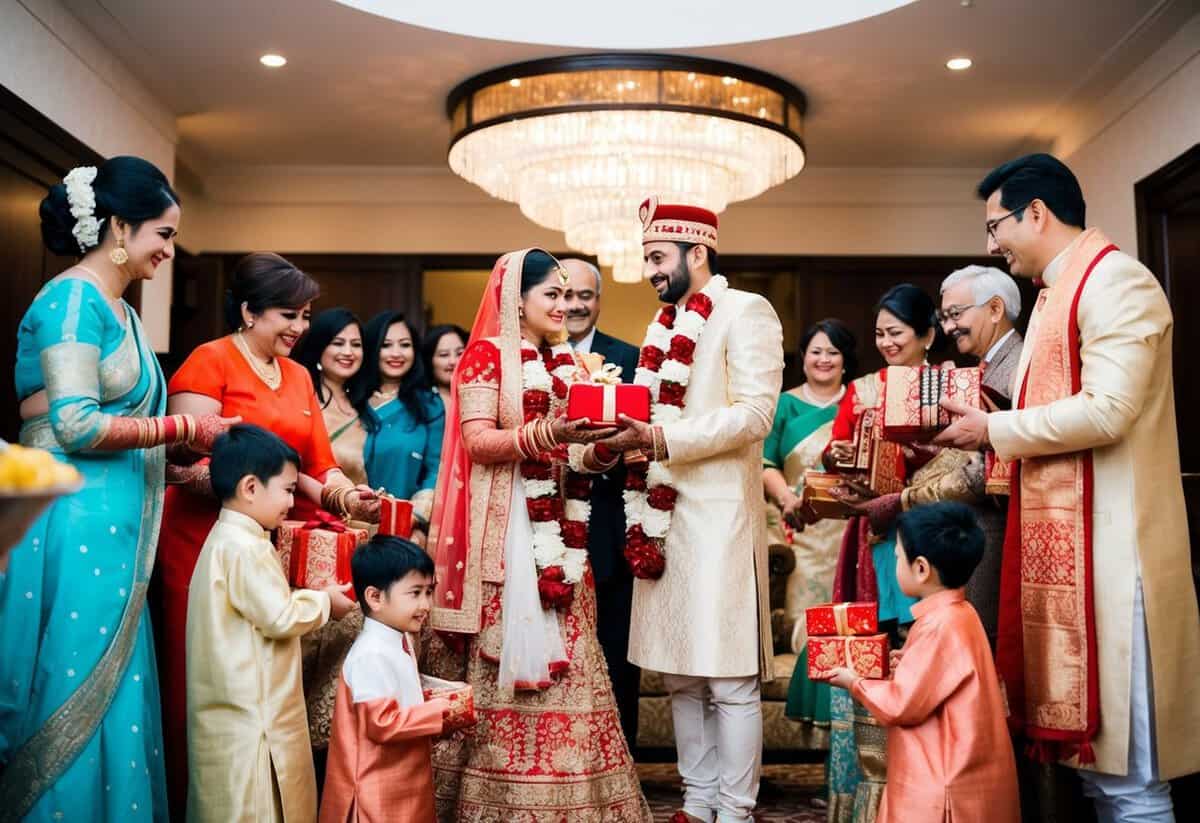
Planning pre-wedding events and attire can be exciting yet somewhat confusing. Knowing who pays for what can help ease your mind. Here are the main events and attire details to consider.
Engagement Party
The engagement party often kicks off the wedding festivities. Traditionally, the bride’s family hosts this event, covering most costs. This includes food, drinks, and venue rentals.
You can expect to spend anywhere from $500 to $2,000. If both families want an engagement party, each may pay for their own. This offers a fun way for you to celebrate while introducing both families.
Bridal Shower
The bridal shower is usually organized by the maid of honor and bridesmaids. They cover planning and costs, so it’s a good idea to discuss budgets early.
Expect expenses for decorations, food, and gifts, which can range between $200 and $1,000. Guests often bring gifts, but they should not have to pay for the shower. This event focuses on celebrating you and your upcoming marriage.
Bachelor and Bachelorette Parties
For the bachelor and bachelorette parties, the bridal party typically organizes them. Friends usually handle the financial side of the festivities.
Costs can vary widely based on the activities you choose. Expect to budget anywhere from $200 to $1,500. Popular options include dinner, nightlife, and weekend getaways. Keep your group’s budget in mind to ensure everyone enjoys themselves.
Rehearsal Dinner
The rehearsal dinner typically takes place the night before the wedding. It provides everyone a chance to relax and bond before the big day.
Traditionally, the groom’s family pays for this event, which may include venue costs, food, and drinks. Expect to spend between $1,000 and $4,000, depending on the number of guests and choice of venue.
This dinner is an important tradition, allowing everyone to share in the excitement of the wedding.
Ceremony and Reception
When planning your wedding, the ceremony and reception are two key areas where costs can add up. Each aspect, from the venue to food, plays a big role in your celebration.
Venue and Decor
Your choice of venue greatly impacts your overall budget. Popular options include banquet halls, gardens, or even beaches. Most venues offer packages that include tables, chairs, and basic decor.
Consider adding personal touches like floral arrangements to enhance the space. You can select colors and themes that match your style. Don’t forget about the wedding flowers like bouquets, boutonnieres, and centerpieces, which also add beauty to your day.
Remember, venue rental costs can range from $2,000 to over $10,000, depending on location and time of year.
Photography and Videography
Capturing your special day is essential. Hiring a skilled photographer ensures you’ll have lasting memories. Look for professionals who specialize in wedding photography. Check their portfolios to see if their style matches your vision.
Videography is another option to consider. A well-made wedding video can tell your story beautifully. Packages often include coverage of both the ceremony and reception. Expect to budget around $2,000 to $5,000 for both services, depending on experience and hours of coverage.
Food and Cake
Food is a crucial part of your reception. You’ll need to decide between a sit-down meal or buffet style. Catering costs can vary based on menu choices and the number of guests.
Don’t forget about your wedding cake! Traditional multi-tier cakes can be striking and delicious. Prices generally range from $3 to $10 per slice, so plan accordingly based on your guest list.
It’s a good idea to schedule tastings with potential caterers and bakeries to find the right fit for your taste and budget.
Entertainment and Extras
Entertainment can make your reception memorable. Hiring a DJ or live band will set the tone for your celebration. DJs are often more budget-friendly, but a live band can bring a unique energy to your event.
You might also want to consider extras like photo booths or sparkler send-offs. These can add fun and interaction for your guests.
Budget roughly $1,500 to $3,000 for music, depending on your choice. Make sure to discuss your vision and song preferences with your entertainment provider.
Final Touches and Post-Wedding
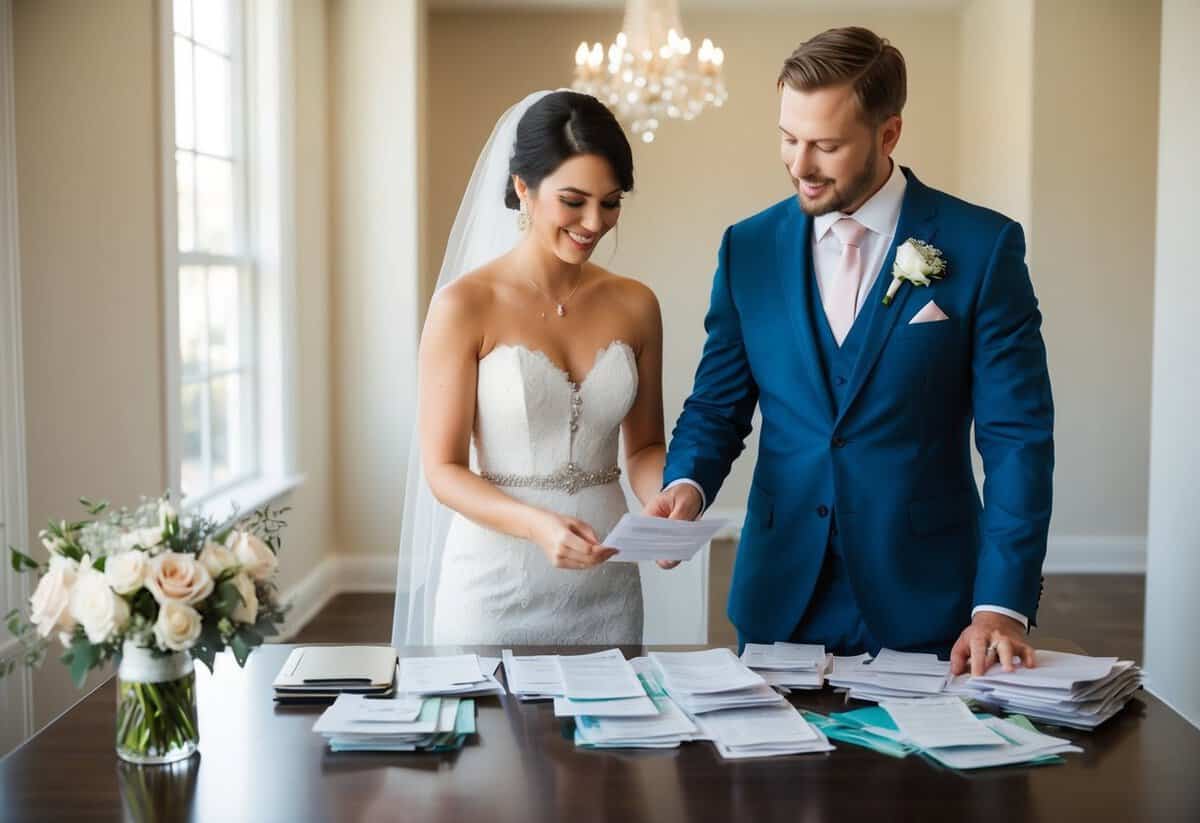
As you wrap up your wedding planning, there are important details to manage after saying “I do.” From your wedding rings to planning a honeymoon, these final touches matter a lot.
Rings and Vows
Your wedding rings symbolize your commitment. Make sure you choose rings that reflect both your styles. The average cost of wedding bands can vary widely, so set a budget.
Don’t forget to secure your marriage license before the big day. Costs can vary by location, so check your local requirements. If you hired an officiant, confirm their fee as well—it typically ranges from $100 to $500, depending on their experience and location.
Gifts and Gratitude
After the wedding, showing gratitude to your guests is important. Create a list of gifts received and consider sending thank-you notes. Personal messages add a nice touch and can make your guests feel appreciated.
If you set up a honeymoon fund, make sure to thank those who contributed. Share a photo or a story from your trip as a part of your gratitude. It’s a great way to include loved ones in your experiences.
Honeymoon and Beyond
Planning your honeymoon is a key step after the wedding. This is a special getaway, whether you’re flying to an exotic location or enjoying a weekend escape.
Set a budget for this trip and consider using any funds left over from gifts.
Don’t forget to look into travel packages or last-minute deals to save money. Also, if you are considering elopement in the future, keep in mind that smaller, private ceremonies often allow more freedom to explore unique destinations.
With careful planning, your honeymoon and future adventures can be truly memorable.