
Who Puts on the Engagement Ring First? A Look at Ring Traditions and Customs
When it comes to engagement rings, you might wonder who puts on the engagement ring first. Traditionally, the person who receives the engagement ring puts it on first during the proposal, symbolizing the commitment and love shared between the couple. This act marks the beginning of a journey toward your wedding day and highlights the promise of an eternal bond.
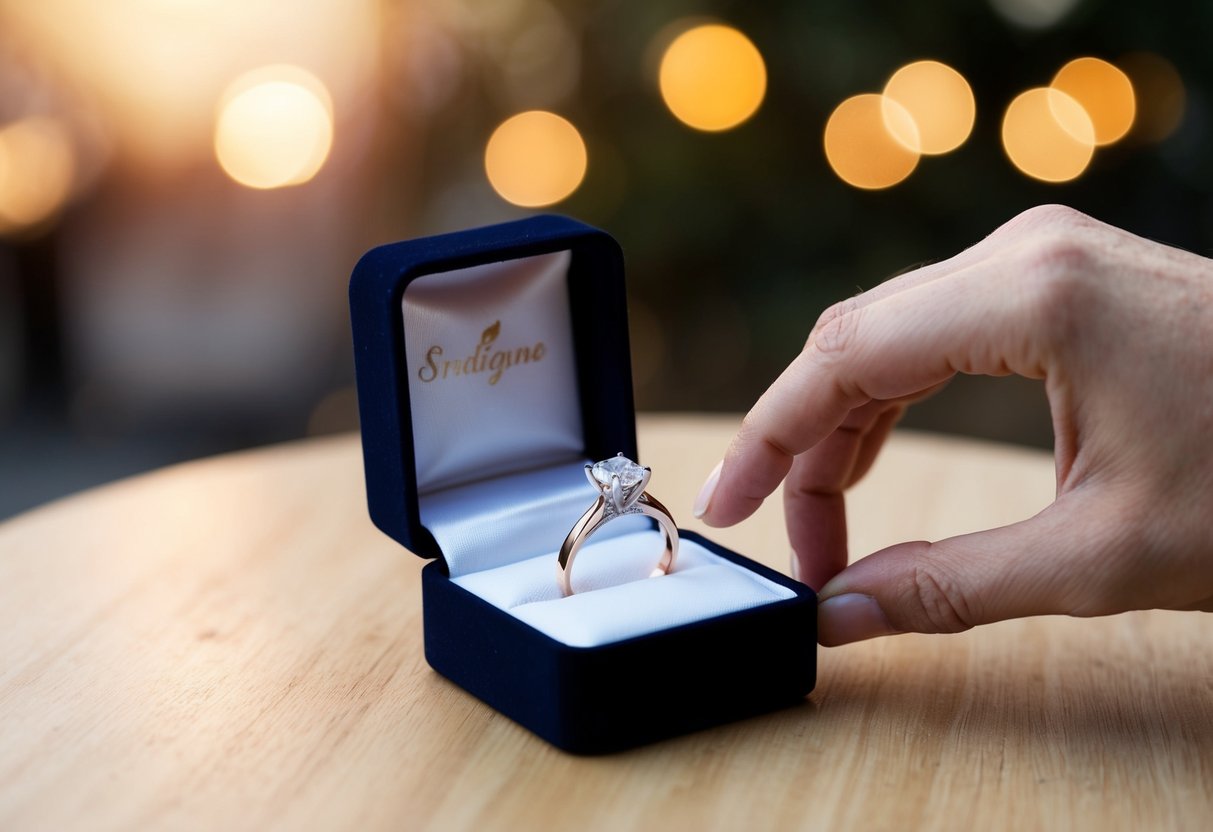
Every relationship is unique, and some couples might approach this moment differently. While many follow the traditional route, others might decide together how they want to handle the exchange of rings, including any promise rings.
Regardless of the specifics, the focus remains on the love and commitment that the rings represent.
Exploring the significance behind these rituals can deepen your appreciation for the engagement process. Whether you choose to go with tradition or create your own way, the engagement ring symbolizes a promise that is meaningful to you and your partner.
The Tradition of the Engagement Ring
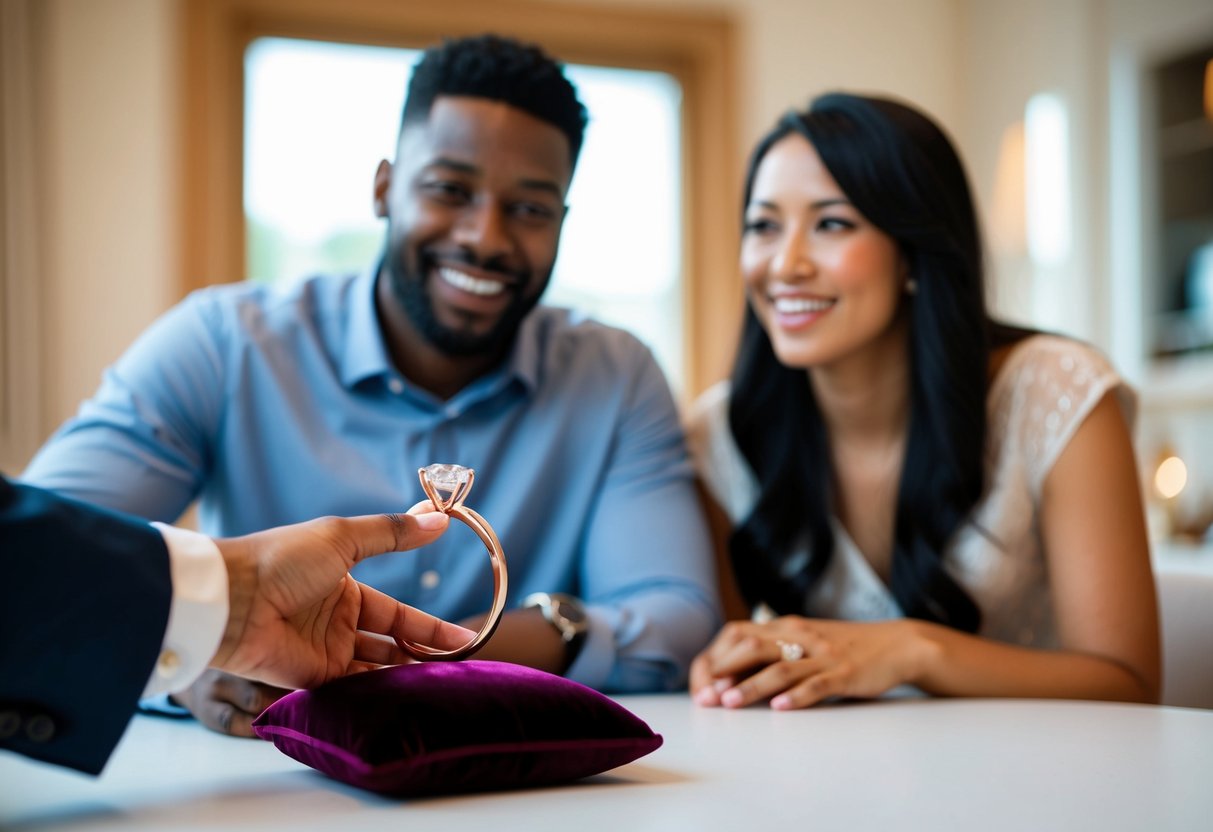
Engagement rings represent a deep commitment and are steeped in history and cultural significance. Understanding their traditions can help you appreciate the meaning behind your own or someone else’s ring.
Historical Significance and Modern Trends
The engagement ring has a rich history that dates back to ancient Rome, where a simple ring signified a promise of marriage. People believed that the left hand’s fourth finger, known as the “vein of love,” had a direct connection to the heart.
In modern times, this tradition has evolved. Today, engagement rings come in various styles, metals, and designs.
Many couples choose unique rings that reflect personal tastes. Popular modern trends include alternative gemstones and customized designs, allowing you to find a ring that feels truly special.
Symbolism Behind the Order of Rings
The order in which rings are worn also carries meaning. Traditionally, the wedding band is placed on the finger first, followed by the engagement ring. This symbolizes that the wedding band, representing commitment, is closest to your heart.
Wearing the rings in this way reflects the importance of the marriage covenant.
This practice emphasizes the idea that marriage is a significant journey, building upon the promise made with the engagement ring. Many couples appreciate this symbolism and choose to follow the tradition when exchanging rings.
Cultural Variations in Engagement Practices
Different cultures have unique rituals and customs regarding engagement rings. In some cultures, families exchange rings as part of a larger ceremony that includes a formal engagement celebration.
For instance, in certain parts of India, rings may be exchanged during a religious ceremony to bless the couple. You may also find variations in ring styles and gemstones based on cultural preferences.
Exploring these engagement practices can deepen your understanding of the significance behind the rings and the commitments they symbolize.
Preparing for the Ring Exchange
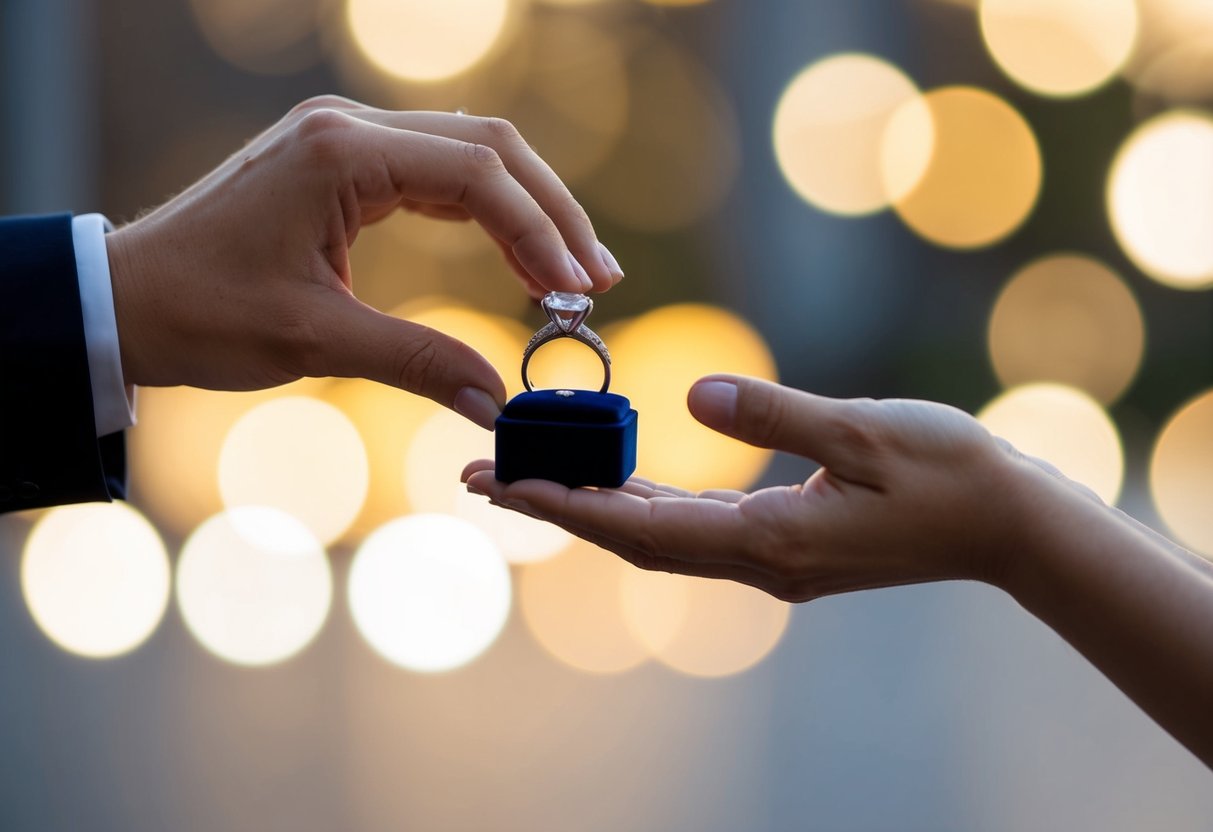
Getting ready for the ring exchange is an exciting part of your wedding day. It’s essential to understand the roles of those involved, plan for the rehearsal, and choose the perfect rings that reflect your love and commitment.
Role of the Ring Bearer and Officiant
The ring bearer plays a special role in the ceremony. Typically a young child, this person carries the wedding rings down the aisle. It’s a charming touch that adds joy to the event.
Make sure the ring bearer understands their task, and practice what they’ll do during the rehearsal.
The officiant is equally important. This person leads the ceremony and ensures everything flows smoothly. They will guide both of you during the ring exchange and help you convey your vows.
Keep an open line of communication to coordinate any unique elements you may want to include in the ceremony.
The Rehearsal Process
Rehearsing your wedding helps everyone know their roles. During this practice session, gather your wedding party, including the best man, maid of honor, and ring bearer.
Go through the steps of the ceremony, especially the ring exchange portion.
Make sure you discuss where the rings will be held. Whether the best man or ring keeper holds the wedding band, clarify this before the big day.
Doing a full rehearsal allows you to work out any issues in advance, ensuring a smooth and stress-free ceremony.
Choosing the Perfect Engagement and Wedding Rings
Selecting your engagement and wedding rings is a significant part of wedding planning. Spend time considering styles that reflect your personality and relationship.
Do you prefer classic, vintage, or modern designs?
Think about matching wedding ring sets. These often come in complementary styles, making them a beautiful pairing.
Visit multiple jewelers to compare quality and price. Don’t hesitate to ask about customization options, either.
You want these rings to symbolize your love perfectly, so take your time in making the right choice.
The Ceremony and Exchange of Rings
The exchange of rings is a memorable moment in a wedding ceremony. It represents love and commitment. Understanding the traditions surrounding this exchange can help make your special day even more meaningful.
The Order of Wedding Ring Exchange
During the wedding ceremony, the order of the ring exchange is an important part. Traditionally, the groom places the wedding band on the bride’s finger first. This symbolizes his love and devotion.
In many cultures, the rings are worn on the ring finger of the left hand.
Some couples choose a simultaneous ring exchange, where both partners place rings on each other’s fingers at the same time. This modern twist emphasizes equality and shared commitment.
Additionally, in certain traditions like Jewish ceremonies, the groom may place the ring on the bride’s right hand.
Involvement of the Best Man and Maid of Honor
The best man and maid of honor play essential roles during the ring exchange. They are responsible for keeping the rings safe until the moment they are needed.
During the ceremony, they will usually hand the rings to the couple at the right time.
It’s a lovely gesture that highlights their support for the newlyweds. In some cases, the flower girl may also be involved. She can carry a small decorative pillow with the wedding bands.
This inclusion adds a personal touch and makes the ceremony feel even more special for everyone involved.
Unique Rituals and Personalization
Many couples are now looking for ways to personalize their ring exchange. You might consider unique rituals that reflect your relationship.
For example, some couples introduce a third ring, like a promise ring, during the ceremony. Others might choose to exchange rings on opposite hands, which can represent different aspects of their love.
Personalized vows during the exchange of wedding rings can also make this moment unforgettable. These options allow you to make your wedding ceremony distinctly your own while honoring traditional practices.