
Who Puts the Ring First? Exploring Engagement Traditions and Etiquette
When it comes to a wedding ceremony, many couples wonder about the details of the ring exchange. You might ask yourself: who puts the ring on first? Traditionally, the groom puts the wedding ring on the bride’s finger, symbolizing his love and commitment to her. This moment during the ceremony represents not just the rings themselves, but the promise each partner makes to the other.
Understanding this tradition can bring a sense of warmth to your special day. It highlights the love you share, making the act of exchanging rings even more meaningful.
Whether you choose to follow tradition or mix things up with your own style, the focus remains on the commitment you both are making to each other.
As you prepare for your wedding, keep in mind that your ceremony reflects your unique bond. The order of the ring exchange is just one detail that can add to the beauty of your celebration, reminding you of the love and commitment that brought you together.
The Tradition of Ring Exchange
The exchange of wedding rings is a cherished custom that highlights commitment and love. This tradition is rich with historical roots and cultural significance, making it a central part of many wedding ceremonies.
Historical Roots and Cultural Significance
The tradition of exchanging rings dates back thousands of years. Ancient Egyptians were among the first to use rings as symbols of love and commitment, often using woven reeds.
In many cultures, the groom traditionally places the wedding ring on the bride’s finger, signifying his promise to love and protect her.
After the vows are recited, the couple participates in the ring exchange. This moment holds deep meaning and connects them to wedding customs across the globe.
While the groom often goes first, modern couples sometimes choose a more personalized approach, like exchanging rings simultaneously. This flexibility reflects how wedding traditions evolve while still honoring their historical roots.
The Symbolism Behind Wedding Rings
Wedding rings carry powerful symbolism. They represent a circle, which has no beginning or end, signifying eternal love and commitment.
The act of placing a ring on your partner’s finger is a significant gesture. It represents the bond formed during the wedding ceremony, complete with vows and promises.
In some cultures, the bride places the ring on the groom’s finger as part of the ceremony, showcasing mutual commitment.
The choice of materials for rings, whether gold, silver, or gems, adds to their significance. Each choice reflects the couple’s values and style.
Ultimately, the ring exchange is more than a tradition; it is a heartfelt moment that symbolizes your unique love story.
Who Puts the Ring On First?
When it comes to wedding ceremonies, the order in which rings are exchanged can vary. These choices are often influenced by culture, tradition, and personal preferences. Understanding how this moment is shaped helps you appreciate its significance.
Understanding Wedding Ceremony Order
In many traditional wedding ceremonies, the groom typically puts the ring on the bride’s finger first. This act symbolizes his commitment and devotion. After that, the bride places her ring on the groom’s finger.
However, some couples choose to exchange rings simultaneously. This option reflects a more egalitarian view, emphasizing equal partnership. Your officiant may guide this process, but ultimately it’s up to you and your partner to decide what feels right.
Cultural traditions can also play a role. For instance, some cultures may have specific rituals regarding the exchange of wedding rings, adding deeper meaning.
Gender Roles and Modern Interpretations
In the past, gender roles heavily influenced who puts the ring on first. The groom’s placement of the ring on the bride’s finger often suggested a clear distinction in roles. However, many modern couples are breaking away from these norms.
You might feel that either partner should put on the ring first based on personal comfort or shared beliefs. The presence of a best man or maid of honor might also impact this decision, as they often assist in the ring exchange.
Flexibility is key here, allowing you to create a wedding ceremony that best represents your relationship. Focus on what makes this moment significant for you both, rather than sticking strictly to tradition.
Personalization in Modern Weddings
In today’s world, many couples want their weddings to reflect their unique love stories and personal beliefs. You have the freedom to create a ceremony that truly symbolizes your partnership, moving away from strict traditional practices.
Incorporating Unique Love Stories
Your love story is special, and it can shape your wedding ceremony. You might want to share how you met or the journey of your relationship. Incorporating these elements can make your ceremony feel more personal.
Consider adding customized vows that express your feelings and commitments. You could also choose a unique location that holds significance for both of you. By weaving your story into the ring exchange or other rituals, you make the day more meaningful. This personalization can be a memorable part of your celebration.
The Roles of Wedding Planner and Officiant
A wedding planner can be a great asset in personalizing your wedding. They help you arrange every detail, ensuring it reflects your style and preferences. The planner can assist in finding vendors who resonate with your vision, from florists to photographers.
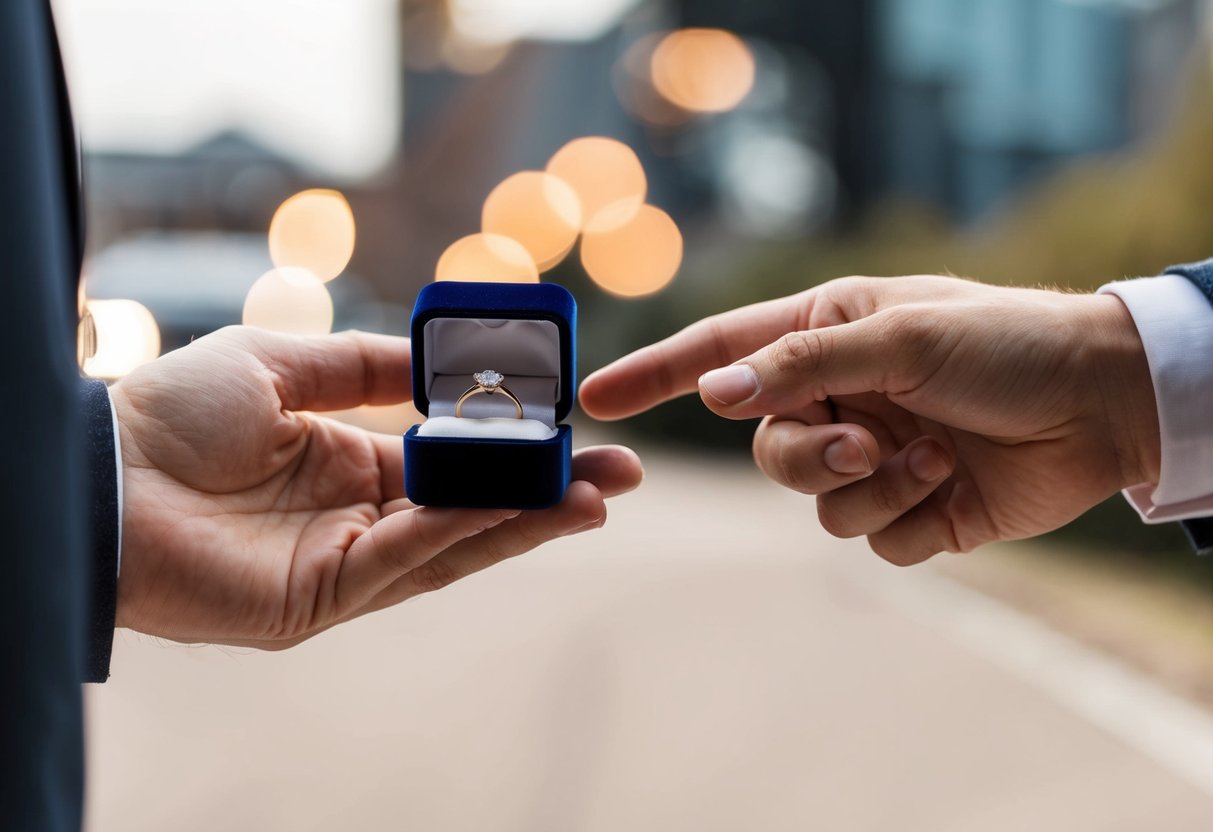
Your officiant plays a critical role too. They can guide you on how to include special elements, like simultaneous ring exchange, where you both place rings on each other’s fingers at the same time. This symbolizes equality and partnership, making your ceremony feel more unified. Working together with these professionals can elevate your wedding experience and make it truly yours.
Religious and Cultural Variations
Wedding ring traditions can differ greatly due to religious and cultural influences. These differences shape how couples approach the ring exchange and highlight the importance of personal beliefs and societal norms.
Egalitarian Practices
In many modern weddings, couples choose to follow egalitarian practices. This means that both partners have equal roles during the ring exchange.
You might find that some couples place rings on each other’s fingers at the same time. This is a powerful symbolic gesture of equality in their relationship.
In certain cultures, both partners might wear engagement rings. This trend promotes balance and openness in the marriage. Celebrating shared values can make your wedding day feel even more special.
Ceremonial Flexibility Across Cultures
Wedding rings are exchanged in different ways across cultures. For instance, in some African traditions, people place rings on the right hand instead of the left.
In various religious traditions, the ceremony may include specific rituals. For example, in certain Christian ceremonies, the groom typically places the ring on the bride’s finger first.
Meanwhile, in Hindu weddings, rings are sometimes exchanged during the engagement. This reflects cultural variations that highlight important milestones in a relationship.
Embracing these customs can add depth and meaning to your wedding ceremony.