
Who Puts the Ring on First in a Wedding? Exploring Traditions and Customs
In a wedding ceremony, the moment of the ring exchange is a significant part of expressing commitment and love. Traditionally, the groom puts the wedding ring on the bride first, symbolizing his promise to care for and cherish her. This act not only highlights the groom’s devotion but also adds a heartfelt touch to the celebration.
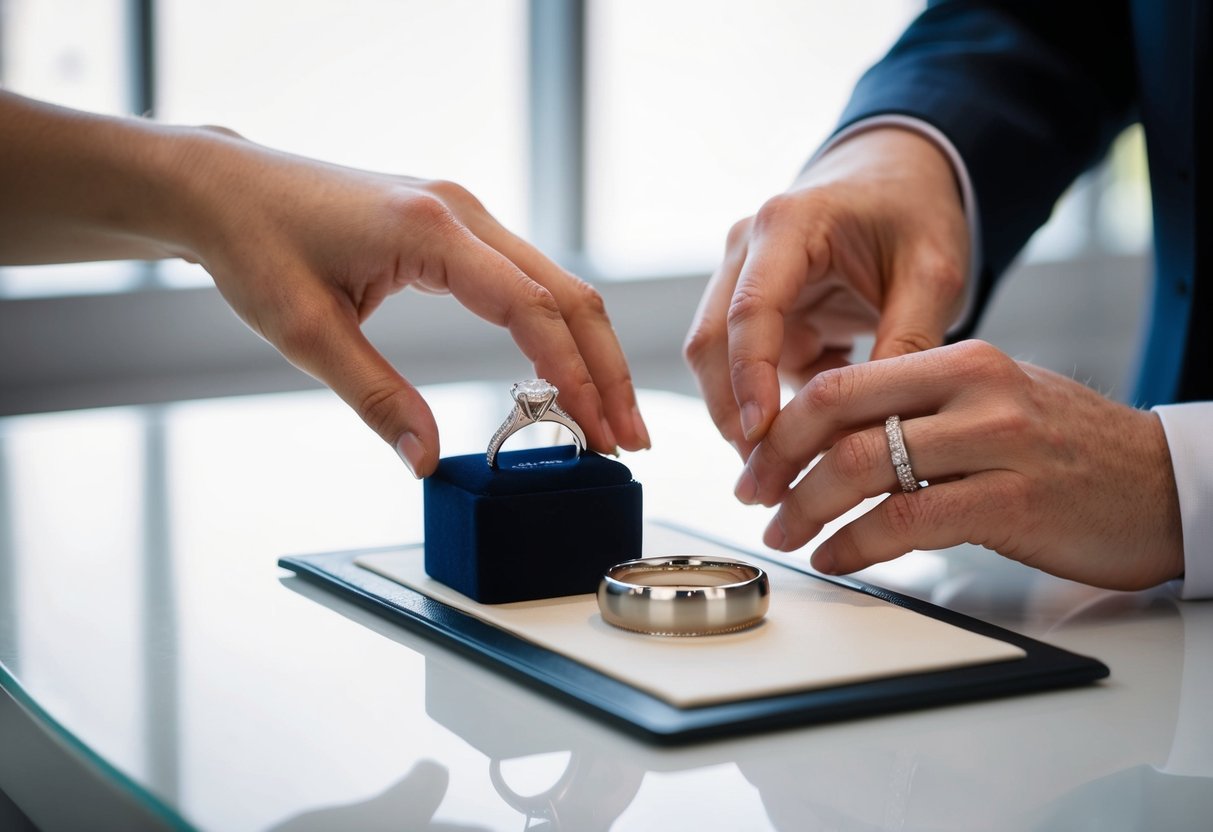
Cultural practices may influence the order of the ring exchange, allowing couples the freedom to choose what feels right for them.
Many adhere to tradition, but the beauty of this moment is that it can reflect your unique relationship and values. Whether you stick to the conventional way or create your own tradition, it’s about what makes your ceremony special.
The Significance of Ring Exchange
The exchange of wedding rings is a meaningful moment during the ceremony. This act holds deep historical roots and symbolizes the love and commitment between partners.
Historical Roots and Wedding Traditions
The wedding ring tradition dates back thousands of years. Ancient cultures believed that a circle had no beginning or end, representing an eternal bond.
Rings were often made from materials like metal or woven plants, which indicated wealth and status.
Many cultures have unique customs surrounding the ring exchange. In some traditions, the groom places the ring on the bride’s finger first, signifying his promise to love and protect her. Others allow for personalization, where couples decide the order based on what feels right for them. This rich history enhances the meaning behind the ceremony.
Symbolic Gesture of Love and Commitment
Exchanging rings during the wedding ceremony is a powerful symbolic gesture. It represents your vows to one another, expressing love and commitment.
The ring is often worn on the left hand, believed to have a vein that leads directly to the heart.
The wedding band serves as a constant reminder of your promises. It is a visible sign of your devotion.
By choosing rings that reflect your personal styles, you add an extra layer of meaning. This personalization can include engravings or choosing specific gemstones that represent your journey together. The act of exchanging rings highlights the deep connection you share, reinforcing your commitment to one another.
Wedding Ceremony Order for Exchanging Rings
The order of putting on wedding rings can be an important part of your ceremony. Knowing who puts the ring on first and the different customs can help you make the best choice for your special day.
Who Puts the Ring on First
Traditionally, the groom places the ring on the bride’s finger first. This symbolizes his commitment and love. The bride then puts the ring on the groom. However, you can change this order based on personal preference.
The decision might depend on your family’s customs, religious traditions, or your own wishes. Some couples may choose to exchange rings simultaneously. This can add a unique twist to your ceremony.
In many cultures, the officiant may help guide this moment. It’s important that the ring bearer, if you have one, is ready during this exchange.
Customs and Modern Interpretations
Wedding customs vary widely. In some cultures, the bride wears the engagement ring below the wedding band. This is often because the wedding ring is seen as a symbol of commitment. Understanding this can help you decide how to wear your rings.
Modern weddings blend these traditions with personal touches. You might keep both rings on the same finger or exchange them differently.
Feel free to talk to your officiant about incorporating your ideas. This personal touch can reflect your unique relationship. The key is that both the bride and groom feel comfortable with the choice made for the ring exchange.
Roles and Responsibilities
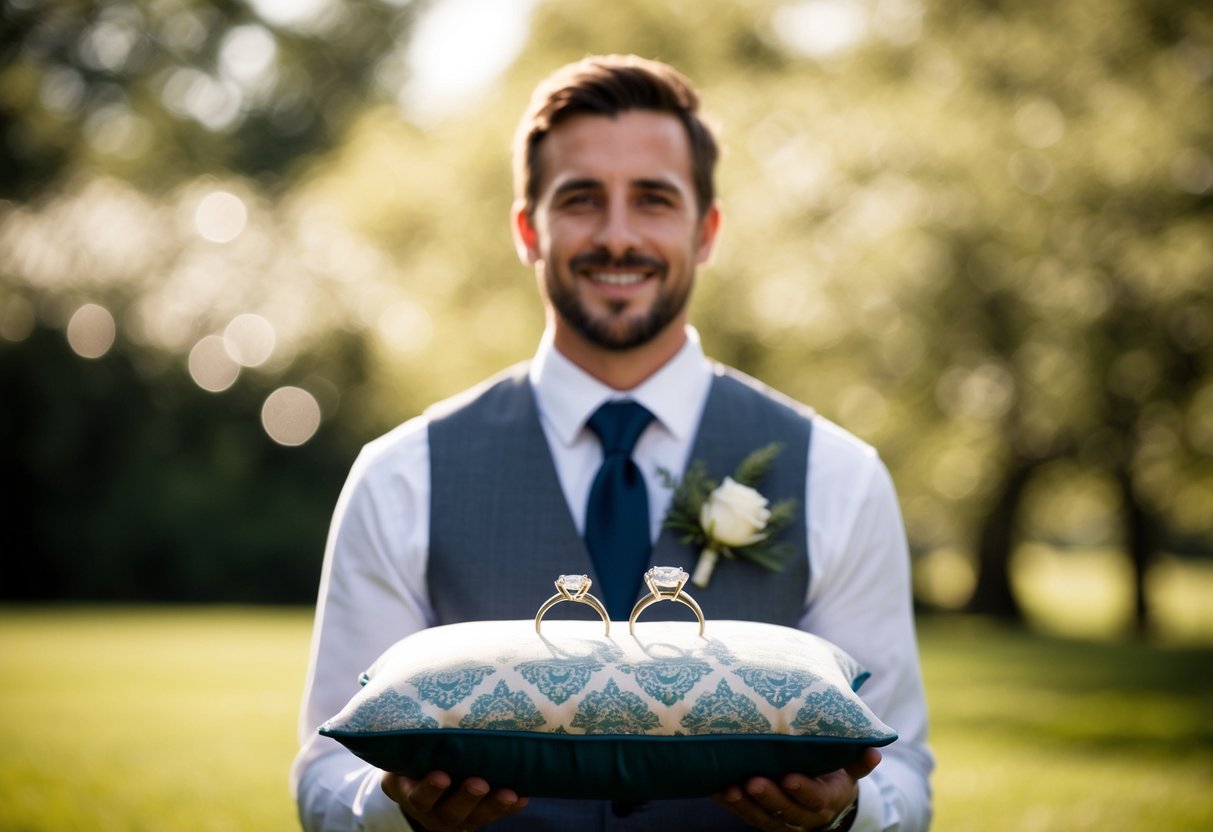
On your wedding day, key people play important roles to ensure everything runs smoothly. The best man and maid of honor have special duties, and family members often step in to help.
Duties of the Best Man and Maid of Honor
The best man and maid of honor are there to support you throughout the wedding process.
- Planning: He helps organize the bachelor party and works with the groom to keep things on track.
- Ceremony: At the altar, he holds the rings and stands by the groom during the vows.
- Speech: He usually gives a toast at the reception to celebrate the couple.
- Support: She assists the bride with dress fittings and planning.
- Ceremony: At the altar, she holds the bride’s bouquet and helps with the wedding dress.
- Emotional Backbone: She provides support, making sure the bride feels calm and happy.
Involvement of Family Members and Friends
Family and friends often lend a hand during your wedding preparations. Each person has their own role.
Family Members:
- Parents: They usually help with planning and may escort you down the aisle.
- Siblings: They might take on roles like reading scripture or making toasts.
Friends:
- Flower Girl: Friends’ children often act as flower girls, adding charm to the ceremony.
- General Help: They can assist with set-up and coordination, making the day easier for you.
Together, these important roles make your wedding day joyful and memorable.
Choosing the Right Wedding Rings
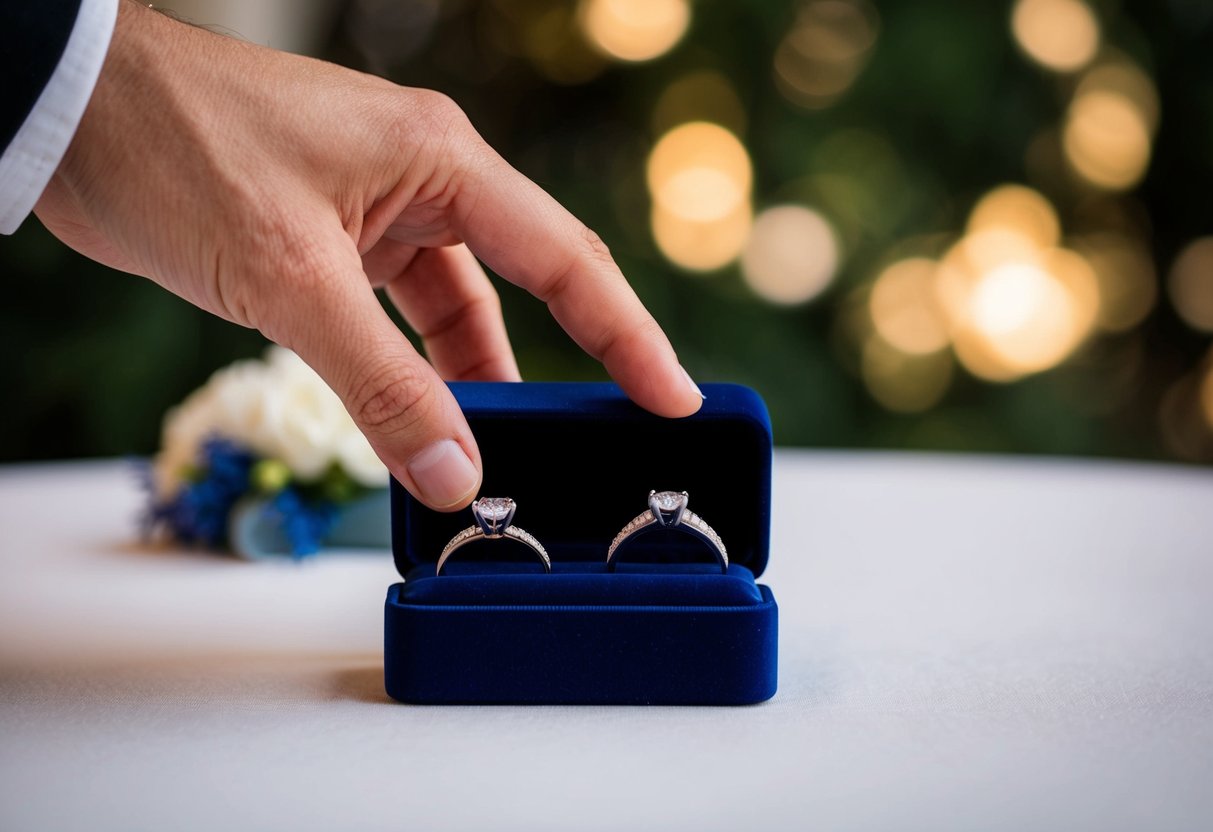
Choosing wedding rings is an important part of your wedding planning. It’s about finding pieces that reflect your personal style and the unique love story you share with your partner. Consider both the engagement ring and wedding bands you want to create lasting memories on your special day.
Selecting a Wedding Ring Set
When picking a wedding ring set, consider matching your engagement ring with the wedding band.
You might want a cohesive look, which often means choosing rings from the same jewelry designer. Think about how the styles complement each other in terms of metal, stone placement, and overall design.
You can also choose a mix of designs. Some brides prefer a simple band that allows the engagement ring to shine. Others might want a more embellished band that adds a touch of sparkle.
Be sure to try different combinations. Holding them together on your left ring finger can help you visualize the final look.
Considerations for Personal Style and Design
Personal style plays a big role in selecting your wedding rings. You might prefer a more durable metal like platinum or palladium if you lead an active life.
Start by thinking about your lifestyle.
Determine what designs resonate with you. Do you like classic styles, or are you drawn to modern and unique shapes? You might also consider including meaningful symbols or stones in your wedding band.
Don’t forget about comfort.
Make sure the rings fit well and feel good on your finger, especially since you’ll wear them every day. Consider your promise ring, if you have one, and how it will fit with your wedding band.