
Who Puts the Wedding Ring on First? A Guide to Traditional Wedding Customs
When it comes to the wedding ceremony, the exchange of rings is a significant moment filled with love and commitment. Traditionally, the groom puts the wedding ring on the bride first, symbolizing his devotion and promise. This act shows that the groom is dedicated to starting a new life together.
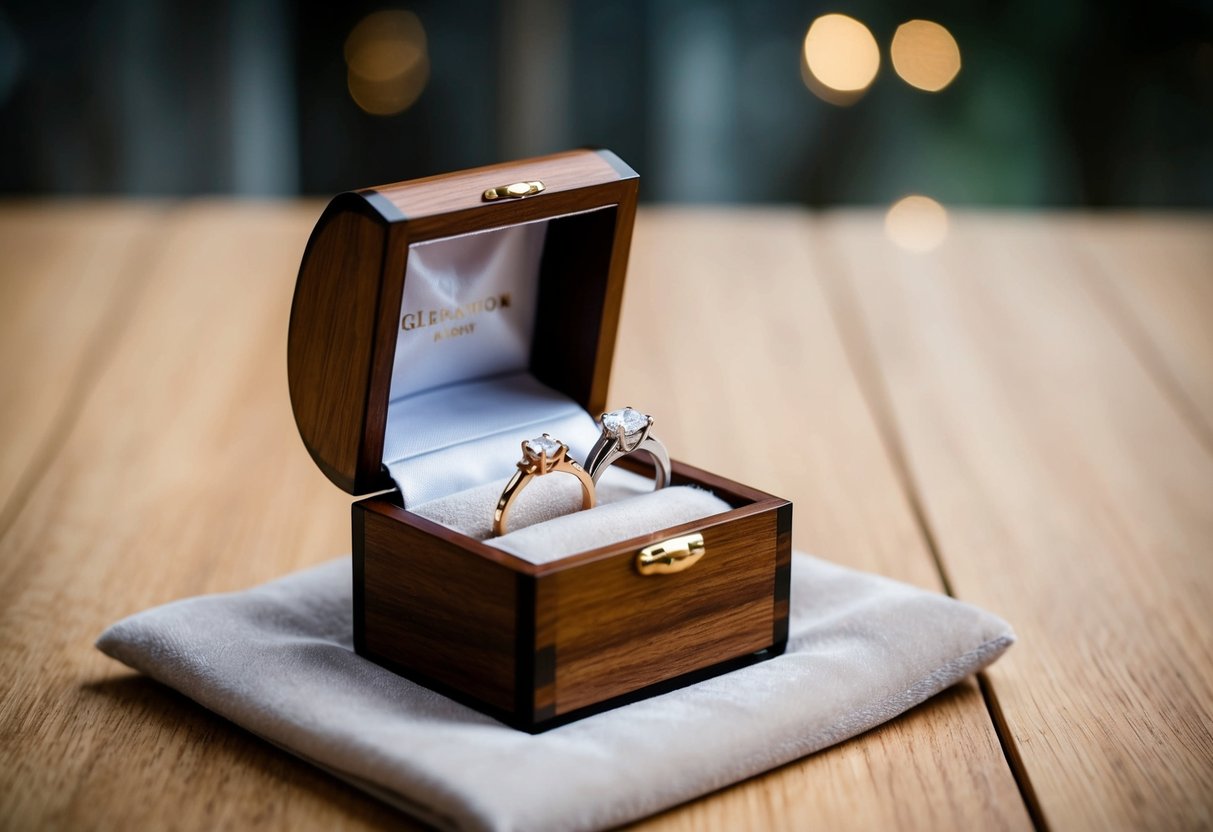
Many couples wonder if they have to stick to this tradition or if they can choose their own way. It’s essential to remember that this moment is about what feels right for you and your partner. Some couples decide to personalize the order based on their values and preferences, making the ceremony even more special.
As you prepare for your big day, think about how you want to approach the ring exchange. Whether you follow tradition or create your unique style, this moment will be a cherished memory that represents your love and commitment to each other.
The Significance of Ring Exchange in Wedding Ceremonies
The ring exchange during wedding ceremonies is a powerful moment filled with meaning. It reflects the couple’s commitment to one another and their unique love story. This section covers the historical background and symbolic meaning of wedding and engagement rings.
Historical Background of Wedding Rings
Wedding rings have a rich history that dates back thousands of years. The tradition began in ancient Egypt, where couples exchanged rings made of woven reeds to symbolize their eternal bond.
In Roman times, a more durable metal was used, reflecting a deeper commitment. The circle shape of the ring symbolizes eternity, with no beginning or end.
Over the years, many personal touches have been added, making each ring as unique as the love story it represents. Today, some couples choose to include gemstones or engravings that hold special meaning for them.
Symbolic Meaning of Wedding and Engagement Rings
Wedding and engagement rings serve as powerful symbols of love and commitment. The act of exchanging rings is a significant moment in the wedding ceremony order, marking the start of your life together.
Engagement rings often represent promise and intent, while wedding bands signify a lifelong commitment.
Each ring serves as a constant reminder of the vows you’ve taken. Wearing these rings daily can strengthen the bond you share, making it a meaningful gesture.
Additionally, you may choose to customize rings to reflect your personalities or shared values, adding to their emotional significance.
The Order of the Ring Exchange
The order of the ring exchange can vary greatly based on traditions and personal choices. Understanding these practices helps you decide what feels right for your wedding ceremony.
Traditional Wedding Ring Exchange
In many traditional wedding ceremonies, the groom places the ring on the bride’s finger first. This act symbolizes his commitment and love as he promises to cherish her. Following this, the bride places her ring on the groom’s finger, affirming her vows in return.
This order has roots in cultural traditions that reflect gender roles and commitment. Often, it highlights the protective role of the groom while celebrating the couple’s bond. It is a moment filled with emotion as the couple publicly declares their love and shared future.
Modern Interpretations and Customs
Modern weddings often embrace different approaches to the ring exchange. Many couples now prefer a simultaneous ring exchange to promote equality in their relationship. This method allows you and your partner to share the moment without adhering to outdated customs.
Some couples also choose unique personal styles for their ceremonies. For example, you might decide to exchange rings at a different point, like after reading personal vows. These modern interpretations can enhance the experience and make it more meaningful for both partners.
Key Roles in the Wedding Ring Ceremony
In a wedding ring ceremony, several key roles make the event meaningful. Each member contributes to the exchange of rings, enhancing the moment of love and commitment between the couple.
Roles of the Officiant and Wedding Party
The officiant plays a central role in the ceremony. This person leads the event, guiding the couple through their vows and the ring exchange. The officiant is responsible for ensuring that the ceremony flows smoothly and stays true to the couple’s wishes.
Your wedding party includes significant figures like the best man and maid of honor. They stand by your side and support you during the ceremony. The best man typically holds the wedding bands until the exchange, while the maid of honor may assist the bride with her engagement ring, which is traditionally worn on top of the wedding band.
Ring Bearer, Best Man, and Maid of Honor
The ring bearer is often a young child who carries the rings to the couple. This adorable role adds a touch of innocence and charm to the ceremony. The rings are usually placed on a decorative pillow, which the ring bearer carries down the aisle.
The best man not only holds the rings but also offers support and advice to the groom. He stands beside the groom during the vows and celebrates with him after the ceremony.
The maid of honor plays a similar role for the bride, offering emotional support while holding the bride’s engagement ring during the exchange. Together, these roles create a loving and supportive atmosphere that highlights the couple’s commitment.