
Who Says “I Do” First in a Wedding Ceremony? Understanding Tradition and Custom
When planning your wedding, you may wonder about the order of the ceremony, especially who says “I do” first. Traditionally, the groom says his vows before the bride during the ceremony. This custom has deep roots in cultural and religious practices, often reflecting historical views on gender roles.
While many couples stick to this traditional order, personal preference plays a significant role in modern ceremonies. You have the freedom to set your own rules and choose who speaks first. This choice can make your ceremony feel more personal and meaningful.
Understanding these traditions can help you make an informed decision on how to conduct your vows. Whether you embrace the custom or break from it, focus on what feels right for you and your partner.
The Role of the Officiant
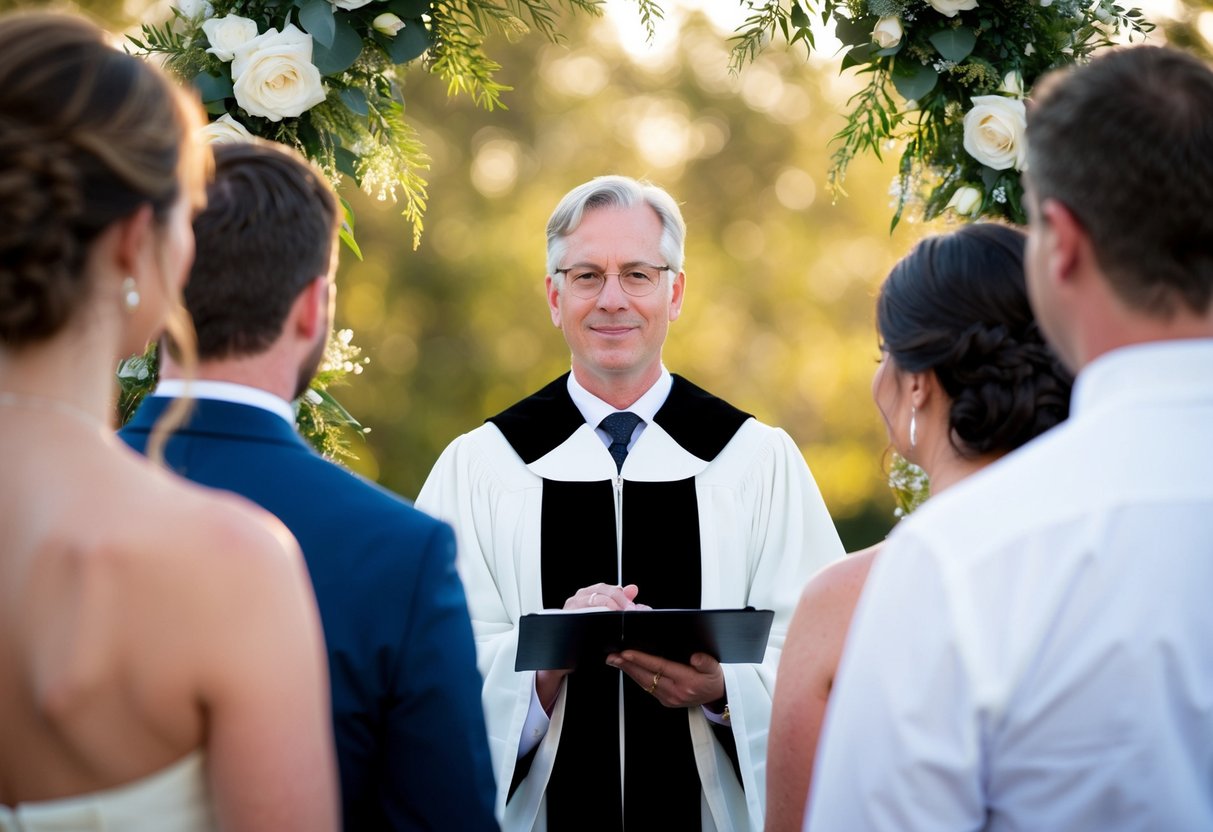
The officiant plays a vital role in your wedding ceremony. They guide the event and help create a special atmosphere for the exchange of vows. Their duties shape the experience for you and your guests, making everything smooth and memorable.
Introducing the Officiant’s Duties
The officiant is responsible for leading the ceremony and ensuring that everything goes as planned. This includes presenting the ceremony script, which outlines what will happen throughout the event.
They introduce themselves and often share a bit about their relationship with the couple, adding a personal touch. Your officiant sets the tone, whether it’s formal, casual, or somewhere in between. They also handle any legal requirements necessary for your marriage to be recognized.
Additionally, they coordinate with vendors and ensure everyone is in place for the ceremony to start on time. Their role is crucial in making sure each moment flows seamlessly, allowing you to focus on your vows.
Guiding the Vow Exchange
When it’s time for the exchange of vows, the officiant plays a key role in guiding you and your partner. They prompt each of you when to speak and ensure that both vows are delivered clearly and with intention.
Typically, the officiant will explain the process, including how each of you can personalize your vows. This allows for a special moment where your unique promises are shared. You may choose to recite traditional vows or read your own written promises, and your officiant will help facilitate that.
They also create a supportive atmosphere, encouraging both of you to express your feelings openly. This moment is often the heart of the ceremony, and a skilled officiant knows how to make it memorable for all involved.
Order of Vows and ‘I Do’s

When planning your wedding ceremony, the order of vows and who says “I do” first can greatly influence the tone of your special day. This section explores traditional customs, ways to personalize your ceremony, and considerations for same-sex couples.
Understanding the Traditional Order
In many weddings, the groom traditionally says his vows first. This practice dates back to historical views on relationships and often reflects cultural and religious norms.
In some religions, this order emphasizes the groom’s role as the head of the family. However, this doesn’t mean you have to stick to tradition. You can choose to personalize this aspect based on your beliefs and relationship dynamics.
Understanding the traditional order helps you decide if it fits within your vision for equality in marriage. Reflect on what feels right for you both.
Personalizing Your Ceremony
You have the freedom to personalize who says “I do” first in your ceremony. Couples may switch the order or even say their vows together. This choice can signify a partnership based on equality.
Discussing this decision together is vital. Sharing your views helps strengthen your connection and ensures both partners feel valued.
Creating a ceremony that represents your unique relationship can enhance your experience. Make it a point to reflect your personalities, values, and commitment in this significant moment.
Same-Sex Couples and Equality
In same-sex marriages, the order of vows takes on a unique significance. There may be a desire to highlight equality more explicitly than in traditional ceremonies.
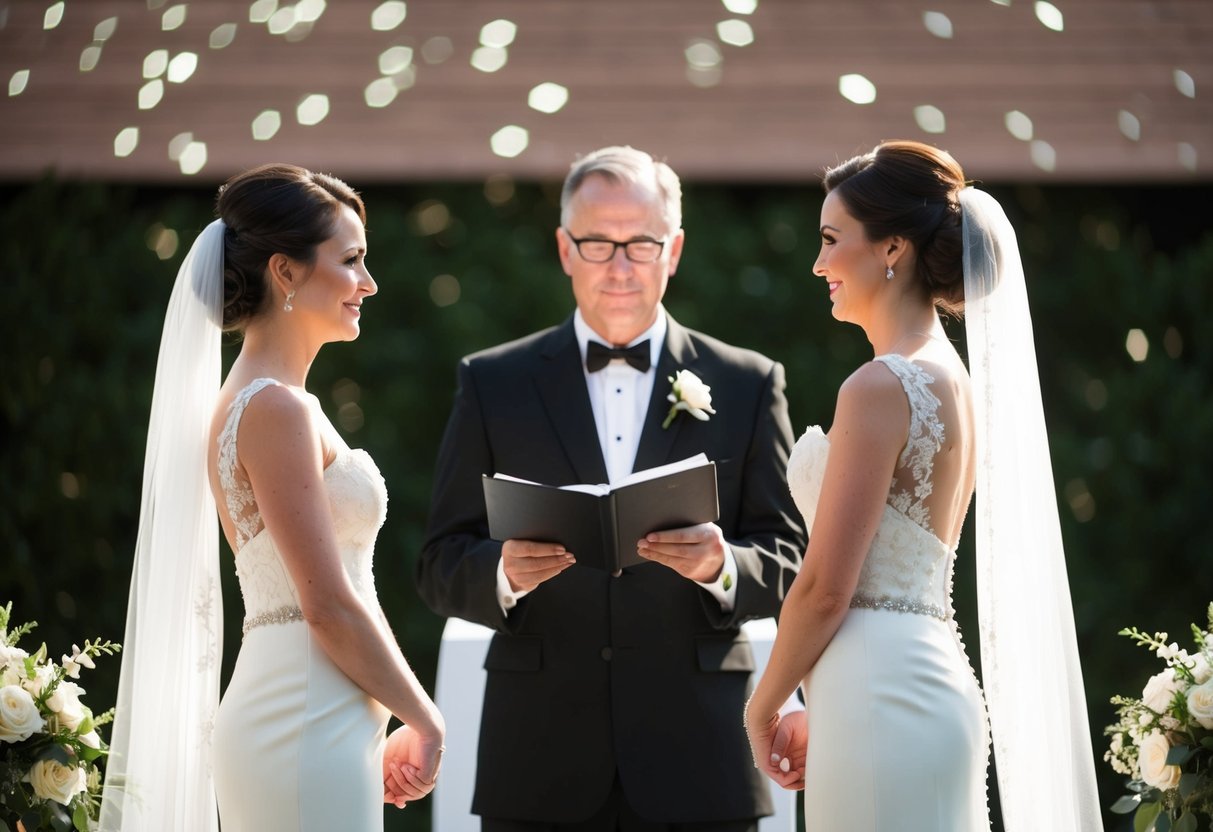
Many same-sex couples choose to say their vows simultaneously or decide on an order that reflects both partners equally. Discussing this openly can lead to a deeper understanding of each other.
Emphasizing equality in such moments can strengthen your bond as you navigate your shared life. Personalizing your vows allows for a celebration of love that resonates with your values and experiences.
Cultural and Modern Considerations
When planning your wedding, it’s important to think about how cultural traditions and modern values shape the ceremony. Elements like who says “I do” first can reflect your beliefs and desires for equality and partnership. Here are some key points to consider.
Honoring Wedding Traditions
Many couples choose to uphold cultural and religious wedding traditions. In some cultures, the groom saying his vows first represents his role as the leader.
You might find that certain rituals, like the lighting of a unity candle or breaking a glass, hold special significance. These acts can honor family heritage and symbolize a lifelong commitment.
While traditions can add meaning to your ceremony, feel free to modify them to reflect your shared values. Personalization can turn a traditional wedding into a unique celebration that resonates with you both.
Challenging Traditional Gender Roles
Challenging traditional gender roles is common in modern weddings. Many couples prefer a more egalitarian approach, where both partners have equal say.
This can mean the bride says her vows first if she chooses. Such choices can represent a shift towards a partnership based on mutual respect and love.
You can create opportunities to express your unique unity during the ceremony. Introducing elements that reflect both partners equally can make the experience more meaningful and inclusive.
Inclusivity in Modern Ceremonies
Modern weddings often embrace inclusivity, allowing all couples to celebrate love in their own way. This means adapting ceremonies to fit diverse backgrounds and preferences.
You might decide to create a personalized vow exchange that reflects your relationship’s essence. Including family members or friends in the ceremony can foster connection and create lasting memories.
Also, consider unique unity rituals that hold significance for both of you. This could be anything from a sand ceremony to a tree planting, symbolizing your shared future together. Making space for everyone enhances the celebration of love and commitment.
Planning the Ceremony Flow
Creating a smooth ceremony flow is essential for any wedding. You want everything to feel natural and joyful. Key elements include coordinating with your wedding planner, choosing the right music, and capturing those special moments on video.
Coordinating with Your Wedding Planner
Your wedding planner is your best ally in organizing the ceremony flow. They can help you decide the order of events, ensuring that everyone knows where to be at the right time.
Discuss the procession—who walks in first, and when your family and wedding party should take their places. Make a detailed timeline and share it with all involved.
This coordination prevents confusion and helps the ceremony start on time. It also allows you to focus on enjoying the moment instead of worrying about logistics.
Setting the Tone with Music and Readings
Music and readings set the mood for your wedding ceremony. Choose songs that resonate with you and your partner. Think about the vibe you want—romantic, joyful, or perhaps a touch of humor.
Select readings that reflect your relationship and values. These can be poems, passages from literature, or even personal vows. Discuss your choices with your wedding planner to ensure the timing fits smoothly into the flow.
This preparation helps create meaningful moments that you and your guests will cherish.
Capturing the Moments on Video
Don’t forget to capture the ceremony on video. Hiring a professional ensures that each important moment is recorded beautifully. You want to look back and relive those smiles and tears.
Provide your videographer with a copy of the ceremony schedule. This helps them know when to catch key moments, like your vows or the first kiss.
Discuss any special shots you want them to prioritize, such as family reactions or close-ups of the rings.
With effective planning, your wedding video will tell the story of your special day just the way you imagined.