
Who Should Be Invited to a Destination Wedding? A Guide for Couples
Planning a destination wedding can be exciting, but it also brings unique challenges, especially when it comes to deciding who to invite. The key is to focus on your closest friends and family who will truly share in the experience and be able to travel. This keeps your guest list manageable while ensuring that the people who mean the most to you are there to celebrate.
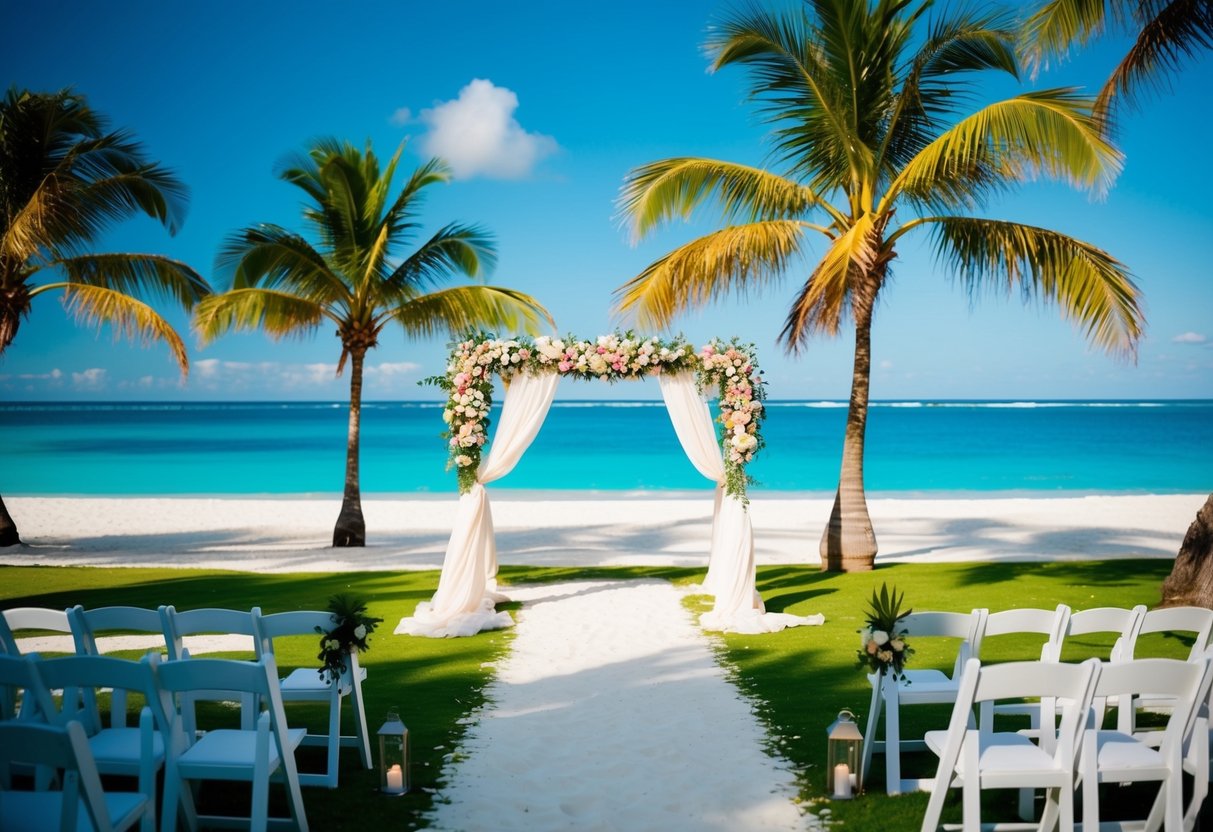
Think about the relationships that matter to you. You want guests who will enjoy the journey as much as the celebration. Pay attention to your budget and consider those who might be willing to travel for a memorable adventure. When it comes to wedding etiquette, remember that not everyone can attend, and that’s perfectly okay.
Guest etiquette is also essential. Clear communication about travel costs and accommodations will help everyone feel informed and respected. By inviting the right people, you can create lasting memories in a beautiful location without unnecessary stress.
Determining Your Guest List
Creating your guest list is a vital part of planning a destination wedding. You want to focus on the people who matter most while also considering practical aspects like budget and travel.
Immediate Family and Close Friends
Your immediate family should be at the top of your guest list. This includes parents, siblings, and sometimes grandparents. Their presence can make your day more special, so be sure to invite them.
Next, think about your closest friends. These are the people who have supported you through thick and thin. When considering friends, don’t forget about those who are like family to you.
Tip: You can invite a “plus one” for close friends if they are in a relationship. This ensures they feel included and comfortable at your special event.
Key Considerations for Larger Circles
Once you have your immediate family and close friends listed, it’s time to think about larger circles. This might include extended family, work colleagues, or friends from different stages of your life.
Consider the size of your wedding venue and your budget. A smaller, more intimate wedding can create a cozy atmosphere.
When inviting friends from different groups, be mindful of how they may mix. You want everyone to feel comfortable. If you’re concerned, limit the number of people from larger circles to maintain the wedding’s intimacy.
Remember to keep an eye on travel restrictions and costs for guests. This can influence who is able to attend your destination wedding.
Logistics and Planning

Planning a destination wedding involves careful attention to details that can impact your guests’ experience. Understanding travel plans, accommodations, and effective communication will help ensure a smooth event.
Travel Plans and Accommodations
When planning your wedding, think about the travel arrangements for your guests. Providing helpful details, like the best airports and local transportation options, can make a big difference.
Consider reserving hotel blocks to secure group rates. This will not only save your guests money but also ensure everyone is close to the wedding venue. Share recommended hotels, along with any discounts, on your wedding website.
Don’t forget to factor in travel costs. Let guests know early about what they might expect to spend. Sending out save-the-dates well in advance gives everyone a chance to plan their trips.
Communication and Updates
Clear communication is key for a destination wedding. Start by creating a wedding website where guests can find all necessary information. Include details about travel plans, accommodations, and any events you have planned.
Regular updates are essential as your wedding date approaches. Consider sending out email reminders and important changes to keep everyone informed. This helps prevent confusion about schedules.
Encourage guests to reach out if they have questions. Being approachable creates a supportive atmosphere during the planning stages. Keeping the lines of communication open will make your wedding experience enjoyable for everyone involved.
Pre-wedding Activities

Planning pre-wedding activities can enhance the experience for you and your guests, adding fun and creating lasting memories. Consider a welcome dinner or a weekend filled with engaging events that allow everyone to bond before the big day.
Hosting a Welcome Dinner
A welcome dinner is a great way to kick off your destination wedding. This casual gathering allows you to greet your guests and thank them for traveling.
You can choose a local restaurant or set up a relaxed outdoor barbecue. A wedding planner can help you find the perfect venue to match your style and budget.
Make sure to plan a menu that showcases local cuisine. This adds flavor to the experience and gives your guests a taste of the area.
Also, include activities like ice-breaking games to help introduce guests to one another. This creates a warm atmosphere and sets the tone for a joyful celebration.
Options for a Wedding Weekend
A wedding weekend full of activities makes your celebration even more special. Consider hosting options like group excursions, local tours, or fun workshops.
For example, wine tasting is a fantastic way to spend time together while enjoying the local scene. You can also think about group surfing or paddleboarding lessons, which are both engaging and memorable.
Ask your wedding planner for ideas tailored to your chosen destination. They can recommend activities that fit your guests’ interests and abilities.
Don’t forget about a farewell brunch. This final gathering allows everyone to share stories and enjoy one last meal together before heading home. It also provides an opportunity for you to thank your guests for being part of your special weekend.
Invitations and Etiquette
When planning a destination wedding, it’s important to pay attention to both invitations and etiquette. This ensures your guests are well-informed and feel valued. You need to make thoughtful choices about your invitations and understand the financial aspects of your event.
Designing the Invitation Suite
Your wedding invitation is the first impression guests will have of your special day. It should be clear and include essential details like the date, location, and any travel information.
Consider sending out save the dates well in advance. This gives guests time to prepare for the travel. Use a design that matches your wedding theme to convey the vibe of your celebration.
Be sure to include travel tips, accommodations, and details about the wedding reception. You might also want to mention any special events, like a welcome dinner. Personalized touches, such as a wedding registry link, make your invitations even more thoughtful.
Understanding ‘Who Pays for What’
In destination weddings, budget concerns often arise. It’s crucial to clarify who is responsible for expenses to avoid misunderstandings. Typically, guests cover their travel, accommodations, and meals not provided by the couple.
Some couples choose to provide welcome bags for guests upon arrival. This is a nice gesture and can include snacks, itineraries, and tips for exploring the area.
Specify if you’ll cover certain group activities or transportation. Being upfront about financial expectations helps maintain clarity and keeps everyone comfortable while they celebrate your special day.