
Who Should Be Seated First at a Wedding? A Guide to Planning Your Seating Arrangements
When planning a wedding, seating arrangements can feel overwhelming. Knowing who should be seated first can help ease some of that stress. Typically, immediate family members, such as parents and siblings of the bride and groom, are given priority in seating.
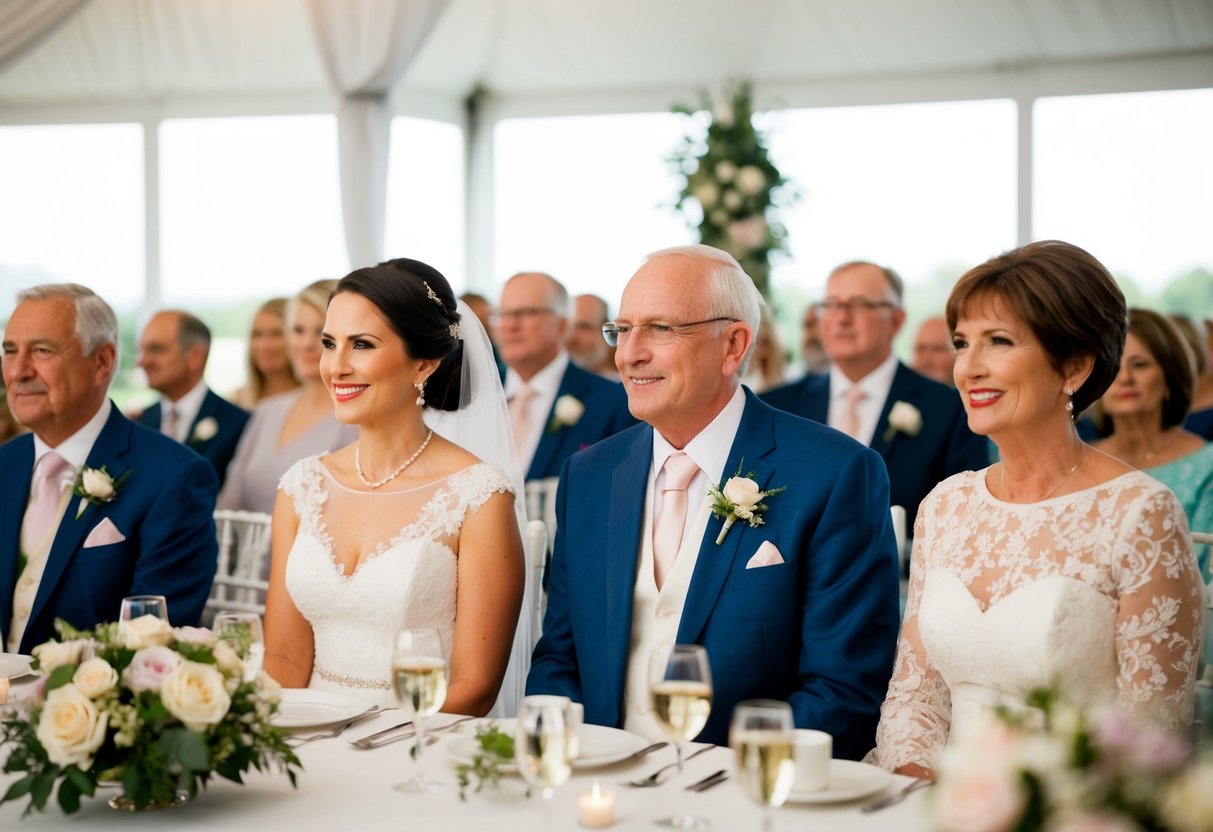
This order of seating ensures that your closest loved ones are honored during this special event. It’s also a way to show respect and appreciation to those who have supported you the most. Understanding the seating hierarchy will make your ceremony flow smoothly and create a warm atmosphere for all your guests.
Wedding Ceremony Seating Fundamentals
Understanding the essentials of wedding ceremony seating can help ensure that your special day flows smoothly. Key elements include the roles of ushers, the order of seating for important guests, and how to approach seating in same-sex marriage ceremonies.
The Role of Ushers in Ceremony Seating
Ushers play a vital role in guiding your guests to their seats. They should know the seating arrangements and be prepared to assist with any questions. Typically, ushers will seat guests in a specific order, focusing first on family members.
You’ll want to assign ushers to help manage the flow. Consider having one usher for the bride’s side and another for the groom’s side. This can make it easier to distinguish between the families.
Ushers can also assist older guests or those with mobility issues, ensuring they have a comfortable seat. Their friendly faces can also ease any nervousness and help guests feel welcome.
Order of Seating for VIP Guests
When it comes to seating VIP guests, such as the parents of the bride and groom, you should prioritize them. Immediate family members often sit in the first few rows. Here’s a typical order:
- Parents of the Bride: They usually sit on the left side.
- Parents of the Groom: They typically sit on the right side.
- Grandparents: They take seats behind the parents.
If there are divorced parents, decide on a plan ahead of time to avoid confusion. Reserved seating should be indicated with signs or by ushers to ensure that special guests feel honored.
Special Considerations for Same-Sex Marriage Ceremonies
For same-sex marriages, you have the freedom to decide your seating arrangements based on your preferences. You may choose to create a seating plan that reflects your relationship and the dynamics of your families.
One option is to alternate seating between the families or have a unified seating plan that avoids assigning sides. This approach emphasizes equality and love.
As with any ceremony, it’s essential to communicate your seating choices to your ushers in advance. This will help them guide guests to their seats efficiently and comfortably, making everyone feel included in your celebration.
Designing the Perfect Wedding Seating Plan
Creating a thoughtful seating plan is key for a smooth wedding reception. It helps ensure guests feel comfortable and allows for easy mingling among friends and family. Here’s how to design an effective seating chart and assign seats at your wedding.
Creating an Effective Seating Chart
Start by listing your guests and deciding on the seating arrangements. You can group people by friends, family, or interests.
Consider using a mix of tables, such as round tables for easy conversation and rectangular tables for larger groups.
Decide where to place the sweetheart table for you and your partner. This table is often centrally located, making it easy for guests to engage with you.
Next, assign priority seating to close family members at the head table. Then, think about having a kids’ table and a singles table for younger guests and those who might enjoy connecting with others.
Make a draft of your seating chart. This can be done on paper or digitally. Use place cards or a chart for reference at the reception to help guests find where they sit.
Assigning Seats at the Reception
When assigning seats, remember to consider relationships and dynamics. Place friends together and avoid seating anyone who may have conflicts. This thoughtful approach helps create a welcoming environment.
You might want to aim for a mix of guests at each table to encourage new friendships. Also, be mindful of dietary restrictions. Ask guests about their preferences when sending invitations.
Make clear table assignments. Use a seating chart or individual name cards on tables. Clearly labeling tables will help guests navigate the layout with ease. Keep in mind, flexibility is key. Allow guests to move around if they wish.
Strategic Placement of Wedding Party Members
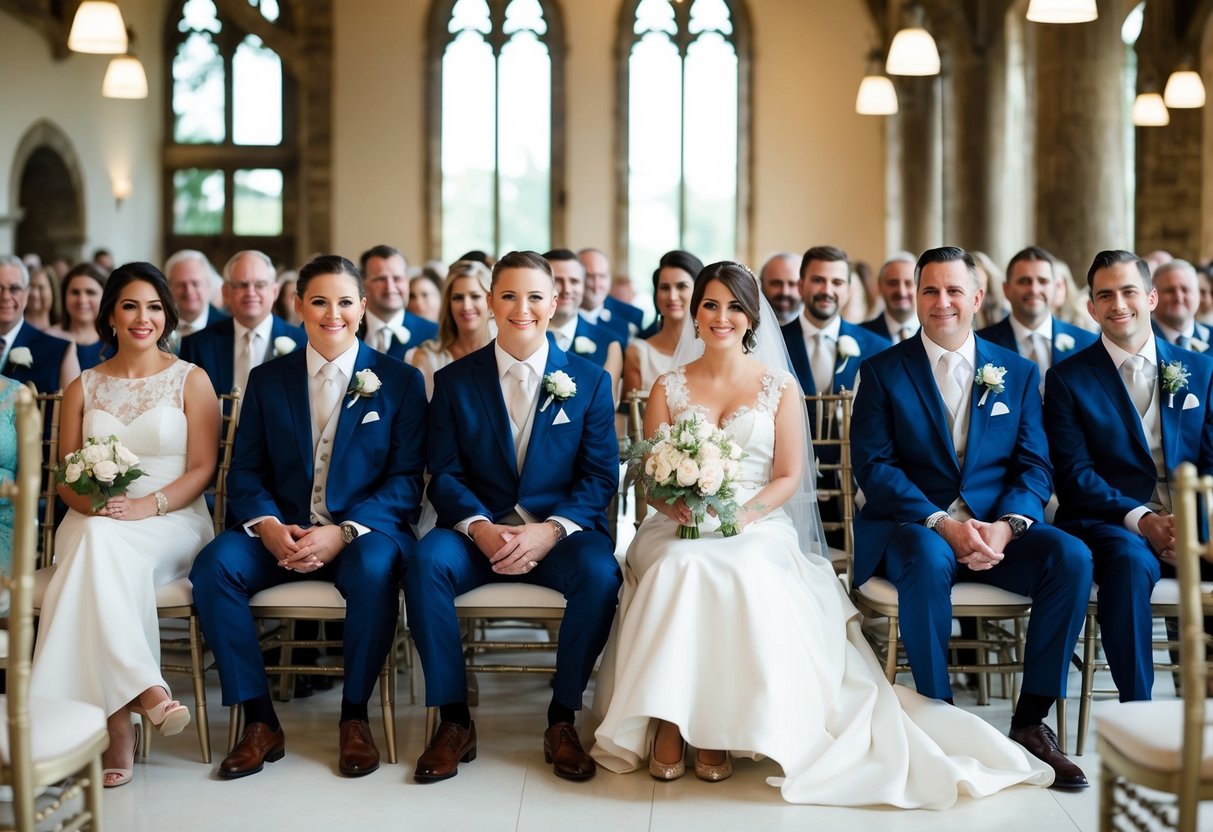
When planning your wedding seating, think carefully about your wedding party. This includes your best man, bridesmaids, groomsmen, and other key players. Their placement can set the tone for your special day.
Head Table
Your wedding party should be close to you. Typically, the newlyweds sit in the center of the head table, with the best man and other attendants flanking them. This way, they remain part of the celebration.
Family Connections
Consider seating close family members near the wedding party. Grandparents, parents, and siblings often appreciate being close to you during the reception. This fosters an environment of warmth and support.
Helpful Tips
- Group by Relationships: Place friends and family together. This encourages conversation and laughter.
- Consider Personal Dynamics: If certain guests may clash, give them space. It’s better to avoid awkward moments.
- Mix and Match: If your wedding party includes members from both sides, mix them up to strengthen connections.
Incorporating Friends and Family into Seating Arrangements
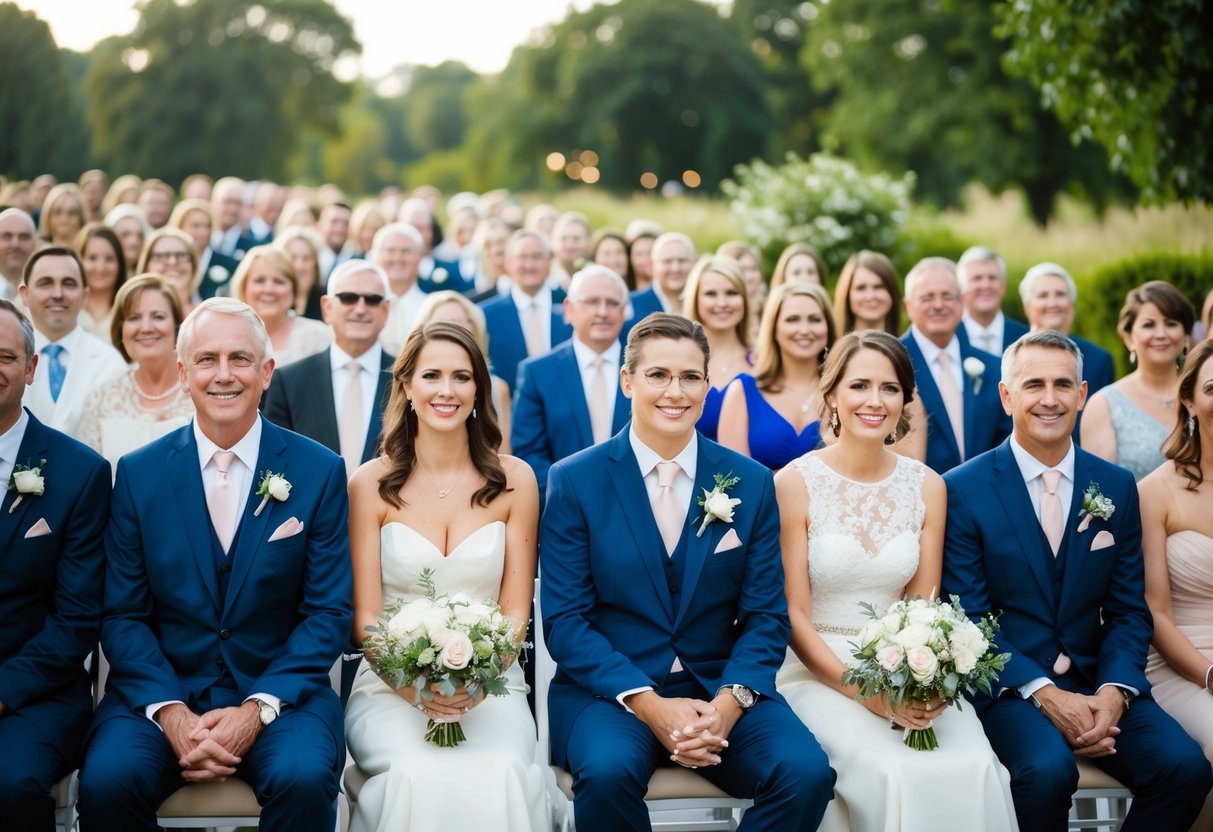
Creating a warm and inviting atmosphere for your wedding involves thoughtfully placing friends and family at the right tables. You want everyone to feel comfortable and included, making the seating plan an important part of your reception.
Accommodating College and Work Friends
When considering your college friends and work buddies, think about their relationships with each other and you.
You might want to mix groups so that everyone feels connected. For instance, seat your college friends together to reminisce about old times, but make sure they are close to your work friends as well, especially if they haven’t met before.
A good idea is to create a table just for these social circles. This way, they can bond over common interests. Also, prepare for varying levels of comfort by placing outgoing friends with those who are more reserved. This mix can spark great conversations and help everyone enjoy the celebration.
Ensuring Comfortable Guest Seating
Comfort is key when it comes to guest seating. You don’t want anyone feeling left out or awkward.
Start by identifying any potential seating conflicts, like ex-partners or guests who might not get along. Then, use your knowledge to arrange seating thoughtfully.
Consider adding elements that improve comfort, like designated tables for family or close friends. Be mindful of your guests’ needs, such as those requiring extra space or special access.
If you have older relatives attending, ensure their seats are easily accessible. Lastly, provide a seating chart at the entrance so guests can easily find their places. This will keep everyone comfortable and ready to enjoy the festivities.