
Who Should Buy the Bride’s Dress? Tips for the Perfect Purchase
Choosing who buys your wedding dress can be a big part of your wedding planning. The responsibility often falls on the bride, but there are many factors to consider.
You might want to involve family members or bridesmaids, especially if they want to contribute to this special day. It’s essential to have open conversations about budgets and preferences.
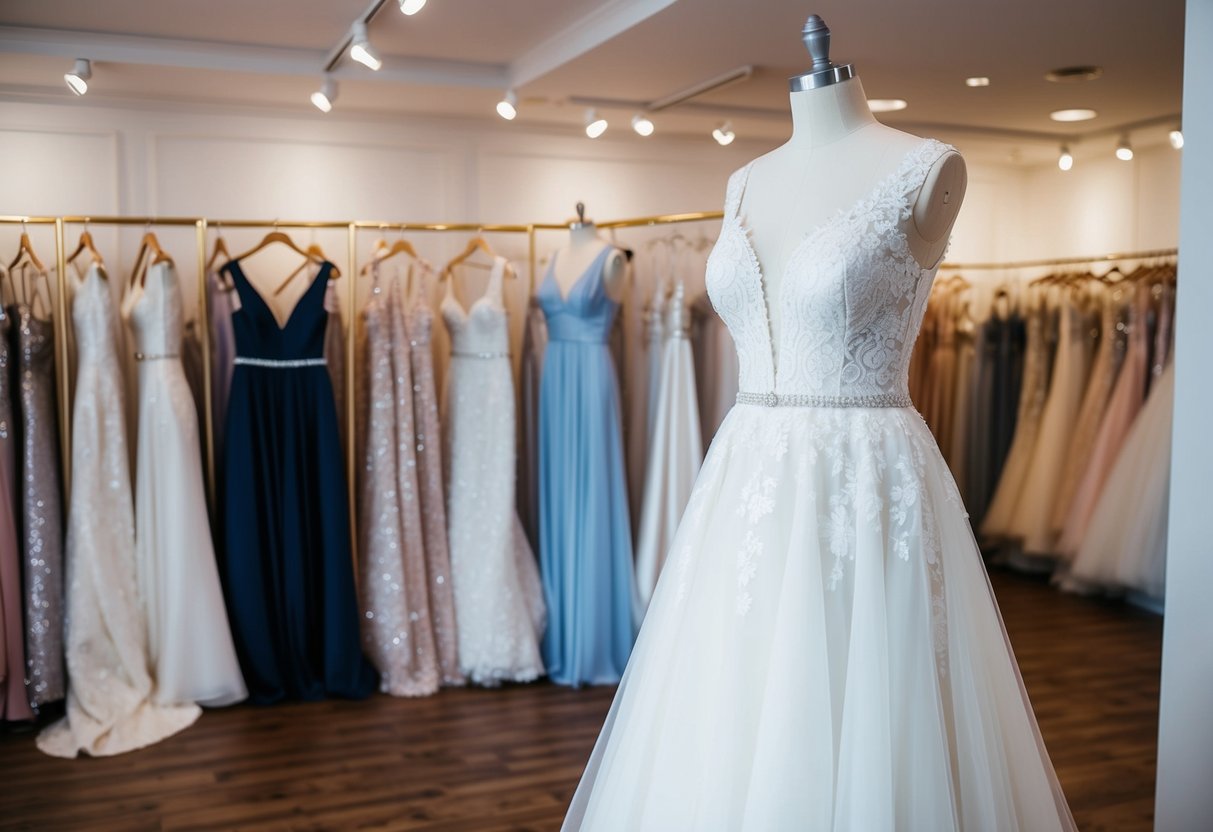
Many brides find joy in having their close friends or family help with the process. This can create memorable moments as you try on different styles and find the perfect gown.
Whether it’s your parents, future in-laws, or your best friends, each person can bring their own perspective and support during this exciting time.
Remember that while the decision is yours, sharing the experience with loved ones can make your wedding dress shopping even more meaningful. Embrace this moment as it helps to set the tone for your big day ahead.
Determining Who Buys the Bride’s Dress
When deciding who should buy the bride’s dress, it’s essential to consider both traditional expectations and modern views. Your culture and family background can play a big role in this determination.
Additionally, discussing financial responsibilities openly can help make the process smoother.
Traditions and Expectations
Traditionally, the bride’s family typically covers the cost of the wedding dress. This is often seen as a way to honor the bride on her special day.
In many cases, it is the bride’s parents who take on this responsibility. However, sometimes other family members, like grandparents or uncles, may contribute.
Different cultures have various practices surrounding wedding expenses. For example, in some cultures, the groom’s family might share in the cost. Understanding these traditions can help you navigate expectations with your family during the wedding planning process.
Modern Considerations
In today’s world, the decision about who buys the wedding dress can be more flexible. Many couples are choosing to share wedding expenses, which can include the dress.
Discussing this openly can help everyone involved feel comfortable.
If you and your partner prefer to split costs, consider setting a budget together. This way, you can stay on track while still finding a dress that reflects your unique style.
Remember, it’s about making the process enjoyable and meaningful for both of you, regardless of who ultimately pays.
Essentials of Wedding Dress Shopping
Wedding dress shopping can be an exciting yet overwhelming experience. Knowing where to start, who to invite, and what mistakes to avoid can make the process smoother and more enjoyable for you.
Choosing the Right Bridal Salon
Finding the right bridal salon is key to a successful shopping trip. Look for a salon that offers a variety of styles and sizes. This ensures you can try on different gowns that suit your taste and body type.
Reading reviews and asking friends for recommendations can help narrow down your options.
It’s also important to schedule an appointment, as many boutiques offer personalized service with a bridal consultant who can guide you through the selection process.
Make sure to check the salon’s return policy and how alterations work. Some salons might have in-house tailors, which can save you time and hassle later on.
Who to Bring Wedding Dress Shopping
Choosing the right people to accompany you is essential. You might want to bring family members or close friends whose opinions you trust.
However, be mindful of who can be supportive. Too many opinions can lead to confusion.
Consider inviting someone who knows your style well. A good friend or family member can provide honest feedback without overwhelming you.
It’s also good to have someone who will keep the mood light and fun.
Remember, this experience is about you. If you feel uncomfortable with certain people’s opinions, it’s okay to limit the guest list for a more enjoyable visit.
Common Mistakes to Avoid
Being aware of common wedding dress shopping mistakes can save you time and stress.
One major mistake is not setting a budget beforehand. Knowing your price range helps you and the bridal consultant focus on dresses that fit your needs.
Another mistake is underestimating the time it takes to find the right dress. Ideally, you should start shopping at least a year before your wedding date. This allows time for fittings and alterations.
Finally, don’t rush your decision. It’s easy to feel pressured, but remember this dress is special. Take your time to find a gown that truly makes you feel like a bride.
The Role of the Wedding Party in Dress Selection
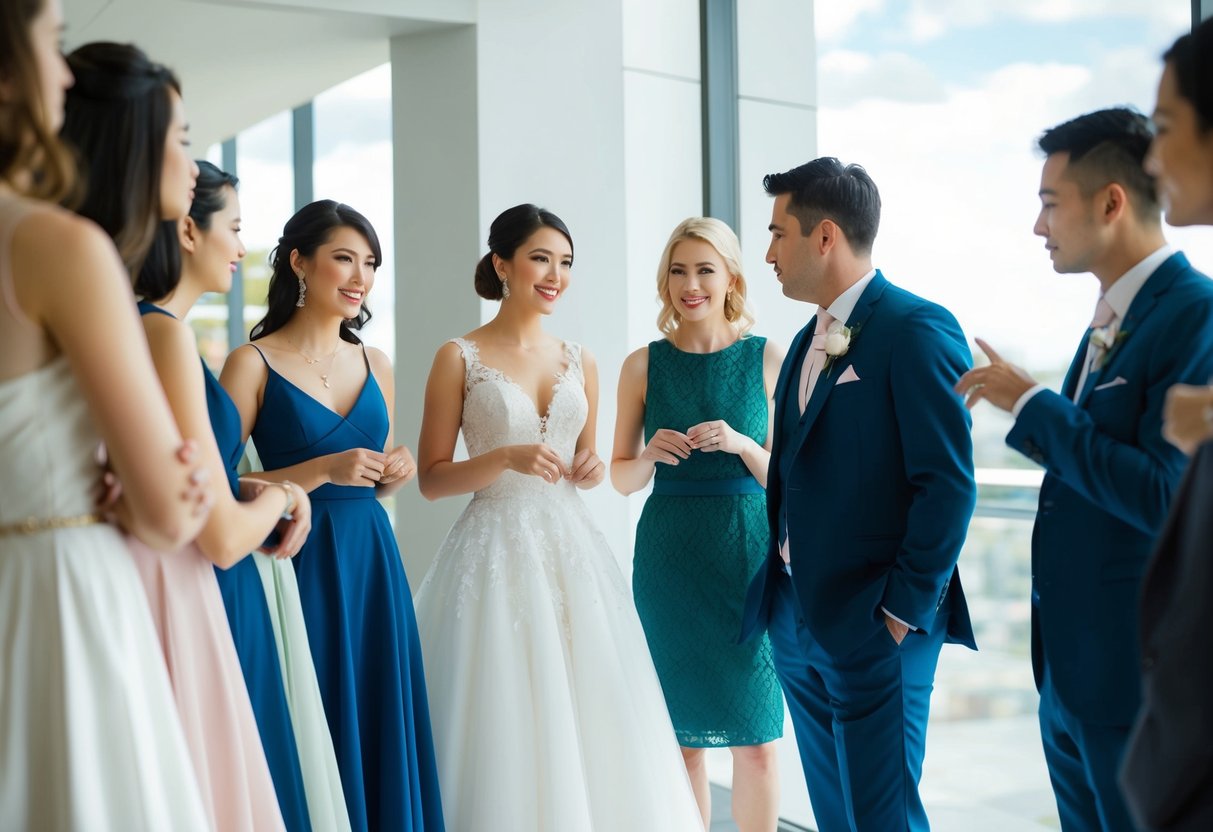
Involving your wedding party in the dress selection process can make it more enjoyable and meaningful. Their input can help ensure that the dress you choose reflects your style while also considering the overall theme of the wedding.
Bridesmaids’ Input and Attire
Your bridesmaids play a key role in the dress selection process. Their opinions can provide valuable insights into what styles work best for your vision. You might want to ask them for feedback on colors, fabrics, and designs.
Consider discussing the overall vibe of your wedding. If it’s formal, you may want elegant bridesmaid dresses that complement your gown. If it’s a more casual setting, lighter fabrics and simpler styles might be appropriate.
It’s also important to think about their comfort. Choose designs that flatter their body types and allow for easy movement.
You can create a cohesive look by selecting similar styles or colors, even if the dresses differ slightly.
Family Involvement in Dress Selection
Family can bring a different perspective to the dress selection process. Often, mothers and siblings want to be involved, and their support can enhance your experience.
Discuss your vision with family members who are close to you. They often have meaningful suggestions based on your fashion preferences. They may also help by sharing their thoughts about how certain styles align with family traditions or personal histories.
Remember to keep the conversation open and light. While you value their feedback, it’s your day. Balancing their opinions with your wishes can lead to a dress that feels perfect for both you and your loved ones.
Finalizing the Perfect Wedding Outfit
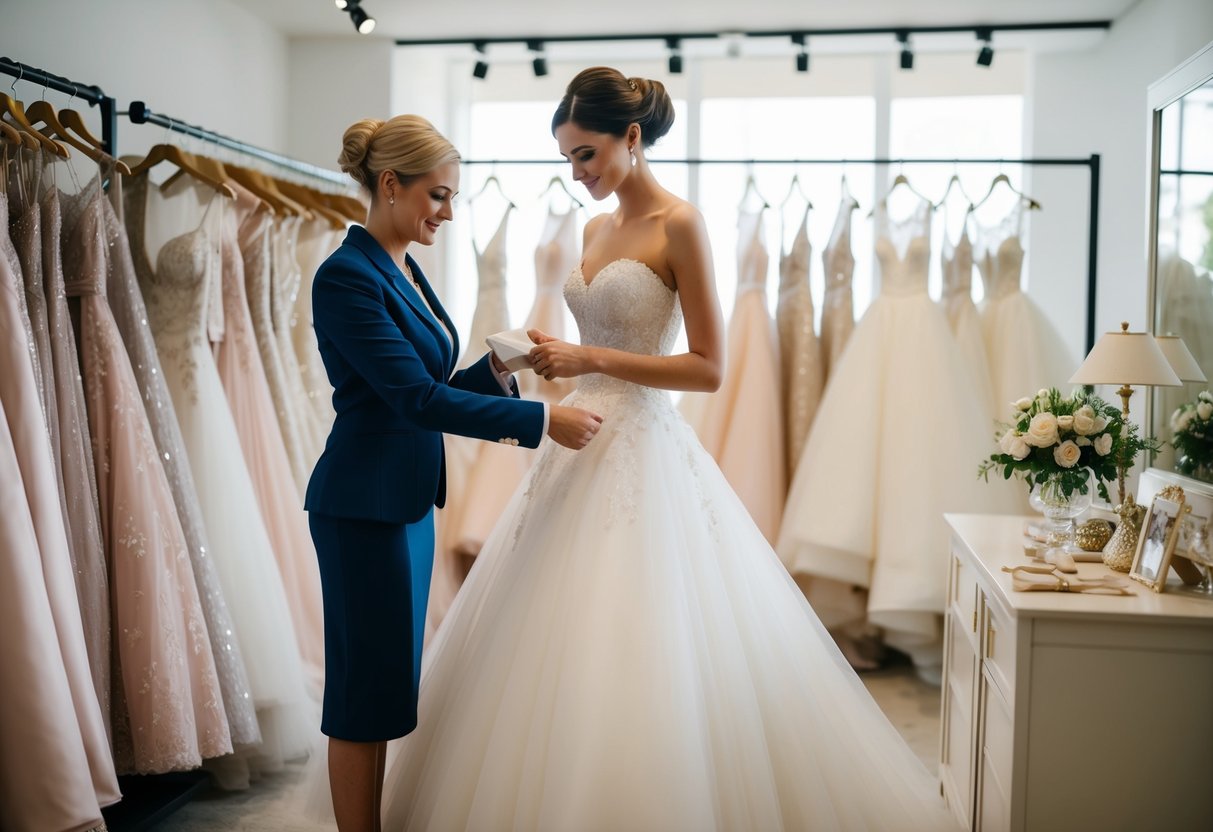
Getting your wedding outfit just right involves thoughtful planning and attention to detail. You want to ensure that your wedding gown is a perfect fit and that your accessories enhance your overall look for the big day.
Dress Fitting and Alterations
Finding the perfect dress is just the beginning. You need a professional seamstress for dress fittings and alterations to achieve a flawless fit.
Schedule your first fitting about 6-8 weeks before your wedding date to allow enough time for any adjustments.
During fittings, wear the shoes you plan to wear for your wedding to get the best length.
Communicate openly with your seamstress about any concerns you have regarding the gown. Key adjustments might include altering the hem, tightening the bodice, or adding cups for support.
These small changes can make a big difference in how you feel in your dress on your special day.
Accessories: Veil, Shoes, and More
Accessories can elevate your entire look. Start by choosing a veil that complements your gown. Options vary from long cathedral styles to simple birdcage veils. Think about what fits your theme and personal style.
Don’t forget about your shoes! Choose comfortable heels or flats that match the formality of your dress. Bring your shoes to fittings to ensure the hem is perfect.
Additionally, consider jewelry that enhances rather than overwhelms your outfit. Simple pieces, like stud earrings or a delicate bracelet, often work best.
Planning these details ahead of your wedding date will help you feel confident and stunning on your big day.