
Who Should Pay for the Wedding Dress? Exploring Traditions and Modern Choices
Planning a wedding involves many decisions, and one key question is often about the wedding dress. Traditionally, the bride is expected to pay for her wedding dress, but this has changed as couples today often share the costs. As you think about your wedding budget, it’s important to consider how the expenses will be divided between you, your partner, and your families.
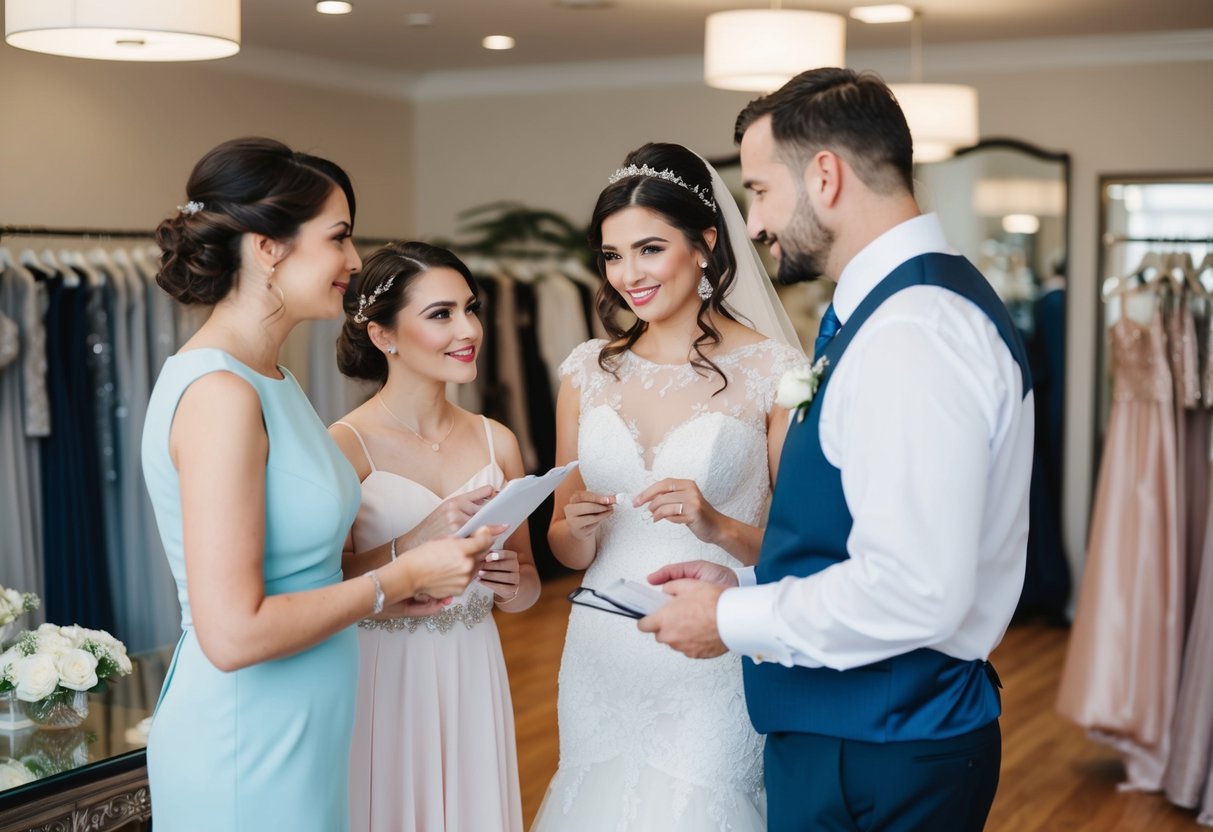
Wedding etiquette has evolved, and what was once seen as a norm may not fit every couple’s situation. You might find that each couple handles these costs differently, based on their unique circumstances and preferences. This article will explore the various options for who pays for the wedding dress, helping you navigate your wedding planning with ease.
Understanding Wedding Costs and Responsibilities

When planning a wedding, it’s important to know who typically pays for which expenses. Understanding these roles can help avoid confusion and set clear expectations between families. Let’s explore the traditional responsibilities and modern perspectives on financial contributions.
Roles of the Bride and Groom’s Families
Traditionally, the bride’s family has been responsible for many wedding costs. This includes expenses such as the wedding dress, venue, and reception. Historically, the expectation was that the bride’s parents would cover the majority of these expenses to honor their daughter on her special day.
On the other hand, the groom’s family may be expected to handle costs such as the rehearsal dinner and the honeymoon. However, these roles can vary based on individual circumstances.
It’s essential to have open conversations with both families about expectations and contributions. This can help create a more comfortable and collaborative planning process.
Typical Financial Responsibilities
Understanding the typical wedding expenses can shed light on who pays for what. Common costs include:
- Venue and catering: Often, this is a shared responsibility between both families.
- Wedding attire: Usually, the bride and her family cover the wedding dress, while the groom may pay for his suit.
- Photography and videography: These costs can be split or entirely covered by either family.
The average wedding budget can reach upwards of $35,000, so it’s crucial to be clear about who will handle each part of the budget. Setting up a detailed list of who pays for what can help avoid misunderstandings later.
Modern Takes on Financial Contributions
In today’s world, the financial responsibilities of weddings are changing. Many couples now pool their resources to pay for wedding expenses together. This can mean that both families contribute equally, or the couple pays for their own wedding.
Many brides now purchase their wedding dresses themselves, reflecting a modern view of financial independence. Additionally, it’s common for couples to discuss and negotiate costs directly with vendors.
This shift allows for a more personal touch and can ease the financial burden on one family. Encouraging open discussions about finances can lead to a more inclusive and enjoyable planning experience for everyone involved.
Shopping for the Wedding Dress

Choosing a wedding dress is an exciting and personal journey. You will want to find the right style while considering how to budget for it. Understanding who pays and knowing your options can help make gown shopping easier.
Choosing the Right Dress
When selecting your bridal gown, think about your personal style and the wedding theme. Do you prefer a traditional look, or are you leaning towards something modern and unique?
It’s essential to consider the dress’s silhouette, fabric, and embellishments. Try on different styles to see what flatters your figure best.
Don’t forget to include your bridesmaids in the process. Their opinions can be valuable, and you might want them to match or complement your gown. Keep notes and pictures of the styles you like to help narrow down your choices.
Determining Who Pays
Typically, the bride or her family pays for the wedding dress. Yet, there are many variations today. In some cases, couples might choose to split costs, focusing on what works best for their budget.
Discussing financial arrangements early can help prevent misunderstandings later. If the bride’s parents are contributing, they may want a say in the style or budget. Open dialogue can ensure everyone is on the same page about costs and expectations.
Options for Every Budget
Wedding dresses can range widely in price. If you’re on a tight budget, consider shopping at affordable bridal shops or exploring off-the-rack options. Many beautiful gowns are available for under $500, allowing you to stay within your financial limits.
For those looking for luxury, designer gowns often range from $2,000 to $4,000. Don’t forget to factor in alteration costs, which can be between $300 and $800.
Keep in mind that finding your dream dress doesn’t have to break the bank; brands offer ample choices for various budgets.
Planning and Preparing for Other Wedding Events

When planning your wedding, you also need to consider various pre-wedding events. These gatherings can be crucial for celebrating with friends and family. Each event may have its own set of expenses and responsibilities.
Navigating Pre-Wedding Festivities
Pre-wedding festivities add excitement to the wedding journey. Common events include the engagement party, bridal shower, bachelor and bachelorette parties, and the rehearsal dinner.
-
Engagement Party: This is often hosted by one of your parents or close friends. It’s a chance to announce your engagement and celebrate with loved ones.
-
Bridal Shower: Usually organized by the bridesmaids, this event allows guests to gift you items for your new life.
-
Bachelor and Bachelorette Parties: Traditionally hosted by the friends of the groom and bride, respectively, these parties celebrate the last days of singlehood.
Each party can vary in size and expense, so having open conversations about budgets is important.
Allocations of Expenses for Events
Understanding who pays for what can help avoid conflicts. Certain parties traditionally fund specific events.
-
Engagement Party: The parents of the bride or groom often back this.
-
Bridal Shower: The bridal party, specifically the maid of honor, usually covers this.
-
Bachelor/Bachelorette Parties: The guests generally fund these. However, some may contribute to special activities.
-
Rehearsal Dinner: This is often paid for by the groom’s family.
Establishing clear expectations and budgets early on will help keep planning enjoyable and stress-free. Communication is key to ensuring everyone understands their roles.