
Who Should Sit Closest to the Bride and Groom? Tips for Perfect Seating Arrangements
At a wedding, seating arrangements can feel tricky, especially when deciding who sits closest to the bride and groom. Typically, the couple’s immediate family, like parents and siblings, should have prime spots near them. This helps create a warm and intimate atmosphere as you celebrate together.
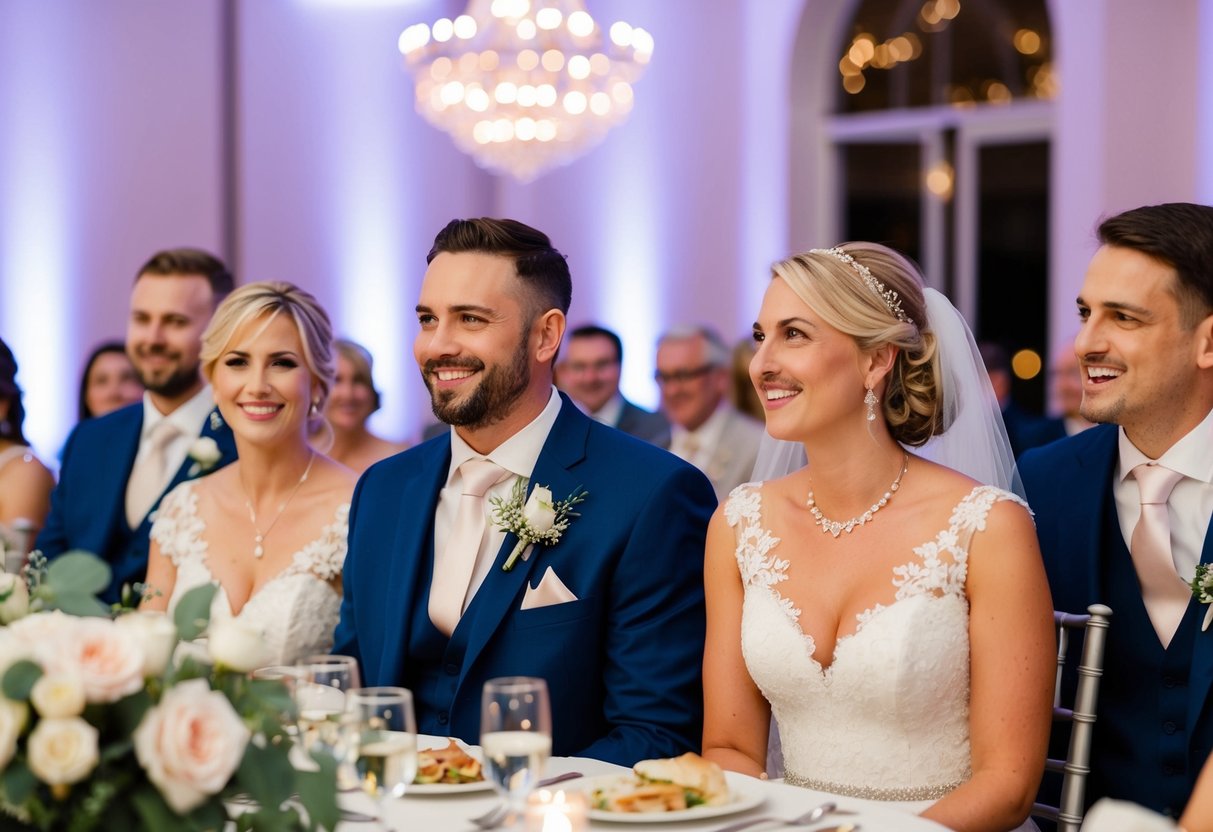
Your close friends and wedding party members also play an essential role in this arrangement. By sitting them nearby, you enhance the feeling of connection and support.
Think about including those who have been there for you throughout your relationship, as this will make your day even more special.
When planning your reception layout, remember to consider the dynamics among guests.
Placing family and friends in a way that avoids potential discomfort can go a long way in ensuring everyone enjoys themselves. With the right seating choices, your wedding can become a memorable occasion filled with laughter and love.
Understanding Wedding Seating Basics

When planning your wedding, the seating arrangement is crucial. It helps create a comfortable atmosphere for you and your guests while respecting important relationships. This section covers the key aspects of seating chart etiquette and considerations for head tables and sweetheart tables.
Deciphering Seating Chart Etiquette
Creating a seating chart is an art. It’s about balancing relationships and preferences.
Start by identifying close family and friends who should be seated near you.
- Parents: Typically, the bride’s parents sit on the left and the groom’s parents on the right during the ceremony.
- Bridal Party: Members like the maid of honor and best man sit close to the couple at the head table, often in a specific order.
When designing your seating plan, consider guests’ interactions. You want to avoid putting people who may not get along too close. This thoughtfulness ensures a more enjoyable reception for everyone.
Head Table Versus Sweetheart Table Considerations
The choice between a head table and a sweetheart table can set the tone for your reception.
- Head Table: This table includes the bride, groom, and their bridal party. It allows everyone to celebrate together, promoting camaraderie.
- Sweetheart Table: A more intimate option for just the couple. It gives you a moment to focus on each other amid the festivities.
Each option has its benefits. The head table fosters a lively atmosphere, while the sweetheart table grants privacy. Whichever you choose, ensure it’s arranged thoughtfully within the seating chart to reflect your style and comfort.
Prioritizing Guests at the Wedding Reception
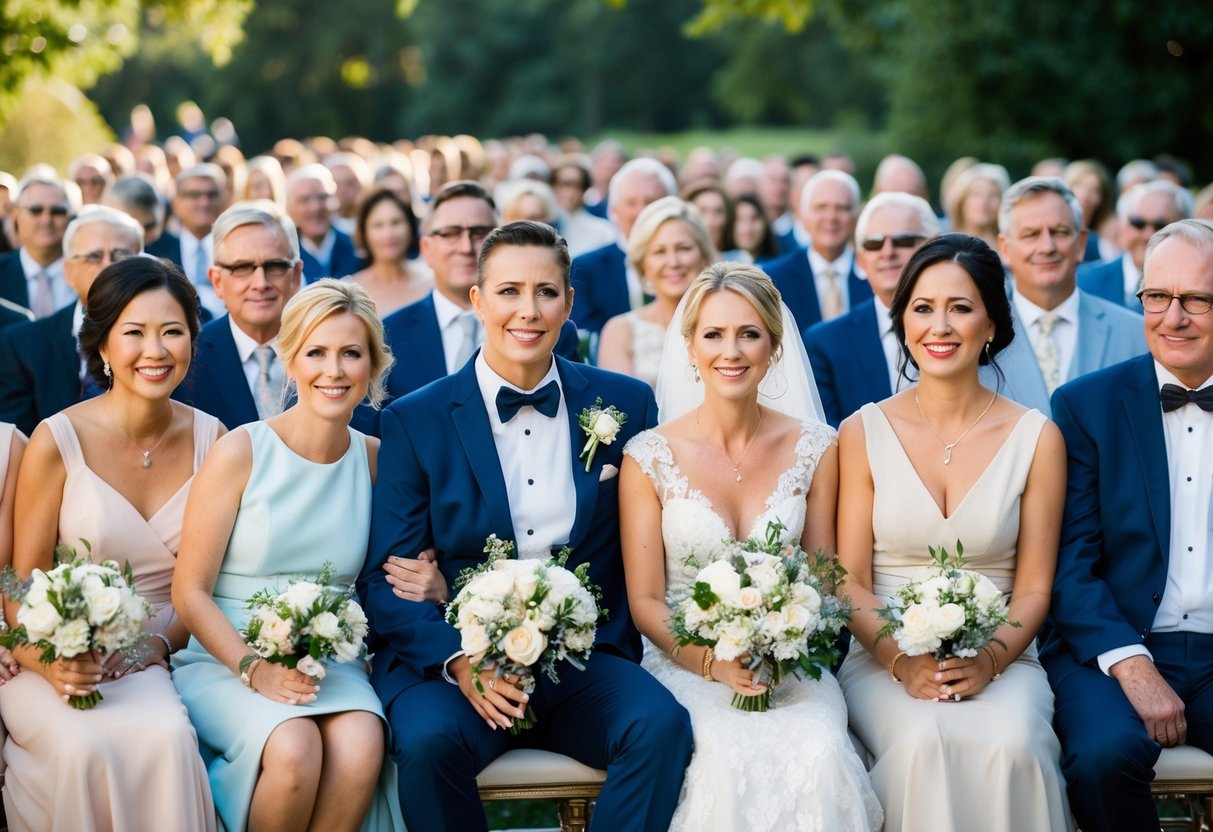
Creating a seating plan for your wedding reception can feel overwhelming. It’s important to prioritize which guests should be seated closest to you. This ensures that your loved ones feel special and supported during your big day.
Determining VIP Guests and Family Dynamics
Start by identifying your VIP guests. These are often your closest family members, like parents and siblings. Think about who has played a significant role in your relationship and your lives.
After that, consider family dynamics. Seating arrangements can be tricky if there are blended families or tensions.
A good tip is to seat relatives who get along together. This can help create a relaxed and joyful atmosphere at your reception. You might want to create a family table for these important guests so they can celebrate with you comfortably.
Seating Close Family and Friends
Next, focus on your close family and friends. These are the people who have supported you through thick and thin.
They should sit near the bridal table where you and your partner are located.
Typically, immediate family members should be assigned seats at tables closest to you. This often means these guests sit at a head table. Include those who hold special places in your life, such as your best friend or your cousin who has been like a sibling.
Use seating charts to help visualize the arrangement and make sure everyone knows where to go, creating a smooth and enjoyable experience.
Orchestrating Reception Table Logistics
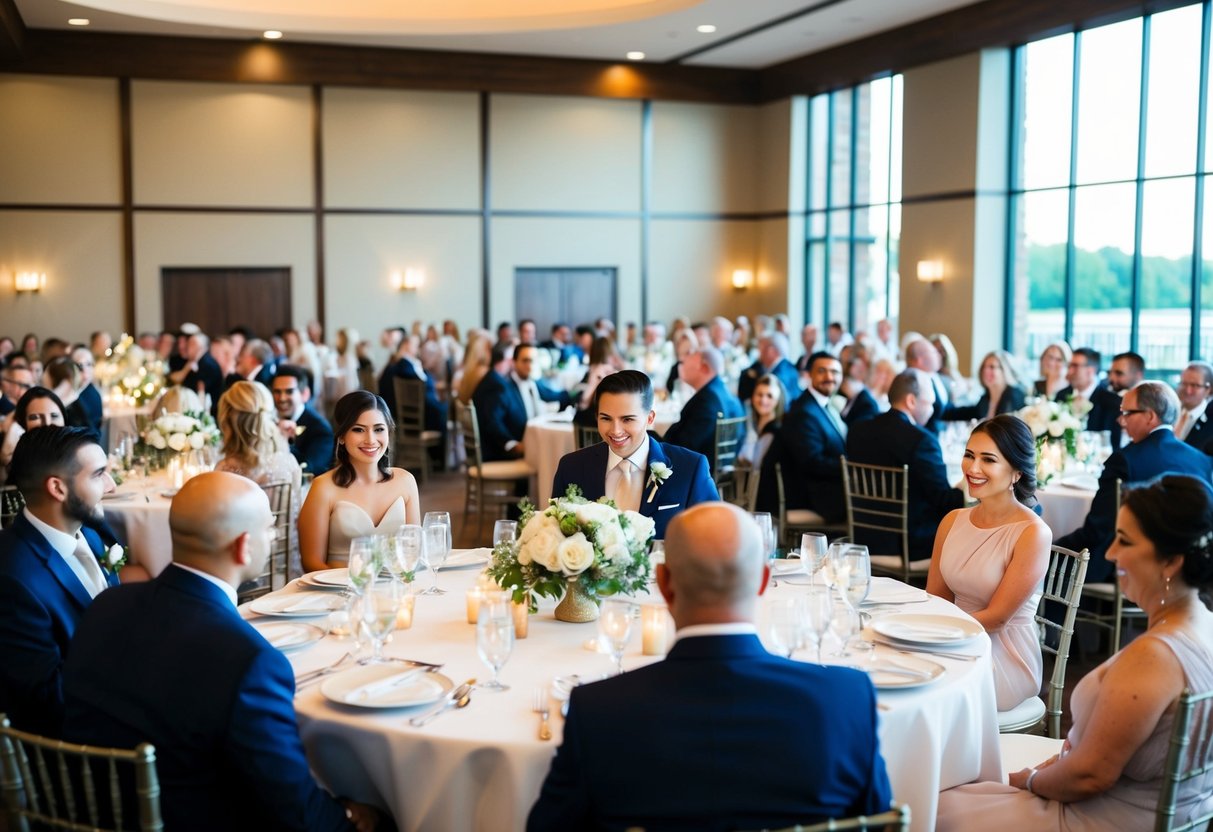
Seating at your wedding reception is key to creating a joyful atmosphere. Thoughtful table arrangements ensure that guests feel comfortable and enjoy the celebration. You can make choices that cater to different preferences and needs.
Crafting a Harmonious Floor Plan
Creating a smart floor plan starts with grouping guests by their relationships.
Place family members and close friends near the bride and groom for easy access. Consider a layout that includes a head table for the wedding party.
Tables for larger groups foster conversation, while smaller tables may suit more intimate gatherings. Use a mix of circular and rectangular tables to enhance flow. Be sure to leave space for walking between tables for guests to move freely.
You might consider a reserved seats plan for special guests like your parents or grandparents. This helps them feel valued and included during the festivities.
Accommodating Singles and Personal Preferences
It’s important to think about your single guests when planning the seating chart.
You can create a singles table where they can mingle and connect with others. This can help them feel relaxed and perhaps even make new friends.
Ask about personal preferences when assigning seats. Some guests may not want to sit next to certain people or may prefer to dine near friends.
A simple note on your RSVP can gather this information.
Being considerate of these details helps everyone feel comfortable. It can mean a lot to see their preferences reflected in your seating arrangement.
Final Touches for an Impeccable Seating Chart
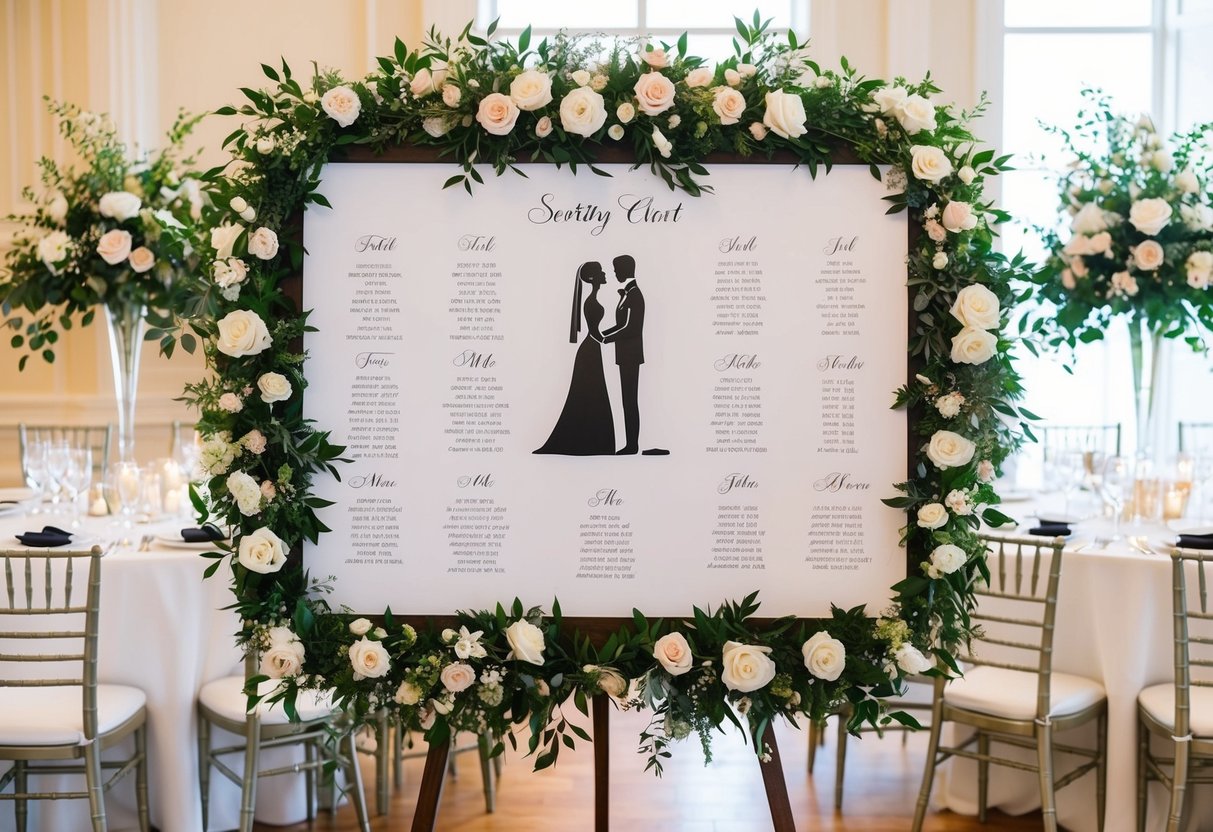
Creating a detailed seating chart is crucial for your wedding. Paying attention to the final touches can make a big difference in ensuring your guests feel welcomed and comfortable.
Organizing Escort Cards and Place Cards
Escort cards guide guests to their assigned tables, while place cards denote their specific seats. Both are important for smooth navigation during the reception.
Escort Cards: Display these at the entrance. Each card should clearly state a guest’s name and their table number. You should consider using a beautiful display or holder to enhance the look.
Place Cards: Place these at each setting. You can add a personal touch by including a small note or a memory associated with each guest. This makes the seating arrangement feel more intimate.
Both types of cards should match your wedding theme. Keep it simple and elegant for the best results.