
Who Should Sit Next to Bride and Groom? A Guide to Wedding Seating Arrangements
When planning a wedding, deciding who sits next to the bride and groom can be a bit tricky. Typically, the groom sits to the bride’s right, while the best man is seated on her left. The maid of honor usually occupies a spot next to the groom, ensuring that your closest friends are by your side during this special moment.
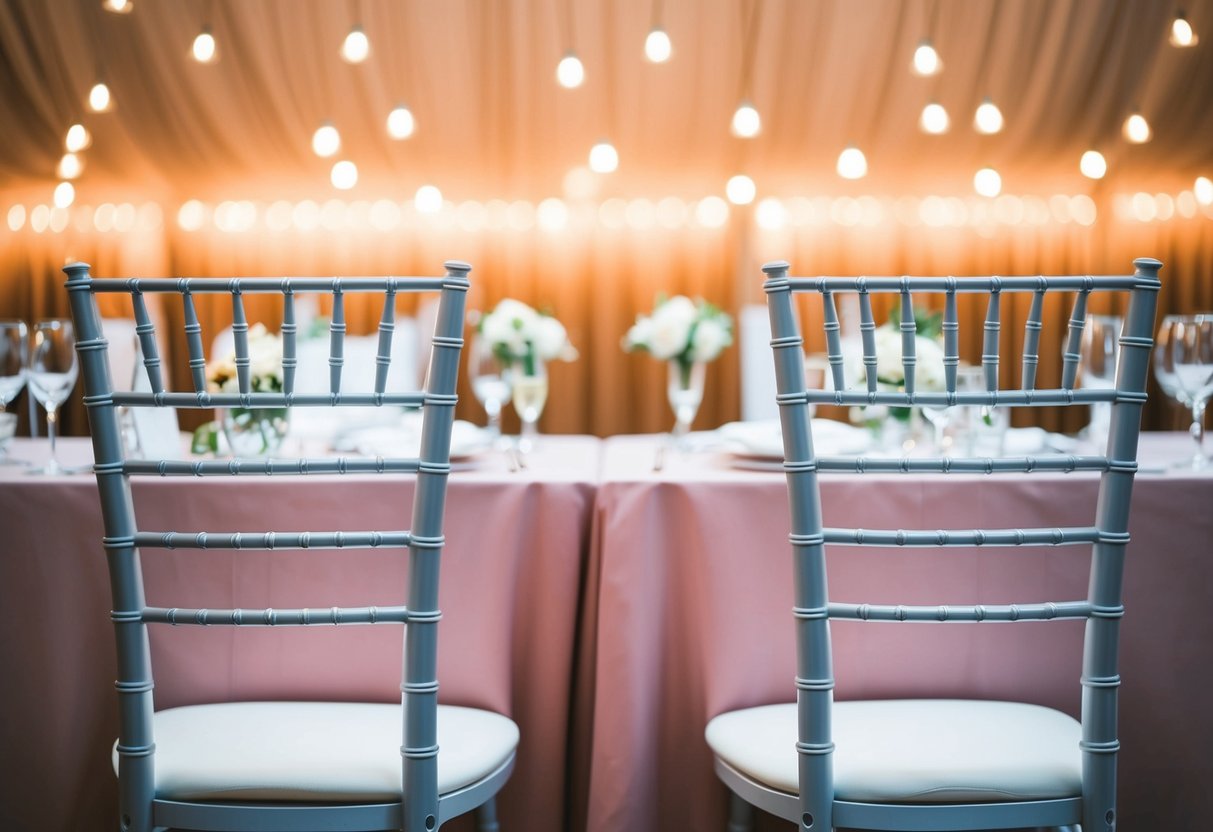
You might also want to think about seating family members, as having parents nearby can create a warm and familiar atmosphere. Traditionally, the bride’s mother sits next to her, followed by the bride’s father, while the groom’s parents are seated on the groom’s side. This arrangement helps celebrate both families as they come together.
Your wedding seating plan should reflect your unique style and relationships. Prioritizing the people who mean the most will make your head table feel more personal and inviting. By keeping these tips in mind, you’ll set the stage for a joyous celebration surrounded by loved ones!
Planning Your Wedding Reception Seating
Getting the seating right at your wedding reception is vital for a smooth and enjoyable celebration. Thoughtful attention to seating arrangements, etiquette, and special situations helps create a welcoming atmosphere for your guests. Here’s how to effectively plan your seating.
Understanding Seating Arrangements and Etiquette
Before organizing your seating chart, it’s important to recognize traditional seating etiquette. Typically, the bride and groom sit at a head table, with the bridal party around them. The best man and maid of honor usually occupy prime spots close to the couple.
You should also consider how to place family members. If you have divorced parents, think carefully about their seating to avoid tension. You may prefer to seat them at opposite ends of the table or at separate tables.
Creating a Seating Plan
Start by making a guest list. Knowing who is attending helps determine the number of tables you need. Once you have your list, begin creating a seating chart.
Use escort cards to direct guests to their designated tables. Each card should include the guest’s name and table number. For each table, prepare table cards that clearly identify the table’s number.
Make assignments based on relationships. Seat friends together and consider placing family members close by. This fosters conversation and allows guests to feel comfortable during the reception.
Handling Special Situations
Some situations may require extra consideration in your seating plan. If you have guests with dietary requirements, it’s helpful to inform the caterer.
Also, consider children. If your wedding is kid-friendly, seat them at a separate table. This allows parents to enjoy the evening while kids can have their fun.
Lastly, remember to communicate any significant seating arrangements clearly to ensure everyone understands where they should go. Clear guidance reduces confusion and helps everyone enjoy the celebration.
Arranging the Head Table
Choosing how to arrange the head table is an important part of your wedding planning. It helps set the tone for the reception and ensures that your closest friends and family are nearby during the celebration.
Traditional Head Table Seating
In traditional setups, the head table is the focal point of the reception. You and your partner usually sit in the center. The groom typically sits to the bride’s right, and the best man often sits next to the bride on her left.
The maid of honor sits on the groom’s side. Other members of the wedding party can fill in the spaces, alternating between sides. Parents of the bride and groom might also join, especially at larger tables.
This classic arrangement emphasizes your bond as a couple while including your closest supporters in the celebration.
Alternatives to the Traditional Head Table
If the traditional head table doesn’t feel right for you, there are many alternatives to consider. One option is a sweetheart table. This is a smaller table set just for you and your partner. It allows you to enjoy an intimate setting while still being close to guests.
Many couples also prefer a bridal party table, where the wedding party sits together. In this setup, friends are nearby, which can create a lively atmosphere.
Some couples choose to include their parents or family members. A common choice in Jewish weddings is a top table with family members seated close to you. Each option offers a unique way to personalize your wedding experience.
Designing Your Wedding Reception Seating Chart
Creating your wedding reception seating chart is an important task. It helps guests find their seats easily and ensures everyone is comfortable. You’ll want to consider various elements like place cards, escort cards, and how to display your seating chart.
The Role of Place Cards and Escort Cards
Place cards and escort cards serve different purposes at your wedding. Place cards indicate where each guest will sit at their assigned table. This ensures that everyone knows exactly where to go. You can personalize these with your guests’ names and even include a small design that matches your wedding theme.
Escort cards, on the other hand, guide guests to their assigned tables. You can set them up on a table near the entrance. Each card should have the guest’s name and their corresponding table number. This organizes the flow as guests arrive, making it easier for them to find their spot.
Make sure to plan for any RSVPs you receive. Knowing who is coming helps in arranging everything properly. Discussing your seating chart with your wedding planner can simplify this process.
Seating Chart Display Ideas
Creativity can enhance your wedding’s aesthetic when displaying your seating chart. Common ideas include elegant boards or posters that list all the guests and their assigned tables.
Consider using a large mirror with your seating chart written in beautiful calligraphy. This not only provides clear information but also becomes a charming décor piece.
You can also use a frame with individual cards hanging from it, creating a more interactive approach.
A family table can be placed at the center of the seating layout, drawing attention to your closest loved ones. If you’re including a singles table, place it where it encourages conversation without feeling isolated.