
Who Should Sit Next to Bride on Top Table? A Guide for Wedding Seating Arrangements
Deciding who should sit next to the bride at the top table is an important part of your wedding planning. Typically, the maid of honor sits to the bride’s right, offering support and companionship throughout the day. This traditional arrangement ensures that the bride is flanked by someone who knows her well and can help her navigate the celebrations.
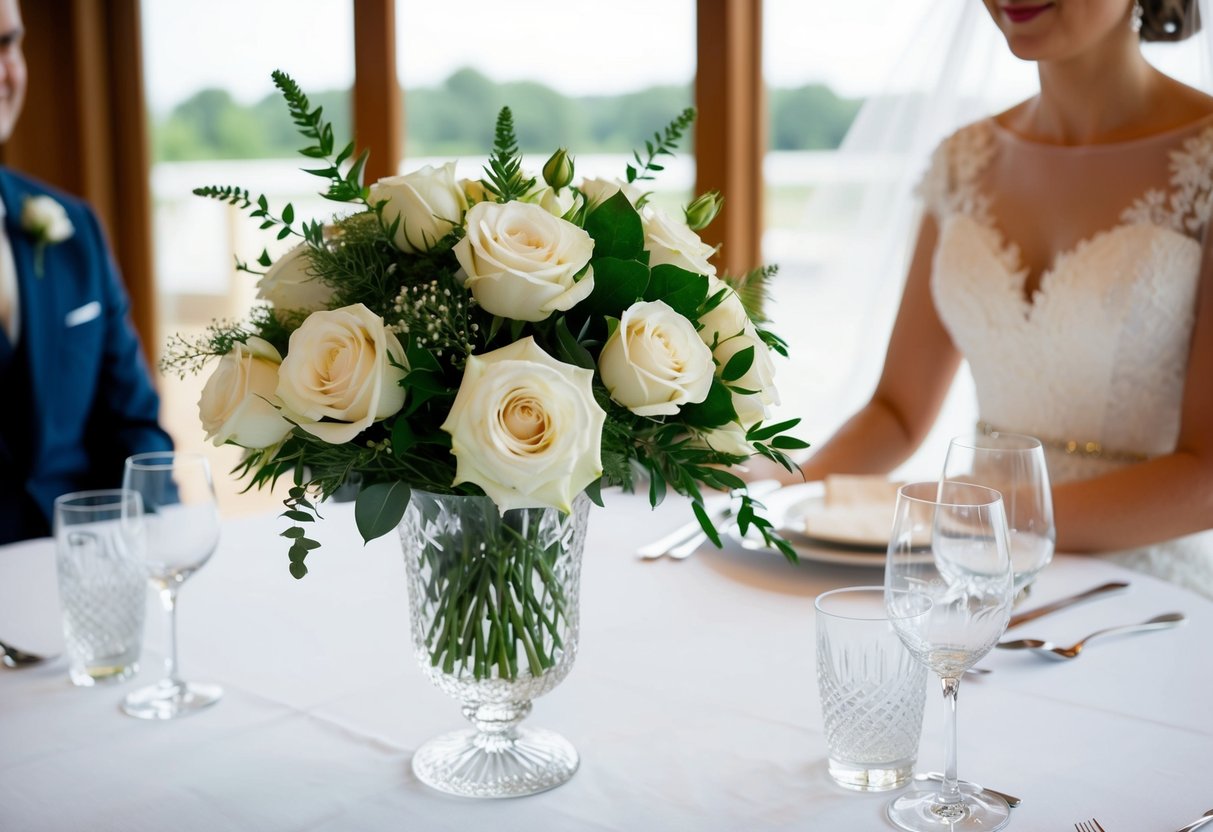
In addition to the maid of honor, the bride’s parents also sit close by, often with her mother beside her. This seating choice reflects wedding etiquette and enhances the supportive atmosphere at the table.
As you think about your seating plan, consider the relationships and dynamics that will make you feel most comfortable on your special day.
Choosing the right people to sit next to you at the top table can add joy and comfort to your wedding. Discussing your plans with close friends and family may help you finalize your seating arrangement. Keep in mind that this is your day, so feel free to personalize the top table to fit your style and needs!
Understanding the Top Table Arrangement
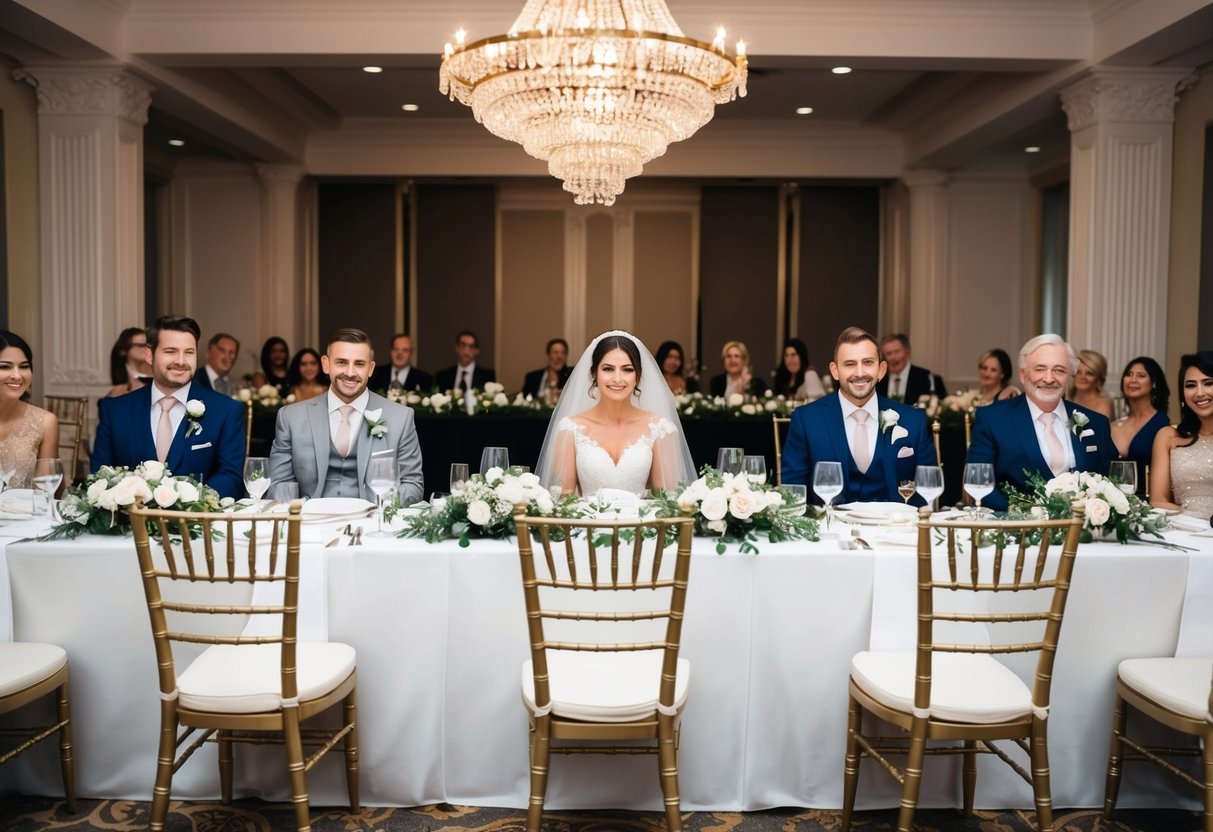
When planning your wedding, the top table arrangement plays a crucial role in the seating chart. This setup determines who sits closest to you, the bride, and impacts the overall flow of the event. Here’s a look at traditional and modern variations.
The Traditional Top Table Layout
In a traditional top table layout, the bride and groom sit in the center. Typically, the groom sits to the right of the bride, with the best man beside him. On the bride’s left, you usually find the maid of honor.
Parents of both the bride and groom often sit nearby. This arrangement reflects family connections and puts loved ones front and center.
Here’s a simple layout:
| Position | Seat |
|---|---|
| Bride | Center |
| Groom | Right of Bride |
| Best Man | Right of Groom |
| Maid of Honor | Left of Bride |
| Bride’s Parents | Left of Maid of Honor |
| Groom’s Parents | Right of Best Man |
This arrangement fosters a sense of unity and support among key family members and friends.
Modern Variations to the Top Table
Modern weddings may embrace unique top table variations. A popular option is the sweetheart table, where just the bride and groom sit together. This setup allows for intimacy and less stress about who sits where.
Another option is mixing guests of different backgrounds to promote interaction. You might consider including siblings or close friends at the table.
Some couples choose non-traditional seating plans, like round tables, to encourage conversation. Whatever the choice, remember that your seating arrangements should reflect your personal style and comfort.
Make sure you create a seating chart that accommodates everyone while keeping the focus on you and your partner’s special day.
Key Roles and Their Positions
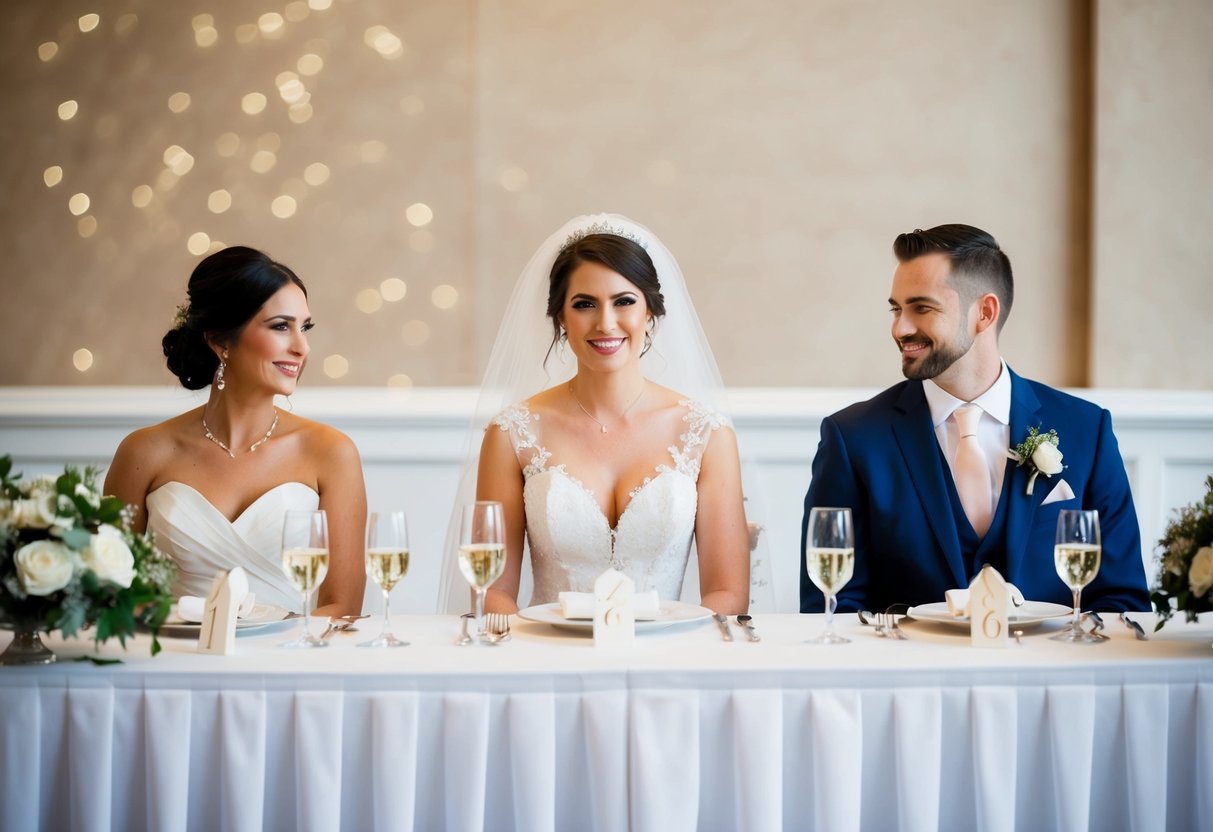
Understanding who sits where at the top table can help create a smooth and enjoyable experience during the wedding reception. Each key role has a specific position, ensuring that everyone feels included and valued.
Role of the Best Man and Chief Bridesmaid
Your best man and chief bridesmaid (or maid of honour) play crucial roles on your special day. They usually sit right next to you and your partner at the top table.
Typically, the best man sits to the left of the bride, while the chief bridesmaid sits to the right of the groom. This arrangement highlights their significant support and friendship during your wedding. They are not just there for formalities but also to help keep the mood light and assist with any last-minute details.
Seats for Parents of the Bride and Groom
The parents of the bride and groom are also key figures at the top table.
Generally, the bride’s parents sit next to the bride, while the groom’s parents are seated next to him. This seating arrangement shows respect for both families and emphasizes the joining of two families through your marriage.
If your parents are divorced or separated, make sure to discuss seating arrangements in advance to avoid awkwardness and ensure everyone feels comfortable.
Incorporating Step-Parents and Special Guests
When it comes to step-parents or special guests, thoughtful seating is important. If you have step-parents, consider their feelings and place them at the top table, if possible.
You can have them sit beside their respective partners to encourage harmony among everyone. For special guests, like mentors or close family friends, consider seating them at a nearby table with other VIPs to honor their importance in your life, while keeping the top table intimate.
Navigating Family Dynamics
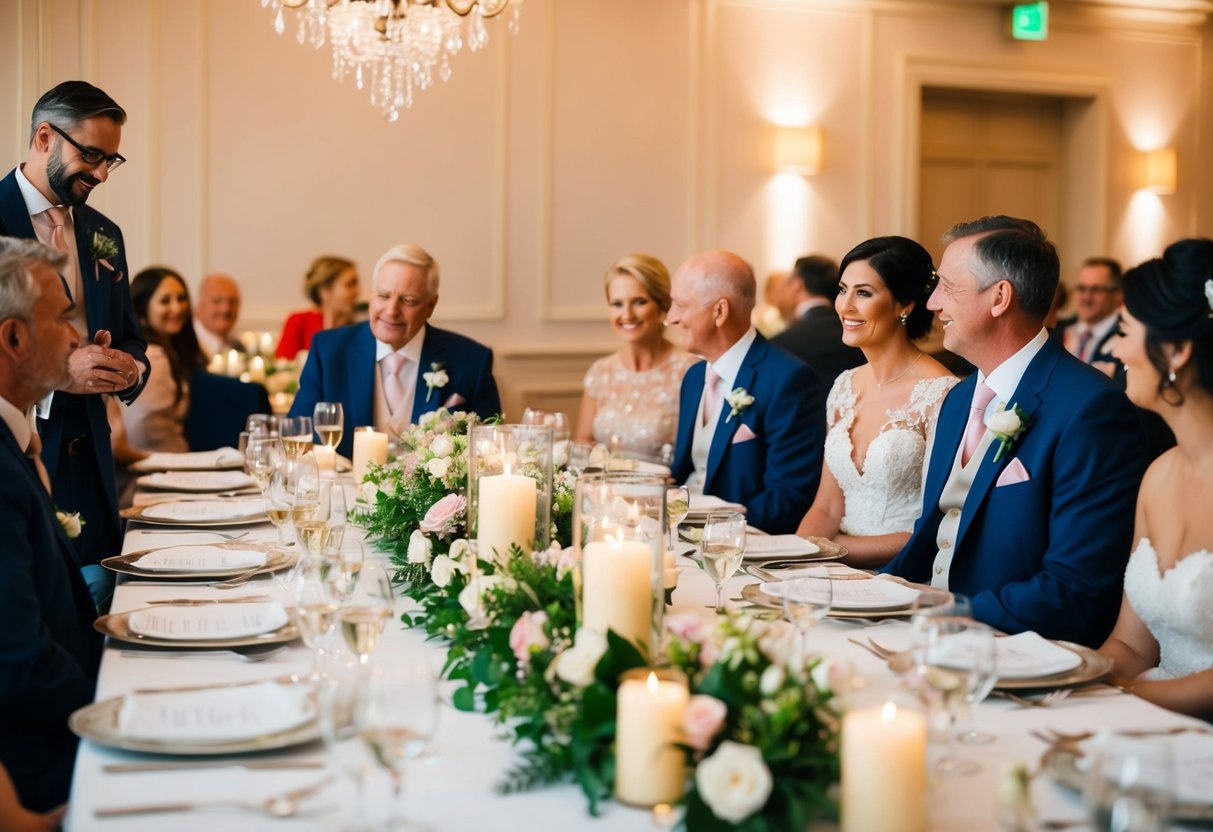
Planning seating arrangements can be tricky when families have complex relationships. It’s important to make choices that keep everyone comfortable and foster a positive atmosphere. Considering how to position family members can help avoid unnecessary tension.
Handling Divorced Parents
When you have divorced parents, seating can create stress. Start by communicating openly with both parents about the seating plan. You can ask them what makes them comfortable.
Consider placing them at separate tables or at different ends of the top table. This can minimize potential awkwardness. If they can manage sitting near each other, perhaps assign seats in a way that encourages friendly interactions.
Including both parents in family traditions during the reception can also help ease tension. Assign them roles like giving toasts or helping with introductions, allowing them to feel included in your big day.
Dealing with Family Politics
Family politics can add another layer of complexity to your seating plan. If you have step-parents or relatives with strained relationships, think about who should sit where to avoid drama.
Make a list of all the key family members and their relationships. Use this list to draft a seating arrangement that keeps harmony as a priority.
Consider neutral seating. Having supportive family members beside those who may clash can help diffuse any possible conflicts.
Don’t hesitate to request help from a trusted friend or wedding planner. They can offer a fresh perspective and help manage the dynamics for you.
Finalizing Your Seating Plan
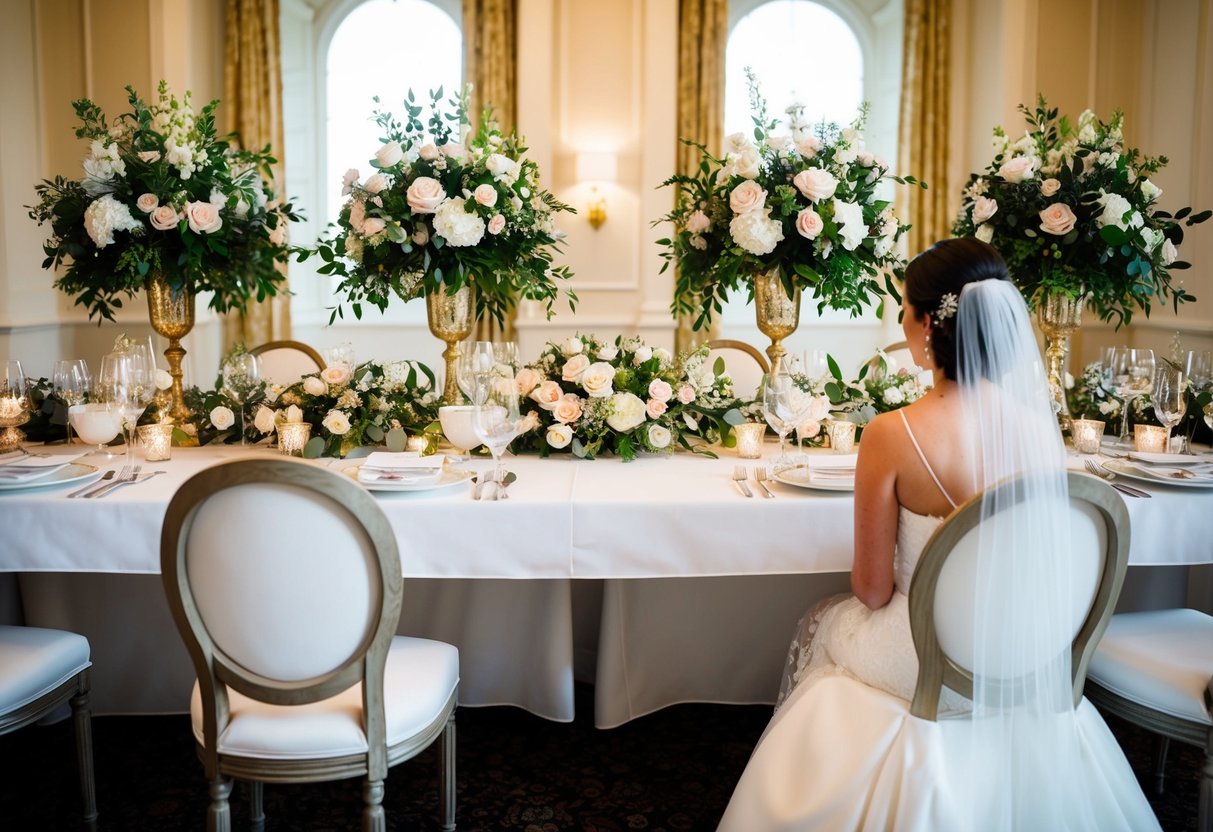
Creating your seating plan is an important part of your special day. It helps everyone feel comfortable and included during the wedding breakfast.
Start with the top table seating. The bride and groom usually sit in the center. You might choose to have your parents nearby. Think about who should sit next to you. It can be helpful to place the maid of honor and best man close.
Consider table arrangements for your guests. You can make a list of your friends and family. Group them by how they know you. This will help avoid any awkward moments.
Think about any special requests from guests. Some may want to sit together, or there might be family dynamics to consider. It’s okay to talk to them and find a solution that works.
Lastly, create a visual layout of your seating arrangement. You can sketch it out or use tools available online. This way, you can see how everything fits.
Once you’re satisfied, make sure to share the plan with your venue. They can help set up your tables just right! Planning this part carefully will make your top table shine.