
Who Should the Parents of the Bride Sit With? Tips for a Perfect Wedding Seating Plan
As you plan your wedding, seating arrangements can feel overwhelming, especially when considering where the parents of the bride should sit. Traditionally, the parents of the bride should sit at the main table during the reception, often alongside the groom’s parents and close family members. This arrangement highlights their important role in your special day and allows them to celebrate with you in a meaningful way.
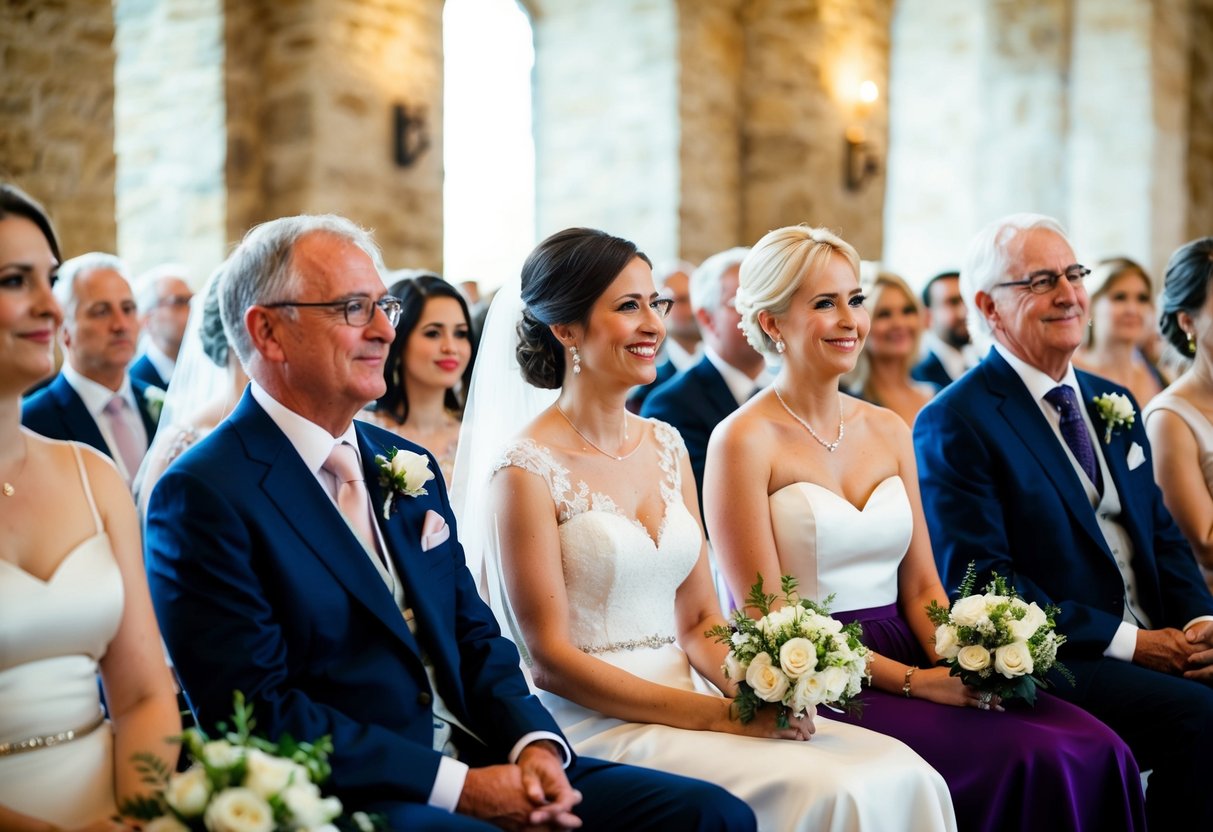
During the wedding ceremony, parents usually sit on opposite sides, with the bride’s family on the left. After the ceremony, it shifts to the reception where they can enjoy the evening in a more relaxed atmosphere. This seating choice not only honors your parents but also helps them feel connected to the celebration.
When planning, consider your parents’ preferences and relationships with the groom’s family. Open communication about seating can make everyone feel included and valued.
As you decide, remember that the goal is to create a joyful experience for everyone involved.
Designing the Seating Chart
Creating a seating chart is essential for any wedding reception. It helps guests know where to sit, making the event flow smoothly. You want to ensure that everyone is comfortable and happy with their placement. Here are some important aspects to consider.
Understanding Seating Chart Etiquette
Seating chart etiquette is all about creating a pleasant atmosphere for your guests. Start by placing the bride and groom at the head table, often at the center, to shine on their big day.
You should also think about family dynamics. If parents have a cordial relationship, it’s nice to seat them together. If tensions exist, consider placing one set of parents at a separate table or near supportive family members.
For friends and children, mix them based on comfort and friendship. Make sure that everyone feels included.
Consider using a seating plan that denotes table numbers, which allows for easy navigation during the reception.
Incorporating Wedding Planners and Family Input
Your wedding planner can be a great resource when designing the seating chart. They have experience and know what works best for various situations. Share your preferences and any concerns with them.
Additionally, involve your families in the process. They may have insights about seating arrangements that could ease tensions or enhance connections. For instance, siblings might enjoy sitting near each other, while old friends could appreciate being placed together.
Make your final seating chart visible to guests. You can create a seating chart board or use place cards on tables. This helps everyone quickly find their spot and enjoy the celebration!
Setting Up the Head Table
Creating a welcoming and organized head table is key for your wedding reception. This space should honor your family, bridal party, and set the tone for celebration. Thoughtful placement of parents and special guests helps everyone feel included and connected.
Deciding the Layout for Family and Bridal Party
Start by choosing a layout that suits your style. A long rectangular table works well for a larger group, allowing everyone to see and interact. You might also opt for a round table, which can create a more intimate feeling.
Consider these options when placing guests:
- Bride and Groom: Always sit in the center.
- Bridal Party: Place attendants on either side.
- Parents of the Bride and Groom: Position them near the couple to honor their roles.
Make sure there’s enough space for guests to move comfortably and mingle during the reception. Your layout should reflect the importance of relationships at your wedding.
Mother of the Bride and Parents of the Groom Placement
The mother of the bride often has a significant place at the head table. Traditionally, she sits next to the bride, symbolizing support and guidance. If your father is present, he should sit on the other side.
For the parents of the groom, consider placing them adjacent to the groom. This setup acknowledges the joining of two families. If both sets of parents are at the table, ensure they feel included and comfortable throughout the event.
Choose to honor any important family dynamics, such as including step-parents or grandparents. Clear communication about seating preferences can help avoid any tension.
Seating Arrangements for a Sweetheart Table
If you prefer a more intimate setting, the sweetheart table is a lovely choice. This option allows just the two of you to enjoy meals and conversations without distractions.
Place the sweetheart table at a focal point, such as in front of the audience or near the dance floor.
Here’s how to manage family dynamics:
- Parents: Sit nearby but not at the same table.
- Guests: Position a few close family members at separate tables for support.
This arrangement keeps attention on you while still including your families in the celebration. The sweetheart table offers a special moment for you both amidst the festivities.
Selecting the Right Tables
Choosing the right tables for the parents of the bride is crucial to create a welcoming atmosphere. You want to ensure everyone feels comfortable while respecting traditions and preferences.
Creating a Family-Friendly Atmosphere
When planning your seating, consider arranging family tables that encourage interaction. A family-friendly reception can help create lasting memories.
Place the bride’s parents at a table with close family members. This can include siblings, grandparents, and any other relatives who should be present. Keeping kids included in the mix can foster a fun, joyful environment.
Consider designating a kid-friendly table nearby, filled with coloring activities or games. This allows parents to enjoy the celebration while ensuring their children are entertained. This thoughtful approach highlights the importance of family at your wedding.
Setting a Singles Table
You can create a singles table for those who aren’t part of a couple. This arrangement can help your guests mingle and meet new people, adding excitement to the event.
Make sure to place this singles table near the dance floor or other lively areas. This way, they won’t feel isolated during the reception.
A lively singles table can enhance the overall atmosphere. You might choose to mix single guests with those who are friends or family. This ensures everyone feels included and connected during the celebration.
Respecting Wedding Reception Traditions
Respecting wedding reception traditions is essential when planning your seating. The top table is a common place for immediate family, including the bride and groom’s parents.
Traditionally, the bride’s parents sit at the front alongside the couple, providing a prominent support role. You can also pair parents with close family friends. It’s common for escorts to sit at the same table as their partners, no matter if they are married or not.
Be mindful of how you group tables to keep family members comfortable. Balancing family traditions with your personal touches creates a meaningful experience for everyone.
Final Touches on Reception Seating
When planning the seating for your wedding reception, it’s important to make it personal and organized. Two effective methods include using escort cards and place cards, as well as adding special family items and gifts to the tables. These touches can enhance the experience for you and your guests.
Assigning Seats with Escort Cards and Place Cards
Using escort cards and place cards helps your guests find their seats easily. Escort cards are usually displayed at the entrance and tell guests which table to sit at. This keeps the flow of your reception smooth.
Place cards, on the other hand, are placed directly on the table at each seat. These help guests know exactly where to sit. You can add personal touches to these cards, like a favorite quote or a small photo.
To stay organized, create a guest list with each person’s table assignment. Keep in mind seating etiquette to make everyone comfortable, especially if there are divorced parents or mixed family groups. Tailoring the seating arrangements to your guests’ needs shows that you care about their experience.
Adding Personal Touches with Family Heirlooms and Wedding Gifts
Incorporating family heirlooms into your reception seating can create a warm and inviting atmosphere. Decorative items like vintage vases or tablecloths from your family’s history are great examples. Placing these items on tables adds a unique charm and invites stories that will engage your guests.
Wedding gifts can also serve as wonderful centerpieces or table decorations. Perhaps you received beautiful serving dishes or picture frames. These gifts can double as decor and make the table settings feel more personal.
Blending these elements together makes the reception not just an event, but a cherished memory for everyone. Your guests will appreciate the effort you put into creating a welcoming environment that reflects your family’s heritage and your unique style.