
Who Sits at the Top Table at a Wedding in the UK? A Guide to Wedding Seating Arrangements
When planning your wedding, one important detail is figuring out who sits at the top table. The top table usually includes you and your partner, along with your parents and often the wedding party. This special table is often the focal point of the reception, making it essential to arrange it thoughtfully.
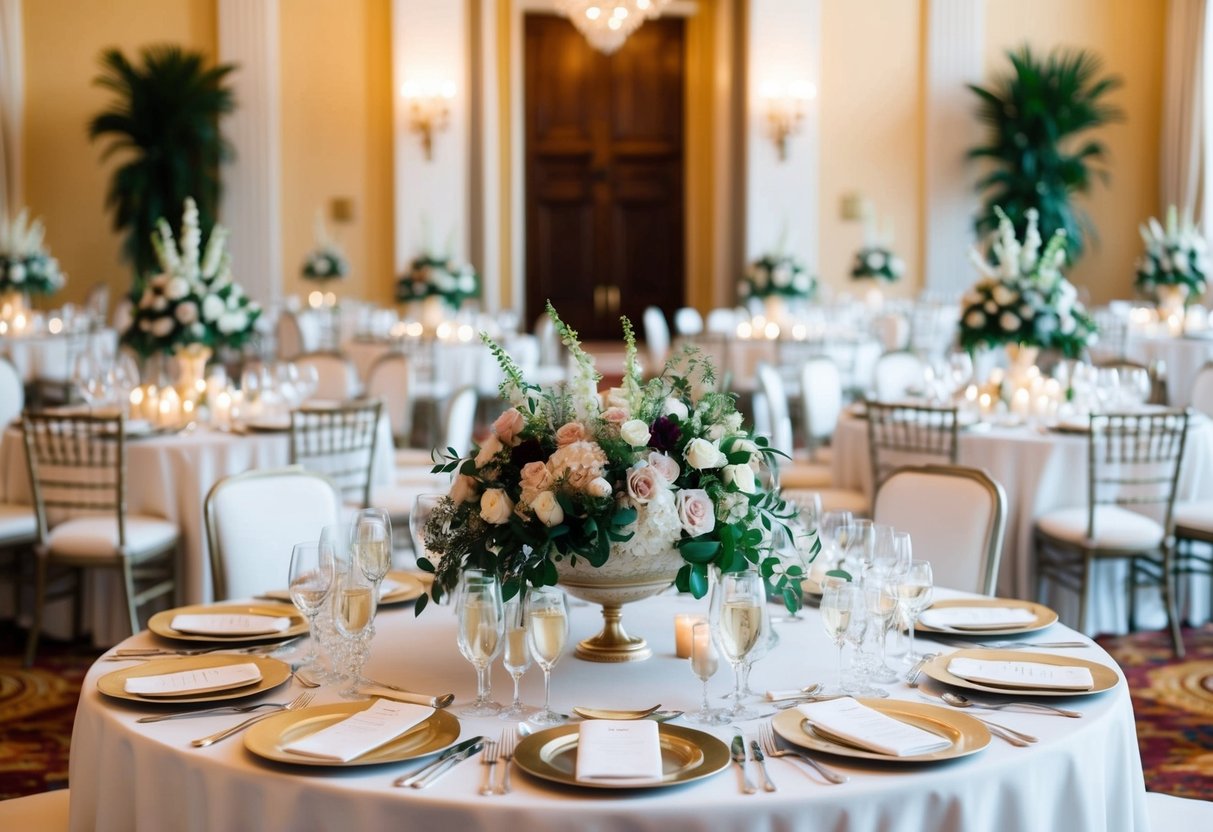
Traditionally, the seating arrangement at the top table features the bride and groom in the center, flanked by their parents. This setup not only highlights the couple but also pays tribute to their families who support them on this special day. You might also consider including your best man and maid of honor for an even more inclusive atmosphere.
As you plan your wedding, think about how to personalize the top table to reflect your style. Whether you choose a formal arrangement or a more relaxed vibe, the seating can set the tone for your entire celebration.
Remember, this is your day, and creating a warm and inviting space is key to making lasting memories.
The Tradition of the Top Table
The top table is a key part of a wedding reception in the UK. It is where the most important people gather to celebrate the special day. Understanding who sits where and why can help you plan your seating arrangement.
Understanding the Traditional Top Table Layout
In a traditional wedding, the top table typically features the bride and groom sitting in the center. They often face the guests, allowing everyone to see them. Next to them, you usually find the best man and the maid of honor.
The positions then continue with the groom’s father, bride’s mother, bride’s father, and groom’s mother.
This layout can slightly change depending on family sizes and relationships. For instance, you may choose different seating for larger family groups, but the overall structure usually remains the same.
Roles and Positions at the Top Table
Each person at the top table holds an important role. The bride and groom are the stars of the day, surrounded by their closest supporters. The best man, often the groom’s closest friend, helps to arrange details and gives a speech.
The maid of honor, a close friend or family member of the bride, supports her throughout the day. The parents’ roles are also significant, as they have likely played a big part in planning the wedding. Including grandparents or special relatives can add a meaningful touch to your seating.
Inclusion of Family and Wedding Party
Many couples feel pressure to seat all family members at the top table. To avoid confusion, you might limit it to immediate family. This allows you to focus on those closest to you, like parents and siblings.
If you have a larger wedding party, consider their roles. You can seat bridesmaids and groomsmen at nearby tables so they can still celebrate together. Including special family members, like grandparents, can make your top table feel warm and inclusive.
Seating Arrangements and Etiquette
Creating a wedding seating plan is vital for keeping your reception organized and enjoyable. Being mindful of wedding seating etiquette helps ensure that your guests feel comfortable and included. Here are some key points to help you navigate this important aspect of your big day.
Formulating the Seating Plan
Start by making a list of all your guests. This will help you visualize how each person fits into your seating chart.
It’s helpful to categorize guests into groups, such as family, friends, and colleagues.
Next, think about RSVPs. Knowing who is attending can guide your decisions. For family gatherings, consider the dynamics of relationships to avoid potential conflicts.
When planning your seating arrangements, it’s common to have a head table for the bride and groom, alongside parents and key members of the wedding party. You might also consider alternatives, like a sweetheart table, which can create a more intimate atmosphere for just you two.
Navigating through Seating Plan Stress
Seating plan stress can creep in as you finalize arrangements. It’s essential to keep things straightforward.
First, remember that it’s your day, so prioritize your comfort.
If conflicts arise, communicate openly with your guests. For example, you can gently explain why certain individuals are seated together. By doing so, you minimize awkwardness and drama.
Consider grouping guests with common interests. This can promote conversation and make everyone feel more at ease. Using a seating chart that’s clearly displayed helps guests find their places easily.
Deciding on a Sweetheart or Head Table
Choosing between a sweetheart table and a head table can influence the overall feel of your celebration. A sweetheart table is perfect for a more intimate vibe. It allows you to enjoy each other’s company during the reception, while your guests mingle around you.
On the other hand, a head table traditionally features the newlyweds, along with their families and bridal party. This setup fosters a larger sense of community but can feel less personal.
Consider your style and preferences. Would you rather focus on each other during dinner, or share the moment with your loved ones? This decision is yours and should reflect how you want to celebrate your special day.
Modern Variations and Considerations
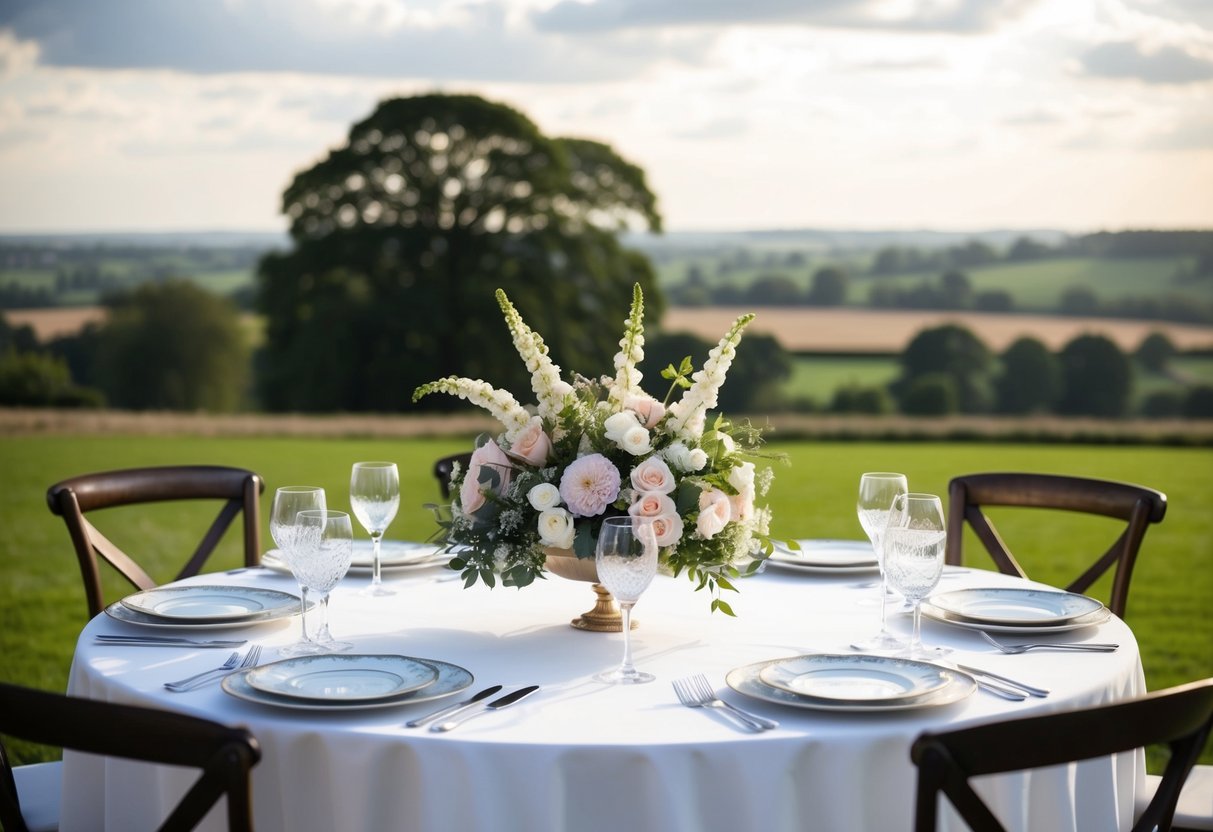
Weddings today reflect personal choices and diverse relationships. You can create a top table arrangement that represents your values and unique family dynamics. Here are some important elements to consider for a modern wedding setting.
Adapting for LGBTQ+ Couples
When planning your top table, think about how to best include all significant people in your lives.
For LGBTQ+ couples, it’s essential to create an arrangement that reflects your partnership and includes your nearest and dearest.
You might choose to sit in the center and have family members or best friends on either side. This can also mean including influential figures—like supportive mentors or allies.
Consider options like a “sweetheart table” or a mix of traditional and non-traditional setups.
This personalized seating plan honors your journey and relationships, making everyone feel welcome and celebrated.
Handling Complex Family Dynamics
Family dynamics can be tricky, especially with blended families or complicated relationships. Your top table should represent harmony while considering feelings and connections.
If certain family members don’t get along, you may want to seat them apart. You could also choose close friends or beloved relatives to fill the gaps.
Think about including children like flower girls and ring bearers, who can add joy and lightness to the table setup.
Flexibility is key. You don’t need a strict traditional layout.
Your wedding should be a celebration that accommodates everyone, so consider unique arrangements that make all attendees feel special.