
Who Sits at the Top Table at a Wedding Reception? Understanding the Key Roles
When planning your wedding reception, figuring out who sits at the top table is an important detail. The top table typically includes the bride and groom, along with their parents and sometimes the wedding party. This arrangement highlights the significance of these relationships during your special day.
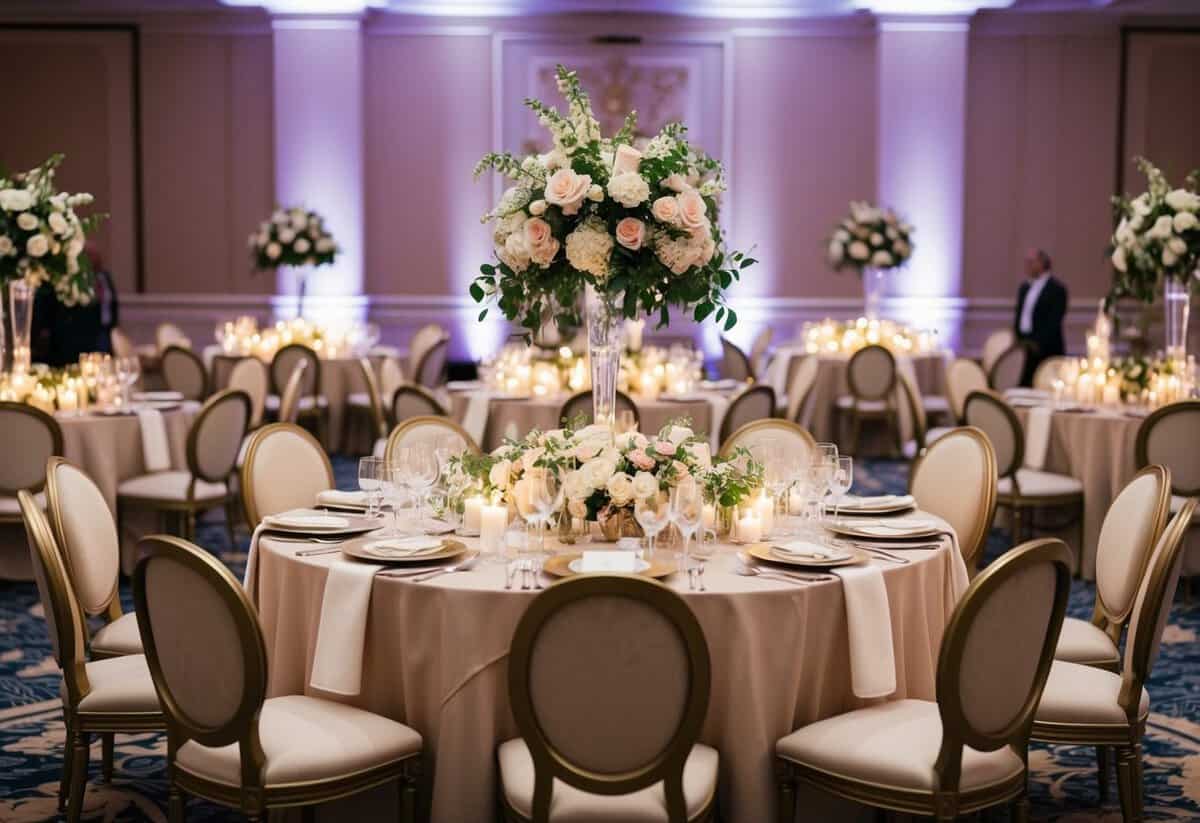
Creating a seating chart helps ensure that everyone knows where to go and can feel comfortable throughout the celebration. You might also consider non-traditional seating arrangements that reflect your personality and style.
By planning thoughtfully, you’ll make your wedding reception memorable for you and your loved ones.
Understanding the Top Table
The top table at your wedding reception is a central piece of the event’s seating arrangement. It holds special significance, outlines who sits where, and reflects your personal choices.
Here, you’ll learn about the importance of the top table, the traditional layout, and some creative alternatives.
Significance of the Top Table
The top table is often seen as the most prestigious spot at your wedding reception. It is where the bride and groom sit, allowing them to face their guests. This arrangement emphasizes the couple’s importance in the celebration.
Typically, this table includes close family members, such as parents and siblings. The seating plan here can set the tone for your entire celebration. When your loved ones sit together, it encourages conversation and connection, making your special day even more meaningful.
Traditional Top Table Layout
In a traditional setting, the top table usually features the bride and groom at the center. Typically, the groom sits on the right and the bride on the left, with their parents beside them.
Here’s a simple layout:
- Bride and Groom (center)
- Groom’s Parents (right)
- Bride’s Parents (left)
- Best Man and Maid of Honor can also be included, depending on the size of the party.
This arrangement helps everyone feel included while highlighting the main couple in the celebration. It reflects customs and helps your guests know where to expect the important people to be seated.
Alternatives to the Traditional Top Table
If the traditional setup doesn’t suit your style, there are many alternatives to consider. A sweetheart table is a popular option, allowing just the bride and groom to sit together away from everyone else. This choice provides a more intimate setting for the couple.
Another unique seating arrangement is a bridal table that includes the entire wedding party. This setup fosters interactions among friends and family, keeping the atmosphere lively and inclusive.
You might also consider a U-shaped layout or a circular arrangement that allows for more interaction among guests. Whatever option you choose, make sure it reflects your personality and welcomes your loved ones to celebrate with you.
Who Sits Where at the Top Table
The seating arrangement at the top table is important for the wedding reception. It usually features the couple and their closest family members. Understanding who sits where can help you create a comfortable and meaningful atmosphere.
Parents and Grandparents
Traditionally, the top table includes the couple’s parents. The bride and groom usually sit in the center, with their parents beside them. If you have divorced parents, you can arrange the seats to keep everyone comfortable. For example, you might place each parent on either side of the couple.
Including grandparents can also add a special touch. They often enjoy sitting close to the newlyweds. This arrangement makes it easier for everyone to share in the joy of the day.
Maid of Honor and Best Man
The maid of honor and best man are key members of the wedding party. They usually sit next to the couple at the top table. Their presence adds support and familiarity during the reception.
You can also choose to alternate seating for a more balanced feel. For example, if the bride’s maid of honor sits to her right, the groom’s best man could sit to his left. This arrangement fosters camaraderie among your closest friends.
Siblings and Close Friends
Including siblings at the top table is common, especially if you have a close relationship. Siblings can sit next to parents, or you may want them near you for support. If your family isn’t large, consider including close friends who feel like family.
Creating a warm atmosphere at the top table helps everyone feel included and celebrated on your special day. This arrangement makes your wedding feel more personal and connected.
Planning for the Wedding Reception Seating
When planning your wedding reception seating, it’s important to create an organized layout that reflects your style and makes your guests feel comfortable. Consider factors like family dynamics, personal preferences, and how to effectively display your seating chart.
Creating the Seating Chart
Start by developing a guest list that includes everyone you want to invite. Once your RSVPs come in, you can better understand who will attend.
Create a layout of your tables, ensuring that you have enough space for everyone. Place the newlyweds at the center of the head table, with their closest family and friends alongside.
Reserve seats for the parents of the bride and groom to emphasize their importance. Don’t forget to keep the elderly and guests with special needs in mind when planning your table layout.
Incorporating Personal Preferences
Personal preferences play a large role in your seating arrangements. Consider the personalities of your guests and how well they get along.
You might want to keep relatives and friends together for better conversation. Create a balance so that everyone feels included.
If you know two guests might not get along, it’s best to seat them at different tables. Also, think about special considerations like dietary restrictions or seating requests. These small details can significantly enhance your guests’ experience.
Handling Complex Family Dynamics
Seating arrangements can be challenging when dealing with complex family dynamics. If there are tensions, it’s wise to plan ahead.
If needed, seat the parents of the bride and groom at separate tables to create a peaceful atmosphere. You can also include reserved seats for family members that deserve special attention.
Be sensitive to any awkward situations and strive to place guests in a way that minimizes discomfort. Use your seating chart to communicate your thoughtful arrangements clearly, ensuring everyone knows where to sit.