
Who Sits at the VIP Table Wedding? A Guide to the Special Guests
When planning your wedding reception, one important decision is who sits at the VIP table. Typically, the VIP table includes the newlyweds, their immediate family, and the bridal party. This seating arrangement helps everyone know where to look for you during the celebration, making it a focal point of the event.
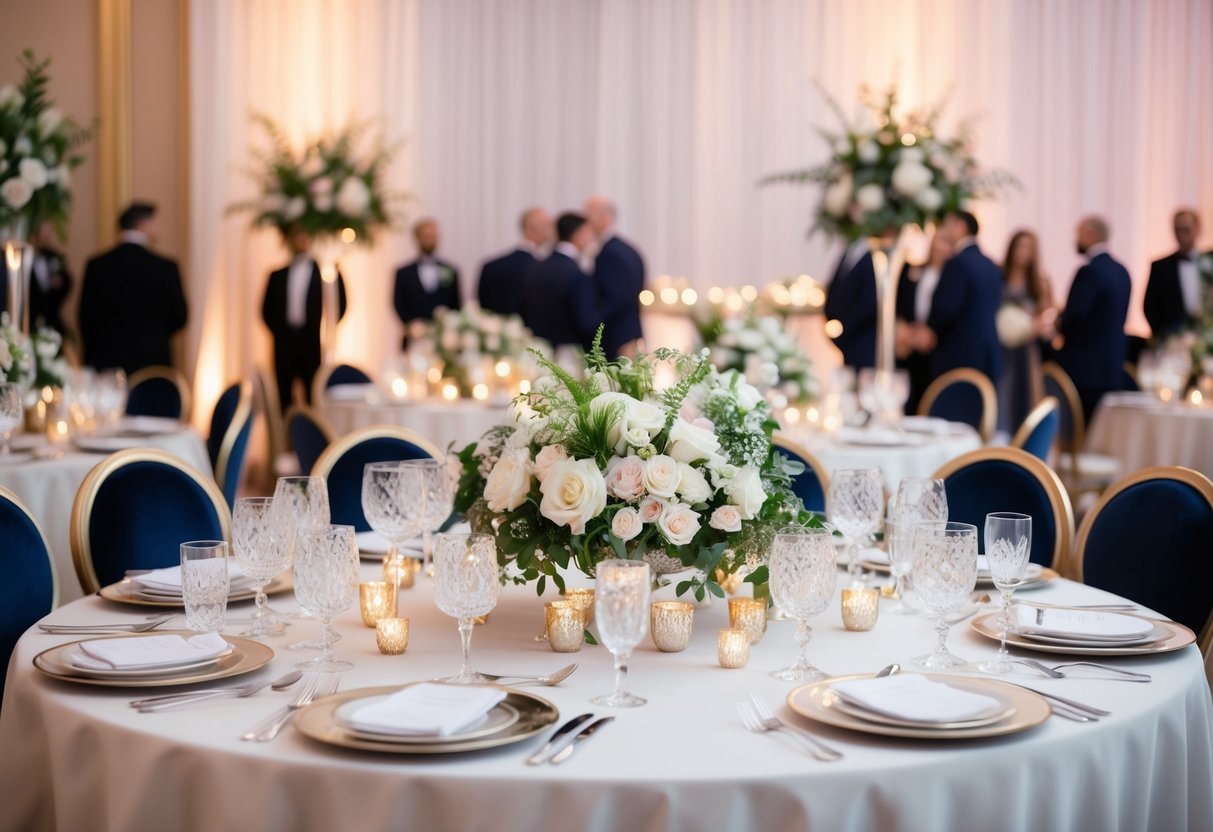
The VIP table often features the bride and groom at the center, with parents, siblings, and sometimes grandparents seated beside them. This arrangement fosters closeness and gives your most cherished guests the chance to share the day with you. Understanding how to arrange this seating will contribute to a warm and memorable reception atmosphere.
Deciding who will sit at the VIP table can feel daunting, but remembering who means the most to you will simplify the process. By carefully choosing your seating, you can help ensure your wedding day is both enjoyable and meaningful for everyone involved.
Determining the VIP Table Attendees
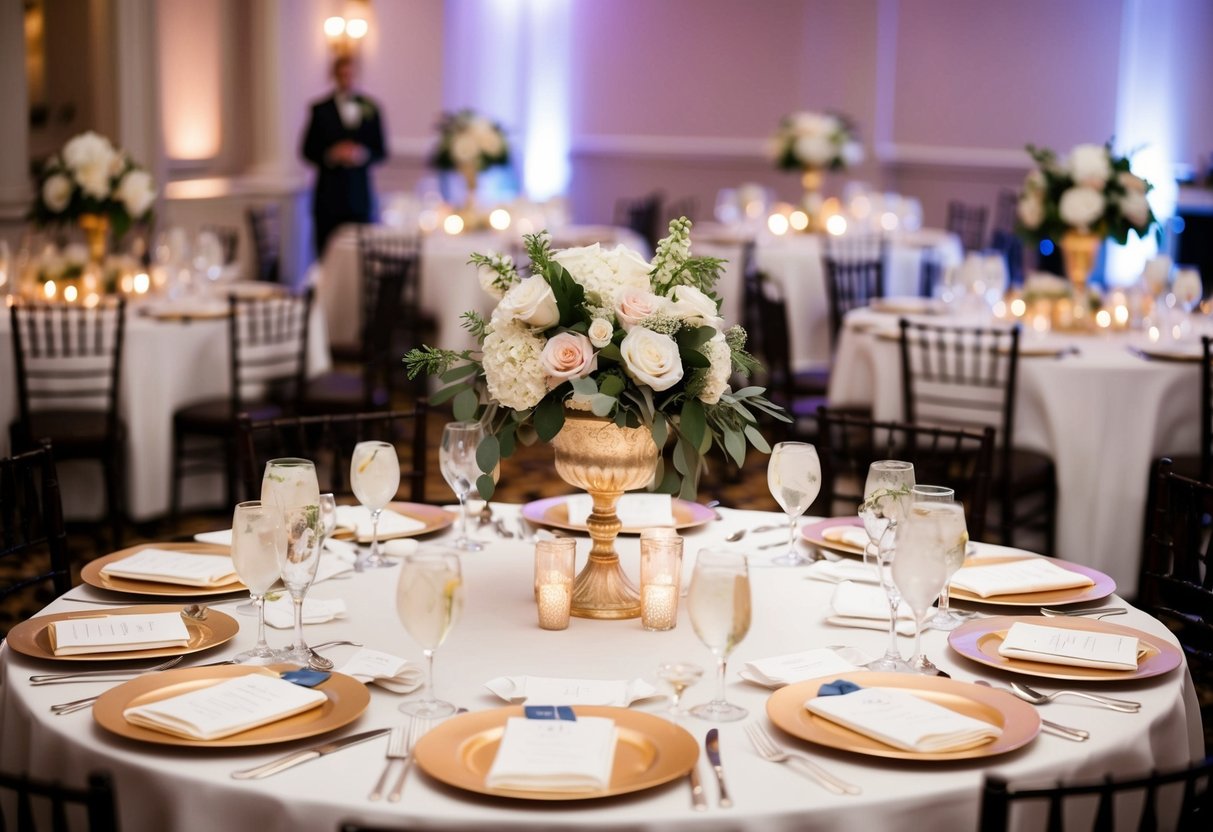
Choosing who sits at the VIP table requires careful thought. You want to include those who matter most to you and your spouse. The VIP table typically features immediate family, close friends, and members of the bridal party.
Immediate Family Members and Close Friends
Start with immediate family members. This often includes your parents and siblings. They play a significant role in your life and contribute to the day. For example, the bride’s parents might sit prominently next to her, while the groom’s parents are on the other side.
Next, consider close friends. These are the people who have supported you through thick and thin. They deserve a special spot at your table. You might want to include lifelong friends or someone who has a significant story with you.
Bridal Party Roles and Positions
The bridal party is crucial in your wedding celebration. The maid of honor and best man will likely sit close to you. They hold important roles and often help manage various tasks during the wedding.
Bridesmaids and groomsmen can also sit near the couple. This makes everyone feel included. Placing them at the VIP table builds a sense of unity and friendship. It’s also a way to acknowledge their efforts in making your day memorable.
Keeping these roles in mind will help create a warm atmosphere at your VIP table, ensuring treasured moments with those you hold dear.
Table Layouts and Seating Styles
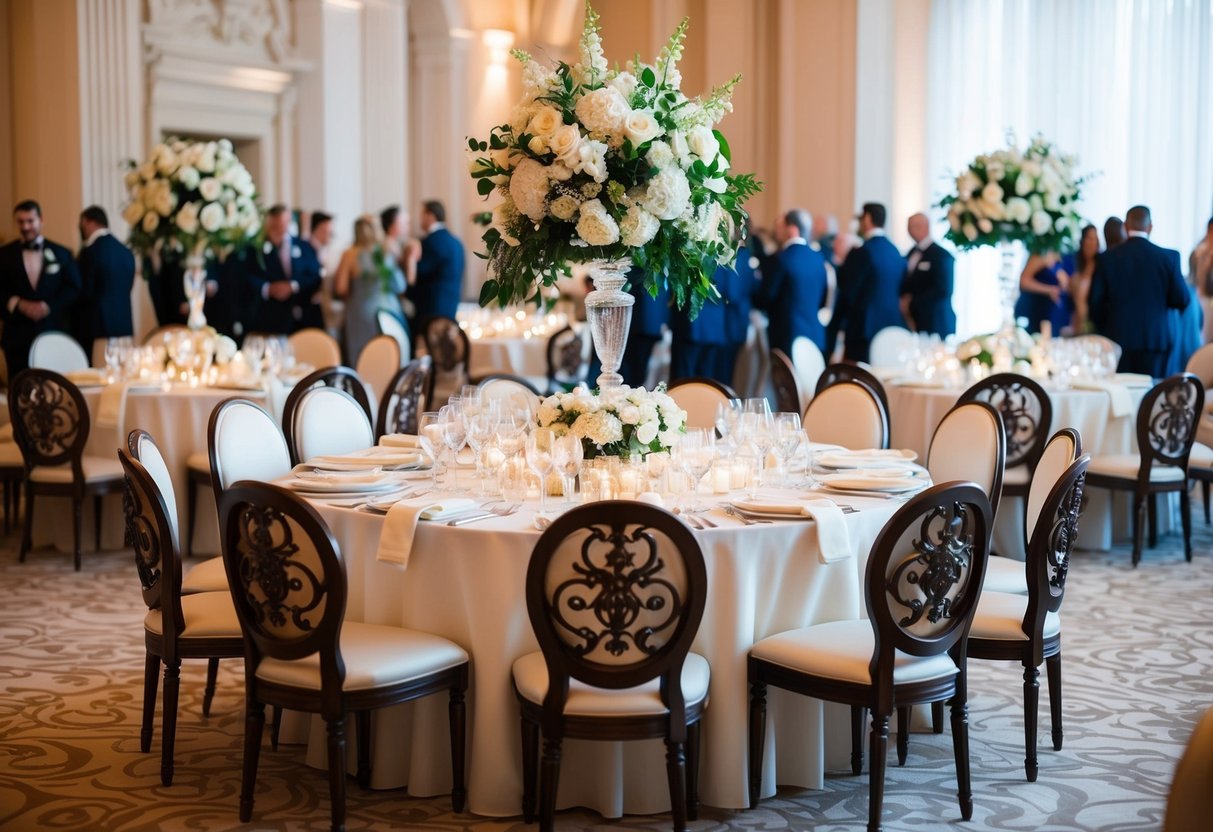
When planning your wedding reception, choosing the right table layout and seating style is essential. Different arrangements can create various atmospheres and provide unique experiences for you and your guests.
Choosing Between Long, Round, and Sweetheart Tables
There are several styles of tables to consider for your VIP seating. Long tables are great for creating a communal feel. They allow guests to interact easily while providing ample space for decorations and centerpieces.
Round tables, on the other hand, offer a more intimate setting. They work well for smaller groups, encouraging conversation among guests. Each table can hold a specific group, making it easy to seat friends and family together.
The sweetheart table is typically smaller and reserved for just you and your partner. You can choose to face your guests or have a more intimate setting just for the two of you. This table style is perfect for couples wanting to enjoy a moment together amid the celebration.
Head Table Versus Sweetheart Tables
The head table is traditionally larger and accommodates you, your partner, and your wedding party or immediate family. This layout allows you to enjoy the company of your closest friends while still being the focus of your guests.
In contrast, sweetheart tables provide a more personal and romantic experience. While you may miss some interaction with your larger group, you can share special moments privately. This option allows for a cozy setup, perfect for intimate conversations during the reception.
Choosing between these options depends on your personal style and the atmosphere you wish to create on your special day!
Navigating Complex Family Dynamics
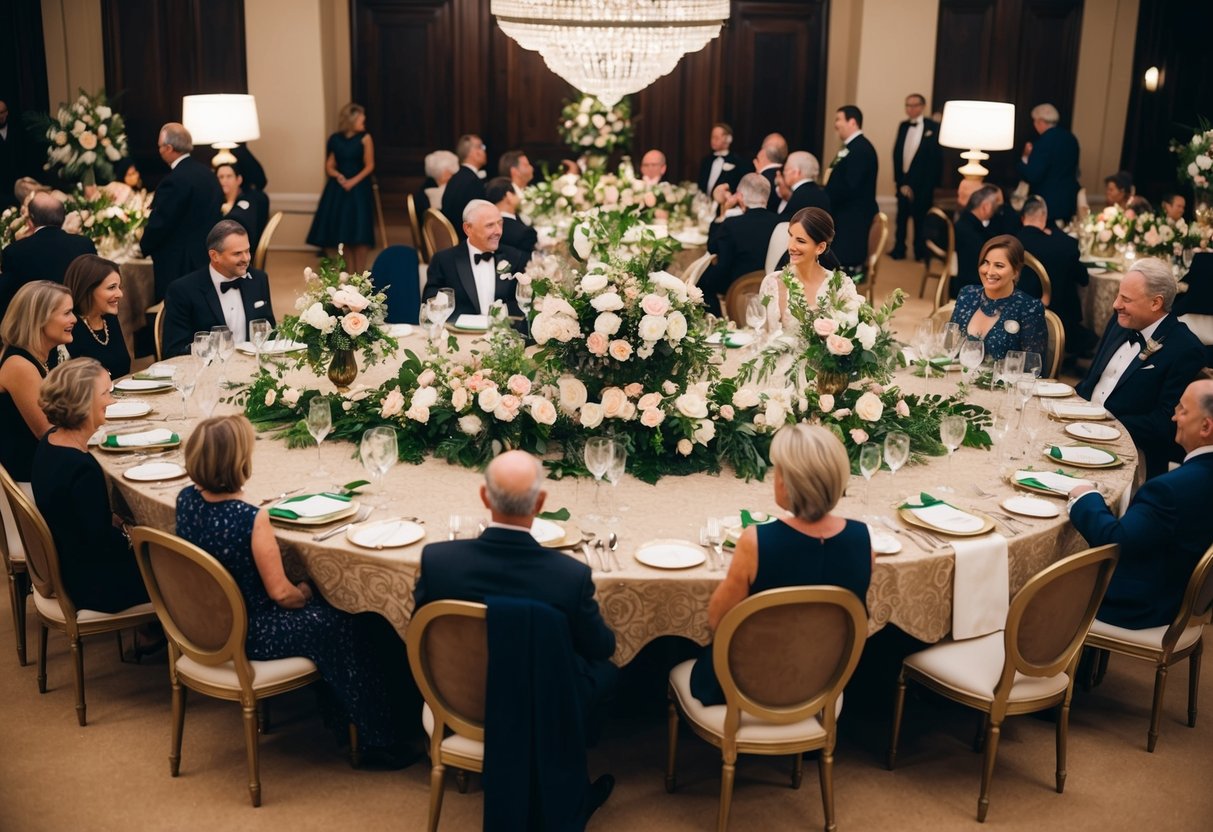
When planning your wedding, navigating family dynamics is essential, especially when it comes to seating arrangements. You may have to think about divorced parents, stepfamilies, and all your extended family members. Here are some important tips for easing the seating process.
Seating Divorced Parents and Extended Family
Seating divorced parents at your wedding can be tricky. Consider placing them at different tables to avoid uncomfortable situations. Create distinct tables for each family group, like the groom’s parents and their relatives.
For your extended family, think about relationships. You might want to sit important guests, like grandparents and aunts or uncles, at VIP tables. This way, they can be part of your special day without feeling left out.
If your cousins are close to you, include them at tables near your close family. This arrangement helps maintain a positive atmosphere. Open communication with family members about seating preferences can avoid misunderstandings.
Incorporating Step-Families and Plus-Ones
When it comes to step-families, it’s vital to include everyone respectfully. Place your step-parents with their children to promote togetherness. This inclusion can strengthen bonds and make everyone feel welcome.
For plus-ones, consider what will make your guests comfortable. Allow guests to bring someone they love. This option can help ease any tension and create a relaxed vibe at your wedding.
Make a clear seating chart in advance. This visual aid helps guests understand where they should sit. By thinking ahead, you can create a warm atmosphere for all your loved ones on your big day.
Seating Chart Best Practices
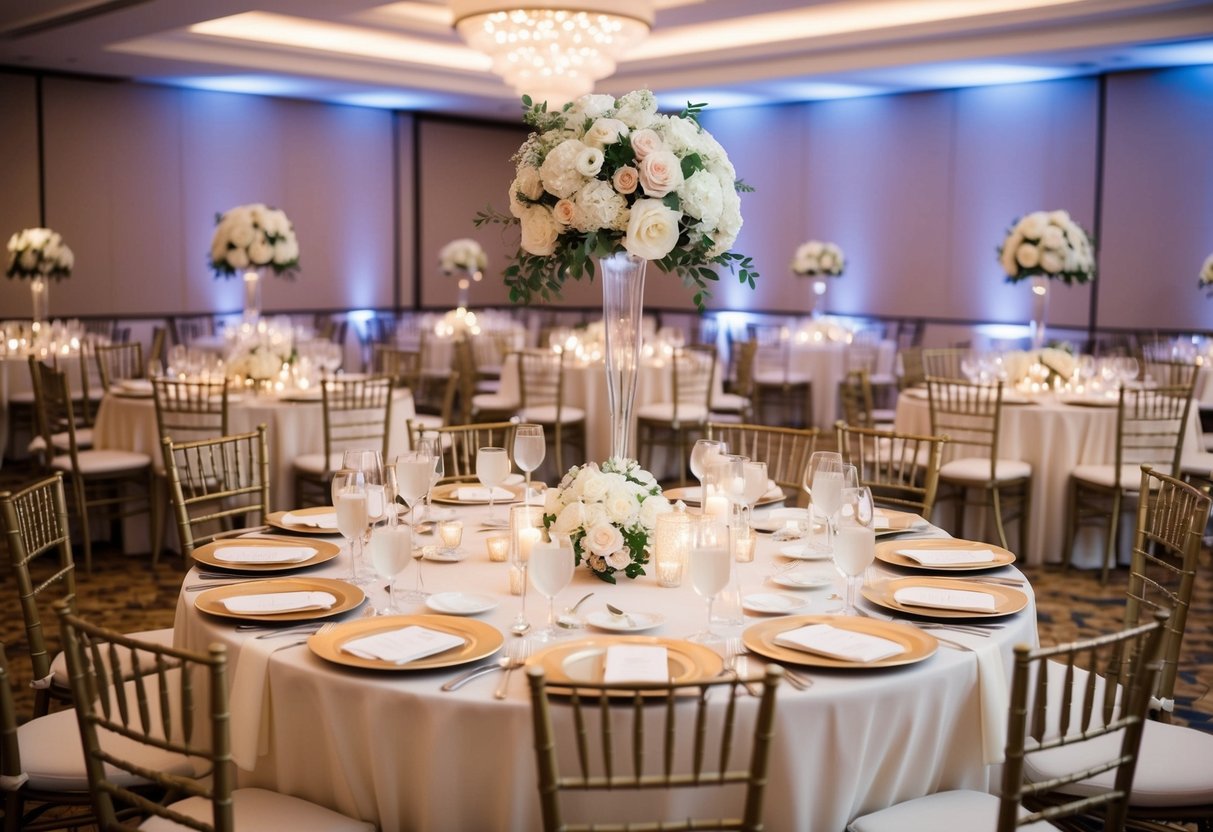
Creating a great seating chart is key to ensuring your wedding is enjoyable for everyone. You want to consider the social dynamics among your guests while following seating etiquette. Keep in mind the VIP table and seating arrangements when finalizing your plan.
Creating a Balanced and Enjoyable Seating Plan
Start with your VIP table. This is where you and your closest family and friends will sit. You can include your parents, siblings, and anyone who plays an important role in your wedding.
Next, think about the other tables. Arrange guests with similar interests or backgrounds together. This helps spark conversation. For example, seat college friends together or place family members at the same table.
Also, consider any wedding etiquette rules. Avoid seating people together who may not get along. Keep in mind that a good mix can create a lively atmosphere. Use a seating chart to display options clearly, and consider creating a few seating chart ideas before finalizing.
Etiquette and Social Considerations
When planning your seating chart, you should follow key etiquette guidelines. Always place older guests or those with special needs closer to the dance floor and food. They’ll appreciate easy access.
Be mindful of social dynamics too. If you have guests who do not know each other well, seat them with someone who can help break the ice. This keeps the atmosphere relaxed and friendly.
Finally, communicate clearly. Use beautiful signage to show the seating chart at the reception. Make it easy for your guests to find where they sit, as this helps everyone feel welcomed right away.