
Who Sits First at a Wedding? Understanding the Seating Arrangements
When you’re planning a wedding, every detail matters, especially when it comes to seating arrangements. The order of seating can set the tone for the ceremony and often follows traditional etiquette. Understanding who sits first helps keep everything organized and honors family relationships, making the day smoother for everyone involved.
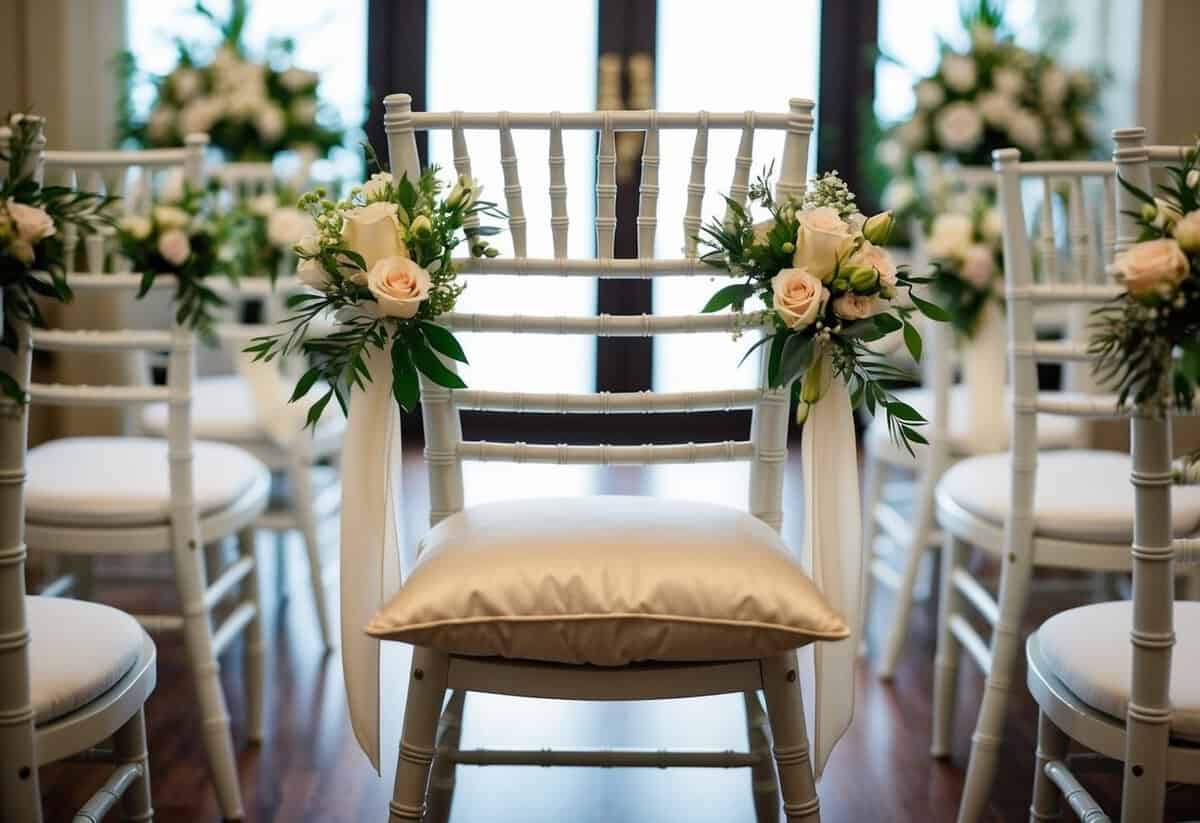
The parents of the bride usually take the spotlight by being seated last, right before the ceremony begins. Traditionally, the groom’s parents sit on the right side while the bride’s parents sit on the left. This arrangement reflects time-honored customs that have been part of wedding ceremonies for generations. Knowing these details can help you navigate the often complicated world of wedding planning.
You want your ceremony to feel personal and meaningful. By following proper etiquette in seating, you signal respect to your family and guests while also creating a warm atmosphere for your special day. Every couple’s wedding is unique, but understanding these traditions can help you make the best choices for your ceremony seating.
Understanding Wedding Ceremony Seating Basics
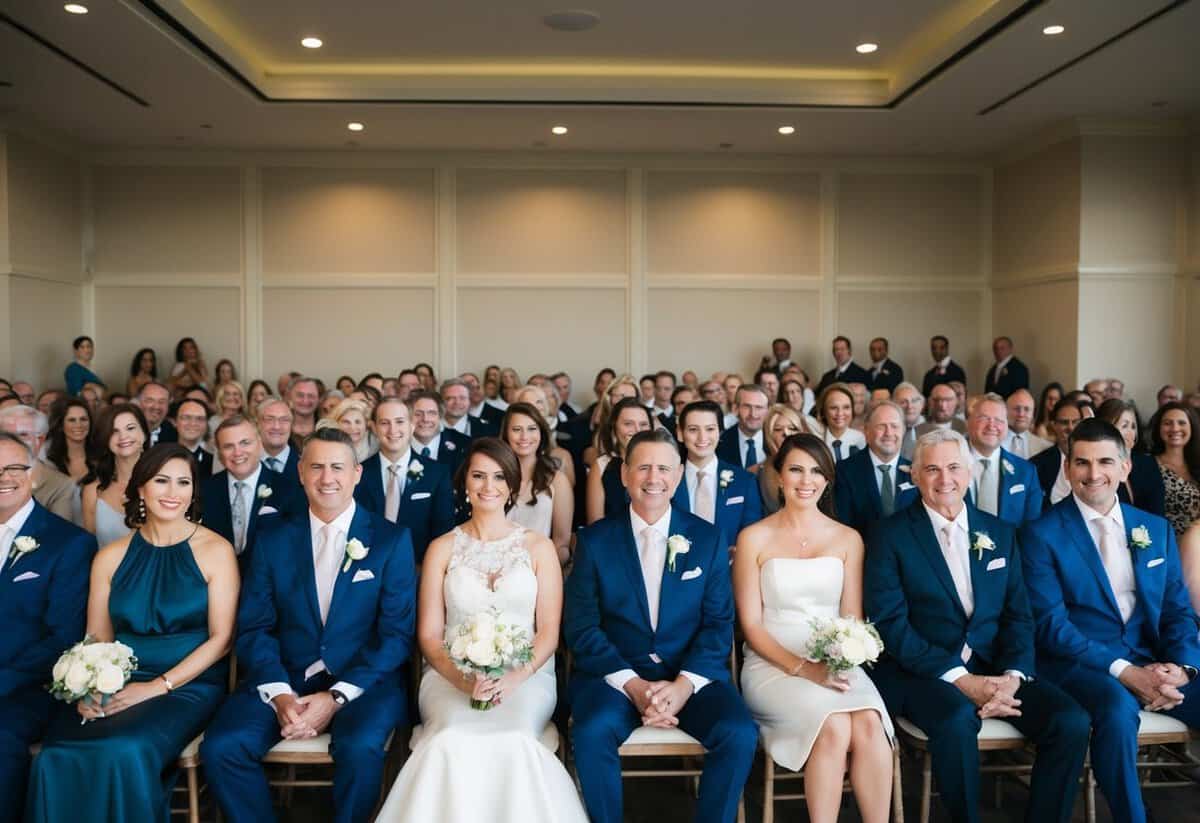
When planning your wedding, it’s important to know the seating guidelines for your ceremony. This involves understanding who sits where and the order in which everyone walks down the aisle. Proper seating helps make the event flow smoothly, ensuring that everyone knows where to go.
General Seating Etiquette
At a traditional wedding, seating usually follows a specific order. The bride’s parents typically sit in the first row on the left side, while the groom’s parents sit in the first row on the right side. Immediate family members, like siblings and grandparents, also have reserved seats in the first few rows.
Ushers often help guide guests to their seats, making it easier for everyone to find their place. Close family members may fill the next few rows, while friends and other guests sit further back. It’s a good idea to have a seating chart so everyone knows where to sit on this special day.
Order of Processional and Recessional
The processional refers to the order in which people walk down the aisle. Typically, ushers walk first to seat guests. This is followed by the wedding party, which may include the maid of honor, bridesmaids, and groomsmen.
Then, all eyes turn to the bride as she walks down the aisle, often accompanied by her father or another significant family member. After the ceremony, the recessional takes place. In this phase, the newlyweds lead their wedding party out, followed by guests. This order creates a joyful and organized atmosphere as everyone celebrates the union.
Seating Layout for Family and VIPs
When planning your wedding seating layout, it’s essential to consider the special roles of your family and VIPs. Mapping out their positions can help honor relationships and create a comfortable experience for everyone.
Special Considerations for Immediate Family
Your immediate family members, like your parents and siblings, typically take front-row seats. This placement shows their importance and involvement in your life.
For instance, the mother of the bride often sits on the left, while the mother of the groom sits on the right. If you have siblings, they usually sit nearby.
Tip: Make sure you discuss with a wedding planner or someone you trust to avoid any familial misunderstandings.
Coordinating Divorced Parents and Elderly Guests
If your parents are divorced, find a way to seat them that ensures comfort for everyone. You might choose to seat them at separate tables or ensure there’s a buffer of other family members between them during the ceremony.
For elderly guests, keep in mind their needs. Prioritize seating that is easily accessible. Close to the aisle can be ideal to avoid long walks.
Consider using folding chairs with padding for extra comfort during the ceremony.
Placement of the Wedding Party During the Ceremony
Your wedding party should be strategically placed during the ceremony to ensure everyone feels included.
The bridal party usually stands up front beside you. This includes bridesmaids and groomsmen, who can act as support during the event.
Make sure the VIPs, such as grandparents, sit where they can see everything easily. They should feel included but not overshadow the main event.
This thoughtful arrangement allows everyone to take part in the joyful experience of your wedding day.
Customs and Traditions in Wedding Seating
Wedding seating customs can vary greatly based on culture, religion, and modern preferences. Understanding these traditions can help you plan the perfect seating arrangement for your special day.
Seating for Cultural and Religious Ceremonies
In many religious ceremonies, seating arrangements often reflect deep-rooted traditions. For instance, in a Christian wedding, the bride’s family typically sits on the left side of the aisle, while the groom’s family occupies the right. This layout symbolizes the joining of two families.
In a Jewish wedding, the seating can differ. For example, Orthodox Jewish ceremonies may have separate seating for men and women. The focus here is on maintaining religious customs while celebrating love.
When it comes to same-sex couples, customs can be adjusted to fit both partners’ backgrounds. You can choose a seating plan that represents your values and comfort. Consider discussing it with family to find a solution that honors everyone involved.
Modern Twists on Traditional Seating
Today, many couples blend traditions with modern ideas. You might choose a more relaxed setup for a casual wedding. This could mean mixed seating where family and friends sit together, regardless of their connection to the bride or groom.
Incorporating themed seating is also popular. You might use table names that reflect shared interests or experiences. Another fun option is assigning seating based on a couple’s story, which helps guests feel included and connected.
Regardless of your choice, modern seating arrangements can still honor your heritage while creating a joyful atmosphere. This flexibility allows you to craft a memorable experience for everyone at your wedding.
Navigating Reception Seating Arrangements
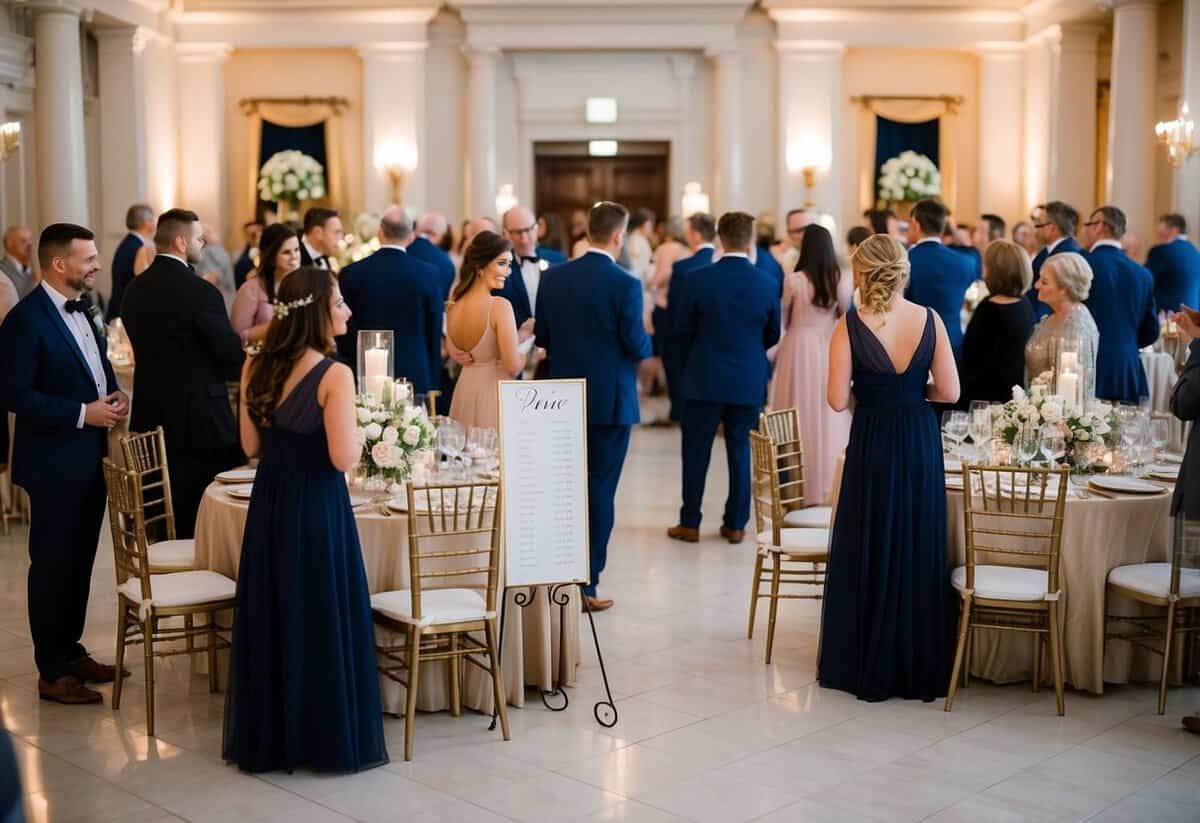
Planning the seating arrangement for your wedding reception helps ensure that your guests feel comfortable and enjoy the celebration. It’s essential to create a thoughtful layout and make informed table assignments to avoid any confusion.
Designing the Reception Layout
Start by assessing your venue’s layout. Look at the total space available and the number of guests you expect. This will help you decide how many tables you need and their arrangement.
Common Table Types:
- Head Table: Reserved for you and your partner, this table often features a central spot.
- Sweetheart Table: A smaller option for just the couple, providing an intimate setting.
- Regular Guest Tables: Typically round or rectangular tables for family and friends.
If you have children attending, consider adding a kids’ table where they can sit together. Remember to ensure each table is spaced well for easy movement.
Assigning Guests to Tables
Once you set the layout, you can create your wedding reception seating chart. Start by collecting RSVPs to know who’s attending. This will guide your table assignments.
Tips for Table Assignments:
- Group friends together to encourage conversation.
- Seat family members considering dynamics, especially if there are divorced parents.
- Reserve a singles table for guests who are not in couples.
- Keep in mind special needs or preferences, making sure everyone feels welcomed.
You can create a visual chart or a simple list to keep track of seating arrangements. Clear assignments will save time at the reception and help guests find their seats smoothly.