
Who Sits in First Row at Wedding? A Guide to Seating Arrangements
At a wedding, the seating arrangement can set the tone for the entire ceremony. Most cases place the bride’s parents in the first row on the left side of the aisle, while the groom’s parents occupy the first row on the right side. This traditional seating etiquette helps honor the families and creates a warm atmosphere for the couple.
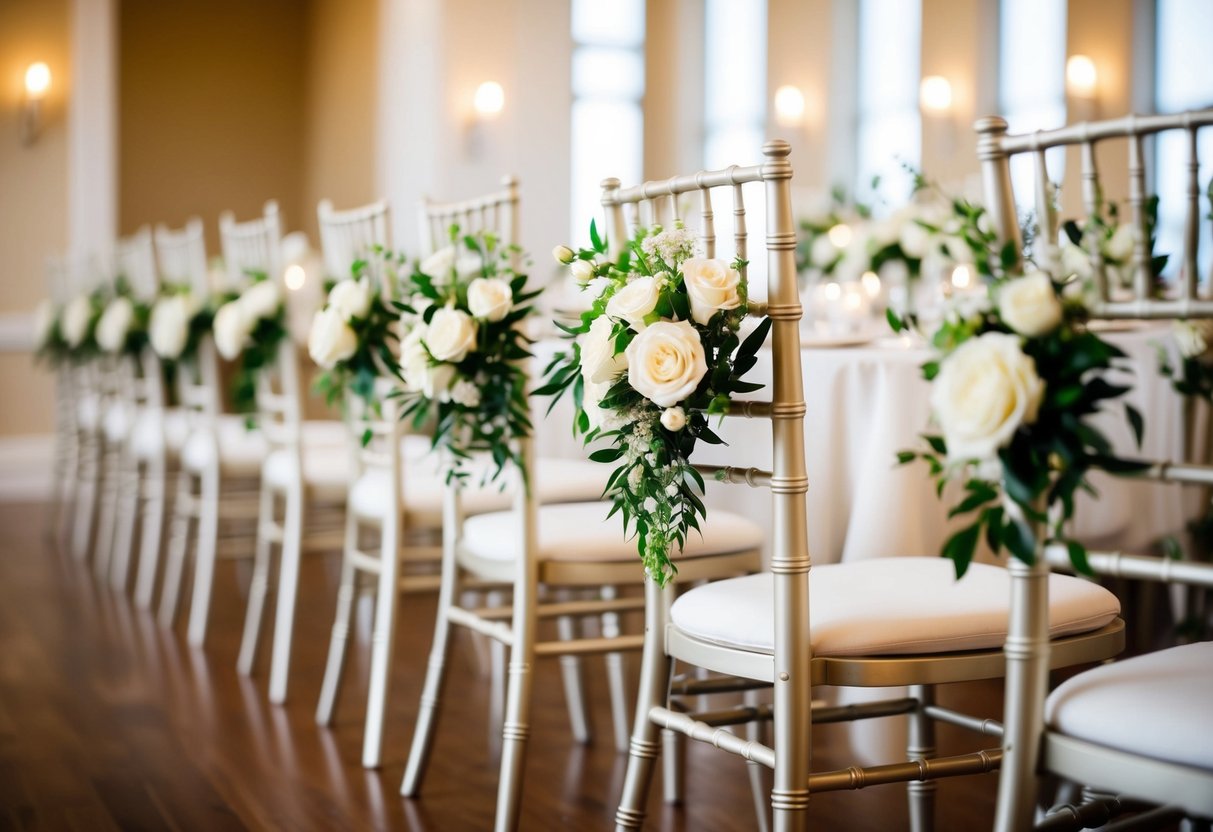
As you plan your wedding, think about how you want to arrange the seating for your guests. It’s important to consider not just family dynamics but also how to make everyone feel included.
Knowing who sits where can help you avoid confusion and ensure that your ceremony goes smoothly.
Whether you opt for a traditional setup or something unique, keeping your loved ones close during this special moment is key. By understanding the basics of wedding ceremony seating, you can create an intimate and memorable experience for everyone involved.
Understanding Wedding Ceremony Seating Basics
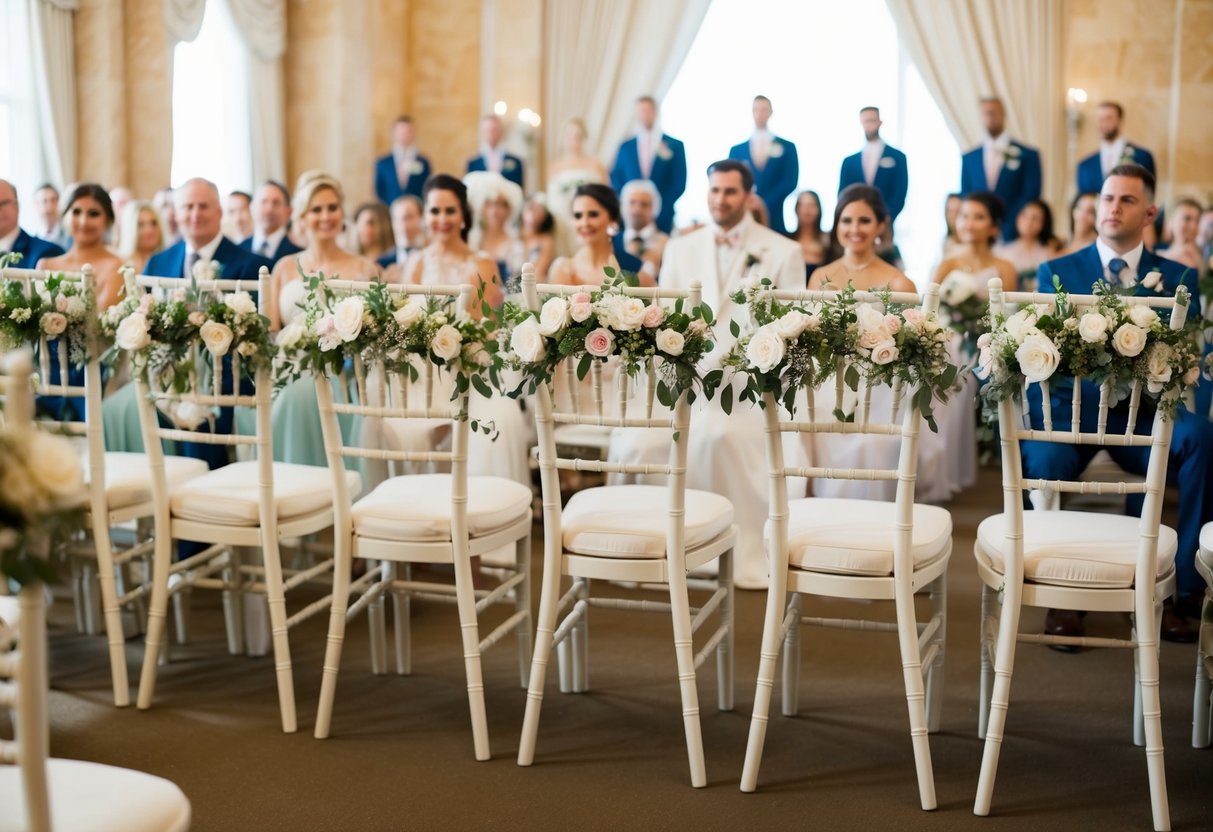
Wedding seating can be tricky, but knowing some basics helps. It is important to consider family dynamics and the traditions that apply. This will make planning the seating arrangements smoother and more enjoyable.
General Seating Etiquette
In most traditional wedding ceremonies, the parents of the bride sit in the first row on the left side. The groom’s parents typically sit on the right side. This layout honors both families equally and is common in Christian weddings.
If you have divorced parents, plan carefully. Seat the mother in the front row with her current partner, if applicable. The father can sit directly behind them. This approach respects family feelings while keeping things organized.
Don’t forget about the important guests like grandparents and siblings. They should have a place close to the front too. Make a seating chart to avoid confusion on the big day.
Differences in Cultural Wedding Ceremonies
The seating arrangements can vary greatly depending on the cultural background. For Jewish weddings, the families often sit together, but seating can change during the ceremony. In traditional Jewish services, men and women may have separate seating areas.
In same-sex marriage ceremonies, couples can choose how to divide seating. You might label sides as “Partner A’s side” and “Partner B’s side.” This gives both families equal representation while celebrating your love.
Understanding these cultural differences will help you create a welcoming environment for all guests. Each ceremony is unique, and thoughtful seating arrangements show consideration for everyone involved.
Roles and Positions of Key Participants
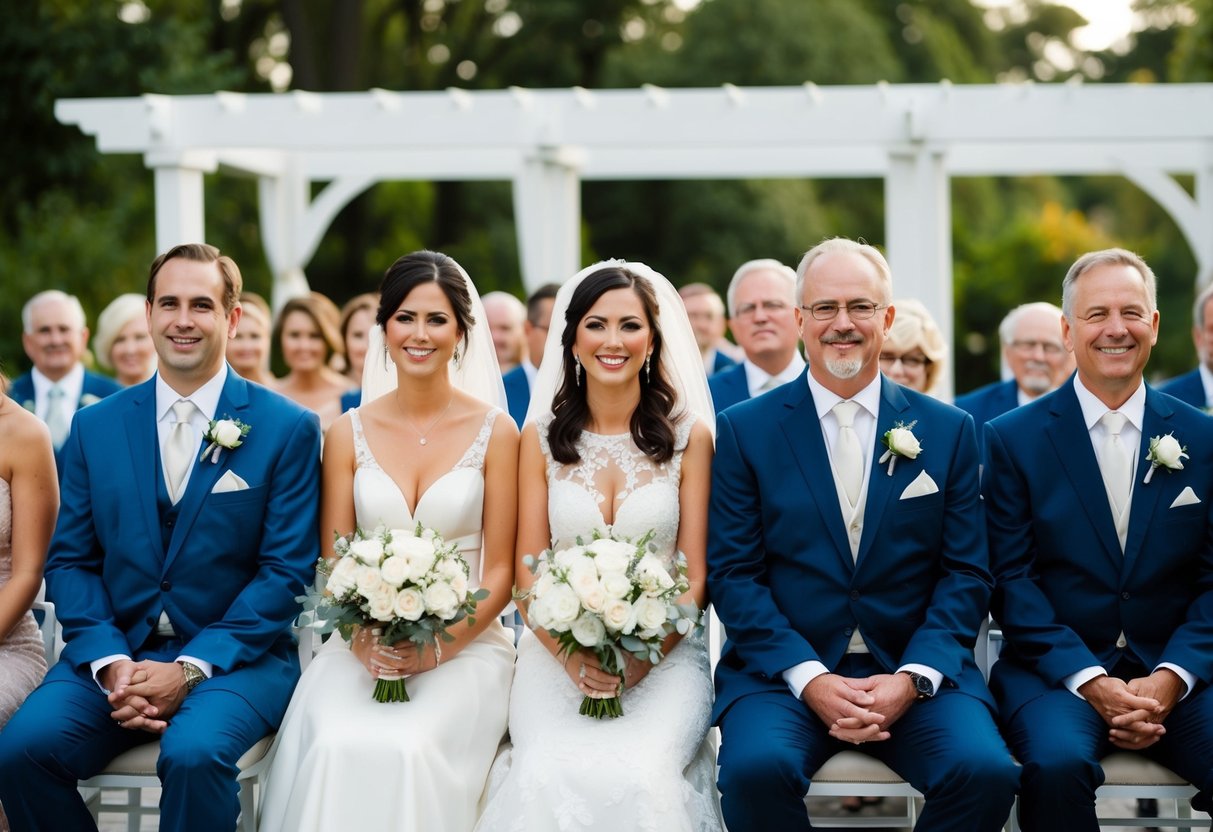
At a wedding, the seating arrangement is crucial for honoring key participants while ensuring comfort and respect for everyone involved. This includes the bridal party, parents, family members, and ushers. Here’s how these roles fit into the seating plan.
Bridal Party Seating
The bridal party, which includes the maid of honor, matron of honor, bridesmaids, best man, and groomsmen, usually sits close to the couple during the ceremony.
Typically, they occupy the second row on either side of the aisle. In some traditions, they might sit in the front row instead. This highlights their important role in supporting the couple. Each member’s seating can also reflect close family ties, especially in cases where stepparents are included.
Seating Parents and Family Members
When it comes to parents, tradition plays a big role in seating arrangements. The bride’s parents usually sit in the front row on the left side, while the groom’s parents sit on the right.
If there are divorced parents, arranging their seating can be sensitive. You might choose to separate them by seating other family members in between. It’s important to communicate clearly with everyone about the seating plans to avoid any awkwardness on the big day.
Ushers’ Role in Seating
Ushers play an essential role in guiding guests to their seats. They typically help direct the bridal party and family members to their designated spots.
You’ll want to ensure that they understand the seating arrangement well. Their friendly demeanor helps set a positive tone before the ceremony begins. They can also provide guests with any special instructions or assist in managing any last-minute changes to the seating plan.
Creating a Seating Chart
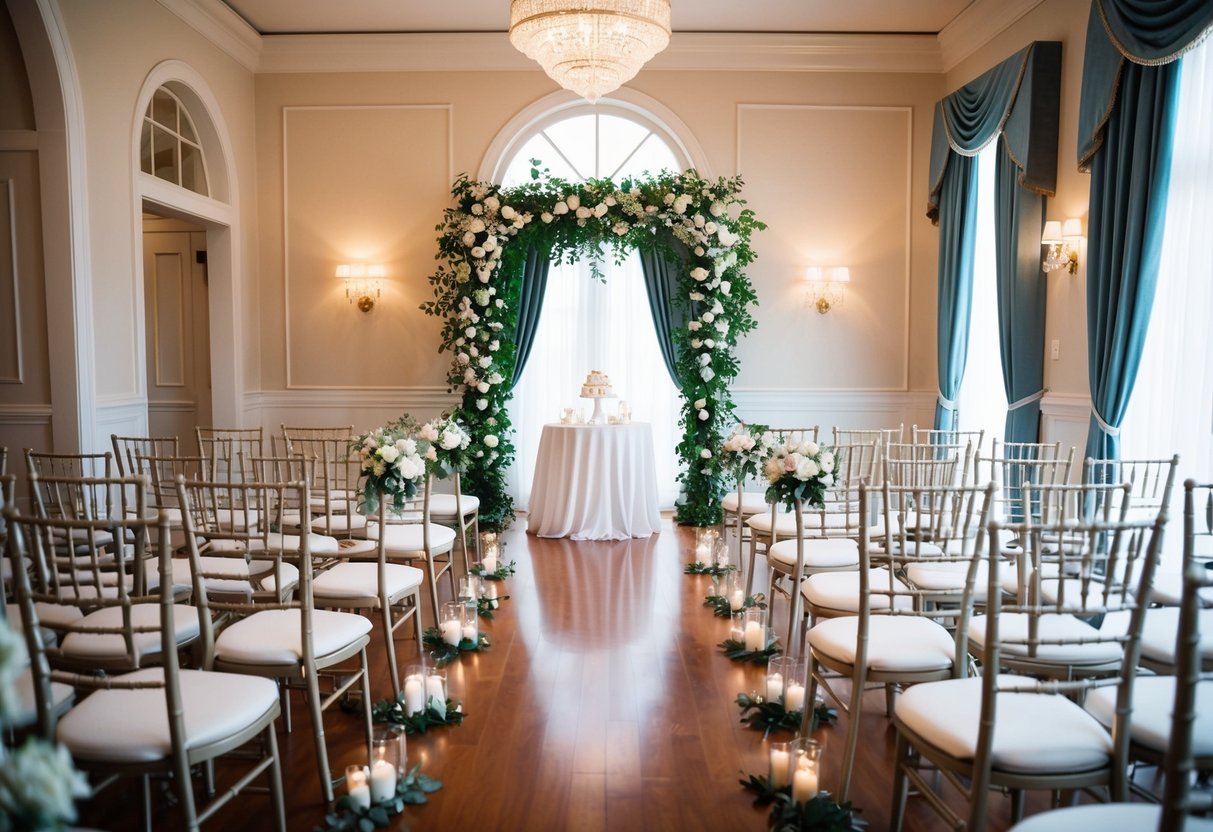
A well-planned seating chart helps ensure your wedding ceremony is enjoyable and organized. It allows you to manage your guest list effectively while addressing special requests for reserved seating.
Designing the Ceremony Seating Chart
Start by determining the layout of your ceremony space. Consider the number of aisles and where the altar or main focal point will be.
You can create a simple sketch or use a digital tool to visualize seating arrangements.
Next, decide how to divide guests. Immediate family should sit in the first rows. Close friends can follow, while more distant relatives may sit further back.
Remember to leave space for parents of both the bride and groom if they are seated separately. You might also want to have some reserved seating for any VIP guests.
Managing Guest List and Special Requests
Managing your guest list is crucial for effective seating arrangements. Create a master list with names, addresses, and any special needs. This will help you keep track of who is attending.
Consider any special requests, such as seating older guests near the front for convenience. Be mindful of guests who may have conflicts or preferences. For example, if two guests don’t get along, it’s best to keep them separate.
Using a wedding planner can simplify this process, especially for larger weddings. They have tools and experience to help navigate seating challenges. A well-structured seating chart can make your day run smoothly while keeping your guests happy.