
Who Sits Next to Bride at Reception? A Guide to Seating Arrangements
At a wedding reception, knowing who sits next to the bride can help you understand the seating arrangements better. Typically, the groom sits to the bride’s right, while the best man takes his place on her left side at the head table. This arrangement highlights the importance of these roles and helps to keep the focus on the couple during dinner and speeches.
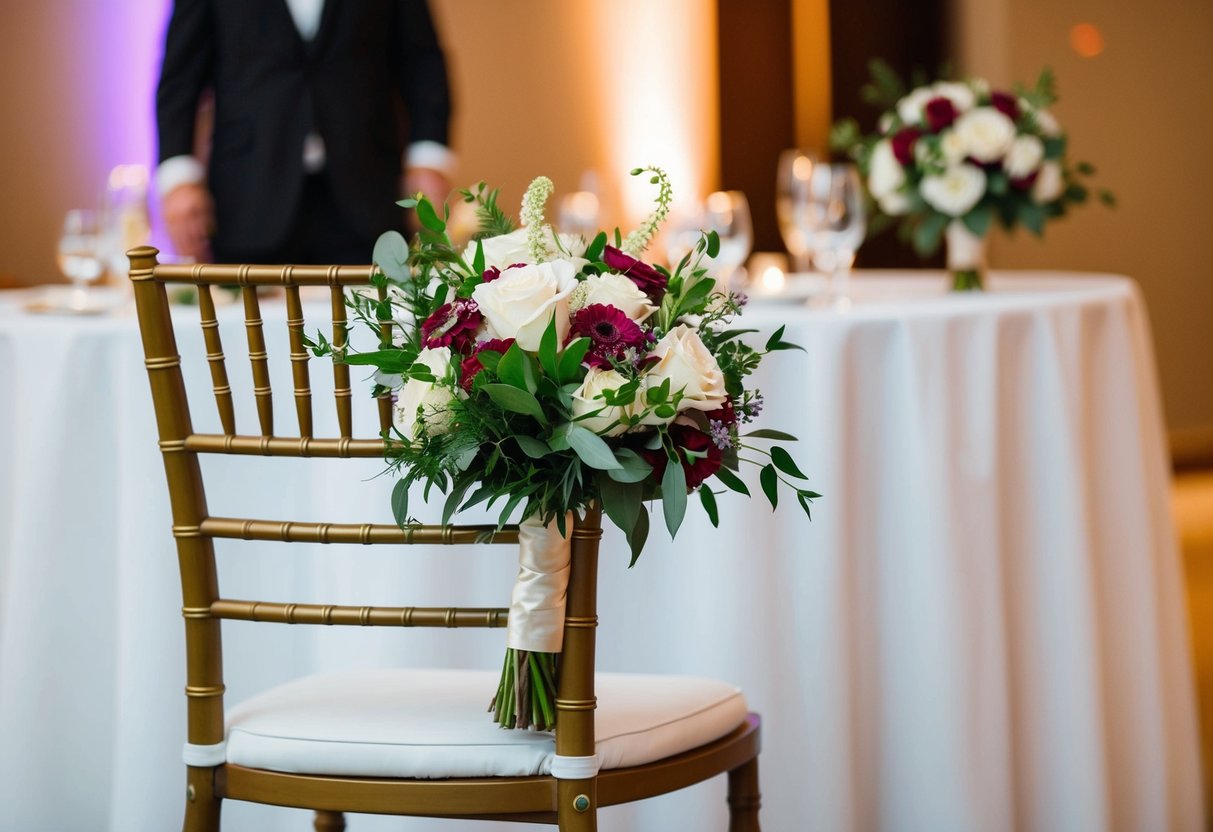
In smaller receptions, many couples opt for a sweetheart table, allowing just the bride and groom to sit together, creating an intimate atmosphere. However, if you have a bridal table, you might include close family members and the bridal party, ensuring your nearest and dearest are by your side throughout the celebrations.
Understanding these seating choices can make your wedding planning easier and help create a warm and inviting atmosphere for your guests. Whether you choose a grand bridal table or a cozy sweetheart setup, it is essential to make it personal and reflective of your unique relationship.
Setting the Scene: Reception Layout and Floor Plan
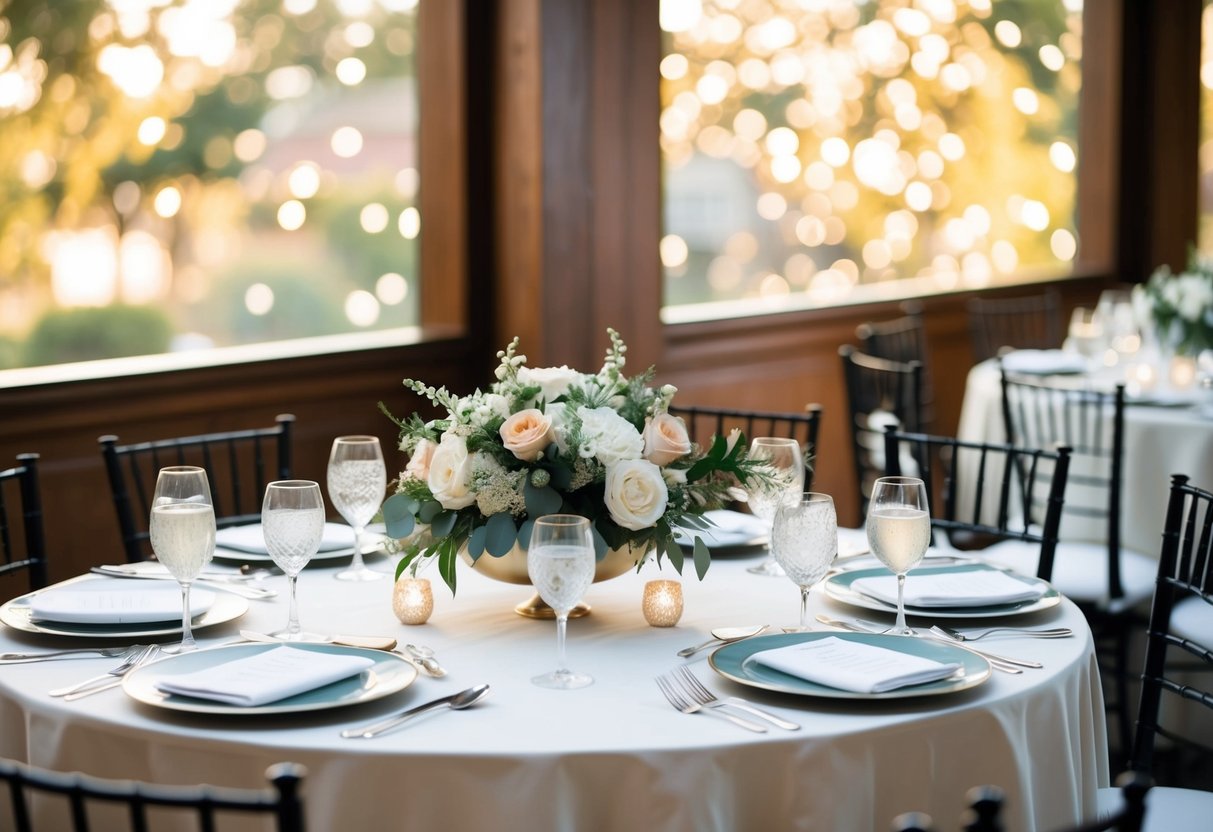
Planning your reception layout is important for creating a comfortable and enjoyable experience. The right floor plan helps guests move freely and enjoy their time.
Focus on table arrangements that suit your style, including seating for the bridal party and family.
Choosing the Right Floor Plan
Start by reviewing the layout of your venue. Consider the space for key areas like the dance floor, buffet, and bar. You want guests to have easy access to everything without feeling cramped.
Common layouts include:
- Round Tables: Great for conversation and intimacy.
- Long Tables: Provide a communal feel, perfect for family-style dining.
- Family Tables: Sit your family close to the bride and groom, making it easy for them to connect.
A good floor plan enhances the reception’s flow and sets the mood.
Arranging the Head Table
The head table is where you and your partner will sit, often alongside your wedding party. This table typically features the bride and groom at the center, enhancing the focus on you during the celebration.
Consider these arrangements:
- Straight Line: Simple and traditional, with everyone facing forward.
- U-Shape: Offers a more open vibe and allows guests to engage with one another.
Don’t forget to incorporate special decor that reflects your style. Flowers or personalized items can make this table shine.
Options for the Bridal Table
When deciding who sits at the bridal table, tradition plays a role. Typically, you’ll include the maid of honor, best man, and bridesmaids, with the bride on the groom’s left and the best man on the right.
Here are a few options:
- Family and Friends: Invite your closest family members for a sense of unity.
- Mixed Arrangement: Consider seating family and friends together for a more relaxed atmosphere.
This table arrangement lets the bridal party engage with each other, making for memorable moments.
Incorporating a Sweetheart Table
A sweetheart table is just for you and your partner, allowing for a more intimate dining experience.
Benefits include:
- Privacy: Enjoy a moment together amidst the celebration.
- Personalization: Decorate it with special touches that represent your relationship, like photos or mementos.
Placing the sweetheart table in a central spot makes you the focal point during the reception while still giving you the privacy you may want. Consider this setup if you prefer a more personal and cozy dining experience.
Creating the Perfect Wedding Reception Seating Chart

Planning your wedding reception seating chart can feel daunting, but with some helpful tips, you can make it a breeze. Understanding seating chart etiquette and how to assign seats will ensure your guests feel comfortable and welcomed.
Understanding Seating Chart Etiquette
First, it’s essential to consider seating chart etiquette. This means thinking about relationships and comfort levels.
For example, it’s best to sit family members together and group friends. Avoid placing guests who may not get along at the same table.
Most couples will have a head table for the wedding party. You should sit the bride and groom in the center. Commonly, the best man and maid of honor sit nearby. Make sure to mix spouses or partners with the wedding party for a lively atmosphere.
Assigning Seats at the Head Table
When it comes to the head table, you want to make it feel special. Typically, the head table includes the couple and their wedding party. They are usually arranged in a way that allows easy conversation.
You could use a table of honor setting. This means the closest friends and family sit immediately adjacent to you. This arrangement helps celebrate those who mean the most to you. Consider using a seating plan that highlights this special table for all guests to see.
Strategies for Family and VIP Seating
While you manage the seating chart, keep VIP guests in mind. Family dynamics can be tricky, so be sensitive to any issues.
For instance, if divorced parents are attending, place them at different tables.
Create a designated area for immediate family. This makes it easier for them to socialize and feel included. You might want to consider reserved signs at key tables to highlight family or important guests.
Remember, the goal is to create a warm and inviting atmosphere where everyone feels comfortable. By considering these strategies, your reception will be enjoyable for you and all your guests.
The Art of Seating Arrangements
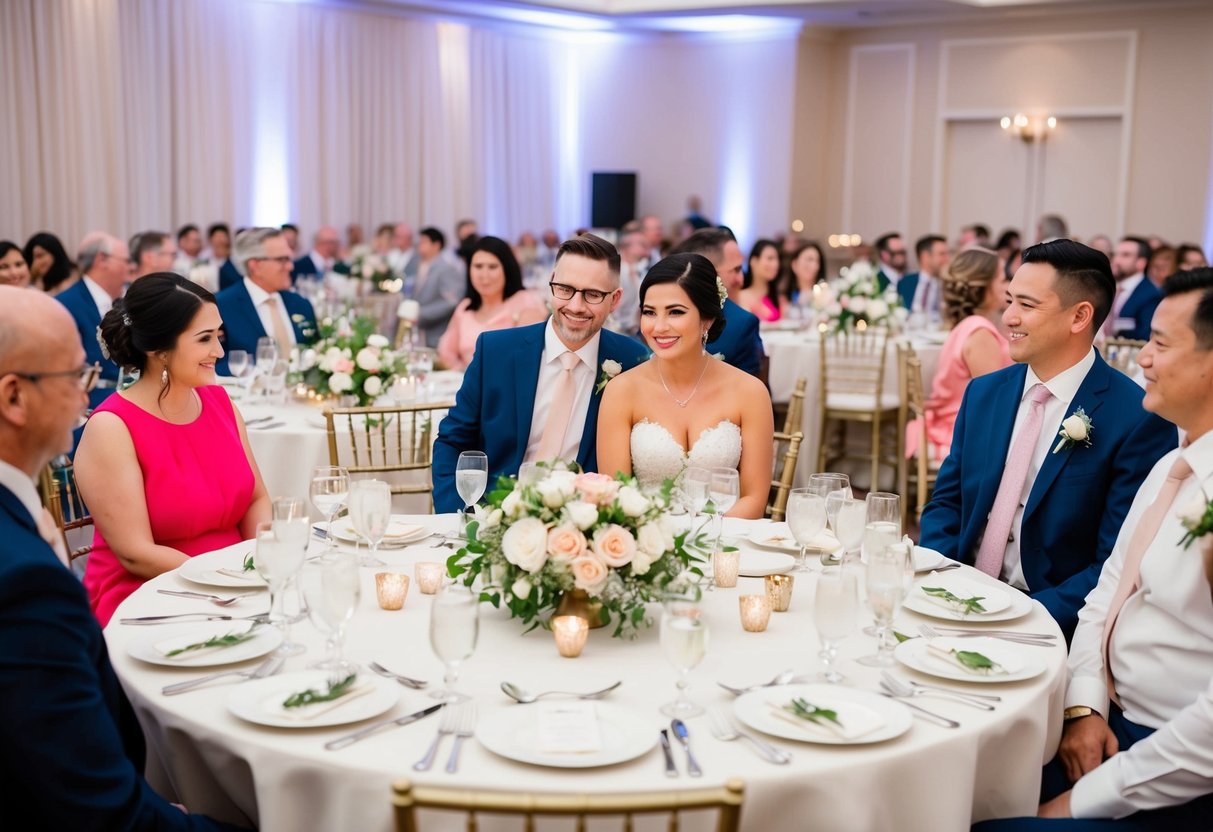
Creating a seating chart for your wedding reception can be both fun and challenging. It’s important to think about where to place key individuals like the maid of honor and best man, how to manage complex family dynamics, and where to put singles and plus-ones for the best experience.
Determining Placement for the Maid of Honor and Best Man
The maid of honor and best man play significant roles in your wedding. Traditionally, they sit close to you and your partner.
- Maid of Honor: Position her to your left. This allows for easy conversation and photos.
- Best Man: He should sit to your partner’s right. This also allows for a strong support structure during speeches and toasts.
If you have a larger bridal party, you can arrange other bridesmaids and groomsmen around them. Just ensure everyone feels included and valued.
Balancing Family Dynamics
Family relationships can be complex, and seating choices matter. You want to create a positive atmosphere for everyone involved.
- Parents: Ideally, they should sit in the front rows, possibly in a semi-circle around your table.
- Divorced Parents: If your parents are divorced, try to place them at opposite ends of the table. This reduces tension.
- Blending Families: Make sure to seat step-siblings or new partners together to foster connections.
Understanding family dynamics can help you make decisions that avoid unnecessary drama.
Accommodating Singles and Plus-Ones
When planning your seating chart, think about how to make everyone comfortable.
- Singles Table: Consider creating a table for guests who come alone. This can help them mingle and make new friends.
- Plus-Ones: Encourage your guests to bring a plus-one if you can. This often improves their enjoyment and engagement during the event.
Keeping people grouped with those they know can make the celebration more enjoyable for everyone.
Final Touches on Wedding Reception Seating
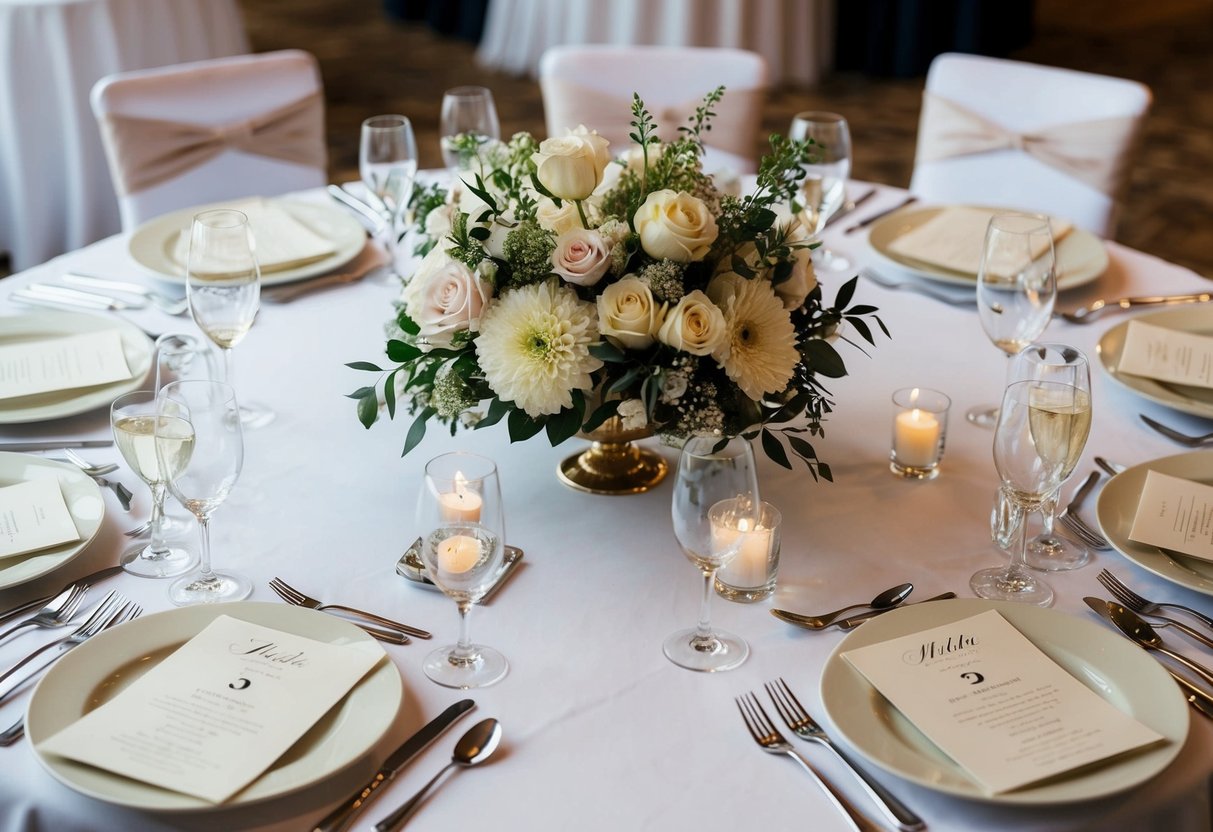
As you finalize your seating plan, consider how to handle RSVPs and any last-minute adjustments. Properly organizing place cards and table assignments can also enhance guest experience. Here are some details to guide you.
Navigating RSVPs and Last-Minute Changes
Managing RSVPs can be tricky. Aim to get responses at least three weeks before the wedding. This gives you time to adjust seating as needed.
Create a spreadsheet to track your RSVPs clearly.
If you have late replies or unexpected changes, remain flexible. Reach out to guests to gather their plans. Consider how their seating might impact others, like families or friends.
If a guest can’t attend, it’s courteous to free up their spot for someone else. Keeping track of these details helps maintain good relationships and ensures everyone feels welcome.
Tips for Place Cards and Table Assignments
Using place cards helps guide guests to their designated seats, which promotes smooth seating. You can choose between escort cards and place cards.
Escort cards tell guests which table to sit at, while place cards indicate their exact seats.
For table numbers, keep them visible and easy to read. Consider using a clean design that matches your wedding theme.
Ensure that your cards are organized alphabetically for easy navigation. Proper etiquette suggests seating family members together and considering relationships among friends.
Also, think about accommodations for any guests with special needs. This attention to detail will make your reception welcoming for everyone.