
Who Sits Next to the Groom at a Wedding? Understanding the Seating Tradition
Planning a wedding comes with many decisions, and one important choice is seating arrangements at the head table. Typically, the groom sits to the right of the bride during both the ceremony and the reception. This arrangement emphasizes their new partnership and allows them to share the spotlight with close friends and family.
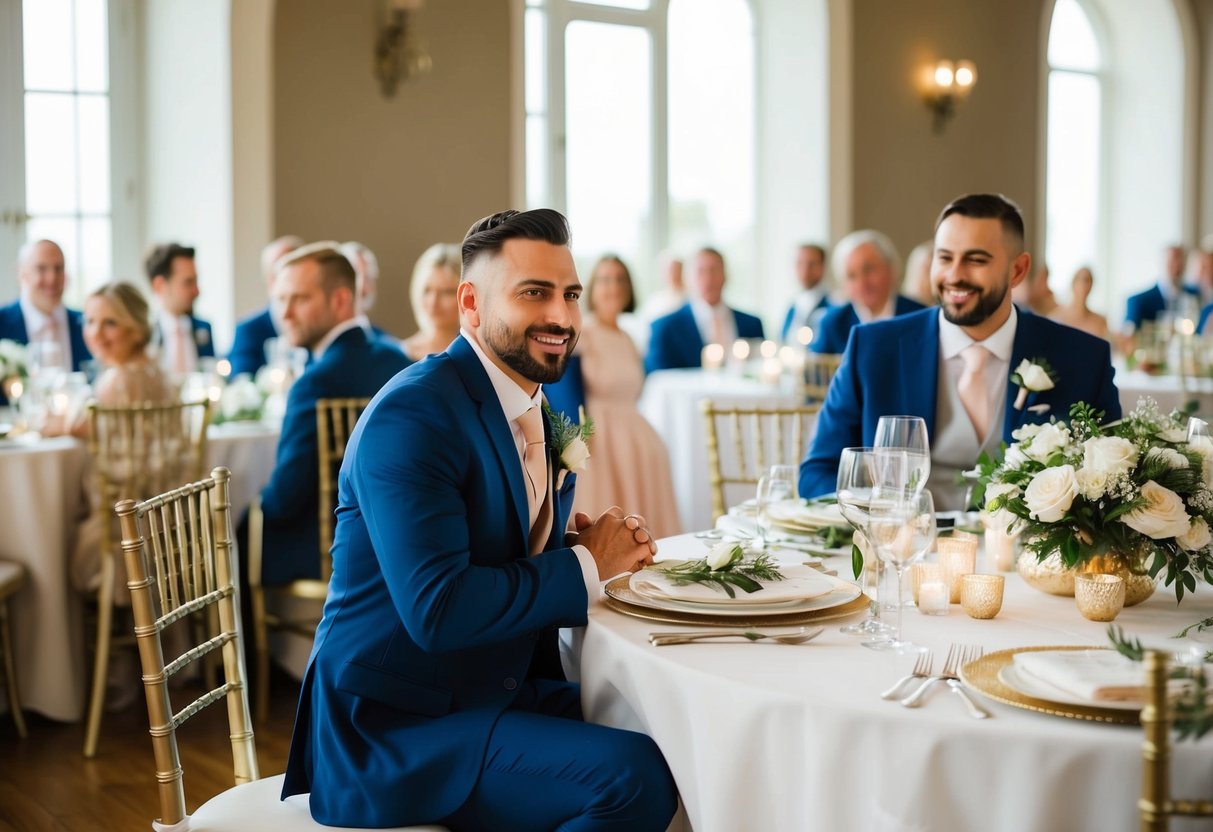
At the head table, you might include the best man next to the bride and the maid of honor next to the groom. This setup not only highlights the couple’s special bond but also creates a warm atmosphere for everyone involved.
Understanding who sits where can help make your big day run smoothly and ensure your loved ones are close by.
As you finalize your plans, think about the significance of each person at the table. Including important family members and friends will make the ceremony and reception even more memorable. Seating is not just functional; it adds to the joy and celebration of your wedding day.
Understanding Wedding Reception Seating

When planning your wedding reception seating, it’s crucial to consider the dynamics of family and friendships. The arrangement can enhance the experience for everyone, making the event feel more comfortable and enjoyable.
The Significance of the Head Table
The head table is a focal point at the reception. Traditionally, it seats the bride and groom, along with their closest friends, such as the best man and maid of honor. This special table represents the couple and is often decorated to stand out from the rest.
You can choose a traditional head table or opt for a sweetheart table. A sweetheart table is just for the bride and groom, allowing for intimate moments during the celebration. Consider personal touches like centerpieces that reflect your style, making the head table feel unique.
Seating Arrangements 101
Creating a seating chart is essential for a smooth reception. Start by listing all your guests and decide who should sit together.
Consider grouping friends and family to encourage conversation and comfort.
Here are a few options for seating arrangements:
- Family Table: For close family members, sitting together can help them catch up and feel included.
- Divorced Parents: If you have divorced parents, carefully think about their placements to avoid awkwardness. Place them at opposite ends or at different tables.
Having a clear seating plan will help reduce confusion and ensure everyone knows where to go.
Navigating Complex Family Dynamics
We all have unique family situations, so navigating these dynamics is crucial. When planning seating, you might have stepparents and divorced parents to consider.
Aim for harmony while respecting feelings.
While it can be tricky, open communication with parents can help. Discuss where they would feel most comfortable seated. If tensions exist, choose tables that keep tension at bay by physical distance.
Creating a family table may help foster connection. Place close family members together, ensuring they have a great time while celebrating your special day.
Designing Your Seating Chart

Creating a seating chart for your wedding can be fun and strategic. It ensures your guests enjoy the day while sitting comfortably with people they know or work well with. Here are two key points to help you in this task.
Creating the Perfect Floor Plan
Start by visualizing the floor plan of your reception area. This will help you decide how many tables you’ll need.
Consider the table arrangements that best suit your venue’s layout.
You might have a bridal table or head table for the wedding party. Decide how many people will sit there. Align the other tables around your focal point. Make sure guests can easily move around without feeling cramped.
Also, think about the arrangement. Round tables create a more intimate feel, while rectangular ones work well for larger groups. Use a software tool or a big sheet of paper to sketch the table layout.
Etiquette and Best Practices
Seating chart etiquette is important to make sure everyone feels included.
Start by grouping guests by their relationships. This might mean putting family members together and letting more social friends mix.
When designing the wedding reception seating chart, consider any reserved seats for close family or special friends. You may also want to have escort cards to help guests find their places easily.
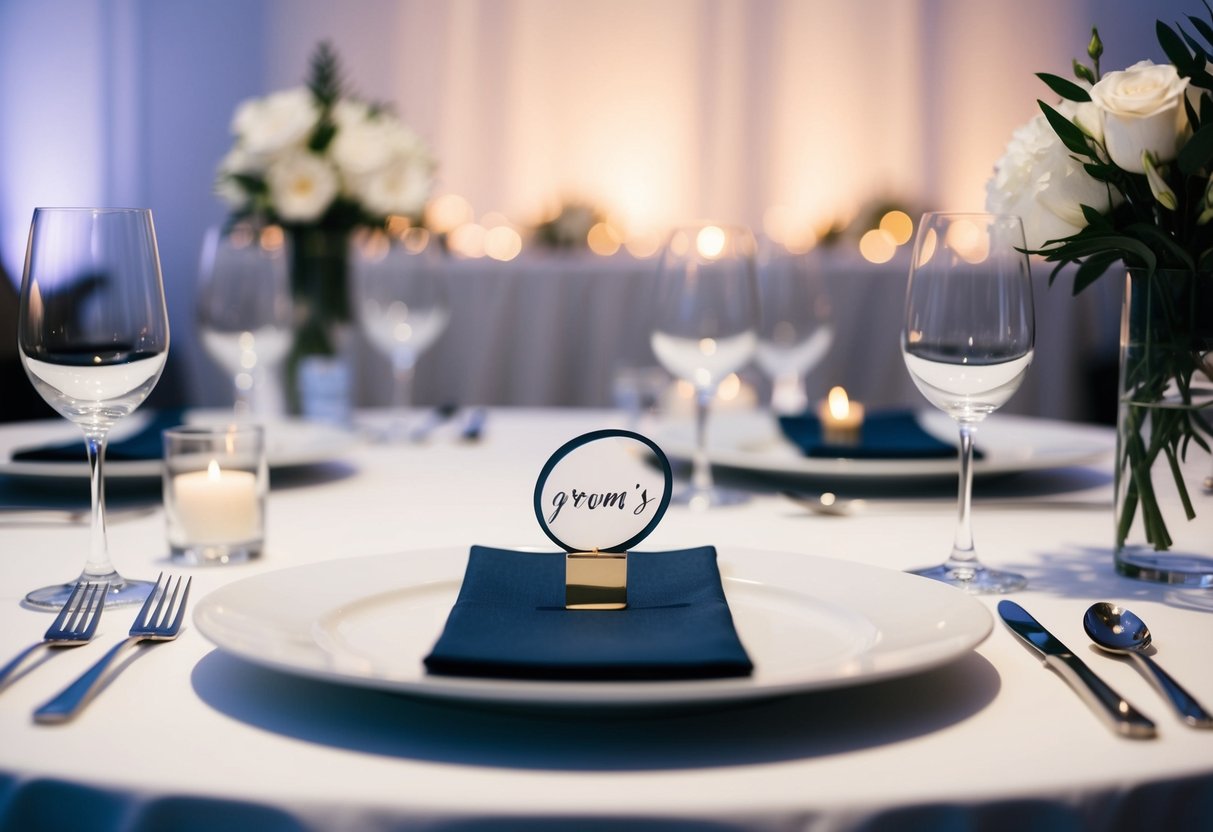
Remember, place cards at each table will guide guests to their seats. This personal touch adds warmth to your reception. Make sure the names are clear and easy to read to avoid confusion.
Special Considerations for Modern Weddings
Weddings today reflect diverse relationships and guest needs. It’s important to think about how to accommodate everyone, ensuring that each guest feels welcomed and comfortable.
Accommodating Same-Sex Couples
When planning your wedding, consider how seating can reflect your values. For same-sex couples, traditional seating arrangements may not apply.
You can encourage guests to sit wherever they feel comfortable. This approach not only promotes inclusivity but also helps celebrate unity among all guests.
If you have a large guest list, make sure to create a detailed seating chart. You might want to set aside reserved seating for VIP guests to ensure that important individuals are close to you. Flexibility in your layout can help everyone enjoy the event.
Addressing the Needs of Singles and Guests
Creating a welcoming environment for all guests includes addressing the needs of single attendees.
Consider setting up a singles table at your reception. This table can allow those who don’t know anyone to bond and enjoy the celebration together.
When sending out RSVPs, ask if guests will be bringing a plus-one. This can help you manage your guest list effectively.
Also, seating arrangements matter; try to place friendly guests near those who may feel more reserved.
Thoughtful guest accommodations can make a big difference in the enjoyment of the day.