
Who Sits Next to Who at a Wedding? A Guide to Seating Arrangements
Figuring out who sits next to who at a wedding can feel overwhelming, but it doesn’t have to be. Traditionally, the bride and groom sit next to each other at the bridal table, with important family members nearby, creating a welcoming atmosphere for everyone at the wedding reception.
Knowing where to place various guests can help enhance relationships and ensure everyone enjoys the celebration.
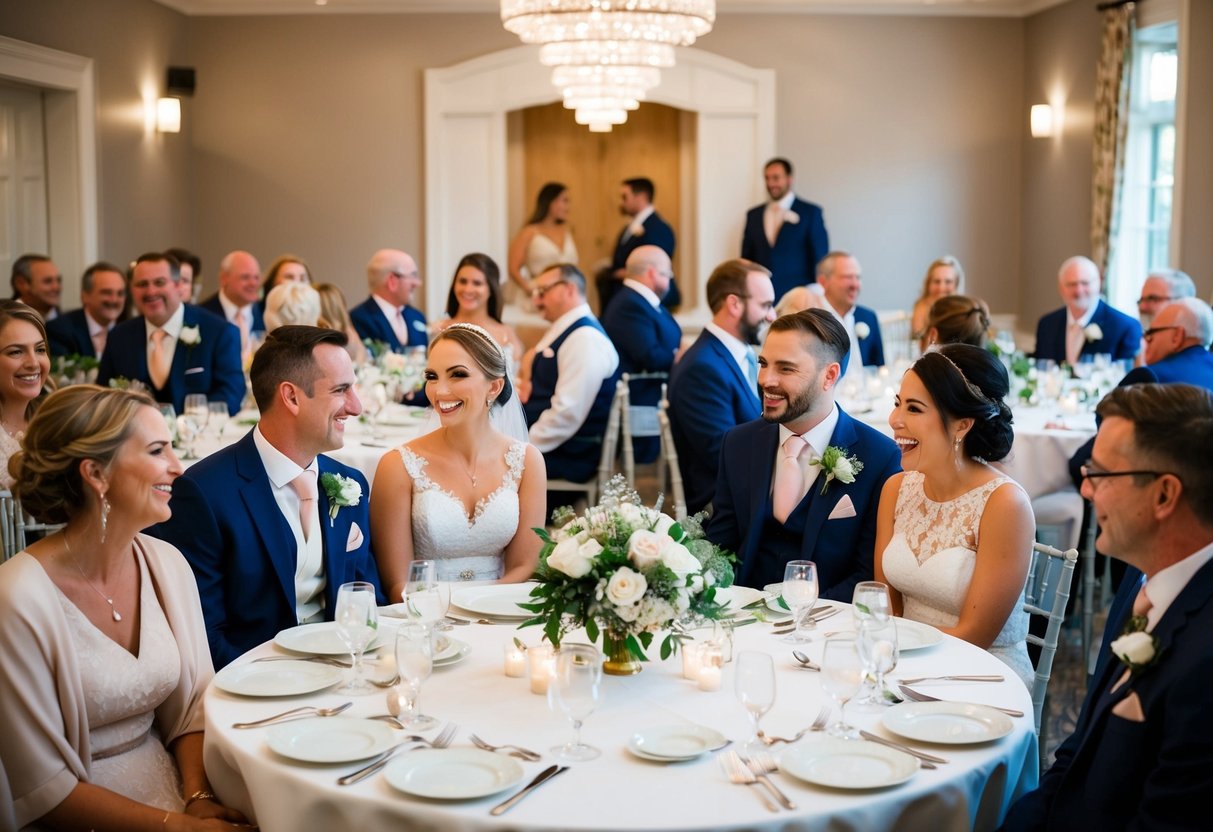
When planning your seating arrangements, consider the dynamics of your guests. Think about friendships and family relationships to create a comfortable experience.
Keeping parents or close family members close can foster a sense of unity during your special day, making it memorable for all involved.
Remember, there are no strict rules, and you can add your personal touch. Some couples choose to break tradition and sit among their friends and family instead. This flexibility allows you to craft a seating plan that reflects your unique style while ensuring that everyone feels included.
Understanding Wedding Seating Etiquette
Seating at a wedding is more than just finding a spot. It’s about showing respect and honoring relationships among guests. Getting this right can make your special day run smoothly and keep everyone happy.
Hierarchy of the Head Table
The head table is the focal point of the reception. Typically, the bridal party sits here. You usually place the bride and groom in the center. Traditionally, the groom sits to the bride’s right, with the best man next to the groom and the maid of honor next to the bride.
In some cases, parents of the couple may join the head table. This can help to bridge family ties. If parents sit at the table, consider putting them on opposite sides to avoid conflict.
It’s also good to keep the table clear of clutter to help everyone focus on the speeches and events. This way, your guests can enjoy their meal without distractions.
The Role of Family Dynamics
Family dynamics play a significant role in your seating arrangements. Make sure to balance relationships among family members. Consider if any relatives have complicated feelings toward each other.
If tensions exist, it may be best to separate those individuals. You can create an inviting atmosphere by seating welcoming family members together.
Additionally, keep in mind traditions that may influence seating. Some cultures or family traditions have specific norms for seating. Respect these when creating your arrangements to honor family expectations.
Etiquette for VIP Guests
Your VIP guests deserve extra attention in seating arrangements. Typically, this includes close family, lifelong friends, or mentors. They should feel valued during your wedding reception.
When seating VIPs, consider their connections. You can place them near the head table or in prominent spots where they can engage with the celebration.
It’s also wise to avoid any potential tensions. If you know certain guests may not get along, separating them at different tables is a thoughtful move. Providing a joyful atmosphere encourages engagement and celebration amongst all your guests.
Designing the Seating Chart
Creating a wedding seating chart is an essential task that helps ensure your guests feel comfortable and connected. A well-thought-out seating arrangement can minimize stress and conflict, allowing everyone to enjoy your special day.
Creating the Layout
Start by figuring out your table layout. You’ll need to know how many tables you have and their sizes. This will help you visualize where each guest will sit.
Consider using a seating chart tool to make this easier. Many online tools allow you to create an electronic seating arrangement that can be adjusted as needed.
Remember to leave space for aisles and access to the dance floor. A clear layout helps everyone find their seats quickly, which keeps the flow of the event smooth.
Assigning Seats and Tables
Next, it’s time to assign seats and tables. Think about your guests’ relationships. Place friends with friends and families together. You should also consider any plus-ones so that people feel included.
Use a seating chart to keep track of where everyone is placed. It’s helpful to create table assignments that have names listed clearly.
If you have children attending, you might want to seat them near their parents. This is particularly useful for kids like ring bearers.
Accommodating Special Requests
It’s important to accommodate any special requests from your guests. Some may have specific needs due to dietary restrictions or mobility issues. Be sure to note these ahead of time.
If a guest requests to sit away from someone they may not get along with, it’s best to honor that request.
You can also ask your guests if they are bringing a plus-one. This can help you make more informed seating decisions.
Being thoughtful with your seating chart shows your guests that you care about their experience at your wedding.
Practical Tips for Arranging Guests
Creating a comfortable and enjoyable seating arrangement at your wedding ensures that guests feel welcome. Paying attention to the placement of singles, family members, and the wedding party can make a big difference.
Handling Singles and Plus-Ones
When arranging seats for singles and plus-ones, consider grouping them together. This helps create a friendly environment, allowing guests to mingle and connect. You can set up a singles table that encourages interaction.
Be mindful of how you mix singles with couples. If you’ve invited friends who are plus-ones, try to seat them near those they may know. This way, everyone feels included and comfortable. If you have friends who are coupled, sit them together to avoid isolation.
Organizing the Bridal and Family Tables
The bridal and family tables are crucial for maintaining family dynamics during the wedding.
Start by seating immediate family members at the front, ensuring that parents and grandparents have a place of honor.
You can create a bridal table for the wedding party close to the dance floor. This placement allows the couple to celebrate with their closest friends while still connecting with family. Make sure to communicate with your family members about any seating preferences they may have to avoid conflicts.
Navigating the Escort Cards and Place Cards
Using escort cards and place cards can help eliminate confusion when directing your guests to their seats. Escort cards show guests which table to sit at, while place cards indicate specific seats.
Make sure to have a clear table chart at the entrance to guide them. Use simple, legible designs so that everyone can easily find their seating assignment.
For easier management, consider color-coding tables based on groups (like family, friends, or coworkers).
These tips will help create a smooth seating experience for everyone at your wedding!