
Who Sits on the Head Table at a Wedding in the UK? A Guide to the Key Guests
At a wedding in the UK, the head table is a special spot that highlights the importance of the newlyweds. Traditionally, the bride and groom sit in the center, flanked by their parents and key members of the wedding party, such as the Chief Bridesmaid and Best Man.
This arrangement allows the couple to easily interact with those closest to them while also facing their guests throughout the reception.
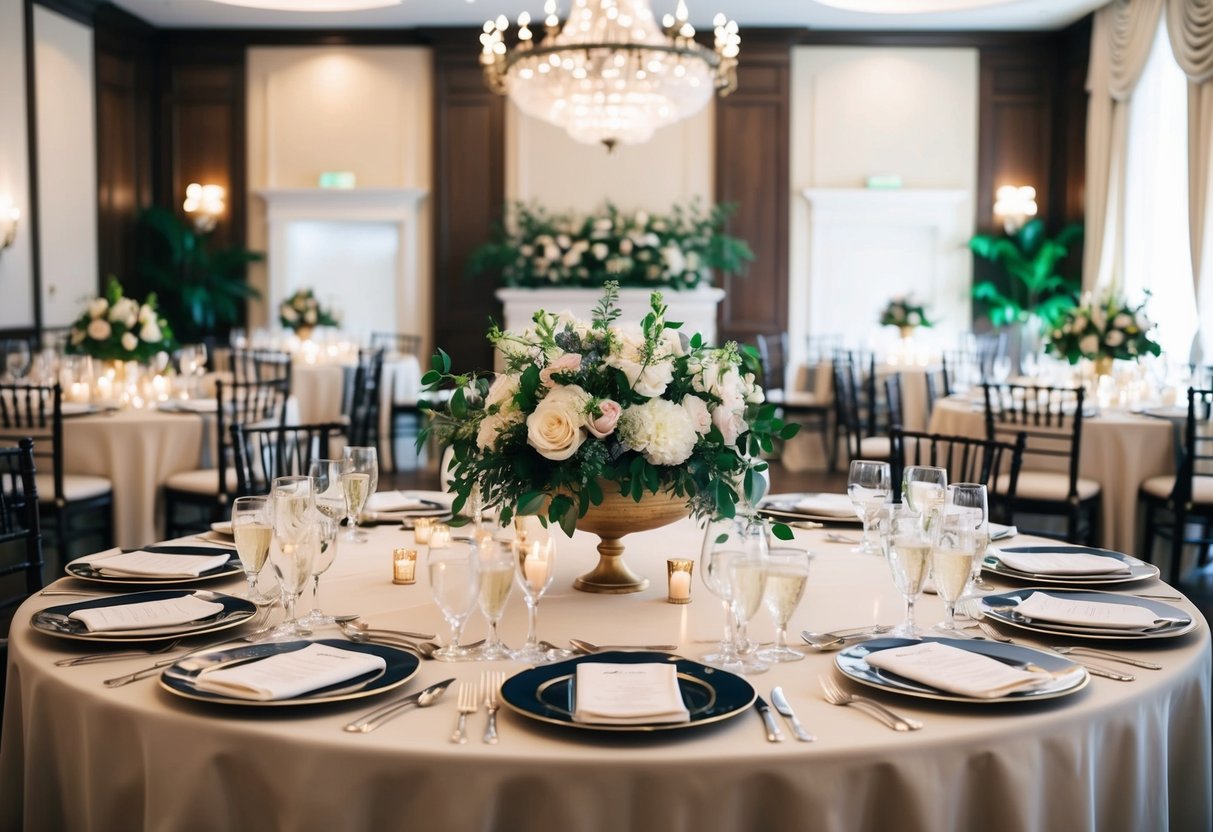
Choosing who sits at the head table can be a fun part of the wedding planning process. You can decide whether to stick strictly to tradition or mix it up according to your preferences.
Some couples prefer a more modern layout, inviting only their bridesmaids and groomsmen to join them, creating a more intimate atmosphere.
Understanding the seating arrangement sets the tone for your celebration. It allows your guests to feel connected to you on your special day. The head table serves not only as a focal point but also as a space for cherished moments and memories among loved ones.
Understanding the Head Table
The head table is a special place at your wedding reception. It serves as the center of attention, showcasing you and your closest loved ones. Let’s explore the traditional composition of the head table, some modern takes like the sweetheart table, and how to arrange the seating effectively.
Traditional Head Table Composition
In many UK weddings, the head table, often called the top table, is where the bride and groom sit alongside their wedding party and immediate family.
Typically, you will find the bride and groom seated in the center. To their left and right, the best man, maid of honor, bridesmaids, and groomsmen usually take their places.
For a standard setup, parents often join the couple, creating a supportive atmosphere. This arrangement allows for easy conversation and connection among the key people in your life.
Modern Variations and Sweetheart Table
Some couples opt for a sweetheart table as a modern twist. This setup features just the two of you sitting together, allowing for intimate moments during the reception.
The sweetheart table is typically smaller and can be decorated to stand out.
Your friends and family can be seated at separate tables, which can encourage mingling. This choice makes your table special while still keeping your loved ones close.
Seating Chart and Table Arrangement
Creating a seating chart is essential for a smooth wedding reception. You will want to map out who sits where, especially at the head table.
Consider the relationships between guests. For example, it may be beneficial to seat friends and family members who get along well next to each other.
Also, think about the shape of the table. Round tables can promote conversation, while long rectangular tables can showcase your head table more prominently.
Your seating plan should make everyone feel comfortable and included, helping everyone enjoy the celebration.
Who Sits Where at the Head Table?
Seating at the head table is crucial for any wedding reception. It typically includes the couple, their bridal party, and close family members. Here’s a guide to make sure everyone sits where they should.
Positioning the Bridal Party
At the head table, the couple usually sits in the center. This is a traditional setup that makes them the focal point. Next to the bride, you might find the maid of honor, and beside the groom, the best man.
Following them, the rest of the bridal party, including bridesmaids and groomsmen, can be placed alternately. This setup creates a balanced visual and helps the guests recognize each member of the party.
If your wedding is more intimate, you might choose to have a smaller table. In this case, just have the couple and their maid of honor and best man. This arrangement keeps things simple and personal.
Considerations for Family Members
When it comes to family, there are different choices based on your situation. You might seat immediate family next to the couple at the head table.
For traditional setups, the bride’s parents are often placed on one side, while the groom’s parents sit on the other. This arrangement acknowledges the importance of both families.
If you want to include siblings, they can be seated at the table as well. If space is limited, consider having a separate family table nearby that includes grandparents and other relatives. This way, everyone feels included.
Roles of Child Attendants and Plus-Ones
Child attendants, like flower girls and ring bearers, can have a special role at the head table. If they are young, they might sit with their parents or guardians at a nearby table. This makes it easier for parents to keep an eye on them.
As for plus-ones, it’s generally good etiquette to have them placed at either the family table or in the bridal party area. This way, they feel included without overshadowing the main event.
Make sure to communicate seating arrangements clearly before the wedding day. This ensures that everyone knows where to go and helps the reception run smoothly.
Seating Etiquette and Wedding Customs
When planning your head table seating at a wedding reception, you’ll want to consider both the VIPs you wish to honor and the family dynamics at play. Proper etiquette not only helps create a welcoming atmosphere but also ensures that important guests feel valued.
Etiquette for Honoring VIPs
At your wedding, the head table is usually the focal point of the reception. This is where the newlyweds sit, along with key VIPs.
Common seating includes:
- Bridal Party: The best man, maid of honor, and other attendants should sit close to you.
- Parents: Placing both sets of parents at the table shows appreciation for their support.
- Special Mentions: If you have close friends or mentors, consider including them as well.
It’s helpful to position guests in a way that encourages conversation. The people seated next to you should be ones who feel comfortable together. This will foster a joyful atmosphere during the reception.
Incorporating Family Dynamics
Family relationships can be intricate, so it’s wise to navigate them carefully when deciding on your seating arrangement. Clear communication is key to avoiding misunderstandings.
Consider the following tips:
- Circle of Trust: Select family members who get along well to sit near you. This ensures everyone feels comfortable.
- Separate Tables: If there are family tensions, it may be better to seat them at different tables, but still close enough for easy access.
- Ushers and Young Ones: Include ushers and any younger family members, like flower girls or ring bearers, to make them feel special, often sitting with their parents at nearby tables.
By thoughtfully considering who sits where, you will create a welcoming and enjoyable wedding reception for everyone.
Planning Your Reception Seating
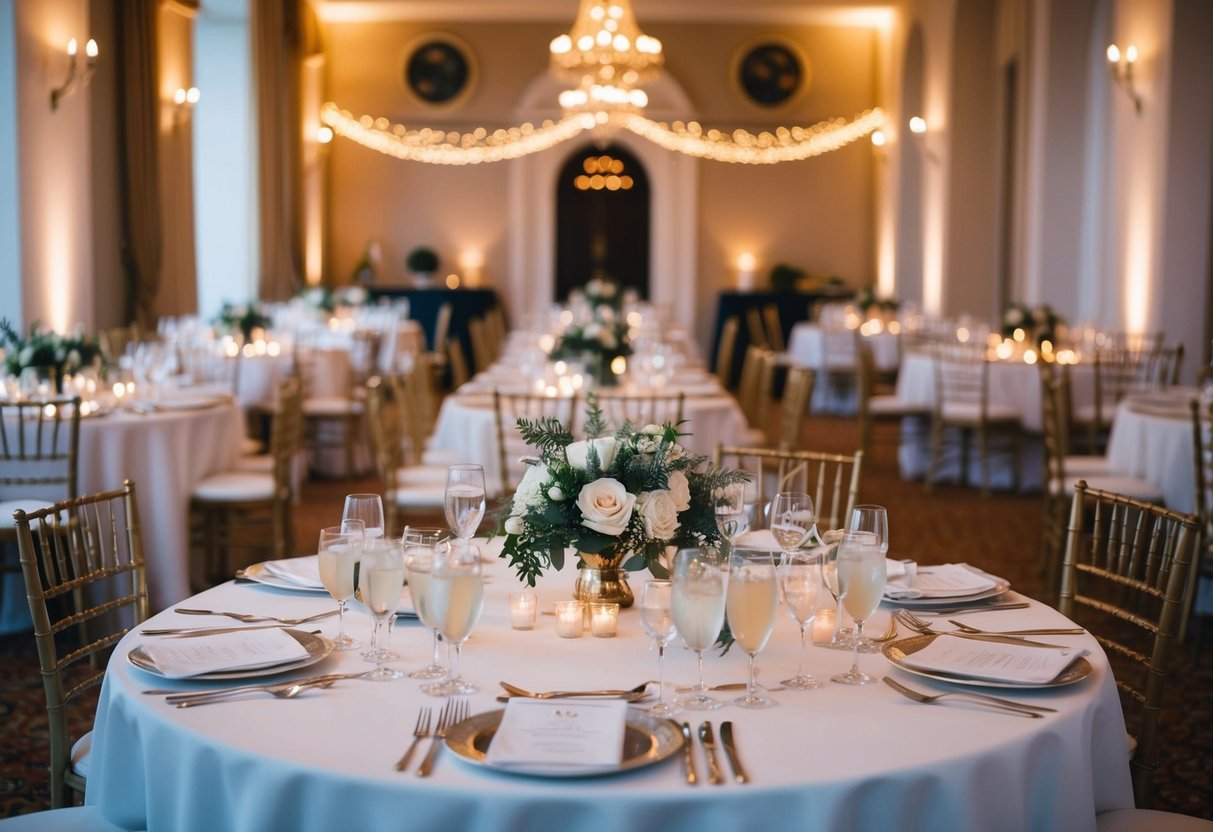
Creating a well-thought-out seating plan is important for your wedding reception. It helps set the mood and encourages your guests to enjoy the celebration. Here are some key aspects to consider when planning your reception seating.
Choosing the Right Table Layouts
Selecting the right table layouts will help manage space and enhance the flow of your reception. Common options include long banquet tables, round tables, or a mix of both.
- Long Banquet Tables: These create a communal feel. They work well for casual receptions. You can easily place your top table at the center.
- Round Tables: These encourage conversation among guests. They are often more formal and can suit a variety of venues.
Consider your wedding venue’s layout. Make sure your tables fit comfortably, allowing room for movement. You may also want to plan for a designated dance floor or buffet area. This ensures everyone can enjoy the night comfortably.
Navigating Personal Preferences
Personal preferences play a significant role in your seating arrangements. Start by listing key guests that you’d like to sit together. Think about relationships, comfort levels, and any awkward dynamics.
For your top table, it’s common to have the newlyweds, the best man, and maid of honor. You can choose to include parents and close family members as well.
It’s also thoughtful to keep friends with shared interests or similar backgrounds together. You might want to ask for input from close family and friends to ensure everyone feels included. Personal touches will make your seating plan more meaningful.