
Who Sits on What Side at a Wedding? A Guide to Seating Arrangements for Family and Friends
When you attend a wedding, you might wonder who sits where and why it matters. At traditional weddings, the bride’s family typically sits on the left, while the groom’s family sits on the right. This arrangement helps create an inclusive atmosphere where families can support the couple as they start their new life together.
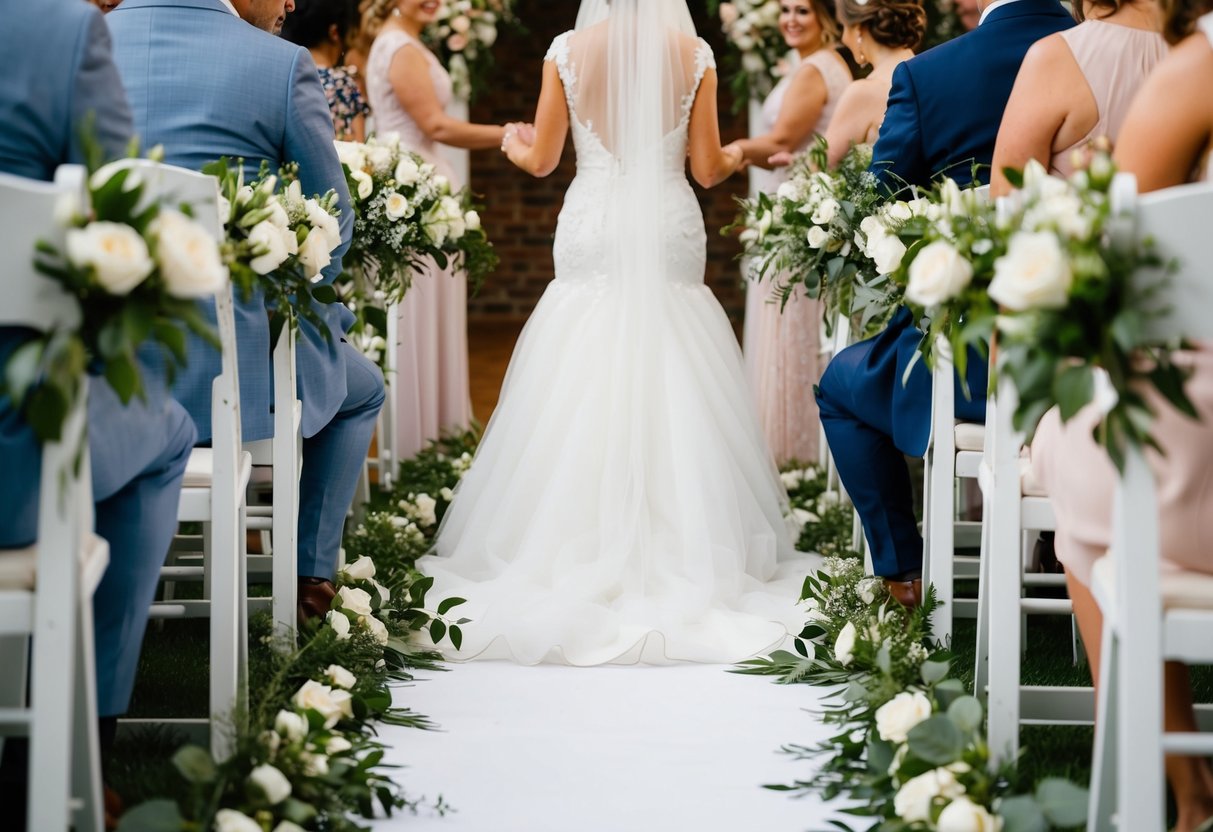
Understanding the seating arrangements can help everyone feel comfortable and connect with one another during the ceremony.
In some cultural or religious ceremonies, like Jewish weddings, there are specific traditions that dictate seating based on gender or family ties. You might also encounter different setups at same-sex marriages, where the couple often chooses how to arrange their families.
Knowing these details can enhance your experience as a guest. You’re not just a spectator; you’re part of a celebration filled with love and joy, where each seat has significance. Embracing these traditions can also enrich your appreciation of the wedding ceremony itself.
Understanding Ceremony Seating Foundations
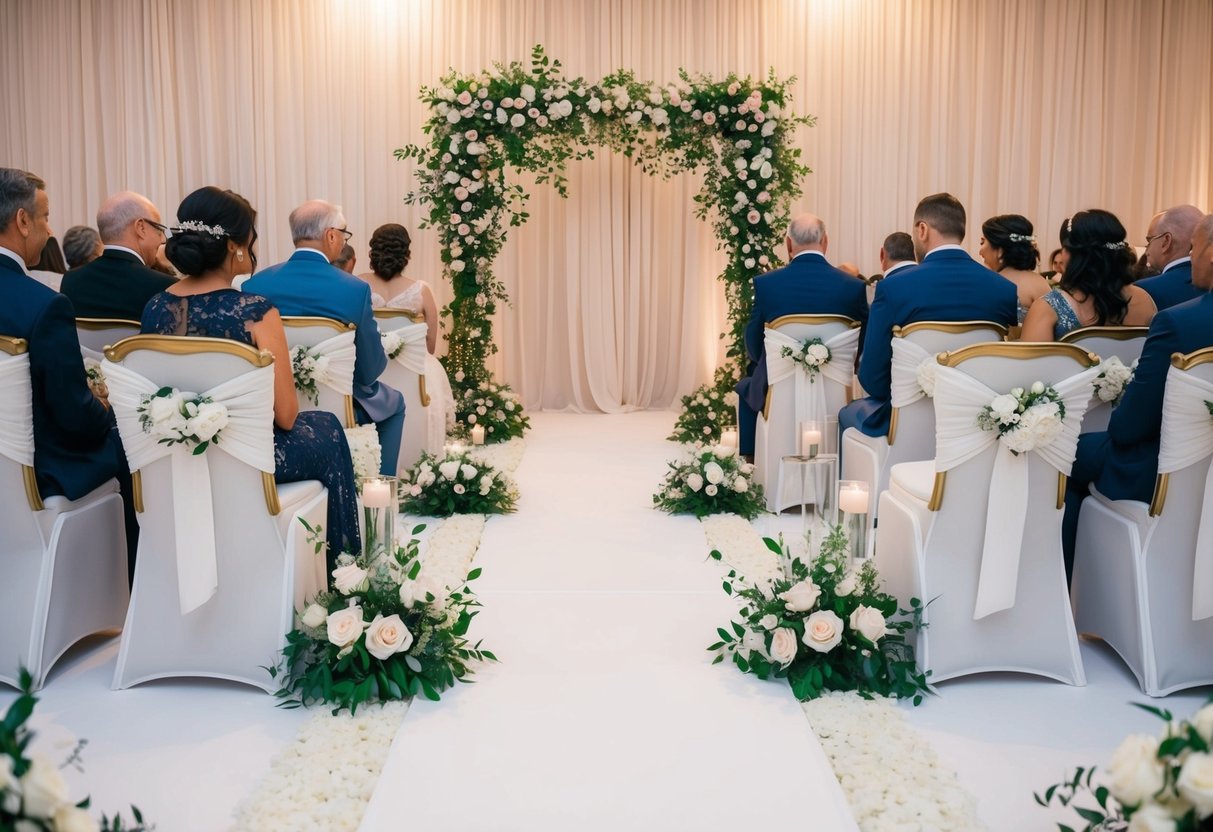
Seating at weddings follows traditions that can vary based on culture and personal choice. Knowing these traditions can help make your ceremony more meaningful and organized.
Traditional Seating Overview
In traditional ceremonies, seating often follows clear guidelines. For Christian weddings, the bride’s family typically sits on the left side. This includes her parents, siblings, and close relatives. The groom’s family sits on the right side, also including parents and relatives.
In Jewish weddings, the seating arrangement can differ. Generally, the groom’s side is on the left, while the bride’s side is on the right when facing the altar. In Orthodox Jewish weddings, men and women sit separately, which adds a unique layer to seating etiquette.
Couples often follow these patterns for heterosexual weddings. It’s important to plan seating to honor family dynamics and consider relationships.
Modern Twists on Wedding Seating
In recent years, many couples have embraced more modern approaches to wedding seating. The traditional “bride’s side” and “groom’s side” is slowly changing. Instead, some couples encourage guests to “choose a seat, not a side.” This trend promotes inclusivity and creates a relaxed atmosphere.
For same-sex marriages, couples often blend traditions from both families or create unique arrangements. They might use creative seating charts or personalized signs that celebrate their union.
Proper etiquette still plays a role. Communicating these plans with guests ahead of time helps set the expectation. It can also ease any discomfort guests may feel about where to sit.
Roles and Positions
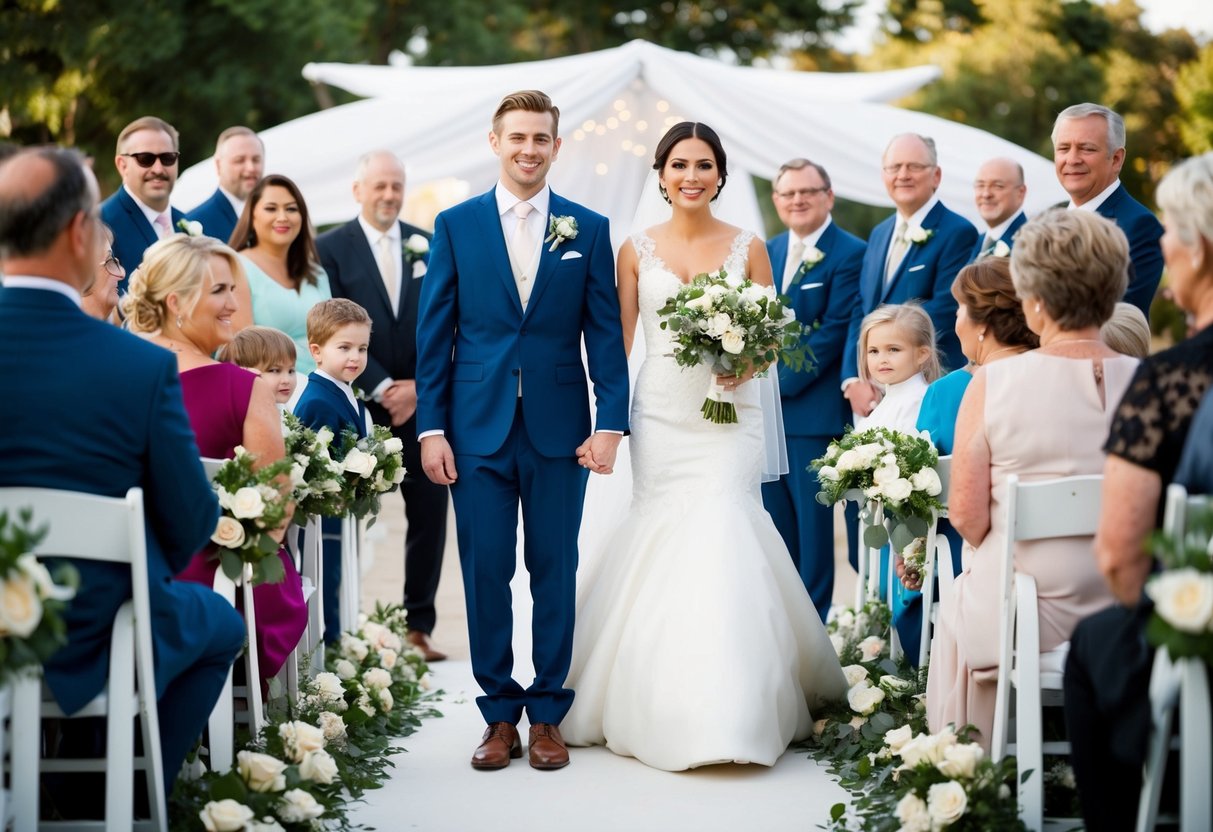
Understanding who sits where can help create a comfortable and organized atmosphere on your wedding day. The seating arrangements for the wedding party play a significant role in your ceremony.
Bridal Party Placement
During the ceremony, the bridal party typically sits on the bride’s side. This includes the bridesmaids, who support you and stand beside you as you say your vows. If you have a maid of honor, she usually occupies a prominent position next to you at the front.
The groom’s side generally includes the groomsmen, with the best man standing closest to the groom. Both sides may also have special roles for younger members, like a ring bearer or flower girl. The seating plan often places family members in the front rows, so grandparents and parents have the best views.
Significance of the Best Man and Maid of Honor
The best man and maid of honor are key figures in your ceremony. The maid of honor offers support in planning and organizing details, often helping with the guest list and ensuring everything runs smoothly. She stands next to you, representing your close relationship.
The best man holds a vital role in supporting the groom. He may be responsible for managing the groomsmen and ensuring they’re where they need to be. Both the best man and maid of honor typically give speeches during the reception, sharing heartfelt moments that highlight their connection to you and your partner.
Family Seating Arrangements
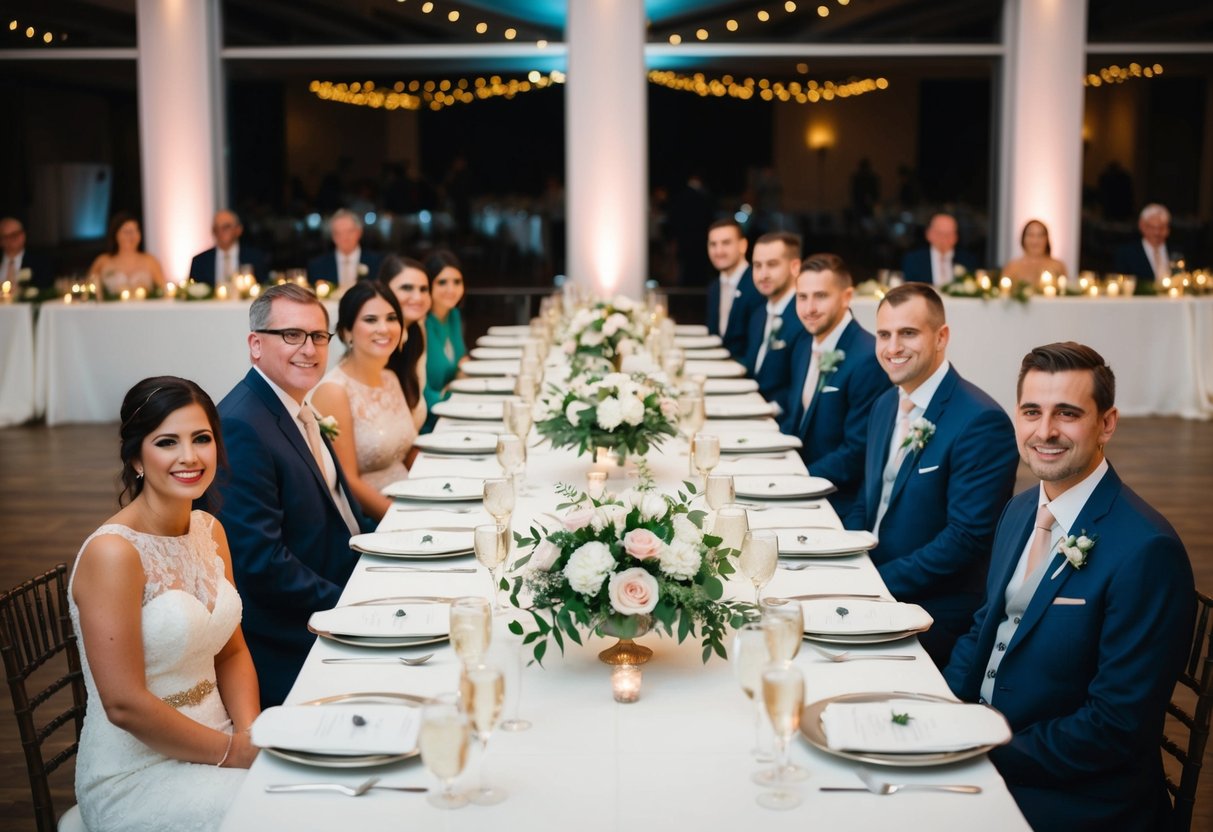
Seating arrangements at weddings often follow traditions that help guide where family members sit. It’s important to consider the relationships within families and how to balance these dynamics on the big day.
Parents of the Bride and Groom
Traditionally, the parents of the bride sit on the left side of the church, while the parents of the groom occupy the right side. This classic setup highlights the bride’s family as the main host, aligning with cultural norms.
In the first row, both sets of parents should be seated, allowing them to enjoy the ceremony closely. If either parent has remarried, this can add complexity. It’s best to discuss seating arrangements with all parties in advance, ensuring everyone feels comfortable.
Managing Complex Family Dynamics
Family dynamics can sometimes be tricky. If there are divorced parents, try to create a seating chart that respects everyone’s feelings. You might place a remarried parent alongside their new spouse, separating them by an appropriate distance from the other side.
Options for special situations may include:
- Having a separate row for each parent’s family.
- Allowing parents to self-assign roles in the ceremony.
- Consulting with close friends or family for support in making these decisions.
Open communication is key. Consider a neutral party to help ease tension and suggest solutions.
Reception Seating Strategies

Planning your reception seating can make a big difference in how your guests enjoy the event. Start by creating a seating plan that considers relationships and dynamics.
-
Prioritize Family: Traditionally, you would seat family members close to the bride and groom. Make sure immediate family and important friends are at the front tables.
-
Mix and Match: To encourage mingling, mix guests from both sides. This can help break the ice and get people talking.
-
Use a Table Plan: Create a visual map of the tables. This will help guests find their seats easily and avoid confusion.
-
Consider Comfort: If you know some guests may not get along, seat them at different tables. That way, everyone feels comfortable enjoying the celebration.
-
Bridal Table: Typically, the bride and groom sit at a central table, surrounded by their closest friends and family. You might want to put bridesmaids on one side and groomsmen on the other for balance.
During the rehearsal, make sure everyone knows where to go. This practice can ease any last-minute confusion on the big day.