
Who Sits with Brides Parents at Wedding? Understanding the Seating Arrangements
At a wedding, deciding who sits with the bride’s parents can be a tricky task. Typically, the bride’s parents will have close family members and friends around them at the reception. This arrangement helps create a warm atmosphere where everyone can enjoy the celebration together.
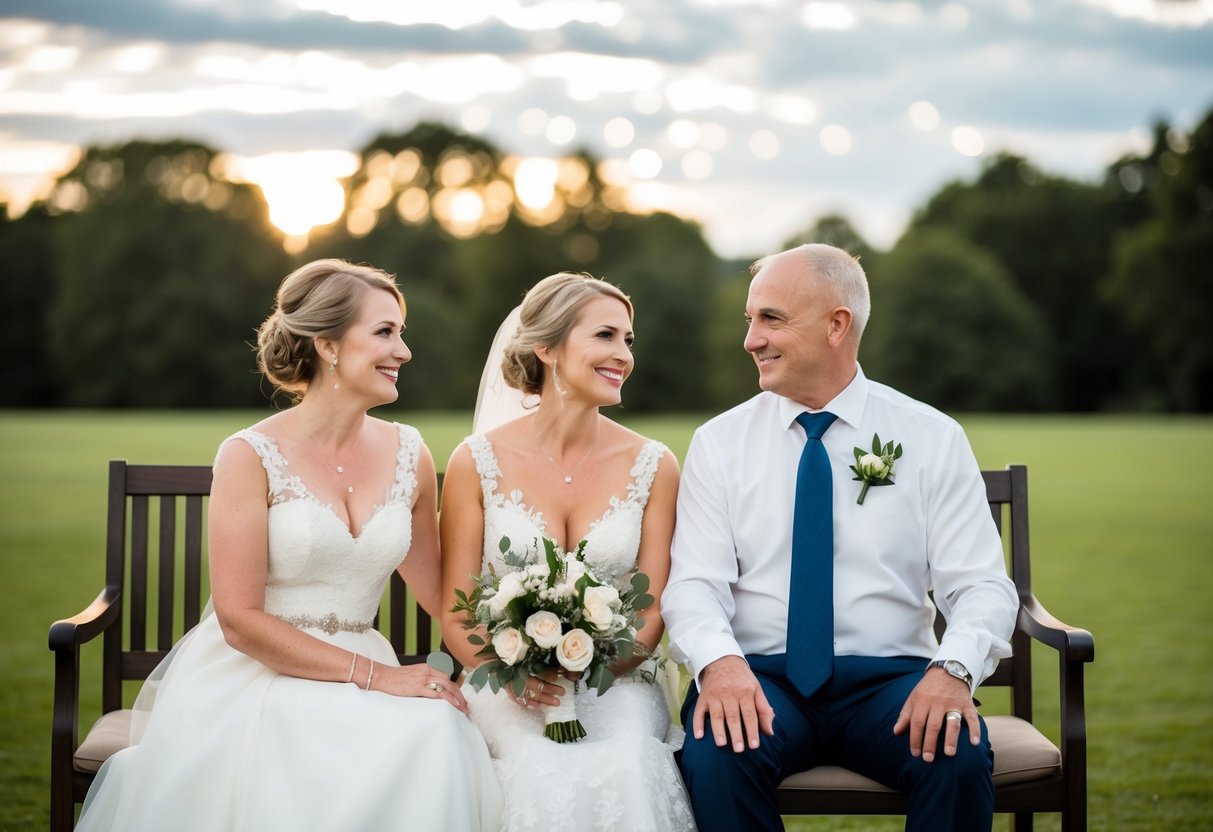
You might find that the siblings of the bride, along with other close relatives, often join the bride’s parents at their table. This seating choice not only honors family connections but also encourages meaningful conversations throughout the event.
When planning your wedding seating chart, keep in mind that flexibility is key. It’s important to ensure that your parents are comfortable and able to connect with loved ones during the festivities. Embracing a mix of family and friends can really enhance the joy of the day.
Understanding Ceremony Seating Traditions
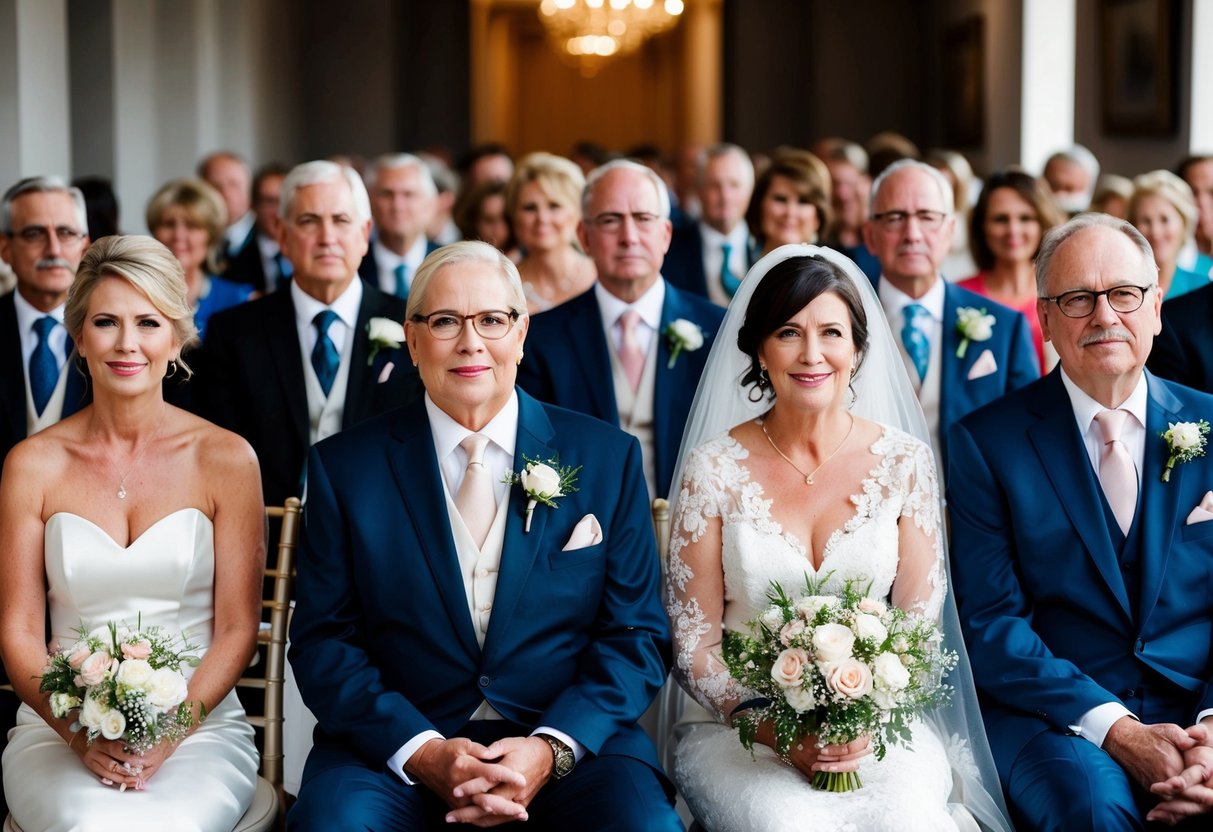
Ceremony seating is an important tradition at weddings. Knowing who sits where helps create a respectful atmosphere. Families play a central role, and their seating arrangements reflect this.
The Significance of Family Seating
Family seating during a wedding ceremony signifies unity and support. It is a way to honor both families, especially the parents of the bride and groom.
Typically, the bride’s family sits on the left side of the aisle, while the groom’s family sits on the right. This arrangement shows respect for each family’s role in the lives of the couple.
Additionally, special considerations are often made for divorced parents. Each parent’s seating arrangement should reflect their relationship with the couple and their comfort level. This thoughtful approach can help avoid any awkwardness during the ceremony.
Traditional Arrangements for Parents
In traditional wedding ceremonies, the seating arrangement begins with the bride’s parents. They often sit in the first pew on the left. This position highlights their importance to the event. On the right side, the groom’s parents take their place in the front row.
If one or both sets of parents are divorced, things may change. It’s polite to offer seating that respects everyone’s feelings. For example, you could seat each divorced parent on separate sides to avoid conflict or allow them to sit with a new partner if desired.
Understanding these traditions helps you create a beautiful and respectful ceremony that honors both families.
Designing Your Wedding Reception Seating
Creating a seating arrangement for your wedding reception can seem daunting, but it’s essential for a smooth and enjoyable celebration. Thoughtful planning can help everyone feel comfortable and included. Here’s how to design your reception seating effectively.
Choosing the Right Seating Chart
Start by making a wedding reception seating chart. This chart will help you visualize where everyone sits. Gather your guest list and categorize your guests, such as families, couples, and singles.
Consider using a tablemates approach. Seat family members together, and mix friends to encourage mingling. You might want to create a singles table if you have many solo guests. This gives them a chance to connect with each other. Remember to keep in mind any potential conflicts to avoid awkward moments.
Placement of the Head Table
The head table, or top table, is typically where you and your partner sit during the reception. Traditionally, this table can be placed at the center or back of the room, making it a focal point. If you prefer a more intimate vibe, consider a sweetheart table for just the two of you.
Arranging the head table near the dancing area allows you to engage with guests after your meal. Make sure it’s visible so everyone can see you during speeches and toasts. It’s about creating connections and memories.
Innovative Ideas for Reception Tables
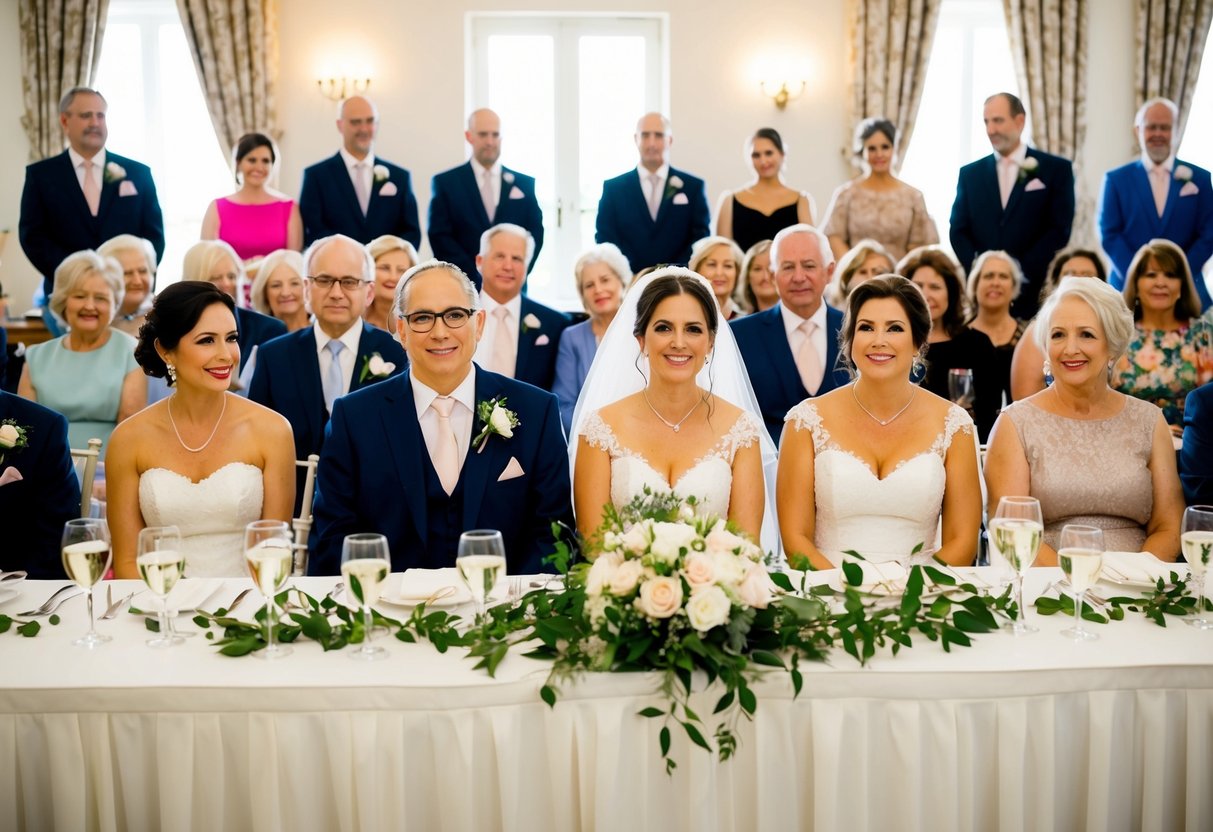
Think outside the box with your reception tables. Use different shapes like round, rectangular, or even a mix. Round tables promote conversation, while long tables can have a unique look.
Decorate each table to match your theme. Adding personal touches, like place cards with guest names, makes it special. You could also include fun elements, like a photo booth at a nearby table.
Consider creating a bridal table with special decor. This table could stand out with flowers or special lighting. Remember, the goal is to create a warm atmosphere where guests feel comfortable and engaged.
Navigating Complicated Family Dynamics
Managing family dynamics at your wedding can be tricky, especially when it comes to seating arrangements. You want everyone to feel comfortable and included. Here are some ways to approach different family situations effectively.
Handling Divorced Parents with Tact
If your parents are divorced, creating a seating plan that respects their feelings is crucial. Consider placing them at separate tables but close enough that they can participate in the event without discomfort.
You might also choose to have a neutral third party, like a grandparent or a family friend, sit with each of them to encourage engagement. Communicate openly with your parents about your plans. This can help avoid any surprises or hurt feelings on the big day.
Inclusive Options for Same-Sex Weddings
In same-sex weddings, it’s essential to ensure that all guests feel welcome and valued. Consider labeling tables with names that represent you as a couple instead of traditional family labels. This can make seating more personal.
Also, think about a kid-friendly reception area. Having a space where children can play can ease tensions for parents and guardians. Make sure to seat family members who support your relationship together to create a positive atmosphere.
Seating for VIP Guests and Special Attendees
VIP guests, such as grandparents or close family friends, deserve special consideration in the seating arrangement. Place them at tables near the head table or where they can easily see the ceremony and reception.
You might also provide them with designated parking or special accommodations to make their experience enjoyable. Consider creating a small list of who qualifies as VIP in your case and ensure they feel appreciated during the whole event.
Role of Wedding Planners and Ushers in Seating
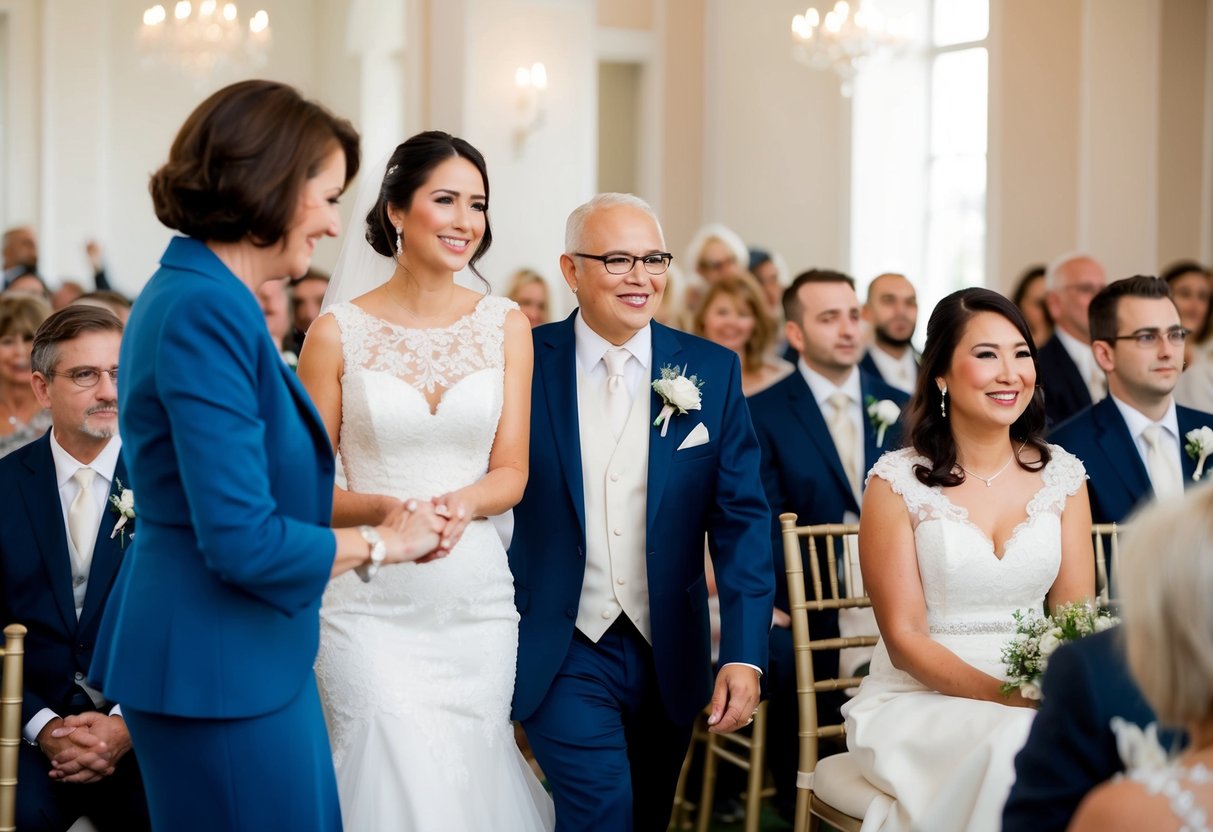
Planning seating for your wedding involves careful coordination between your wedding planner and the ushers. Both play crucial roles to ensure guests are seated in a way that enhances the ceremony or reception.
Wedding Planners and Seating Logistics
Your wedding planner is key to creating an effective seating arrangement. They will work closely with you to develop a seating chart that considers family dynamics and guest relationships. This chart helps avoid any awkwardness on your big day.
They will also communicate with the venue to ensure they have the correct tables and chairs set up. Your planner may suggest layouts that fit the space and support the wedding flow. If there are any last-minute changes, your planner will handle them smoothly.
The Duties of Ushers at the Ceremony and Reception
Ushers play a vital role in executing the seating plan. Upon arrival, they greet guests warmly and guide them to their seats based on your seating chart. They help to ensure that families sit together and that any specific requests are honored.
During the ceremony, ushers will direct guests to the right area, especially for seated areas reserved for family.
At the reception, they may assist with finding tables based on the seating chart. Their friendly demeanor makes guests feel welcome and cared for, adding to the joy of your celebration.