
Who Sits with the Bride and Groom at Reception? A Guide to Reception Seating Arrangements
When planning your wedding reception, one of the key details to consider is the seating arrangement. You’ll want to create a space that makes both you and your guests feel comfortable.
Typically, the bride and groom sit together at a special table. At this table, the groom sits on the bride’s right and the best man sits on her left. Then, the maid of honor sits next to the groom.
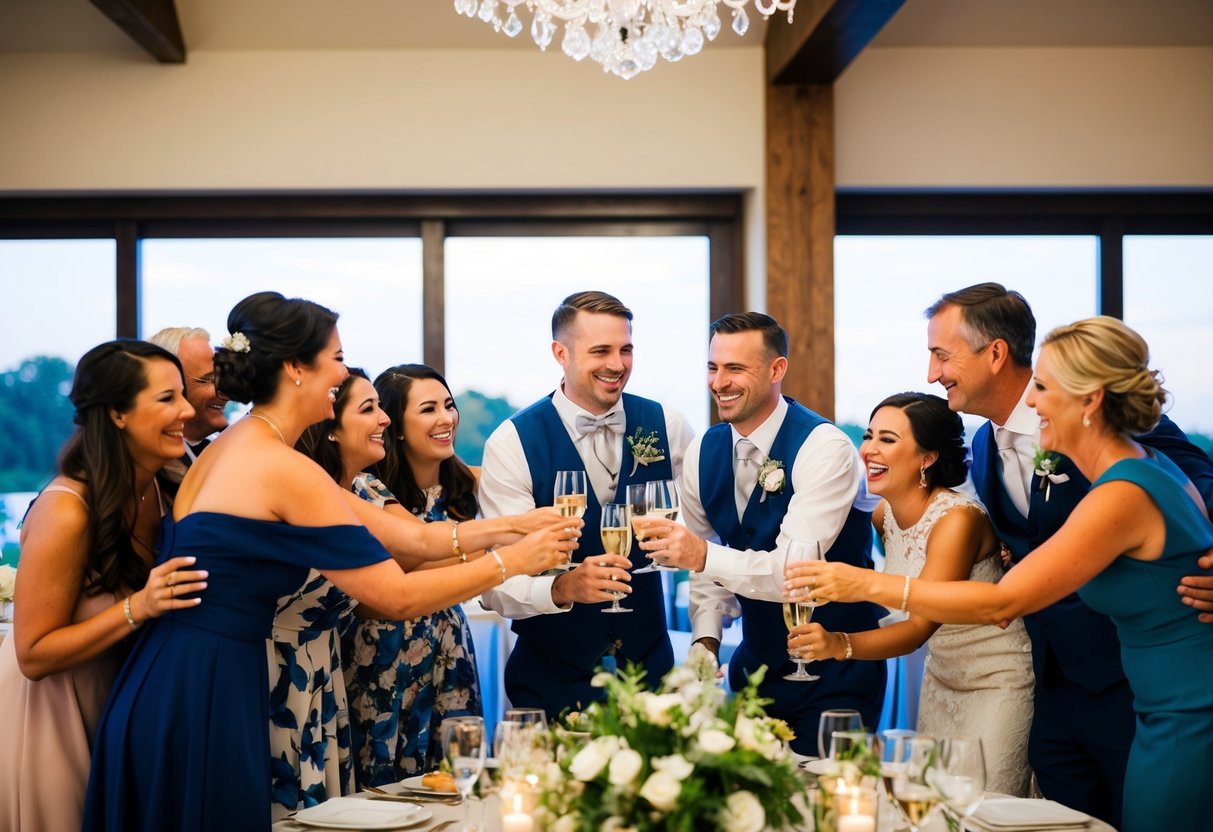
As you think about who sits with you at the reception, include your closest friends and family. This not only makes the moment more special but helps in building a warm, inviting atmosphere for everyone.
Many couples choose to add unique touches, like special decorations, to mark their table and make it stand out.
By planning your wedding seating carefully, you can ensure that everyone feels included and enjoys the celebration. Understanding these traditional seating arrangements can also guide you in creating a memorable experience for your guests during the wedding planning process.
The Basics of Wedding Reception Seating
Choosing the right seating for your wedding reception is essential. It helps to ensure that you, your bride or groom, and your guests feel comfortable and included.
Understanding the Head Table
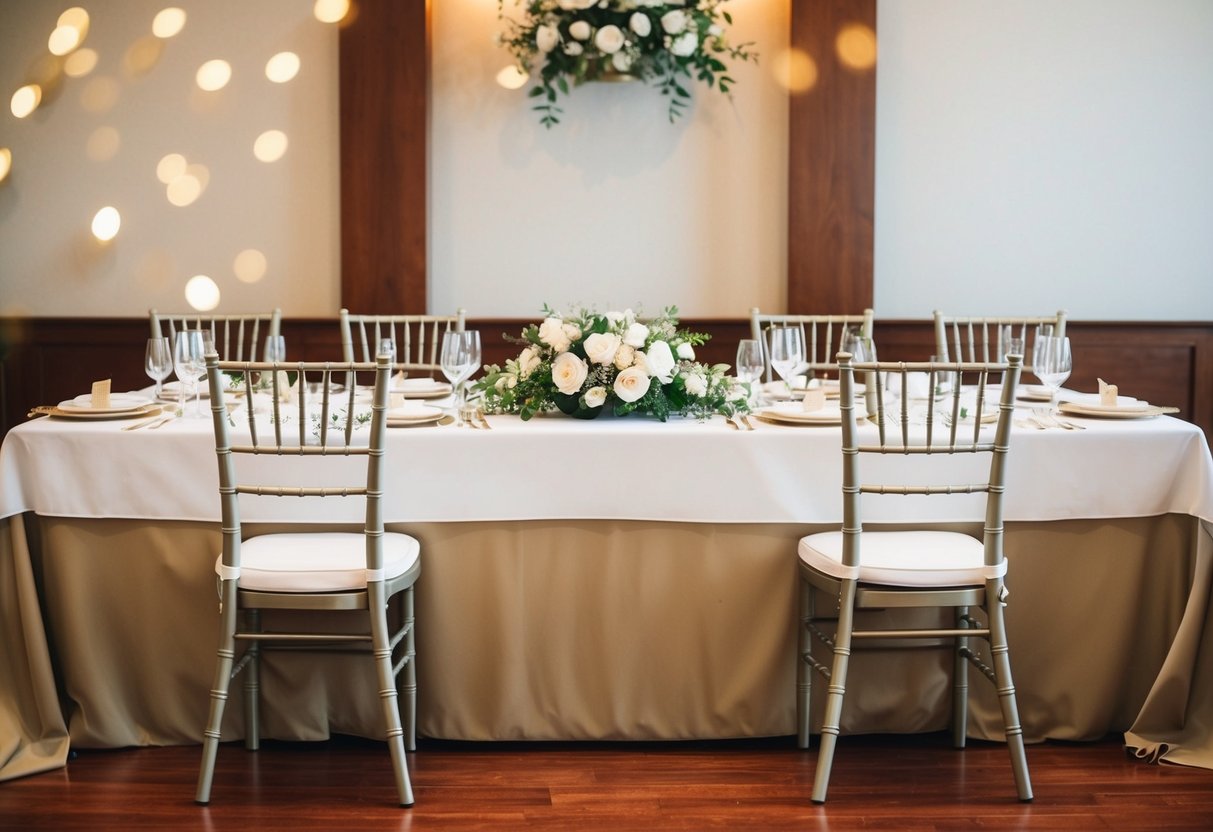
The head table is a prominent part of your wedding reception seating arrangement. Typically, this is where you and your partner sit along with the bridal party, including the maid of honor and best man.
It’s common for the head table to be positioned at the front of the room. Here’s a typical layout:
- Bride and Groom: Center of the table
- Maid of Honor: To the bride’s right
- Best Man: To the groom’s left
Other members of the bridal party can fill in the remaining seats. Keeping this table elevated helps your guests see you as you enjoy the event.
Options Beyond Traditional Settings
If you want something different from the head table, consider a sweetheart table. This option seats just you and your partner, allowing for a more intimate setting.
You can also create a family table for close relatives, ensuring key family members are seated together.
When crafting your seating chart, think about how you want guests to interact. A well-organized seating plan can help avoid awkward moments.
Here are some popular seating arrangements:
- Traditional Head Table
- Sweetheart Table
- Family Table
By understanding your seating options, you can create an enjoyable atmosphere for everyone at your wedding.
Designing Your Seating Plan
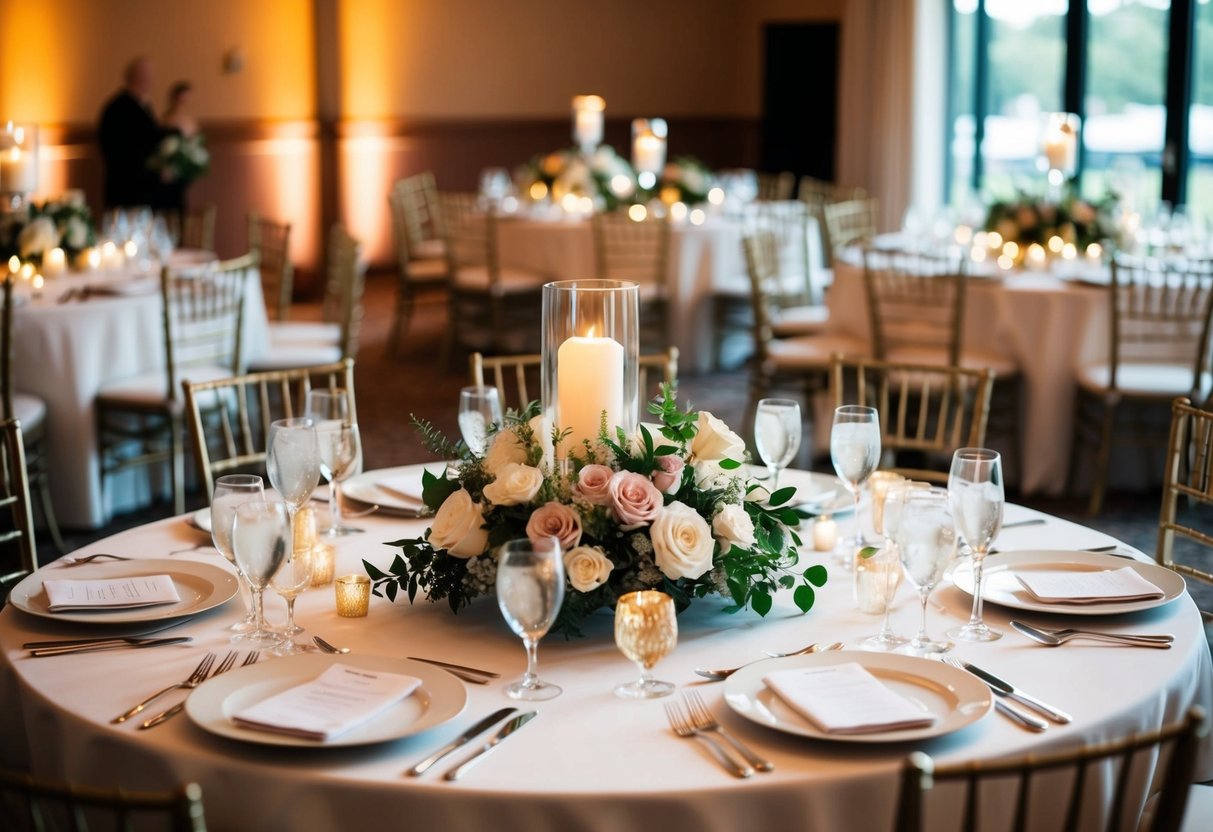
Creating an effective seating plan is essential for a smooth reception. It helps you manage your guests’ comfort and ensures everyone is happy and seated with the right people.
Crafting the Seating Chart
Start by making a comprehensive guest list to understand who is attending. Use this list to group guests into categories like family, friends, and colleagues.
Next, design your seating chart. Consider the layout of your venue. A clear floor plan will help you visualize the best arrangements.
You can use tables and charts to determine where each group will sit. Assign tables such that guests who know each other are seated together.
You may also decide to create place cards for each guest or escort cards that direct them to their tables. This makes it easy for guests to find their spots and enhances their experience.
Incorporating RSVP and Guest List
Your RSVPs will drive most of your seating decisions. Track who confirmed their attendance and keep it updated.
Once you have all your responses, refine your guest list. Be mindful of those who should be seated near or away from each other, depending on dynamics within your group.
Finally, make sure your seating plan reflects any special requirements. For example, accommodate guests with disabilities by ensuring easy access to tables. This attention to detail creates a more inviting atmosphere for everyone at your reception.
Assigning Seats for the Bridal Party

When planning your wedding seating, it’s important to consider who will sit with you and your partner. You’ll want to create a comfortable and friendly atmosphere for everyone involved.
The following key points will help you understand etiquette for seating arrangements and where to place your VIP guests.
Seating Arrangement Etiquette
Traditionally, you and your partner sit at the head table or a sweetheart table. If you choose a head table, your bridal party should also be close by.
The maid of honor typically sits to your partner’s right, and the best man is seated to your left.
Consider seating arrangements that match relationships. For example, place bridesmaids next to their partners or family, while the groomsmen should be near friends or relatives.
Make sure to consult a wedding seating chart etiquette guide to keep things organized. A well-planned table chart minimizes confusion and sets the right tone for your reception.
Location of VIP Guests
Don’t forget to think about your VIP guests, like parents and grandparents. They play an important role in your lives and deserve special seating.
Usually, the parents of the couple sit adjacent to the head table.
If you have divorced parents, be sensitive to their feelings. Place them at different tables, but in close proximity to each other.
You might also want to create family tables that combine relatives from both sides. This can help bridge gaps and enhance family ties, making everyone feel included.
Accommodating Special Seating Requests
When planning your wedding reception, it’s important to consider the comfort and preferences of your guests. This includes managing seating for singles and couples, as well as ensuring special attendees have their reserved seats.
Managing Singles and Couples
It’s common to have a mix of singles and couples at your wedding. To make everyone feel included, consider creating a singles table. This allows solo guests to mingle and enjoy the company of others who may also be attending alone.
You can also group couples together at tables that promote conversation.
Think about arranging your wedding reception seating chart so that guests share tables with people they know or have common interests. This can help spark new friendships and make the atmosphere more enjoyable for everyone.
Reserved Seats for Special Attendees
Certain guests may need reserved seats due to their importance or any specific needs. Make sure to accommodate family members, close friends, or anyone who may require special attention.
You can mark these seats on your wedding reception seating plan with a sign or a unique identifier.
Consider placing these guests near your table or where they can easily interact with you. Also, keep in mind any guests with mobility issues. Ensuring their seating arrangements are beneficial will show your thoughtfulness and care.
It’s all about making your reception a memorable experience for everyone involved.