
Who Speaks at a Rehearsal Dinner? A Guide to Roles and Toasts
At a rehearsal dinner, a handful of speakers help set the tone for the celebration ahead. The groom’s parents will kick things off by welcoming guests and expressing gratitude for their presence. Following them, the parents of the bride may also offer a few words, sharing their excitement about the upcoming wedding.
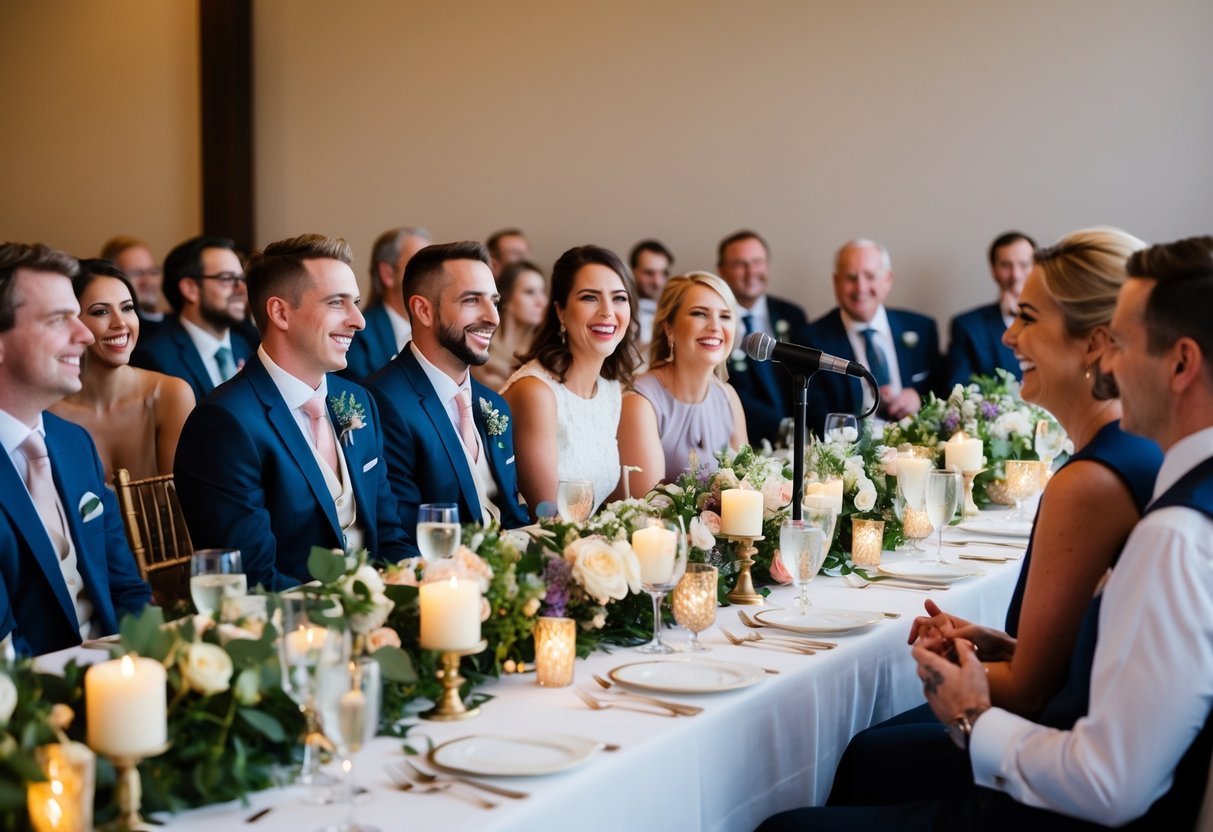
This event is a wonderful opportunity for close family members and friends to share their support and love for the couple. While speeches can be more informal than those at the wedding reception, they are still significant. Expect bridesmaids, groomsmen, or even close friends to step up and say something memorable during the evening.
Planning these speeches is an essential part of wedding planning, as it allows for deeper connections among guests. Knowing who will speak can help everyone feel included and excited for the big day ahead.
Planning the Rehearsal Dinner
Planning your rehearsal dinner involves several important steps. You need to choose the right hosts and venue, create a thoughtful guest list, and set the perfect ambiance for the evening. Each step helps ensure a warm and memorable gathering for everyone involved.
Choosing the Hosts and Venue
The hosts of the rehearsal dinner are usually the groom’s parents, but it can also involve both families. Discuss with them to see who wants to take the lead.
When selecting a venue, think about the size and atmosphere. An intimate setting, like a restaurant or a backyard, can make your gathering feel special.
Consider the needs of out-of-town guests, ensuring the location is convenient.
Try to choose a place that reflects the couple’s personality. It can be formal or casual, depending on your style. Look into rehearsal dinner ideas that suit your theme, whether that includes a unique menu or interactive activities.
Creating the Guest List
Creating a guest list can be both exciting and challenging. Start by listing everyone you want to invite. Usually, this includes close family members, friends, and people involved in the wedding party.
Consider your budget and the venue size when finalizing the number of guests.
Be sure to invite out-of-town guests who may not be attending the wedding. They’ll appreciate the chance to celebrate with you before the big day.
Don’t forget to communicate any special dietary needs to ensure everyone feels included and comfortable during the dinner.
Setting the Ambiance
The ambiance of your rehearsal dinner sets the tone for the evening. Think about lighting, music, and decorations to create a welcoming environment.
Soft lighting and gentle music can enhance the intimate feel.
Choose decorations that reflect the couple’s style. Simple centerpieces, candles, or personalized items can make a big impact without overwhelming the space.
If you have time, plan some activities or icebreakers to help guests mingle. Adding personal touches will make everyone feel more at home and part of the celebration.
The Role of Speeches at Rehearsal Dinners
Speeches at rehearsal dinners play an important role in creating a warm and memorable atmosphere. They allow friends and family to share their thoughts, stories, and well-wishes for the happy couple.
Understanding Speech Etiquette
When giving a rehearsal dinner speech, it’s essential to follow basic etiquette.
Aim for a friendly and light-hearted tone. You want to create a joyful atmosphere, so avoid sensitive topics or anything too controversial.
Keep your speech brief, ideally around 3 to 5 minutes. This ensures you keep everyone’s attention without losing their interest.
Make sure to speak clearly and at a comfortable volume. Use pauses for laughter and reactions.
Also, it’s polite to thank the hosts of the dinner. Acknowledge those who played a role in the couple’s journey, as this shows appreciation and respect.
Order of Speeches
Typically, the order of speeches at a rehearsal dinner starts with the hosts. This is usually the parents of the couple. They often welcome guests and share a few heartfelt words.
After the hosts, the father of the groom speaks, followed by the father of the bride if they are also hosting.
Other members of the wedding party can then take their turns, followed by close friends or family.
Encourage speakers to share personal stories and joys about the couple. This creates a bond among the guests and highlights the couple’s relationships. It’s a wonderful way to bring everyone together before the big day!
Who Speaks at the Rehearsal Dinner
At the rehearsal dinner, several key people usually share speeches or toasts. It’s a wonderful chance to celebrate the couple and express gratitude to family and friends. Understanding who participates can help you feel prepared and engaged during this special event.
Family Members and the Wedding Party
Typically, the speeches start with the parents of the groom. They often welcome guests and set a warm tone for the evening. Following them, the parents of the bride may also share a few words.
Next, members of the wedding party take their turn. The best man usually speaks, sharing light-hearted stories about the groom. The maid of honor often follows with heartfelt sentiments about the bride.
Additionally, siblings of the couple may give toasts, adding a personal touch with nostalgic memories.
Don’t forget the grandparents! If they’re comfortable, their words can be both wise and touching. Each person’s speech adds to the collective joy of the evening.
The Open Mic Tradition
An emerging trend at rehearsal dinners is the open mic. This fun tradition allows guests to share their stories and well-wishes for the couple. It adds an interactive element to the evening.
You might encourage close friends or family members to step up. Guests can share silly anecdotes or heartfelt advice. This spontaneity often leads to laughter and a relaxed atmosphere.
Make sure to let guests know they have this option, but don’t force anyone to speak. A casual approach can create a great vibe without pressure. The open mic period is a chance to celebrate everyone’s connection to the couple.
Crafting Memorable Speeches
Creating a memorable speech for a rehearsal dinner can make a significant impact on the couple and their guests. Including personal stories, expressing gratitude, and incorporating humor will help you connect with the audience and create a warm atmosphere.
Personal Stories and Anecdotes
Sharing personal stories is a powerful way to engage everyone. Think about special moments you’ve shared with the couple. These can be lighthearted or heartfelt, adding depth to your speech.
When telling a story, focus on specific details.
Describe a day when the couple truly showed their love for each other or a moment that highlights their commitment. This personal touch will resonate with guests.
For example, if you witnessed their first date, share a funny mishap or a sweet gesture that showcased their bond.
Expressing Gratitude and Love
Expressing gratitude is essential in your speech. Thank the couple’s parents for their support and love. This gesture shows respect and appreciation for their role in the couple’s journey.
Also, take a moment to share what you admire about the couple.
Highlight their qualities, like kindness, commitment, and love. You could say, “Your love story is an inspiration,” or “You bring out the best in each other.” This adds warmth and sincerity to your words, making your speech memorable.
Incorporating Humor and Well Wishes
Humor can lighten the mood and create joy. Think of funny memories or friendly jokes about the couple that won’t offend. Use light-hearted anecdotes that draw laughter without crossing any lines.
Ending your speech with well wishes leaves the guests feeling uplifted. You might say something like, “May your love continue to grow” or “Here’s to many happy years together.” These blessings reflect your support and joy for their future, bringing a positive close to your speech.