
Who Speaks First at a Wedding Ceremony? Understanding the Order of Wedding Vows
When planning your wedding, you might wonder who speaks first during the ceremony. Traditionally, the groom says his vows before the bride, especially in many religious ceremonies. This order has roots in long-standing customs, but many couples today choose what feels right for them.
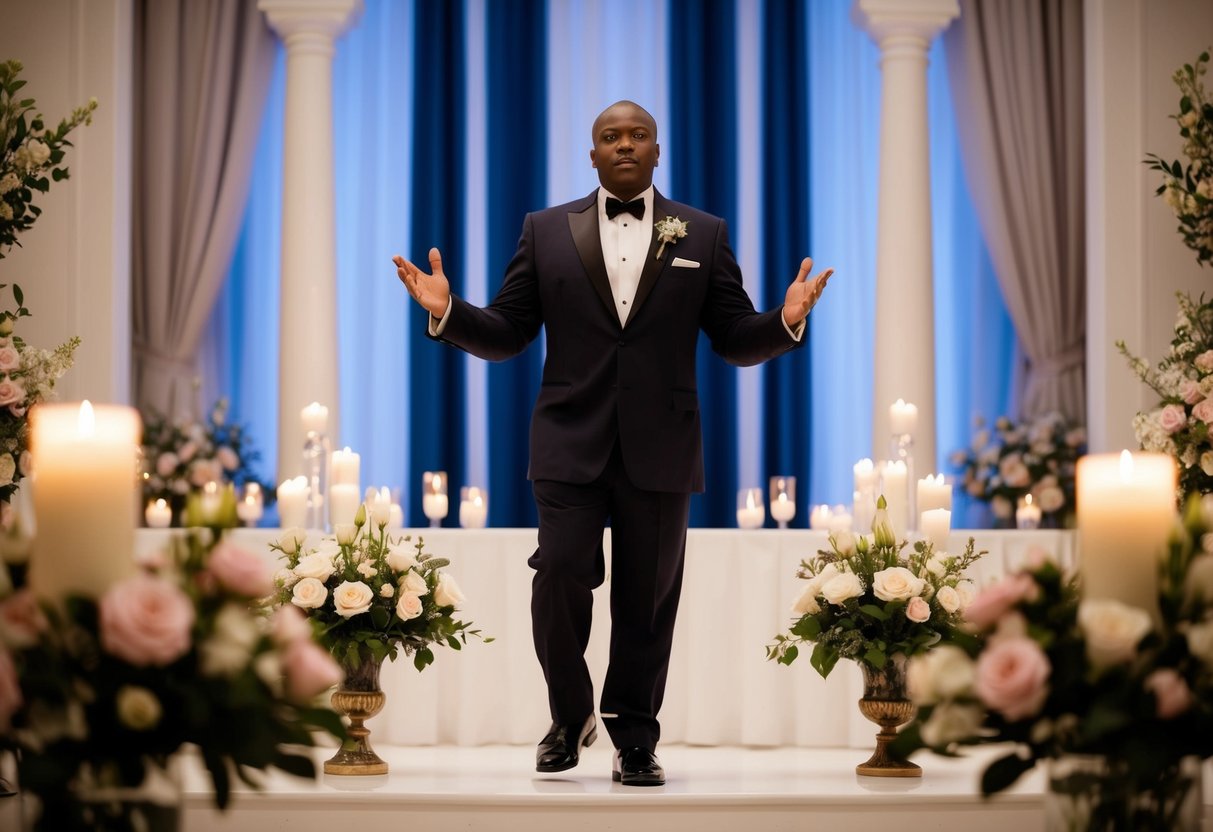
Understanding this tradition can help you decide how to structure your own ceremony. Whatever you choose, make sure it reflects your unique relationship. Keeping your vows in mind will make this moment even more special for both of you.
As you prepare for the big day, knowing who speaks first can guide your planning. Let’s explore some of the options and traditions surrounding this important question to help you feel more prepared.
Origin and Significance of Wedding Speeches
Wedding speeches hold deep meaning and tradition in ceremonies. They reflect love, support, and shared joy among family and friends. Understanding their origins and significance can enhance your appreciation of this special moment.
Historical Context of Wedding Orations
Historically, wedding orations were a way to celebrate the union of two people. In ancient times, these speeches often served as public declarations of love and commitment. They highlighted the importance of family ties and community involvement in the marriage.
During traditional wedding ceremonies, specific roles emerged. The father of the bride often gives the first speech. This speech marks a blessing and welcome into the family. Following him, the groom typically speaks, expressing his love and gratitude.
Cultural and Religious Speech Traditions
Different cultures have unique practices surrounding wedding speeches. In many Western traditions, speeches are usually made during the reception or banquet. The order typically starts with the father of the bride, followed by the groom, the best man, and the maid of honor.
In religious ceremonies, speeches can have specific significance. For example, in some faiths, the officiant may also speak to bless the couple. This can reflect cultural customs and religious beliefs, enriching the wedding ceremony.
These speeches not only celebrate love but also reinforce community and family values. Through sharing stories and heartfelt messages, they create lasting memories for everyone involved.
Traditional Wedding Ceremony Structure
Understanding the traditional structure of a wedding ceremony helps you appreciate the flow of events. From the processional to the exchange of vows, each part has its significance and role in the celebration.
The Processional and Opening Remarks
The ceremony typically begins with the processional. This is when key people, including family and the wedding party, walk down the aisle. The officiant usually leads, followed by the groom and then the bride. This order sets the stage for the couple’s big moment.
Once everyone is in place, the officiant makes opening remarks. These words often provide context for the ceremony and welcome the guests. Traditional elements like readings or prayers may also be included at this time. For Christian ceremonies, this can involve readings from the Book of Common Prayer.
Traditional Order of Wedding Vows and Speeches
The traditional order of wedding vows typically sees the groom speaking first. This shows his commitment and sets a tone for the exchange. After the groom, the bride shares her vows, affirming her love and promises.
Following the vows, there is usually a wedding speech order. This often starts with the father of the bride, who may express joy and share memories. Other speakers, like the best man and maid of honor, also have their moments to shine. This organized structure emphasizes the support of family and friends as you embark on this new journey together.
Modern Interpretations and Personalization
Modern wedding ceremonies often reflect the couple’s unique identity and values. Many couples today choose to personalize their vows, ceremony scripts, and even the order of speeches. This allows you to create a celebration that feels right for you.
Adaptations for Same-Sex Couples and Inclusivity
Same-sex couples have brought a refreshing focus on inclusivity in wedding ceremonies. Many choose to break from traditional roles, allowing both partners to share vows first. This choice symbolizes equality and mutual respect.
Unconventional ceremony scripts are also common. You might find wedding planners suggesting options that celebrate your love story, rather than following strict traditions. Personalizing elements like music, readings, or even incorporating cultural traditions can enhance this unique experience.
This approach helps ensure that all couples feel welcome and celebrated on their special day.
Personal Preferences and Unique Ceremony Scripts
When it comes to personalizing your wedding ceremony, every detail matters. You can choose a sequence that reflects your journey together.
Couples often opt for modern wedding speech orders that suit their personalities. For instance, if both partners feel strongly about saying vows at the same time, that’s perfectly acceptable.
Working with a wedding planner can help you craft a script that aligns with your vision. You can include personal anecdotes or favorite quotes that resonate with both of you. This customization makes the ceremony deeply meaningful and memorable.
Execution and Flow of Wedding Speeches
The execution and flow of wedding speeches are important for creating a smooth ceremony. Understanding the timing and order of speakers helps set the right tone and ensures that everything goes as planned.
Coordinating Speakers and Timing
When planning your wedding, coordinating who speaks and when is key. Traditionally, the father of the bride starts the speeches at the reception. After him, the groom usually speaks, followed by the best man.
You might also want to include other family members or close friends. Remember to give them a heads-up about their speaking time so they can prepare. To keep things flowing, try to stick to a schedule that everyone agrees on.
Timing should allow for heartfelt moments along with some lighthearted humor.
Etiquette for the Order of Vows and Ring Exchange
The order of wedding vows and the ring exchange matters for the ceremony. Usually, the couple exchanges vows first before the ring exchange occurs. This emphasizes the meaningful promises you make to each other.
Traditionally, the officiant asks, “Who has the rings?” before the exchange, which adds a lovely touch. Make sure you practice the flow so everything feels natural.
It’s also good to check with your officiant about any specific etiquette they might prefer. Clear communication will help keep the ceremony smooth and memorable.