
Who Stands Next to the Bride in a Wedding? Exploring Roles and Traditions
On your wedding day, the moment you walk down the aisle is truly special. You might wonder about the people who will stand beside you during this important ceremony. Typically, the maid of honor stands next to you, while the groom will have his best man by his side. This arrangement helps to highlight the connection between you and your closest friends and family.
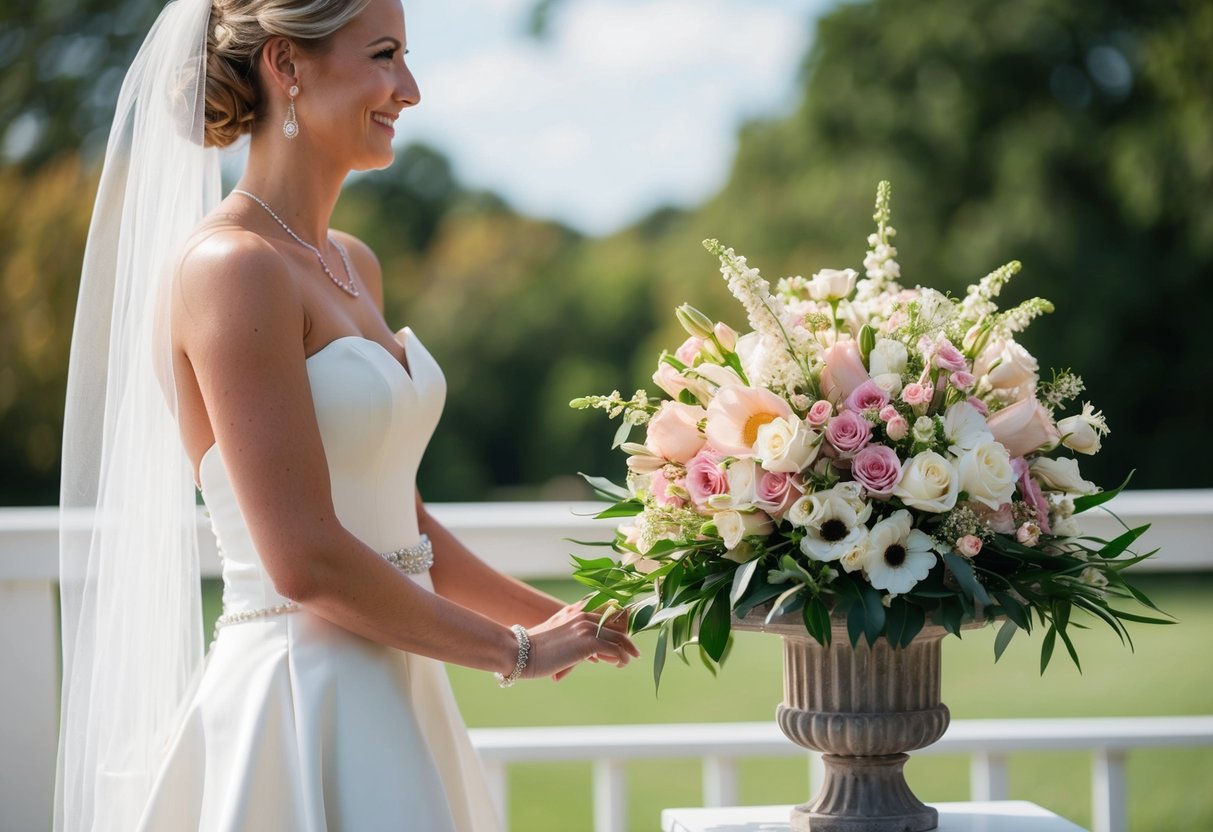
Your wedding ceremony is a beautiful blend of tradition and personal touch. You’ll find that the presence of your bridesmaids, who stand alongside your maid of honor, adds to the joy and celebration of the day. Each person has a special role, creating a supportive atmosphere as you take this big step in your life.
With so much love and excitement surrounding the wedding day, knowing who stands next to you can help you visualize the moment. This insight adds to the anticipation, making the ceremony feel even more meaningful as you share it with those who matter most to you.
Wedding Party Positions and Roles

In a wedding, the bridal party plays a crucial role in supporting the couple. Each member has specific responsibilities and a unique position during the ceremony, which helps create a memorable experience.
The Role of the Maid of Honor and Matron of Honor
The maid of honor or matron of honor stands closest to you on your big day. If she is unmarried, she is called the maid of honor; if married, she is the matron. This role is vital, as she handles many tasks, like planning the bridal shower and helping you get ready on the wedding day.
She is your confidante in all wedding-related matters. From dress fittings to ensuring you stay calm, her support is invaluable. She usually holds your bouquet during the ceremony and may give a speech at the reception, making her presence essential for a smooth day.
Bridesmaids and Their Significance
Bridesmaids play an important role in your wedding. These are your close friends or family members who help make the day special. They stand next to you during the ceremony, wearing dresses you’ve chosen together.
The support they provide can come in many forms, like helping with logistics on the wedding day or organizing pre-wedding events. Their involvement adds joy and camaraderie, as they celebrate this significant milestone with you. You can also rely on them to help keep the mood light and fun.
Significance of the Best Man and Groomsmen
The best man and groomsmen have important roles during the ceremony. The best man is usually the groom’s closest friend or brother, responsible for supporting him throughout the planning and on the wedding day.
Groomsmen assist the best man and help manage tasks, like coordinating with vendors and ushering guests. During the ceremony, they stand beside the groom, showing support. Their camaraderie also creates a friendly atmosphere for the celebration, ensuring everyone feels included in the day’s events.
Junior Bridesmaids, Flower Girls, and Ring Bearers
Junior bridesmaids, flower girls, and ring bearers add extra charm to the wedding party. Junior bridesmaids are typically younger members of the family or close friends who may be too old for the flower girl role but still want to be involved.
Flower girls sprinkle petals down the aisle, representing innocence and beauty. Ring bearers carry the wedding rings, often in a special box or pillow. These roles can bring a delightful touch to the ceremony, delighting guests and creating lasting memories for everyone involved.
Ceremony Arrangements and Procession Order
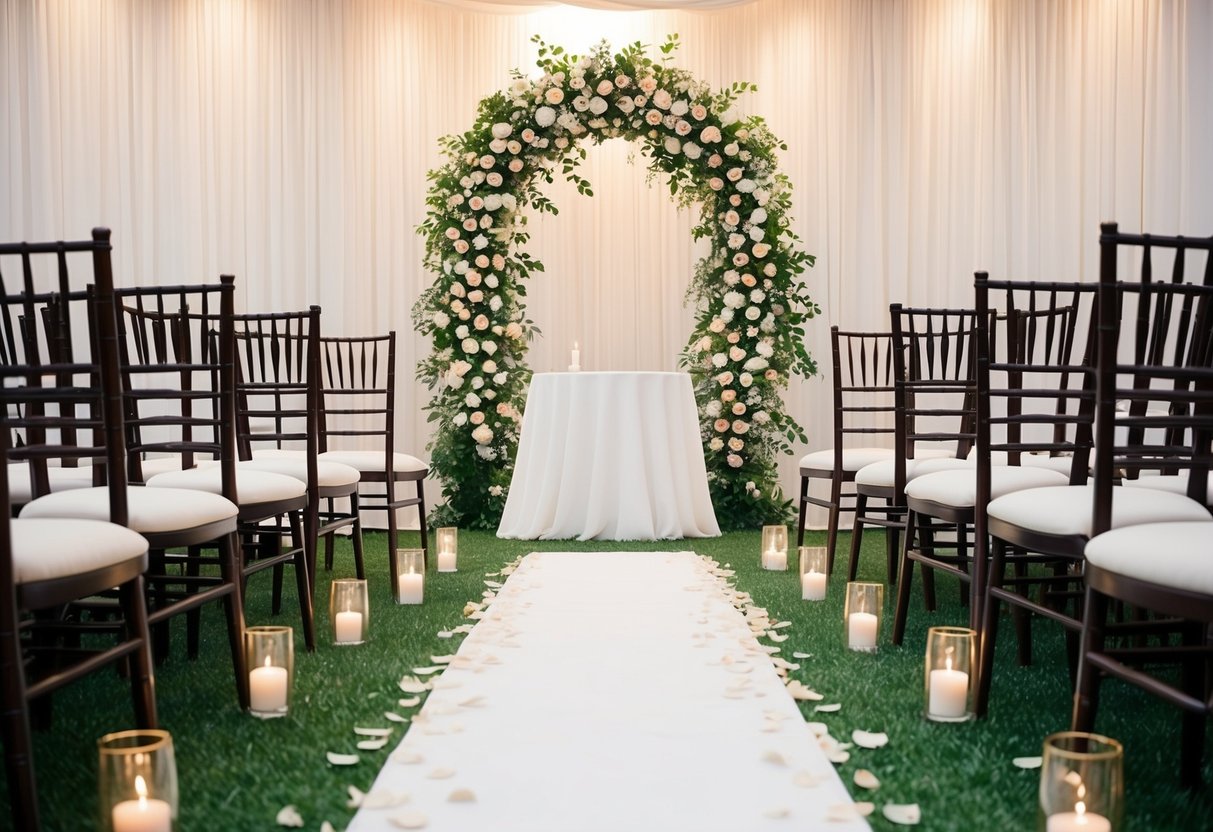
When planning the ceremony, it’s important to understand the processional and recessional steps, seating arrangements, and the positions at the altar. These elements create the flow of the wedding event, making it memorable and organized.
Processional and Recessional Basics
The wedding processional is the part where everyone walks down the aisle and takes their places. Typically, it starts with the officiant, followed by the wedding party. You may choose to have bridesmaids and groomsmen walk in pairs or individually.
The bride is usually the last to enter, often escorted by a parent. The processional sets the tone for the ceremony, so select a song that feels special to you. After the ceremony, the recessional occurs when the newlyweds exit, often to lively music, celebrating the new union.
Traditional Seating Arrangements
Seating arrangements are often organized by family sides. The bride’s family sits on the left, while the groom’s family occupies the right side. This is a classic setup, but you can modify it based on your preferences.
You might also reserve special seats for immediate family members or important guests. Clearly marking these areas can help avoid confusion. It’s useful to have a seating chart displayed at the entrance for guests to easily find where to sit.
Customary Positions at the Altar
At the altar, positions are usually defined. The priest or officiant stands in the center, with the groom to the right and the best man beside him. The bride stands to the left, with the maid of honor nearby, often a sister or close friend.
Bridesmaids and groomsmen line up according to their roles in the ceremony. If you have a flower girl and ring bearer, they typically stand towards the front near the couple. This arrangement highlights the bridal party and makes the ceremony visually appealing.
Cultural and Personal Touches
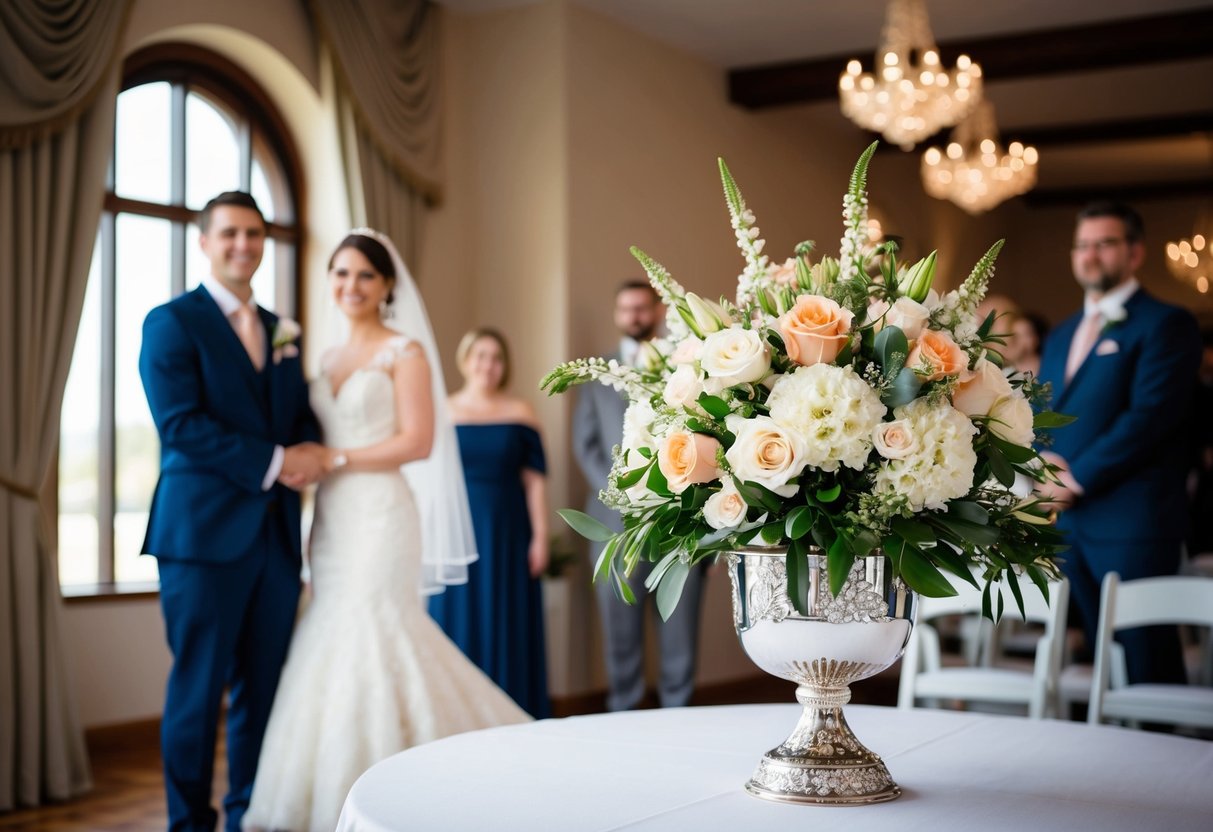
Weddings are rich in cultural meanings and personal choices. Understanding what influences who stands next to the bride can add special significance to your ceremony.
Cultural Traditions in Weddings
Different cultures have unique practices that shape the wedding ceremony. In a Jewish wedding, for example, the bride often stands under a chuppah, symbolizing the home the couple will build together. The groom typically stands next to the bride, often with family on both sides.
In a Hindu wedding, the bride and groom may participate in rituals that involve their families standing close by, emphasizing the family connection. During a Christian wedding ceremony, the bride usually stands on the left side, while the groom stands on the right. This arrangement is thought to represent the “good side” for the bride, as traditions may refer to the left side as the “bad side.”
Incorporating Personal Preferences
Your preference plays a significant role in the wedding setup. Some couples might choose to alter traditional positions based on personal feelings or family dynamics.
For instance, you may want a close friend rather than a sibling as your maid of honor.
In civil ceremonies or military weddings, the focus may shift away from strict traditions, allowing for more personal touches. You can decide who stands where based on emotional connections.
The best man or maid of honor might hold special responsibilities, like managing the rings or flowers, depending on how you want to personalize your day.